

Choosing between a yurt and a tent can change the way you experience the outdoors. You might think they’re just different kinds of shelters, but each offers something unique that can make your trip more comfortable, adventurous, or even luxurious.
If you want to know which one fits your style, your needs, and your next adventure best, keep reading. This guide will help you decide by breaking down the key differences, so you can make the right choice and enjoy your time outside like never before.
Table of Contents
Design And Structure
The design and structure of yurts and tents differ greatly. Each offers unique benefits and challenges. Understanding these differences helps choose the right shelter for your needs.
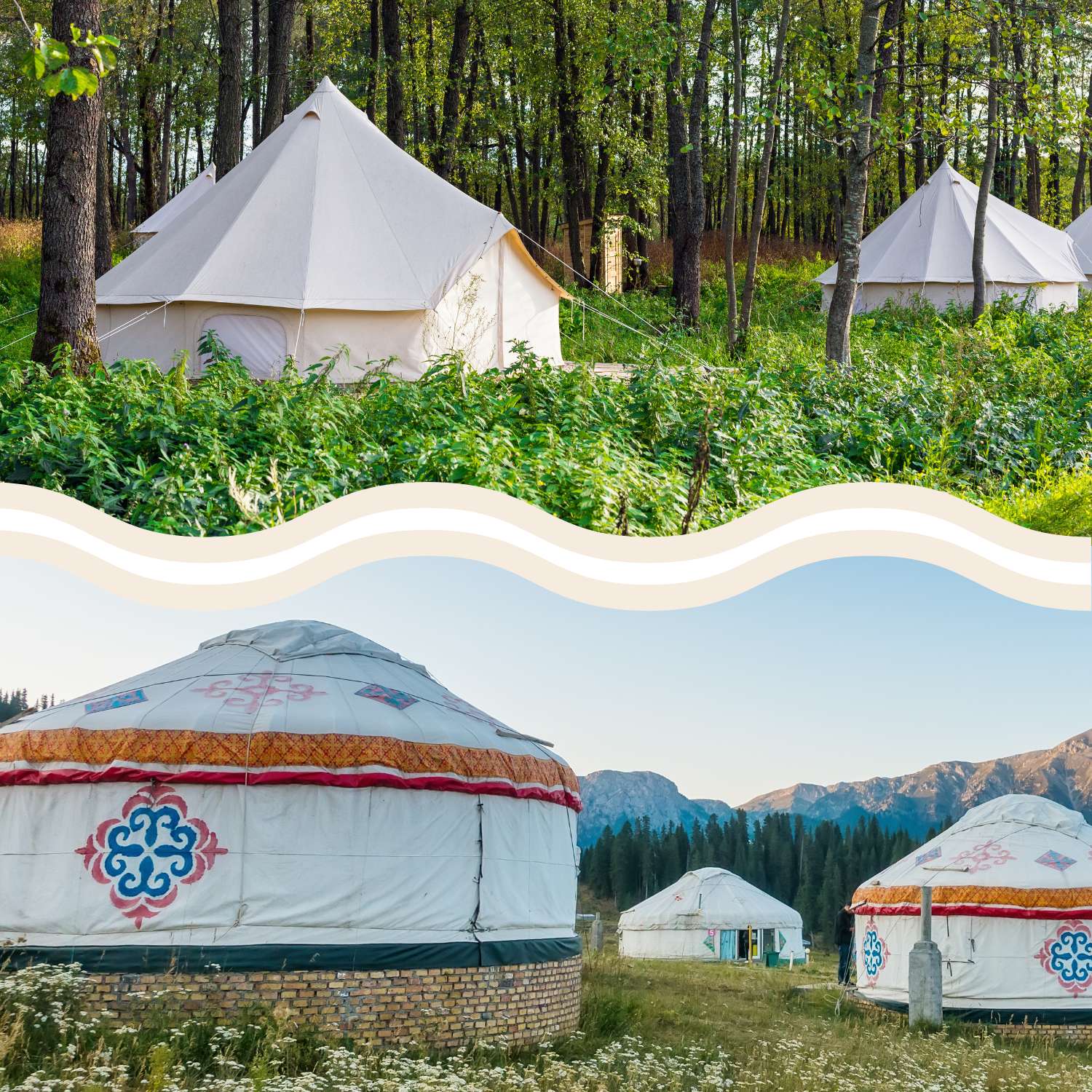
Yurts have a round shape with strong wooden frames. Tents usually have a triangular or dome shape with flexible poles.
Yurt Framework And Materials
Yurts use a lattice wall made of wood. This wall supports the whole structure. The roof has wooden rafters that meet at a central ring. The covering is thick fabric or felt for insulation.
This design makes yurts stable and strong. They can handle wind and cold weather well.
Tent Poles And Fabric
Tents rely on lightweight poles, often made of aluminum or fiberglass. The fabric is usually nylon or polyester. These materials are light and easy to carry.
The pole design allows quick setup but may be less sturdy in strong winds.
Shape And Space
Yurts are circular, giving more usable interior space. The walls are vertical, making it easier to move inside. The height is generally consistent throughout the yurt.
Tents have sloped walls that reduce headroom near edges. Space inside is often less than in a yurt of similar size.
Material Durability
Material durability plays a big role in choosing between a yurt and a tent. It affects how well the shelter lasts through different weather and use. Strong materials mean better protection and longer life.
Both yurts and tents use different fabrics and frames. These materials define their strength and resistance. Understanding these differences helps pick the right shelter for your needs.
Yurt Fabric And Frame
Yurts often use thick canvas or polyester fabrics. These materials resist tears and water well. The fabric has a coating that blocks rain and UV rays.
The frame of a yurt is usually made from wood or metal. This frame is sturdy and holds up in strong winds. It helps the yurt keep its shape for many years.
Tent Materials
Tents usually use nylon or polyester fabrics. These are lightweight but less thick than yurt fabrics. They have a water-resistant coating but can wear out faster.
Tent poles are often made from aluminum or fiberglass. These poles are light but can bend or break more easily. Tent materials work well for short trips and light use.
Resistance To Weather
Yurt materials handle heavy rain, snow, and strong winds better. Their thick fabric and solid frame provide more protection. This makes yurts great for longer stays and rough weather.
Tent materials are best for mild weather and short camping trips. They can struggle with heavy rain or strong wind. Tents may need extra care to stay durable in harsh conditions.
Setup And Portability
Setting up your shelter and moving it easily matters a lot. These two factors affect your camping comfort and planning. Both yurts and tents have unique features in setup and portability. Understanding these can help you choose the best option for your trip.
Yurt Setup
Yurts need more time to set up than tents. They have many parts like wooden frames and fabric covers. You usually need two or more people to build one. The process can take one to two hours. Yurts often require a flat and stable surface. Once set up, they feel very sturdy and weatherproof.
Tent Setup
Tents are quicker and easier to set up. Most tents use poles that snap or slide together. A single person can usually pitch a tent in 10 to 20 minutes. Modern tents have simple designs for fast assembly. They work well on uneven ground and small spaces.
Yurt Portability
Yurts are heavier and bulkier than tents. Their wooden parts add weight and size. Moving a yurt needs a vehicle and some help. They are not meant for frequent moves. Yurts suit long stays or semi-permanent campsites.
Tent Portability
Tents are lightweight and easy to carry. They pack into small bags and fit backpacks. This makes tents ideal for hiking and travel. You can move a tent daily if needed. They offer more freedom for changing locations.

Insulation And Weather Resistance
Yurts offer better insulation and protect well against wind and rain. Tents are lighter but less warm and less weatherproof. This makes yurts a good choice for cold or wet conditions.
Insulation In Yurts And Tents
Yurts have thick walls made from layers of felt or foam. This helps keep heat inside during cold nights. The insulation also blocks wind, making yurts cozy in harsh weather.
Tents usually have thin fabric walls. They provide little insulation and often feel cold when the temperature drops. Some tents include extra liners, but these are less effective than yurt walls.
Weather Resistance Of Yurts
Yurts are strong against rain, wind, and snow. Their round shape allows wind to pass around easily. The roof is steep, so rain and snow slide off quickly. Yurts can stay dry and stable in storms.
Weather Resistance Of Tents
Tents vary in weather resistance. Many tents use waterproof fabric to stop rain. Low-quality tents may leak or collapse in strong winds. Wind can push tents easily due to their shape and structure.
Space And Interior Layout
Space and interior layout play a big role in choosing between a yurt and a tent. Both offer shelter, but their design affects comfort and usability inside. Understanding their layout helps you decide which fits your needs best.
Yurt Interior Layout
Yurts have a circular shape with a wide open floor plan. This design allows more room to move around. The walls are vertical, giving more usable space at the edges. It feels roomy and less cramped than a tent.
Many yurts have built-in windows and a skylight at the top. This adds natural light and fresh air. The open center can fit furniture or a fire pit easily. You can arrange the space in many ways.
Tent Interior Layout
Tents usually have a narrower, triangular shape. The sloping walls reduce usable space near the edges. This can feel tight, especially for taller people. Most tents have less headroom than yurts.
Tents often separate sleeping and living areas with dividers. This can create privacy but reduces open space. Windows may be smaller or fewer, limiting light. Interior space depends on tent size and design.
Ventilation And Airflow
Ventilation and airflow are key for comfort in outdoor shelters. Good airflow helps keep the inside cool and fresh. It also reduces moisture build-up and bad smells. Both yurts and tents have different ways of managing air. Understanding these differences helps you choose the best shelter for your needs.
Yurt Ventilation Features
Yurts usually have a circular shape with a central roof opening. This opening allows hot air to escape easily. Many yurts include windows and vents around the walls. These let fresh air flow in from all directions. The height of the yurt also improves air circulation. This design keeps the air moving well inside.
Tent Ventilation Features
Tents often use mesh panels to improve airflow. Many tents have zippered windows and doors with mesh screens. These allow air to enter while keeping bugs out. Some tents have vents near the top to let warm air escape. However, airflow can be limited in smaller or fully enclosed tents. This can cause heat and moisture to build up inside.
Comparing Airflow Efficiency
Yurts generally offer better airflow because of their structure. The roof opening and multiple vents create natural ventilation. Tents rely mostly on mesh panels and vents at lower heights. This can reduce airflow, especially in cold or rainy weather when vents close. For warm climates, yurts often provide a cooler, more breathable space.
Cost Comparison
Cost plays a big role in choosing between a yurt and a tent. Both offer shelter but differ in price. Understanding these costs helps you pick the best option for your budget. Let’s compare the expenses involved in owning and using each.
Initial Purchase Price
Tents usually cost less upfront. Basic tents can be very affordable. Larger, high-quality tents cost more but still less than yurts. Yurts are pricier because of their strong materials and structure. They often require more money to buy.
Setup And Installation Costs
Tents are easy to set up and usually need no extra help. You can pitch a tent alone in minutes. Yurts often require more work and tools to assemble. Hiring professionals to build a yurt can increase costs. This makes yurts more expensive to start using.
Maintenance And Longevity Expenses
Tents need regular care to avoid damage. Fabric tears or poles breaking can add to costs. Yurts last longer with proper care. Their sturdy build reduces the need for frequent repairs. Maintenance costs for yurts can be lower over time.
Additional Costs To Consider
Tents may need extra gear like ground tarps or stakes. These add small costs but improve tent life. Yurts might require a foundation or insulation, increasing expenses. Heating and cooling a yurt can also add to bills. Think about these when budgeting for your shelter.
Maintenance And Longevity
Maintenance and longevity are key factors when choosing between a yurt and a tent. Both have different needs and life spans. Understanding these can help you pick the best option for your adventures.
Yurt Maintenance
Yurts need regular checks to stay strong. The wooden frame can weaken if not treated. Cover materials should be cleaned to avoid mold and dirt. Repairs are easier on yurts due to their solid structure. Proper care can keep a yurt in good shape for many years.
Tent Maintenance
Tents require frequent cleaning and drying. Moisture can cause mold and damage fabric quickly. Zippers and poles need regular inspection. Small tears should be patched fast to prevent bigger holes. Tent maintenance is simpler but must be done more often.
Longevity Of Yurts
Yurts last much longer than tents. With good care, a yurt can last 10 to 15 years. The sturdy frame and thick covers resist weather well. Yurts handle wind and rain better than tents. Their durability makes them a long-term shelter choice.
Longevity Of Tents
Tents usually last 3 to 5 years. Exposure to sun, rain, and wind wears them down faster. Frequent use and poor care shorten their life span. Lightweight materials in tents trade durability for easy transport. Tents work best for short trips or seasonal use.
Environmental Impact
Understanding the environmental impact of yurts and tents helps make better choices. Both have unique effects on nature. These differences matter for eco-friendly camping and living.
Material Sustainability
Yurts often use wood and heavy fabrics. Wood is renewable but needs careful harvesting. Tent materials are usually synthetic and plastic-based. These can last but may harm nature after disposal.
Energy Use In Production
Making a yurt requires more energy due to its structure and materials. Tent production uses less energy but relies on synthetic fabrics made from fossil fuels. Energy footprints vary between the two.
Longevity And Reusability
Yurts last many years with proper care. They can be reused multiple times without much waste. Tents have shorter lifespans and may wear out quickly. This leads to frequent replacements and more waste.
Impact On Camping Sites
Yurts need solid, flat ground and may disturb soil more. Tents are lighter and easier to move without damage. Both require responsible setup to protect plants and animals nearby.
Best Uses And Suitability
Choosing between a yurt and a tent depends on how you plan to use it. Each shelter suits different needs and environments. Understanding their best uses helps you pick the right one.
Consider where you will camp, for how long, and what comfort level you want. This guide breaks down the best uses and suitability of yurts and tents.
Best Uses For Yurts
Yurts work well for longer stays or semi-permanent setups. They offer more space and comfort than tents. People use yurts for glamping, backyard retreats, and extended camping trips.
Yurts protect well against wind and cold. They fit places where you want solid shelter but still enjoy nature. Their sturdy design suits colder climates and rough weather.
Best Uses For Tents
Tents are ideal for short trips and easy transport. They fold up small and light for hiking or backpacking. Tents suit quick setup needs and places where you move often.
They work well in mild weather and for casual camping. Tents offer flexibility and simple shelter for weekend trips or festivals. They are budget-friendly and easy to store.
Suitability For Different Climates
Yurts handle cold, wind, and rain better than tents. Their thick walls and solid frame keep warmth inside. They suit winter camping and harsh environments.
Tents fit warm and dry climates best. Some models resist rain and wind but offer less insulation. Tents cool down faster in hot weather, making them good for summer use.
Suitability For Group Size And Activities
Yurts provide more room for groups or families. They allow standing up and moving freely inside. Great for social activities, cooking, and relaxing indoors.
Tents vary in size but usually fit fewer people. They work well for solo campers or small groups. Tents focus on sleeping space and quick shelter, not much extra room.

FAQ: Yurt Vs Tent
What Are The Main Differences Between A Yurt And A Tent?
Yurts have solid walls and a wooden frame; tents use fabric and poles, making yurts more durable and spacious.
Which Is Easier To Set Up: Yurt Or Tent?
Tents are quicker and simpler to set up; yurts need more time and skill due to their structure.
Can Yurts Be Used In All Weather Conditions?
Yurts offer better protection against wind, rain, and cold than most tents, making them suitable for many climates.
Are Yurts More Expensive Than Tents?
Yes, yurts usually cost more because of their materials and build, while tents are generally cheaper and portable.
Which Is Better For Long-term Camping: Yurt Or Tent?
Yurts are better for long stays due to comfort and space, while tents are ideal for short trips and mobility.
Conclusion
Choosing between a yurt and a tent depends on your needs. Yurts offer more space and comfort for longer stays. Tents are lighter and easier to carry for quick trips. Both provide shelter but serve different purposes. Think about where you will camp and how long you will stay.
Your choice should match your adventure style. Enjoy your time outdoors with the right shelter. Simple, practical, and suited to you.