
Are you torn between choosing a yoga mat or a sleeping pad for your next adventure or workout? Both might look similar at first, but they serve very different purposes—and picking the right one can make all the difference in your comfort and performance.
Whether you’re stretching out after a long day or settling in for a night under the stars, understanding the key differences will help you make the best choice for your needs. Keep reading to discover which option fits your lifestyle perfectly and why this small decision matters more than you think.
Table of Contents

Credit: zonlihome.com
Material And Build
The material and build of yoga mats and sleeping pads differ greatly. Each serves a distinct purpose, which affects their design and the materials used. Choosing the right one depends on what you need it for. Comfort, durability, and weight all matter.
Yoga mats are made to provide grip and cushioning during exercise. Sleeping pads focus more on insulation and comfort for outdoor rest. Understanding these differences helps you pick the best option.
Yoga Mat Materials
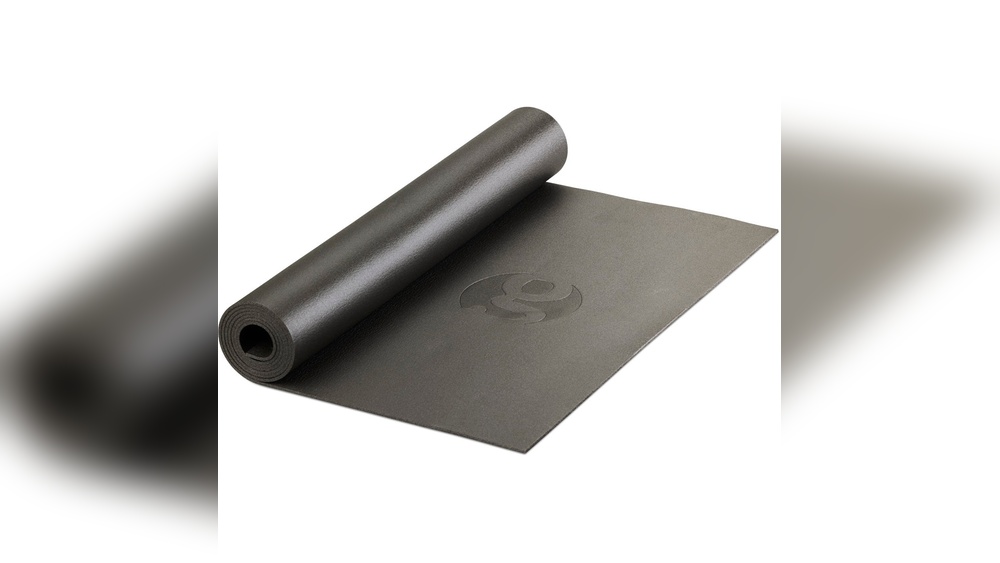
Yoga mats usually use PVC, rubber, or TPE. PVC mats are affordable and offer good grip. Rubber mats are eco-friendly and provide strong traction. TPE mats are lightweight and easy to clean. The surface texture helps prevent slipping during poses.
Sleeping Pad Materials
Sleeping pads often use foam or air chambers. Closed-cell foam is durable, lightweight, and insulates well. Inflatable pads use air for cushioning and pack small. Some pads combine foam and air for extra comfort. The outer fabric is usually tough and water-resistant.
Build Differences
Yoga mats are thin, usually 3 to 6 mm thick. This thickness supports balance and movement. Sleeping pads range from 1 to 3 inches thick. They need extra padding to protect from hard ground. Yoga mats are flat and flexible. Sleeping pads may have ridges or patterns for comfort and insulation.
Comfort Levels
Comfort levels vary greatly between yoga mats and sleeping pads. Each product serves a different purpose, affecting how soft or firm they feel. Understanding these differences helps you choose the right one for your needs.
Comfort Of Yoga Mats
Yoga mats provide a smooth, slightly cushioned surface. They support your joints during poses. Most mats have a thin layer of padding. This helps with balance and grip. They are firm enough to keep you stable. But not very thick for deep cushioning.
Comfort Of Sleeping Pads
Sleeping pads are designed for rest and sleep. They offer thicker padding than yoga mats. This padding protects your body from hard ground. Sleeping pads often have foam or air-filled layers. They feel soft and insulating. Perfect for camping or resting outdoors.
Choosing Comfort Based On Activity
Yoga mats focus on support and grip, not softness. Sleeping pads focus on cushioning and warmth. For exercise, a firm, grippy surface is best. For sleeping, a soft, padded surface helps rest. Pick the product that matches your comfort needs.
Portability And Weight
Portability and weight are key factors when choosing between a yoga mat and a sleeping pad. Both serve different purposes but need to be easy to carry. Carrying heavy or bulky gear can slow you down and cause discomfort. Lightweight and compact gear makes travel and outdoor use easier.
Portability Of Yoga Mats
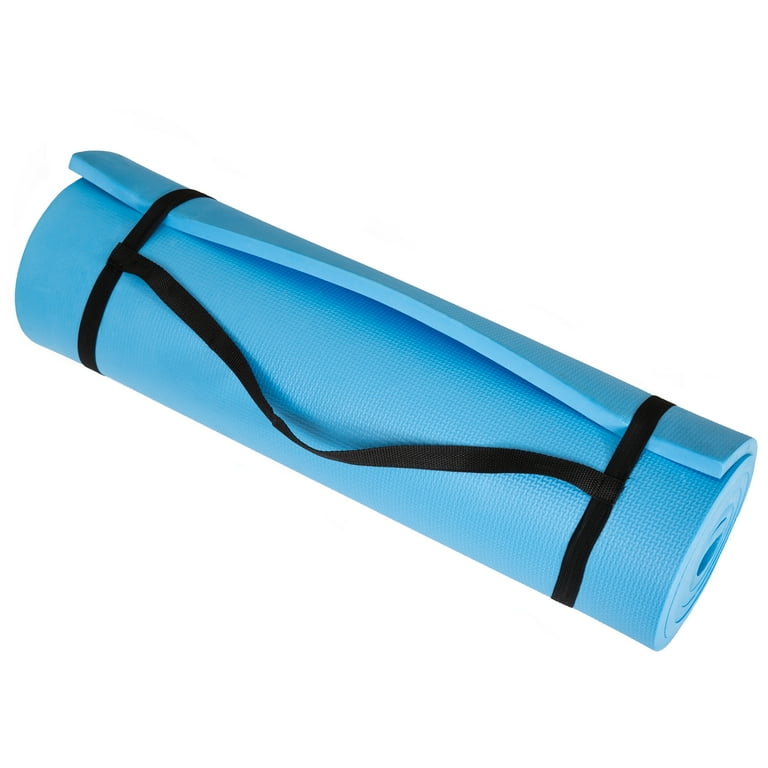
Yoga mats are usually thin and flexible. Most roll up tightly and fit in a small bag. This makes them easy to carry to the gym or park. Some mats have straps or handles for easy transport. However, thicker mats can be bulkier and heavier.
Portability Of Sleeping Pads
Sleeping pads are designed for camping and outdoor use. They often inflate or fold to become compact. Inflatable pads pack small and are very light. Foam pads can be thicker but still easy to carry. Sleeping pads focus more on comfort than being ultra-light.
Weight Comparison
Yoga mats tend to weigh between 2 to 5 pounds. Lightweight mats are closer to 2 pounds. Sleeping pads vary widely, from under 1 pound for inflatable types to over 3 pounds for foam. Inflatable sleeping pads usually weigh less than yoga mats. Foam pads are generally heavier but offer more cushioning.
Durability And Longevity
Durability and longevity are key factors for both yoga mats and sleeping pads. These items face different types of use, so their lifespan varies. Choosing the right one depends on how long it will last under regular conditions.
Durability Of Yoga Mats
Yoga mats are made to handle repeated movements and pressure. Most mats use materials like PVC, rubber, or TPE. These materials resist tearing and wear during exercises. High-quality mats keep their texture and cushioning after many sessions. Thin mats may wear out faster, especially with heavy use. Cleaning methods also affect their durability. Gentle cleaning extends the life of a yoga mat.
Durability Of Sleeping Pads
Sleeping pads face rougher conditions outdoors. They must resist punctures from rocks and sticks. Many pads use tough fabrics and special coatings. Inflatable pads have reinforced air chambers to prevent leaks. Foam pads are more resistant to damage but less compact. The durability depends on material thickness and build quality. Proper care, like avoiding sharp objects, helps pads last longer.
Longevity Comparison Between Yoga Mats And Sleeping Pads
Yoga mats last longer indoors with regular care. They can stay usable for years with proper use. Sleeping pads may wear out faster outdoors. Exposure to sun, dirt, and rough terrain reduces lifespan. Foam pads tend to last longer than inflatable ones. Usage frequency also affects how long each lasts. Choosing the right product for your activity increases longevity.
Insulation And Warmth
Insulation and warmth are key factors when choosing between a yoga mat and a sleeping pad. Both provide cushioning, but their ability to keep you warm varies greatly. Understanding this difference helps you pick the right gear for your needs.
Yoga Mat Insulation
Yoga mats offer minimal insulation. They are mainly designed for comfort during exercise. Thin foam layers do not block cold from the ground well. Using a yoga mat outdoors in cool weather can leave you feeling cold. It does not trap body heat efficiently.
Sleeping Pad Warmth
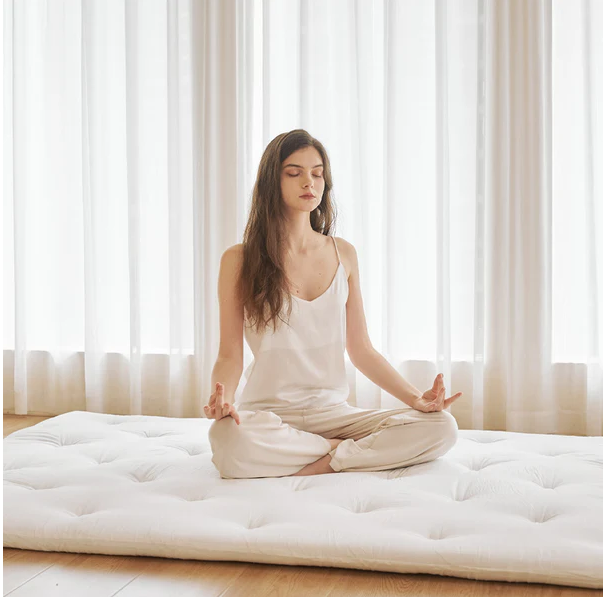
Sleeping pads provide much better insulation. Many have special materials to block cold air. They keep your body heat close to your skin. Sleeping pads are made for outdoor use and cold conditions. They help you stay warm during camping or hiking trips.
Choosing For Cold Conditions
For cold nights, a sleeping pad is the better choice. It prevents heat loss to the ground. Yoga mats do not offer enough protection from cold surfaces. Investing in a quality sleeping pad improves your warmth and comfort outdoors.
Credit: zonlihome.com
Versatility In Use
Choosing between a yoga mat and a sleeping pad depends on how you plan to use it. Both items serve different main purposes but can be versatile in daily life. Understanding their uses helps you pick the right one for your needs.
Yoga Mat For Exercise And More
A yoga mat is designed mainly for workouts like yoga and Pilates. It offers a non-slip surface and light cushioning. This makes it good for floor exercises and stretches.
Besides exercise, yoga mats can work as a soft layer for sitting outdoors. Some people use them for simple picnics or as a clean spot at the beach. They fold easily and are light to carry.
Sleeping Pad For Comfort And Protection
A sleeping pad is made for camping and outdoor sleeping. It gives strong support and insulation from the cold ground. This keeps you warm and comfortable at night.
Sleeping pads are thicker and more padded than yoga mats. They also protect against rocks and uneven surfaces. Many use them for resting during hiking breaks or as extra cushioning at home.
Comparing Portability And Storage
Yoga mats are usually thinner and roll up smaller. This makes them easy to carry in a gym bag or backpack. They take less space and weigh less.
Sleeping pads can be bulkier and heavier. Some models compress well for travel. Still, they often need more room in your pack. Choose based on how much gear you want to carry.
Price And Value
Price and value are key when choosing between a yoga mat and a sleeping pad. Both have different uses, so their costs reflect that. Understanding their price helps you decide which suits your needs best. Value depends on how well the item serves your purpose and lasts over time.
Price Range Comparison
Yoga mats usually cost less than sleeping pads. Basic yoga mats start around $15 to $30. Higher-end mats can reach $60 or more. Sleeping pads often start at $40 and go up to $150. The price rises with extra features like insulation or thickness.
Yoga mats are made for smooth indoor surfaces. They wear out faster when used outdoors. Sleeping pads are built tougher for rough ground. They last longer under outdoor conditions. Spending more on a sleeping pad can mean better value in the long run.
Functionality And Comfort
Yoga mats provide enough cushion for exercises on flat floors. They are thin and lightweight. Sleeping pads offer thicker padding for sleeping comfort. They also protect from cold and hard surfaces. This extra comfort adds value for camping or hiking.
Cost-effectiveness Based On Use
Choose a yoga mat for indoor workouts and stretching. It is affordable and fits the purpose. Pick a sleeping pad for outdoor adventures or long rests. It costs more but offers better support and warmth. Match your choice to your main activity for best value.
Credit: www.walmart.com
Maintenance And Cleaning
Maintaining and cleaning yoga mats and sleeping pads keep them fresh and long-lasting. Dirt, sweat, and moisture build up over time. This can cause bad smells and damage the material. Proper care makes sure your gear stays clean and ready for use.
Cleaning A Yoga Mat
Yoga mats collect sweat and dust during practice. Wiping the mat with a damp cloth after each use helps. Use mild soap mixed with water for a deeper clean. Avoid harsh chemicals that can ruin the mat’s surface. Let it air dry completely before rolling it up.
Cleaning A Sleeping Pad
Sleeping pads get dirt and moisture from the ground. Brush off loose dirt before cleaning. Use a sponge with mild soap and water to wipe the surface. Rinse with clean water to remove soap. Dry the pad fully to prevent mold and mildew growth.
Storage Tips For Both
Store yoga mats and sleeping pads in dry, cool places. Avoid folding yoga mats to prevent creases. Roll them loosely instead. Keep sleeping pads flat or rolled gently. Proper storage stops damage and keeps the gear in good shape.
Best Choices For Different Activities
Choosing the right mat depends on your activity. Yoga mats and sleeping pads serve different purposes. Each offers unique benefits for comfort and support.
Knowing which mat fits your needs helps improve your experience. Whether exercising or resting outdoors, the right choice matters.
Yoga Mat For Exercise And Stretching
Yoga mats provide a firm, non-slip surface. They help maintain balance during poses. Thin padding supports your joints without losing stability. These mats are easy to carry to classes or home workouts. They work well on hard floors for better grip.
Sleeping Pad For Camping And Outdoor Rest
Sleeping pads offer thick cushioning and insulation. They protect you from cold, hard ground. These pads are lightweight and compact for travel. Ideal for camping, hiking, or outdoor naps. They keep you warm and comfortable all night.
Choosing Based On Activity Needs
Yoga mats suit indoor fitness and gentle stretching. Sleeping pads fit outdoor use and sleeping comfort. Consider weight, thickness, and material for your activity. Select a mat that matches your lifestyle and environment.
FAQ: Yoga Mat Vs Sleeping Pad
What Is The Main Difference Between Yoga Mats And Sleeping Pads?
Yoga mats are thin and firm for exercise support. Sleeping pads are thicker and softer for camping comfort.
Can I Use A Yoga Mat For Sleeping Outdoors?
Yoga mats offer little padding and insulation. They are not ideal for outdoor sleeping comfort.
Are Sleeping Pads Suitable For Yoga Practice?
Sleeping pads are bulky and less stable. They do not provide the firm surface needed for yoga.
Which Is Better For Travel: Yoga Mat Or Sleeping Pad?
Sleeping pads are bulkier but provide comfort. Yoga mats are lighter and easier to carry.
How Do Yoga Mats And Sleeping Pads Differ In Material?
Yoga mats use dense foam or rubber for grip. Sleeping pads use air, foam, or self-inflating materials for cushioning.
Conclusion
Choosing between a yoga mat and a sleeping pad depends on your needs. Yoga mats offer comfort for exercise and indoor use. Sleeping pads provide extra cushioning and warmth outdoors. Both serve different purposes but share portability. Consider where you will use it most often.
Think about thickness, weight, and material for your comfort. This helps you pick the best option easily. Remember, the right choice makes your activity more enjoyable. Keep these points in mind to decide wisely.