
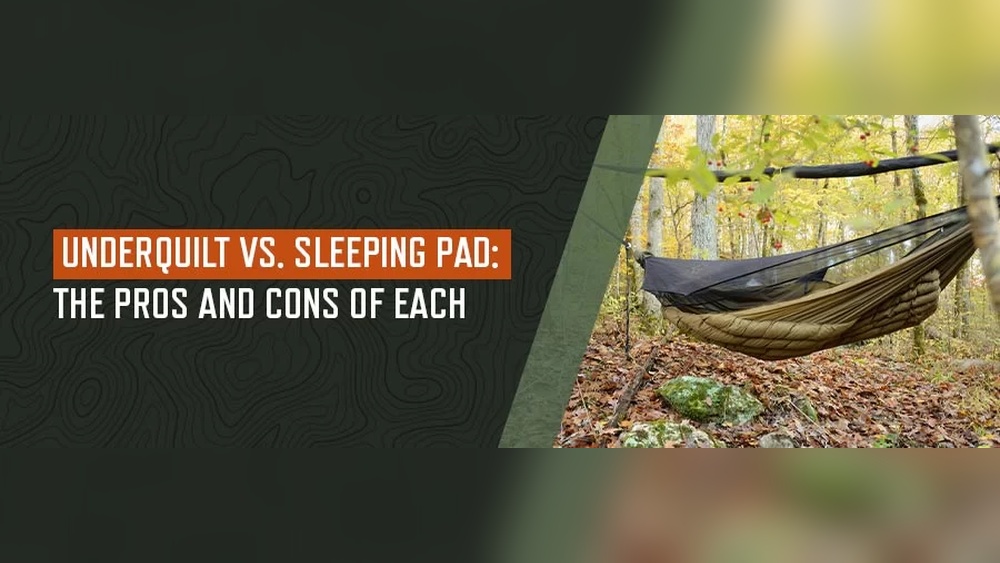
When it comes to staying warm and comfortable on your next camping trip, choosing the right insulation beneath your hammock or sleeping bag can make all the difference. You might be wondering: should you go with an underquilt or a sleeping pad?
Both have their benefits, but understanding how each works and what suits your style can save you from a cold, restless night. You’ll discover the key differences, pros, and cons of underquilts and sleeping pads—helping you make the best choice for your outdoor adventures.
Ready to sleep warmer and feel cozier? Let’s dive in.
Table of Contents
Campers’ Sleep Gear Basics
Good sleep gear is key for a great camping trip. It helps keep you warm and comfortable at night. Choosing the right gear depends on your needs and the weather.
Two popular options for insulation under your hammock are underquilts and sleeping pads. Both help protect you from cold air under the hammock. Each has its own strengths and weaknesses.
What Is An Underquilt?
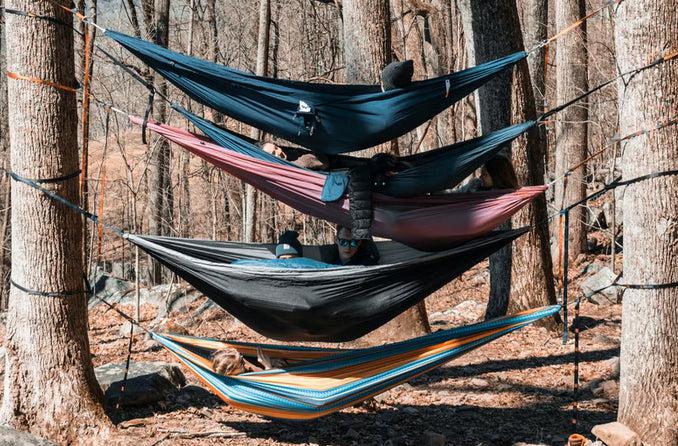
An underquilt is a special blanket that hangs under your hammock. It fills the space below you to stop cold air from coming in. It is made from warm, lightweight materials like down or synthetic fibers.
Underquilts do not press against your body. This keeps the insulation fluffy and warm. They are easy to attach and adjust under the hammock.
What Is A Sleeping Pad?
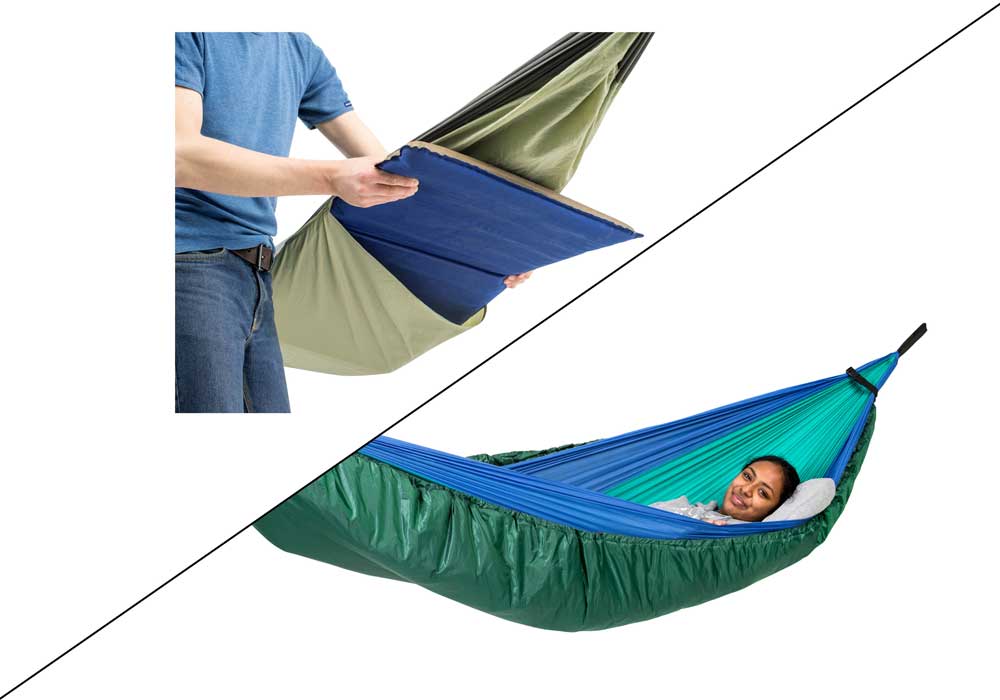
A sleeping pad is a flat cushion that you lie on inside your hammock. It adds a layer of insulation between you and the hammock fabric. Pads can be foam or inflatable.
Sleeping pads are simple and often cheaper than underquilts. They are versatile and can be used on the ground too. Some pads can be bulky to carry.
Key Differences To Know
Underquilts hang outside the hammock; sleeping pads go inside. Underquilts keep insulation fluffy, while pads get compressed. Pads are usually heavier and take more space.
Underquilts provide better warmth but cost more. Pads are easier to find and use but may not be as warm in cold weather.

Credit: www.youtube.com
How Underquilts Work
Understanding how underquilts work helps you choose the best insulation for camping. An underquilt is designed to hang under a hammock. It traps warm air close to your body. This prevents cold air from cooling you down.
Unlike sleeping pads, underquilts do not compress under weight. They keep loft and insulation even when you lie on them. This makes them efficient at keeping warmth in cold weather.
How Underquilts Attach To Hammocks
Underquilts use straps or cords to secure under the hammock. This creates a snug fit that blocks wind. The quilt wraps around the bottom and sides of the hammock. It stops heat from escaping through gaps.
Insulation And Warmth
Underquilts contain down or synthetic fill for insulation. The loft of this fill traps body heat. This layer of warm air acts like a blanket under you. It keeps the cold ground air from chilling your back.
Airflow And Temperature Control
Underquilts allow some airflow to avoid overheating. They balance warmth with breathability. This prevents moisture buildup and keeps you dry. Dry insulation works better and keeps you warmer longer.
Sleeping Pads Explained
Sleeping pads provide comfort and insulation for outdoor sleepers. They create a barrier between your body and the cold ground. This helps keep you warm and improves sleep quality during camping or backpacking trips.
There are many types of sleeping pads. Each type offers different levels of comfort, weight, and insulation. Understanding these options helps you pick the right pad for your needs.
What Is A Sleeping Pad?
A sleeping pad is a lightweight mattress for outdoor use. It cushions your body and prevents heat loss to the ground. Most pads are compact and easy to carry in a backpack.
Types Of Sleeping Pads
Sleeping pads come in three main types: foam, air, and self-inflating. Foam pads are simple and durable but less comfortable. Air pads inflate for better cushioning but can be fragile. Self-inflating pads combine foam and air for balance.
How Sleeping Pads Keep You Warm
Sleeping pads stop heat from escaping into the cold ground. They use insulation materials or air pockets to trap warmth. The effectiveness depends on the pad’s thickness and insulation rating.
Choosing The Right Sleeping Pad
Consider weight, comfort, and warmth when selecting a pad. Lightweight pads suit backpackers. Thicker pads offer more comfort for car camping. Check the R-value for insulation strength suitable for your climate.
Credit: www.simplyhammocks.co.uk
Insulation And Warmth Comparison
Insulation and warmth are key factors for a good night’s sleep outdoors. Choosing between an underquilt and a sleeping pad affects how warm you stay. Both options provide insulation but work differently. Understanding their differences helps you pick the best for your needs.
How Underquilts Provide Insulation
Underquilts hang beneath your hammock to block cold air. They trap warm air close to your body. This prevents heat loss from below. The insulation material inside underquilts keeps you warm. They are especially good for cold weather camping.
Sleeping Pads And Their Warmth
Sleeping pads sit under you, directly on the ground or inside a hammock. They create a barrier between you and cold surfaces. Sleeping pads have foam or air chambers that reduce heat loss. They work well on flat ground and in warmer weather.
Comparing Warmth Efficiency
Underquilts often offer better warmth in hammocks. They avoid compression of insulation that happens with pads. Sleeping pads can lose warmth if compressed under weight. Underquilts maintain loft and trap more heat. For very cold nights, underquilts usually perform better.
Comfort And Support Factors
Comfort and support are key for a good night’s sleep outdoors. Choosing the right gear can affect your rest and warmth. Underquilts and sleeping pads offer different experiences. Each has unique benefits and challenges in comfort and support.
Understanding these factors helps you pick the best option. Focus on how each feels and supports your body on the ground or in a hammock.
Comfort Level Of Underquilts
Underquilts hang beneath hammocks, adding soft insulation. They contour to your body, reducing pressure points. The suspended design avoids hard surfaces, increasing comfort. Lightweight and flexible, they move with you during sleep. This creates a cozy, snug feeling that many campers like.
Comfort Level Of Sleeping Pads
Sleeping pads lie directly under your body on the ground. They provide a firm surface that can feel hard or soft. Thicker pads offer more cushion but add weight. Some pads may not adjust to body curves well. This can cause discomfort if the ground is uneven.
Support Provided By Underquilts
Underquilts support warmth more than weight. They do not hold your body up but block cold air underneath. This helps keep your back warm without extra bulk. Support depends on insulation and how well the underquilt fits your hammock. A well-fitted underquilt prevents drafts and cold spots.
Support Provided By Sleeping Pads
Sleeping pads directly support your body weight. They cushion and protect from rocks and hard ground. Pads vary in firmness and thickness to match different needs. A good pad reduces pressure on hips and shoulders. This support helps prevent aches and improves sleep quality.
Portability And Weight Considerations
Portability and weight play a big role in choosing between an underquilt and a sleeping pad. Backpackers want gear that is light and easy to carry. Heavy or bulky items can slow you down and make the trip harder. Knowing the differences helps you pick the best option for your needs.
Underquilt Weight And Pack Size
Underquilts are usually lighter than sleeping pads. They are made with down or synthetic insulation. This makes them compress small for packing. You can stuff an underquilt into a tight stuff sack. It fits easily on your backpack without taking much space.
Because underquilts hang under your hammock, they do not need extra straps or mats. This reduces the gear you carry. The lighter weight helps on long hikes and multi-day trips.
Sleeping Pad Weight And Bulk
Sleeping pads tend to be heavier and bulkier. Foam pads add weight but do not compress well. Inflatable pads pack smaller but need careful handling. They can leak or puncture.
Sleeping pads often take up more room in your pack. This can limit space for other essentials. Carrying a sleeping pad may feel heavier over time, especially on long journeys.
Choosing For Travel And Hiking
Choose an underquilt if weight and space matter most. It suits hammock campers who want light gear. An underquilt packs down very small and weighs less.
Pick a sleeping pad if you camp on the ground or want more support. Pads can be heavier but provide firm cushioning. Think about your trip length and mode of travel before deciding.
Durability And Maintenance
Durability and maintenance are key factors for outdoor gear. Both underquilts and sleeping pads must withstand rough use and last long. Proper care helps keep them effective and safe for many trips.
Durability Of Underquilts
Underquilts often use strong, water-resistant fabrics. These fabrics resist tears and wear from branches and rocks. The insulation inside also holds up well over time. Stitching and attachment points need to be solid. This ensures the quilt stays secure under your hammock.
Durability Of Sleeping Pads
Sleeping pads vary in material quality. Inflatable pads can puncture or leak if not handled carefully. Foam pads are less likely to get damaged but can compress over time. Pads with tough outer layers last longer on rough ground. Durability depends on how and where you use the pad.
Maintenance Of Underquilts
Underquilts require gentle washing to keep insulation loft. Avoid harsh detergents and machine drying. Air dry in shade to prevent fabric damage. Check for loose stitches or worn straps before trips. Repair small tears quickly to avoid bigger problems.
Maintenance Of Sleeping Pads
Cleaning sleeping pads is simple but important. Wipe them down with mild soap and water. Let inflatable pads dry fully before packing. Store pads in a cool, dry place to avoid mold. Inspect for leaks or holes regularly. Patch kits help fix inflatable pads on the trail.
Credit: www.amazonas-ultra-light.com
Price And Value Analysis
Choosing between an underquilt and a sleeping pad often depends on price and value. Both gear types serve the same goal: keeping you warm while sleeping outdoors. Yet, they differ in cost, durability, and comfort. Understanding these differences helps you pick the best option for your budget and needs.
Cost Comparison
Sleeping pads usually cost less than underquilts. You can find good sleeping pads at lower prices. Underquilts tend to be more expensive due to specialized materials and design. Their price reflects the extra insulation and lightweight fabric used. Budget travelers might prefer sleeping pads for affordability.
Durability And Longevity
Underquilts often last longer than sleeping pads. They use tougher, weather-resistant fabrics. Sleeping pads can wear out faster, especially inflatable types. Punctures and leaks reduce their lifespan. Spending more on an underquilt may save money over time.
Comfort And Warmth Value
Underquilts provide better warmth in cold, damp conditions. They hang under your hammock, blocking cold air effectively. Sleeping pads offer decent comfort but may compress and lose insulation. For colder trips, an underquilt gives better value despite higher price.
Portability And Weight
Underquilts are lighter and pack smaller than many sleeping pads. This matters on long hikes or backpacking trips. Some sleeping pads are bulky and heavier. The extra cost of an underquilt may be worth it for easier carrying.
Choosing Gear For Different Camping Styles
Camping styles vary a lot. Each style needs different gear for comfort and safety. Choosing the right insulation under your sleeping bag is key. It affects how well you sleep and stay warm. Underquilts and sleeping pads are popular options. Knowing which fits your style helps you enjoy the outdoors more.
Think about where and how you camp. Some gear suits hammock camping. Others work best for tent camping. Your body heat and ground contact matter a lot. This guide helps you pick gear that matches your camping style.
Hammock Camping: Why Underquilts Work Best
Hammock campers need insulation that hangs below the hammock. Underquilts wrap around the hammock’s bottom. They block cold air from underneath. This keeps you warm all night long. Sleeping pads do not fit well in hammocks. They can slip and cause discomfort.
Underquilts are lightweight and easy to pack. They save space in your backpack. This makes them perfect for backpackers and minimalist campers. They also provide consistent warmth without extra bulk.
Tent Camping: Sleeping Pads Offer More Comfort
Tent campers lie on the ground. Sleeping pads create a soft, insulated barrier. They protect you from cold, hard, or wet ground. Pads come in many thicknesses and materials. You can choose based on weight and warmth needs.
Sleeping pads also add cushioning. This helps prevent aches and pains after a long day. Some pads are inflatable, making them easy to carry. Others are foam, offering durability and constant insulation.
Winter Camping: Combine Both For Maximum Warmth
Cold weather demands the best insulation possible. Using both an underquilt and a sleeping pad can help. The underquilt keeps air from chilling your hammock. The sleeping pad adds a layer between your body and the cold ground in a tent.
This combo works well for campers who switch between tents and hammocks. It offers flexibility and extra warmth. Both pieces together reduce heat loss and improve sleep quality.
FAQ: Underquilt Vs Sleeping Pad
What Is The Main Difference Between Underquilt And Sleeping Pad?
An underquilt hangs under a hammock for insulation. A sleeping pad lies beneath you on the ground or in a hammock. Both keep you warm but work differently.
Which Option Is Better For Hammock Camping Warmth?
Underquilts are designed for hammocks and block cold air well. Sleeping pads work but can slip or compress. Underquilts usually provide better warmth in hammocks.
Can Sleeping Pads Be Used With Underquilts Together?
Yes, some campers use both for extra insulation. The underquilt insulates from below, and the sleeping pad adds comfort and warmth. This combo works well in cold weather.
How Does Weight Compare Between Underquilts And Sleeping Pads?
Underquilts tend to be lighter since they use less material. Sleeping pads can be heavier, especially inflatable or thick foam types. Weight matters for long hikes and backpacking.
Are Underquilts Harder To Set Up Than Sleeping Pads?
Underquilts need straps and proper hanging under a hammock. Sleeping pads are simpler and just lie flat. Setup depends on your camping style and experience.
Conclusion
Choosing between an underquilt and a sleeping pad depends on your needs. Underquilts work best for hammock camping and keep you warm below. Sleeping pads suit ground camping and provide firm insulation. Both help you sleep comfortably outdoors. Think about your sleeping style, weather, and gear.
Picking the right option makes your trip more enjoyable and cozy. Stay warm and rest well on every adventure.