
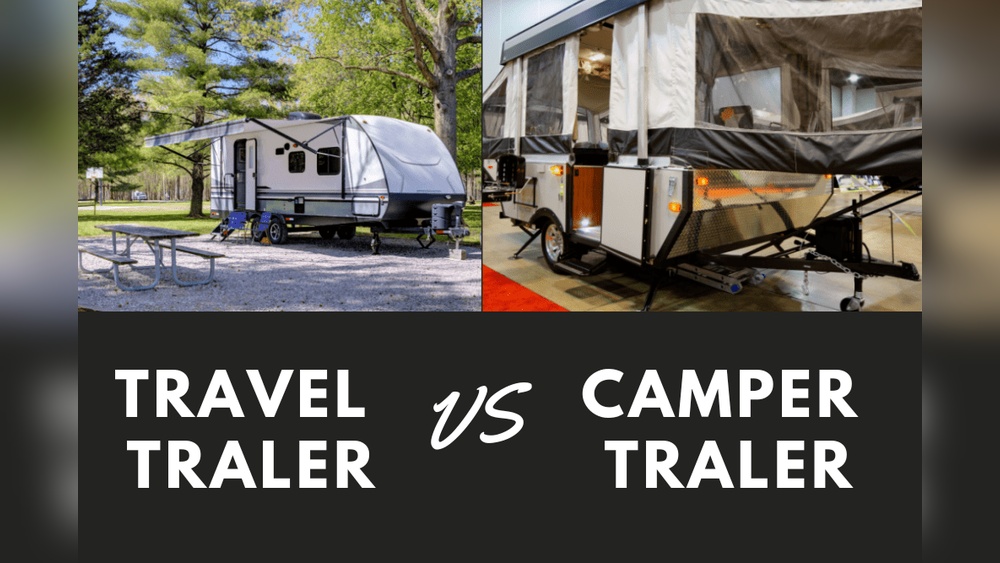
Are you trying to decide between a tent trailer and a travel trailer for your next adventure? Choosing the right trailer can make a huge difference in how comfortable and enjoyable your trips will be.
You want something that fits your style, your budget, and your travel needs. This guide will help you see the real differences, benefits, and drawbacks of each option. By the end, you’ll feel confident about which trailer suits you best—and ready to hit the road with excitement.
Keep reading to find out which trailer matches your perfect getaway plan!
Table of Contents
Tent Trailer Basics
Tent trailers offer a unique camping experience. They combine the comfort of a trailer with the feel of sleeping in a tent. These trailers fold down for easy towing and storage. They provide a lightweight option for people who want to camp with more convenience than a traditional tent.
Understanding the basics of tent trailers helps in making a clear choice. This section covers the key features and setup process.
Key Features
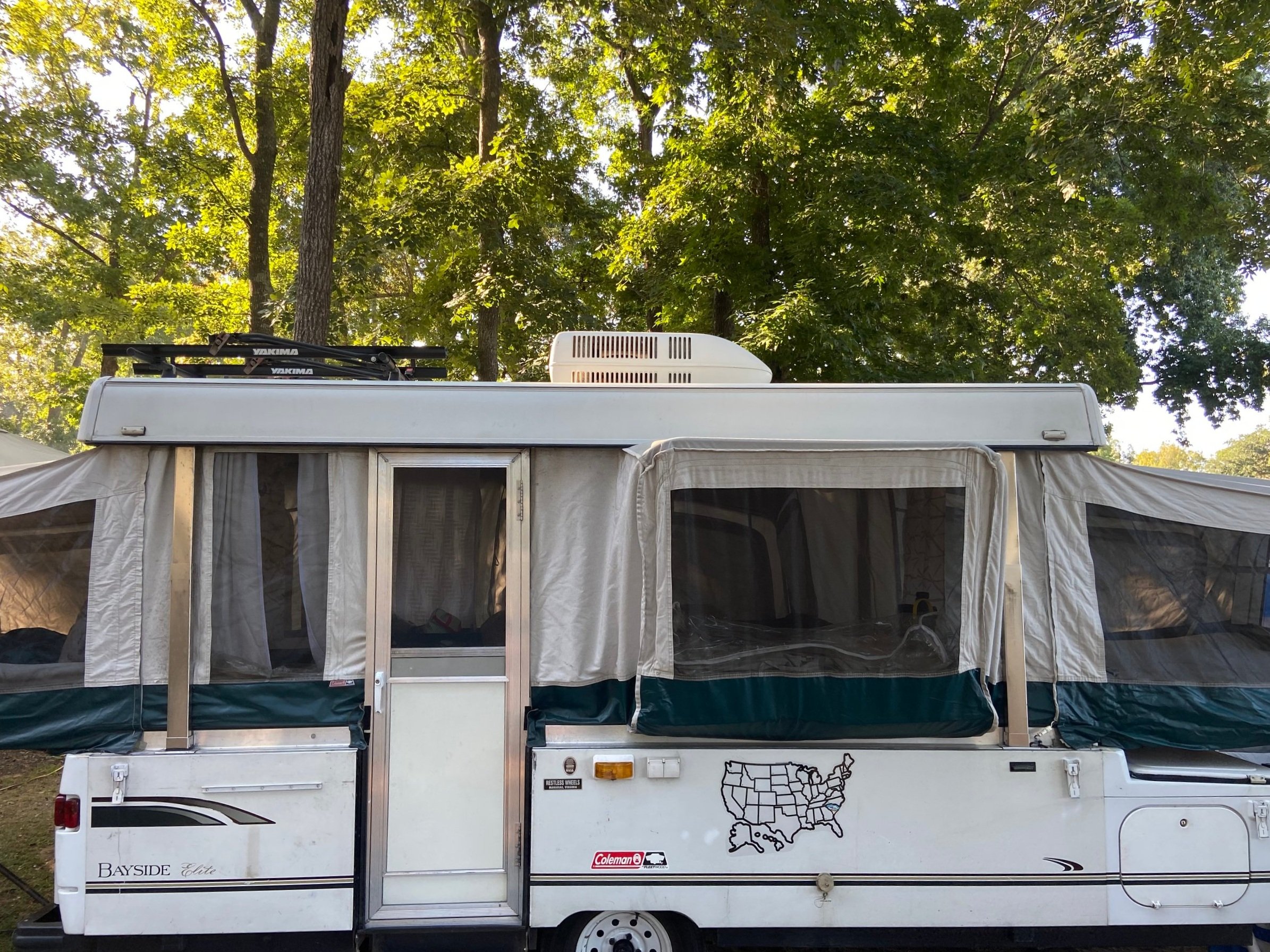
Tent trailers have a hard base and fold-out tent walls. They usually include a small kitchen area and sleeping space. The canvas sides provide ventilation and protection from bugs. These trailers are lighter than travel trailers, making them easier to tow with smaller vehicles. Many models have built-in storage compartments. They often come with basic furniture like beds and tables.
Setup Process
Setting up a tent trailer is simple and quick. First, park the trailer and engage the brakes. Then, unlock and lift the roof to unfold the tent walls. Pull out the bed platforms from each side. Secure the tent fabric with clips or straps. Connect any support poles for stability. Finally, set up the awning or screen room if included. The entire setup usually takes under 15 minutes.
Travel Trailer Essentials
Travel trailers offer a comfortable and flexible way to enjoy the outdoors. They come with many features that make camping easier and more enjoyable. Knowing the essentials helps you pick the right trailer for your trips.
Travel trailers vary in size and style but share common basics. These basics affect how you use and maintain the trailer. Understanding these points helps you get the most out of your travel trailer experience.
Core Characteristics
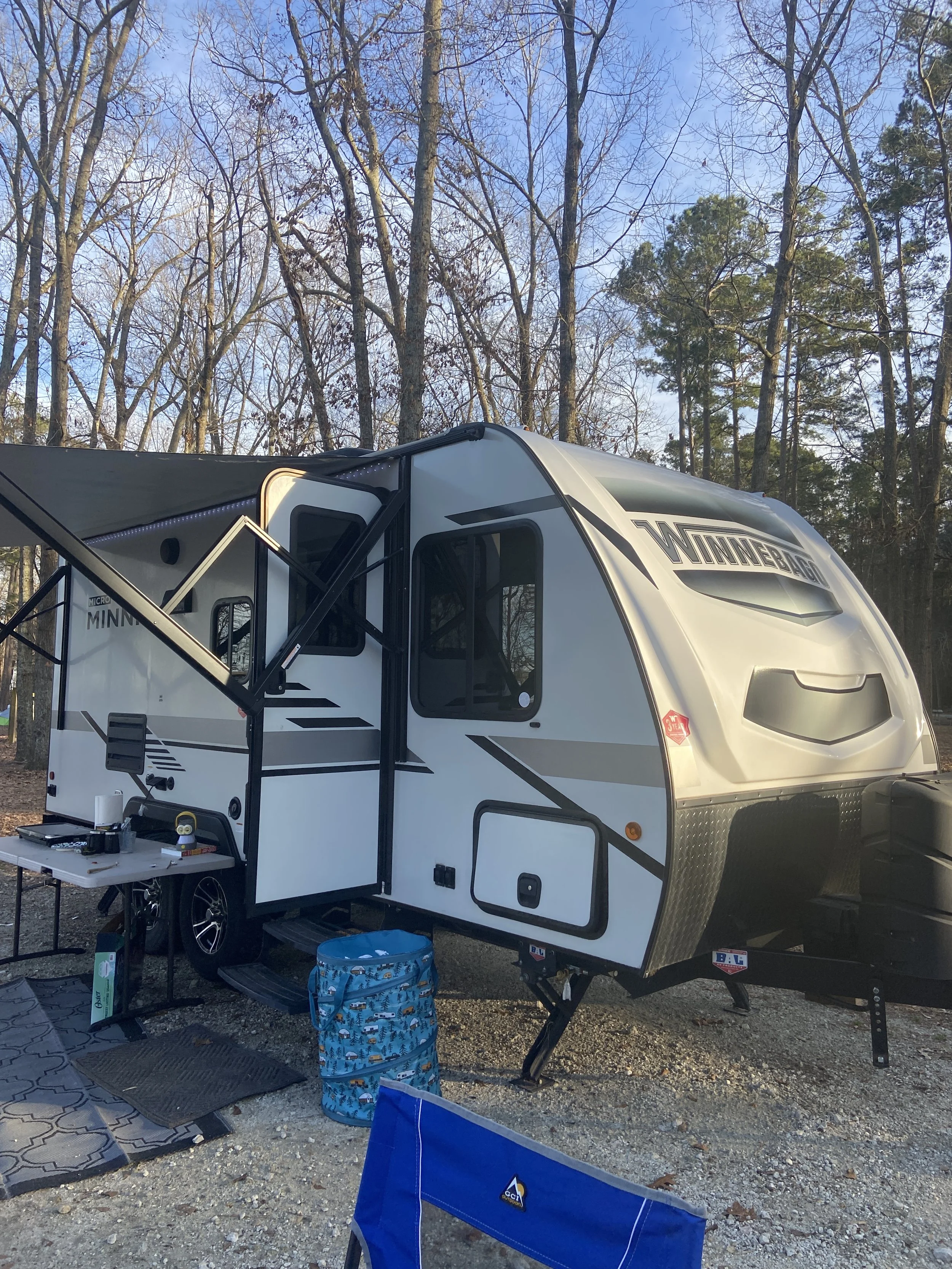
Travel trailers are towable homes on wheels. They connect to a vehicle via a hitch. Sizes range from small to large. Inside, you find beds, a kitchen, and a bathroom. Many trailers have slide-outs for extra space. Most come with electricity and water hookups. They offer protection from weather and bugs. Storage space is built in for gear and supplies. The trailer’s weight affects which vehicle can tow it. Lightweight models suit smaller vehicles. Heavier ones need trucks or SUVs.
Setup And Use
Setting up a travel trailer is quick and easy. Park on level ground and secure the wheels. Connect water, electricity, and sewage if available. Unload outdoor gear and set up chairs or awnings. Inside, prepare the kitchen and sleeping areas. Use stabilizers to keep the trailer steady. Disconnect and pack up in reverse order. Practice helps speed up the setup and breakdown. Travel trailers allow you to camp comfortably anywhere. They bring many home comforts to your outdoor trips.
Size And Weight Differences
Size and weight are key factors when choosing between a tent trailer and a travel trailer. These differences affect towing, storage, and overall ease of use. Understanding these aspects helps you pick the right option for your travel style.
Size Of Tent Trailers
Tent trailers are compact and lightweight. They fold down into a small package for towing. When set up, they offer a cozy living space. Their smaller size makes them easy to park and store.
Size Of Travel Trailers
Travel trailers are larger and more spacious. They provide full walls and ceilings, like a small home. Their size allows for more amenities and comfort. Parking and storage require more space due to their bigger size.
Weight Differences Between Tent And Travel Trailers
Tent trailers weigh much less than travel trailers. This lighter weight means less strain on your vehicle. They often require smaller towing vehicles, saving fuel. Travel trailers are heavier and need stronger tow vehicles. Their weight can affect driving and fuel consumption more.

Comfort And Living Space
Comfort and living space are key factors for a good camping trip. Both tent trailers and travel trailers offer different experiences. Knowing their differences helps you pick the right one for your needs.
Space affects how you relax, sleep, and store your things. Comfort depends on layout, materials, and design. Let’s explore how each trailer handles these important aspects.
Space And Layout
Tent trailers usually have fold-out sections with canvas walls. This design gives you fresh air and a connection to nature. Inside, the space feels open but can be small for large groups.
Travel trailers have solid walls and a fixed shape. They often provide more floor space and separate rooms. This setup suits families or groups who want privacy and room to move.
Sleeping Arrangements
Tent trailers use fold-out beds in their canvas sections. These beds are cozy but close to the outdoors. You may feel the weather more directly here.
Travel trailers have built-in beds or bunk beds. They offer more protection from noise and weather. This setup feels more like a small home.
Indoor Comfort
Tent trailers have less insulation because of their canvas sides. This can affect temperature and noise inside. Ventilation is good, but cold or heat may seep in.
Travel trailers have solid walls with better insulation. They keep inside temperatures steady and block outside sounds. You get a quieter and cozier environment to relax.
Towing And Maneuverability
Towing and maneuverability play a big role in choosing between a tent trailer and a travel trailer. How easy it is to tow affects your trip’s comfort and safety. Maneuverability matters when parking and driving on tight roads. Both types have unique features that impact towing and handling.
Towing Weight And Vehicle Requirements
Tent trailers are usually lighter than travel trailers. They put less strain on your vehicle. Smaller cars or SUVs can tow them without trouble. Travel trailers weigh more. They need stronger vehicles, like trucks or large SUVs. You must check your vehicle’s towing capacity before buying.
Ease Of Driving And Handling
Tent trailers are smaller and easier to drive. They take up less space on the road. Travel trailers are bigger and harder to handle. They need more space to turn and park. Driving a travel trailer requires more skill and attention.
Maneuvering In Tight Spaces
Tent trailers fold into compact shapes. They fit better in tight campgrounds and parking spots. Travel trailers need more room to maneuver. They can be tricky on narrow roads and sharp corners. Choosing a smaller trailer helps in crowded areas.
Durability And Maintenance
Durability and maintenance are key factors when choosing between a tent trailer and a travel trailer. Both types require care but differ in how they hold up over time and the work needed to keep them in good shape. Understanding these differences helps you pick the best option for your camping style and budget.
Durability Of Tent Trailers
Tent trailers have soft sides made of fabric. This fabric can wear out faster than hard walls. They can tear or get damaged by strong winds or sharp objects. The frame is usually lightweight, which means it can bend or break if handled roughly. Tent trailers are best for mild weather and gentle use.
Durability Of Travel Trailers
Travel trailers have hard, solid walls made from metal or fiberglass. These materials protect better against weather and accidents. They last longer and need fewer repairs. Travel trailers handle rough roads and bad weather well. Their strong build makes them a good choice for frequent camping and long trips.
Maintenance Of Tent Trailers
Tent trailers require regular checks of fabric and seams. You must clean and dry the fabric after use to prevent mold. The canvas needs waterproofing treatments often. Frame bolts and joints need tightening to avoid damage. Maintenance is more frequent but usually simple and low cost.
Maintenance Of Travel Trailers
Travel trailers need occasional checks of the roof and seals. Cracks or leaks can cause water damage if not fixed quickly. Tires, brakes, and electrical systems require regular inspections. Cleaning the exterior keeps the trailer looking new. Maintenance can be more complex and costly but keeps the trailer safe and reliable.
Cost Comparison
Choosing between a tent trailer and a travel trailer often comes down to cost. Both have different price points that affect your budget. Understanding these costs helps you pick the right option.
Costs include the purchase price, maintenance, and additional gear. Let’s break down each to see the differences.
Purchase Price
Tent trailers generally cost less than travel trailers. They have simpler designs and fewer materials. This makes them easier on your wallet upfront.
Travel trailers are built with more features and solid walls. This increases their price. Expect to pay more for comfort and durability.
Maintenance Costs
Tent trailers need less maintenance because they have fewer parts. Fabric sections may need occasional repair or replacement.
Travel trailers require regular upkeep. You must check plumbing, electrical systems, and tires. These repairs add to the cost over time.
Additional Gear Expenses
Tent trailers often need extra gear like a tarp, stakes, or a portable heater. These small costs add up but stay manageable.
Travel trailers usually come with built-in equipment. This reduces the need for extra purchases but raises the starting price.
Camping Experience
Camping offers a chance to enjoy nature and relax. The type of trailer you choose shapes this experience. Tent trailers and travel trailers both have unique qualities. Each one changes how you spend your time outdoors.
Tent Trailer: Close To Nature
Tent trailers open up to fresh air and sounds. Their canvas sides let you hear birds and rustling leaves. This makes you feel more connected to nature. Setting up a tent trailer takes some work but feels like camping in a tent. You get the fun of outdoor living with some shelter.
Travel Trailer: Comfort And Convenience
Travel trailers offer a cozy, enclosed space. They protect you from weather and insects. Inside, you find beds, kitchen, and bathroom facilities. This setup makes camping easier for families and longer trips. You stay comfortable and have a home-like feel while outside.
Space And Privacy Differences
Tent trailers have more open space but less privacy. You share walls with the outside world. Travel trailers have solid walls that block noise and light. This gives more privacy and security. The choice depends on your camping style and group size.
Best Uses For Each Trailer
Tent trailers suit outdoor lovers who enjoy camping with fresh air and nature. Travel trailers fit families wanting more space and comfort on longer trips. Each trailer type meets different needs for adventure and convenience.
Best Uses For Tent Trailers
Tent trailers suit outdoor lovers who want simple camping. They are lightweight and easy to tow. Perfect for short trips and rough roads. Campers enjoy fresh air and nature with tent trailers. They offer quick setup and a cozy sleeping space. Great for families who want a budget-friendly option. Ideal for parks, forests, and lakeside camping.
Best Uses For Travel Trailers
Travel trailers fit those needing more comfort and space. They provide full shelter and many amenities inside. Good for long trips or cold weather camping. Families and groups enjoy kitchens, bathrooms, and beds. Best for paved roads and established campgrounds. Travel trailers offer a home-like feel on the road.
Making The Right Choice
Choosing between a tent trailer and a travel trailer can feel confusing. Both have their own benefits and limitations. Knowing what fits your needs helps make the best choice. Think about your travel style, budget, and comfort needs. This section breaks down key points to guide your decision.
Understanding Your Travel Style
Consider how often and where you travel. Tent trailers are light and easy to tow. They suit short trips and rough roads. Travel trailers offer more space and comfort. They work well for longer trips and family vacations. Match the trailer type with your usual travel plans.
Evaluating Space And Comfort
Tent trailers fold out to create sleeping areas. They offer fresh air and outdoor feel. Travel trailers have solid walls and more room inside. They protect from weather better. Think about how much space you need to relax. Comfort matters if you camp in cold or wet places.
Budget And Maintenance Costs
Tent trailers usually cost less upfront and use less fuel. They have fewer parts to maintain. Travel trailers cost more but provide more features. Maintenance can be higher due to plumbing and appliances. Choose based on how much you want to spend now and later.
Ease Of Use And Setup
Tent trailers need time to set up and pack. They require some effort but are lighter to tow. Travel trailers are quicker to set up with slide-outs and ready rooms. They need a bigger vehicle to tow. Consider your patience and towing ability when choosing.
FAQ: Tent Trailer Vs Travel Trailer
What Is The Main Difference Between Tent Trailers And Travel Trailers?
Tent trailers have fold-out canvas sides, while travel trailers have hard, solid walls.
Which Trailer Type Is Easier To Tow On Rough Roads?
Tent trailers are lighter and easier to tow on rough or narrow roads.
How Do Tent Trailers Compare To Travel Trailers In Setup Time?
Tent trailers require more time to set up due to unfolding and securing canvas.
Are Travel Trailers Better For All-season Camping Than Tent Trailers?
Travel trailers offer better insulation, making them more suitable for cold weather camping.
Which Trailer Type Offers More Storage And Living Space?
Travel trailers usually provide more storage and indoor living space than tent trailers.
Conclusion
Choosing between a tent trailer and a travel trailer depends on your needs. Tent trailers offer a closer feel to nature and are lighter to tow. Travel trailers provide more comfort and protection from weather. Think about how you like to camp and what you need most.
Both types have pros and cons that fit different lifestyles. Take your time to decide what suits your adventures best. Enjoy your travels and make the most of your camping experience.