
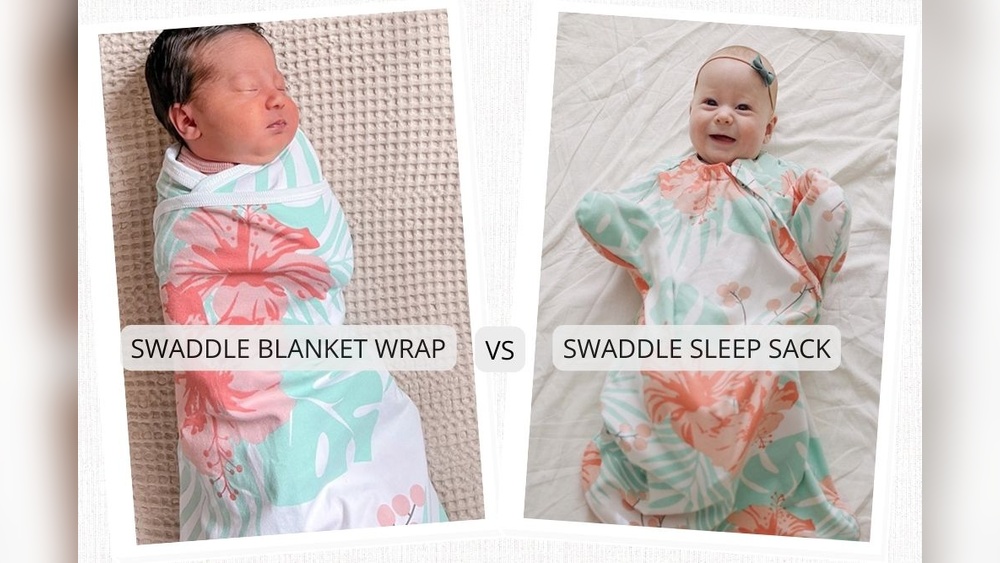
When it comes to keeping your baby cozy and safe at night, choosing between a swaddle and a sleeping bag can feel confusing. You want your little one to sleep soundly without overheating or feeling restricted.
But which option truly gives your baby comfort and security? You’ll discover the key differences between swaddles and sleeping bags, helping you make the best choice for your child’s sleep. Keep reading—your baby’s peaceful nights start here.
Table of Contents
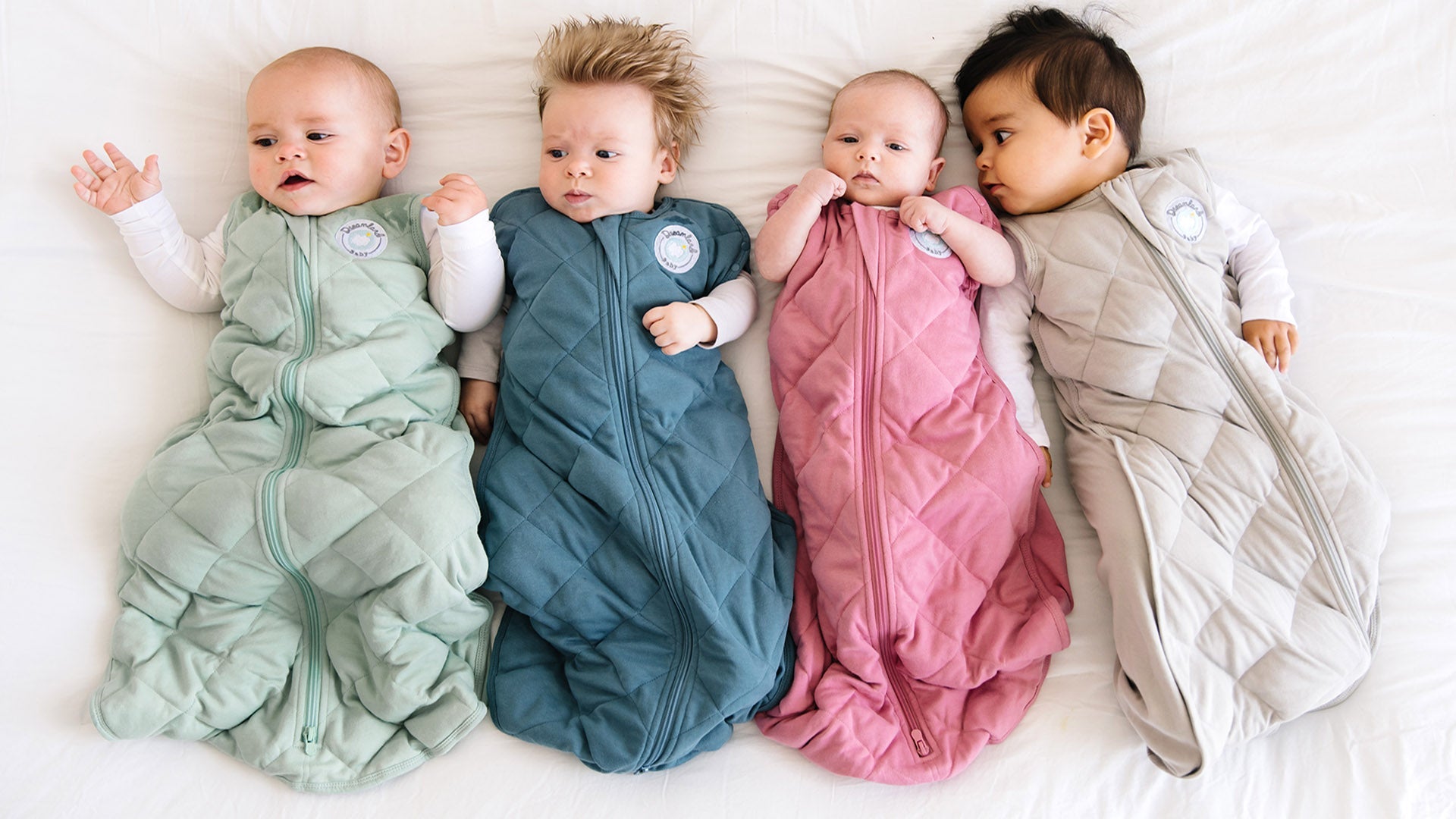
Credit: dreamlandbabyco.com
Benefits Of Swaddling
Swaddling is a traditional method used to wrap babies snugly in a blanket. It helps babies feel safe and calm. Many parents find swaddling useful for better sleep and less fussiness. The benefits of swaddling go beyond comfort and sleep. It supports the baby’s development in several ways.
Improves Sleep Quality
Swaddling keeps babies cozy and warm. This warmth mimics the womb environment. Babies sleep longer and wake less often. Swaddling stops sudden movements that might wake a baby. This leads to deeper and more peaceful sleep.
Reduces Startle Reflex
Newborns have a natural startle reflex. It causes sudden jerks that can wake them up. Swaddling holds their arms close to their body. This reduces the reflex and helps babies stay asleep. It makes babies feel secure and calm.
Soothes And Calms Babies
Swaddling can calm a fussy or crying baby. The snug feeling helps reduce anxiety. Babies feel like they are being held. This sense of security helps them relax quickly. It can reduce crying and fussiness.
Supports Safe Sleep Practices
Swaddling helps keep babies on their backs. This position lowers the risk of sudden infant death syndrome (SIDS). A well-swaddled baby is less likely to roll over. Parents feel more confident about their baby’s safety during sleep.
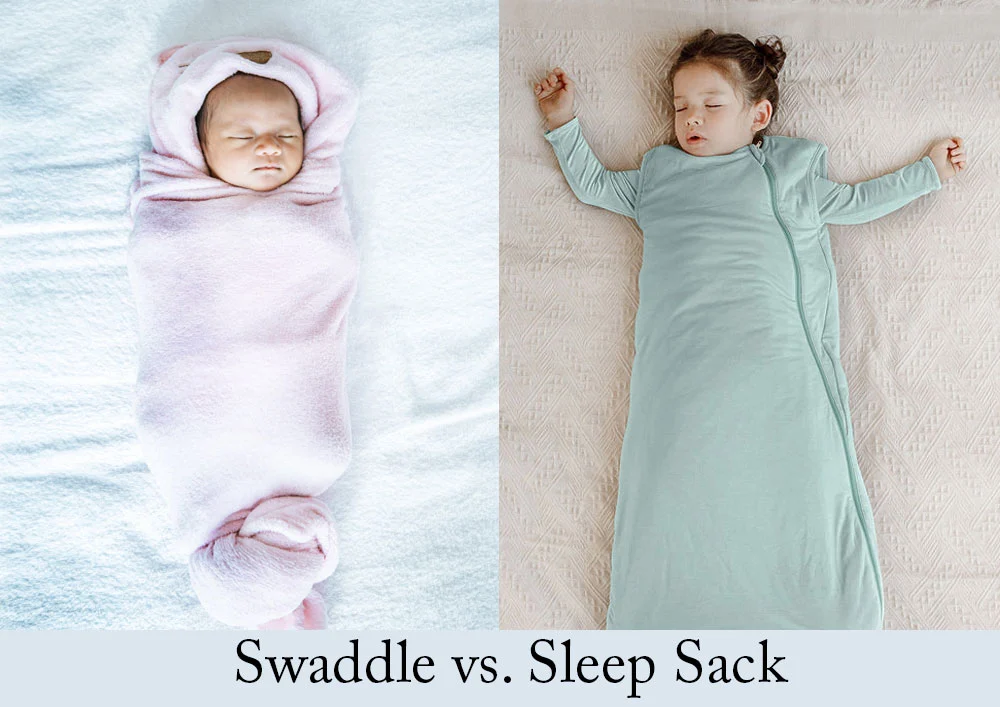
Credit: kdfoundation.org
Advantages Of Sleeping Bags
Sleeping bags offer many benefits for babies during sleep. They provide a safe and cozy environment. Parents find them easy to use and practical. Sleeping bags allow babies to move their legs freely. This freedom helps babies sleep more naturally and comfortably.
Another important advantage is the safety factor. Sleeping bags reduce the risk of loose blankets covering a baby’s face. This lowers the chance of suffocation. They keep the baby warm without overheating. The design helps maintain a steady temperature throughout the night.
Easy to Use and Change
Sleeping bags are simple to put on and take off. Many have zippers or snaps that make diaper changes quick. This saves time during night wakings. Parents do not need to unwrap and rewrap their baby.
Promotes Safe Sleep
Sleeping bags reduce the risk of sudden infant death syndrome (SIDS). They prevent loose bedding that can cover the baby’s face. The snug fit around the shoulders keeps the baby secure. This design supports safe sleeping practices recommended by experts.
Allows Natural Movement
Babies can move their legs and feet inside sleeping bags. This helps develop muscles and coordination. It also prevents the baby from feeling trapped or restricted. More movement often means better sleep quality for the baby.
Maintains Comfortable Temperature
Sleeping bags keep babies warm without overheating. The breathable fabrics allow air circulation. This helps regulate the baby’s body temperature. Parents can choose bags with different thickness for seasons.
Materials And Fabrics
Choosing the right materials and fabrics is important for baby comfort and safety. Both swaddles and sleeping bags come in various fabrics. Each fabric type affects breathability, softness, and warmth.
Understanding these materials helps parents pick the best option for their baby’s needs. This section explains common fabrics used in swaddles and sleeping bags.
Swaddle Fabrics
Swaddles often use lightweight, stretchy fabrics. Cotton is popular because it is soft and breathable. Muslin cotton, a loose weave fabric, lets air flow well. It keeps babies cool in warm weather.
Bamboo fabric is another choice. It feels silky and resists odors. Some swaddles use fleece for cooler nights. Fleece is warm but less breathable, so use it carefully.
Sleeping Bag Fabrics
Sleeping bags usually have thicker materials for warmth. Cotton remains common for softness and breathability. Many sleeping bags use cotton blends to add durability.
Some use polyester or fleece inside. These fabrics provide extra warmth during cold nights. The outer layer often has water-resistant materials. This keeps the sleeping bag dry and clean.
Fabric Safety And Care
Choosing safe, hypoallergenic fabrics matters for baby skin. Natural fibers like cotton and bamboo reduce irritation risks. Avoid fabrics with harsh chemicals or dyes.
Easy care is important. Most swaddles and sleeping bags are machine washable. Check fabric labels for washing instructions. Clean fabrics maintain softness and safety over time.
Safety Concerns
Safety is the top priority for parents when choosing sleepwear for babies. Both swaddles and sleeping bags have safety factors that parents must know. Understanding risks helps make better choices for a baby’s sleep.
Swaddles wrap the baby tightly. This can help some babies feel secure. But tight wrapping may cause problems. It can limit hip movement and increase the risk of hip dysplasia. Babies who roll over while swaddled may also face suffocation risks. Loose or worn swaddles might come undone and cover the baby’s face.
Sleeping bags are worn like wearable blankets. They keep babies warm without loose bedding. This lowers the chance of suffocation. However, the right size is crucial. A sleeping bag that is too big or too small can be dangerous. Babies should not have their heads covered by the sleeping bag. The neck and arm openings must fit well to prevent slipping inside.
Swaddle Safety Tips
Always choose a swaddle that allows hip movement. Avoid wrapping too tightly around the hips. Stop swaddling when the baby shows signs of rolling. Use swaddles made from breathable fabrics. Check regularly for wear and tear on the swaddle.
Sleeping Bag Safety Guidelines
Select a sleeping bag size based on the baby’s weight and height. Make sure armholes and neck openings fit snugly. Do not use sleeping bags with hoods or extra fabric. Keep the baby’s head uncovered during sleep. Choose bags made of breathable materials to avoid overheating.
Age And Developmental Considerations
Choosing between a swaddle and a sleeping bag depends a lot on your baby’s age and development. Babies grow fast. Their needs change every few months. Understanding these changes helps pick the safest and most comfortable sleep option.
Newborns have different sleep habits than older babies. Their movements are smaller, and they sleep more. Swaddles fit these early stages well. As babies grow, they start rolling and moving more. This changes what they need to sleep safely.
Swaddling For Newborns And Young Infants
Swaddles work best for babies under three months. They keep babies snug and calm. Swaddling helps reduce the startle reflex that wakes babies up. It can improve sleep quality in the first months. But swaddling must stop once babies begin to roll over.
Transitioning To Sleeping Bags
Sleeping bags suit babies over three months old. They offer freedom to move arms and legs safely. Sleeping bags reduce the risk of loose blankets in the crib. This makes them a safer choice as babies become more active. Parents should watch for signs that swaddling is no longer safe.
Developmental Signs To Watch For
Babies start rolling around four months on average. This is a key sign to stop swaddling. Increased movement means swaddles can become unsafe. Sleeping bags allow movement without loose bedding risks. Adjusting sleepwear as babies grow supports healthy development and safety.
Temperature Regulation
Temperature regulation is very important for a baby’s comfort and safety during sleep. Babies cannot control their body heat well. This makes choosing the right sleepwear crucial. Swaddles and sleeping bags offer different ways to keep babies warm. Each has its own way of managing heat and air flow.
Swaddle Temperature Control
Swaddles wrap babies tightly, trapping warmth close to the body. This can keep babies cozy on cold nights. The fabric used in swaddles is usually lightweight and breathable. It allows some air to pass through, reducing the risk of overheating. Parents should watch for signs of too much heat, like sweating or flushed skin.
Sleeping Bag Temperature Control
Sleeping bags work like wearable blankets. They keep babies warm without tight wrapping. Many sleeping bags come with different tog ratings for various temperatures. This helps parents choose the right bag for the room temperature. Loose fit allows better air circulation around the baby’s body. It lowers the chances of overheating during warmer nights.
Choosing Based On Room Temperature
Room temperature guides the best choice between swaddle or sleeping bag. Cooler rooms may need the snug warmth of a swaddle. Warmer rooms often call for a lighter sleeping bag. Parents can layer clothing under the sleeping bag if needed. Monitoring the baby’s comfort is key to good temperature control.
Ease Of Use And Convenience
Choosing between a swaddle and a sleeping bag often depends on how easy and convenient they are to use. Parents want something quick to put on and take off, especially during late-night diaper changes. The ease of use can make bedtime less stressful and help babies settle faster.
Swaddle: Simple Wrapping Technique
Swaddles require wrapping the baby snugly in a blanket. It takes some practice to get the right tightness. A good swaddle keeps the baby secure but not too tight. Some blankets have Velcro or snaps to make wrapping easier. Swaddling can feel tricky at first but becomes quicker with time.
Sleeping Bag: Easy To Wear
Sleeping bags are like wearable blankets with zippers or buttons. Parents just put the baby inside and close it up. No need to wrap or fold fabric perfectly. This makes sleeping bags faster to use, especially for busy parents. Changing diapers is easier without unwrapping the baby fully.
Convenience During Nighttime
Swaddles may need re-wrapping if the baby moves a lot. This can disturb sleep and take time. Sleeping bags allow babies to move arms freely but still stay warm. Parents can quickly unzip for diaper checks. Sleeping bags reduce the chance of waking the baby during changes.
Cost And Availability
Cost and availability play a big role in choosing between a swaddle and a sleeping bag. Both are popular baby sleep aids, but their prices and where to buy them can differ. Understanding these differences helps parents make smart choices for their baby and budget.
Cost Of Swaddles
Swaddles tend to be less expensive than sleeping bags. Many swaddles come in simple fabrics like cotton or muslin. These materials keep the price low. You can find swaddles for as little as $10 to $30. Some premium swaddles with special designs or fabrics cost more. Parents often buy several swaddles for different uses.
Cost Of Sleeping Bags
Sleeping bags usually cost more than swaddles. They have more fabric and extra features like zippers or snaps. Prices range from $20 to $60 or higher. Some sleeping bags offer added warmth or special materials. These options increase the price. Parents may buy fewer sleeping bags due to the cost.
Availability Of Swaddles
Swaddles are widely available in many stores. You can find them in baby shops, supermarkets, and online. Many brands offer a variety of styles and sizes. This makes it easy to find a swaddle that fits your needs. Swaddles are also popular gifts for new parents.
Availability Of Sleeping Bags
Sleeping bags are common but less widespread than swaddles. Specialty baby stores and online shops often carry them. The selection may be smaller compared to swaddles. Some brands focus only on sleeping bags. Checking online gives the best variety and prices for sleeping bags.
Parental Preferences
Parents choose between swaddles and sleeping bags based on comfort and ease. Each option offers different benefits for both babies and caregivers. Understanding these preferences helps in making a better choice.
Comfort And Security
Many parents find swaddles provide a snug, womb-like feeling. This can calm babies and reduce startle reflexes. Sleeping bags offer freedom of movement while keeping babies warm. Some parents prefer the gentle restraint of swaddling. Others like the loose fit of sleeping bags for comfort.
Ease Of Use
Swaddles require learning the right wrapping technique. Parents may need practice to swaddle correctly and safely. Sleeping bags are simple to use, with zippers or snaps. This convenience appeals to busy or new parents. Changing diapers with swaddles can be trickier than with sleeping bags.
Parents worry about loose blankets and overheating. Swaddles must be snug to avoid slipping over the face. Sleeping bags reduce the risk of loose covers. Some parents feel sleeping bags are safer for older babies. Others choose swaddles for newborns to prevent startle reflex.
Baby’s Age And Development
Newborns often benefit from swaddling for better sleep. As babies grow, they need more movement freedom. Sleeping bags suit babies learning to roll or move. Parents adjust choices based on baby’s growth and sleep patterns. Switching from swaddle to sleeping bag is common.
Choosing The Right Option
Choosing between a swaddle and a sleeping bag can be tough for parents. Both keep babies cozy and safe during sleep. Each has unique benefits that suit different babies and situations. Understanding these differences helps pick the best option for your child’s comfort and safety.
Swaddle: Comfort And Security
Swaddles wrap babies snugly, mimicking the womb’s tight space. This reduces startle reflex and helps babies sleep longer. Swaddling suits newborns who like feeling held and secure. It works best for babies who cannot roll over yet. Proper swaddling prevents loose blankets, keeping the baby safe.
Sleeping Bag: Freedom And Warmth
Sleeping bags offer warmth without restricting movement. Babies can kick and stretch inside comfortably. They fit well for older infants who start to roll or move more. Sleeping bags reduce the risk of loose bedding in the crib. They come in different thicknesses to match room temperature.
Baby’s Age And Mobility
Newborns benefit from swaddles as they sleep mostly on their backs. As babies grow and start rolling, sleeping bags become safer. Swaddling older, active babies may increase risk during sleep. Assess your baby’s age and activity before choosing between the two.
Room Temperature And Sleep Environment
Cooler rooms call for warmer sleepwear like sleeping bags. Swaddles can be layered with baby clothes for extra warmth. Avoid overheating by picking breathable fabrics for both options. Check the room temperature regularly to adjust baby’s sleepwear.
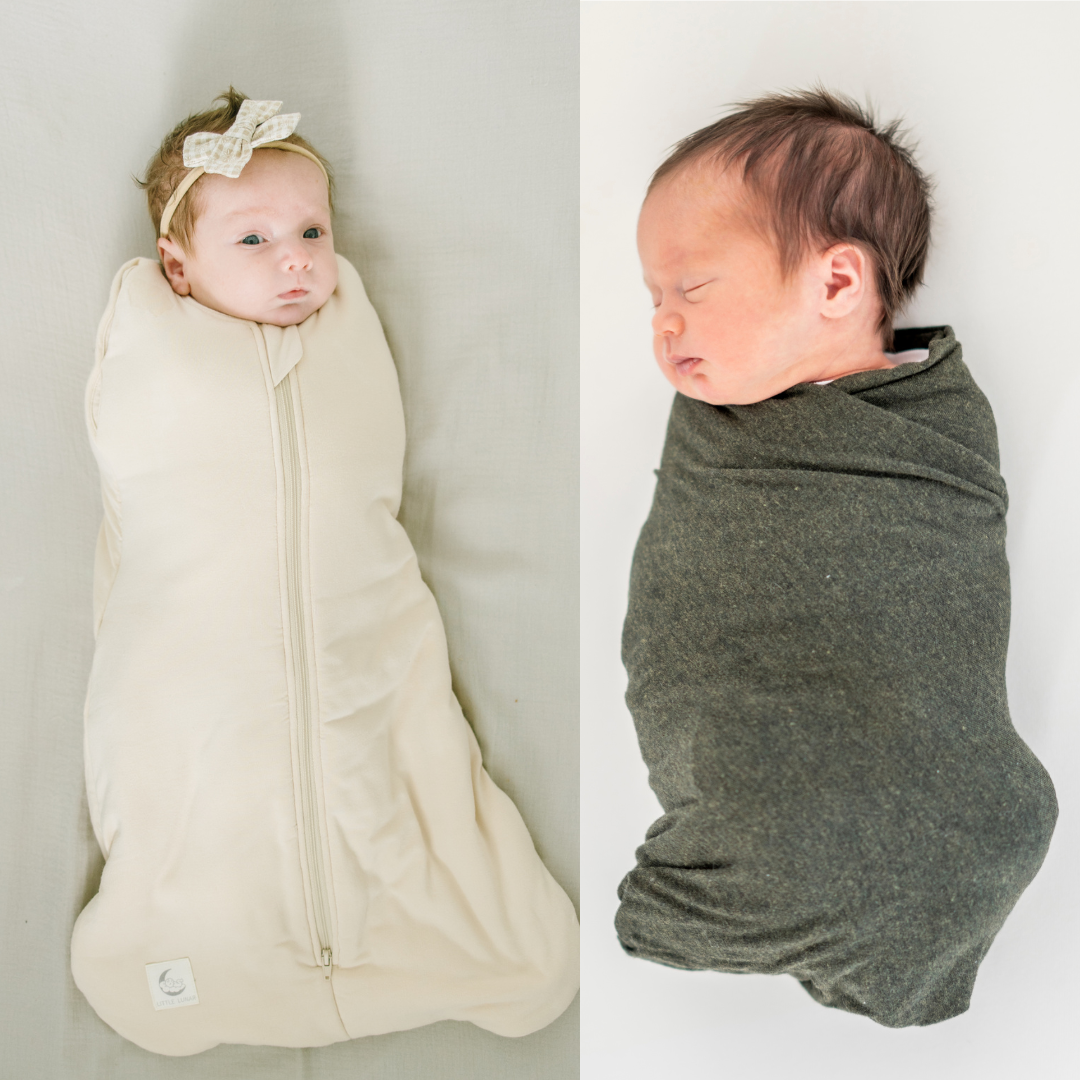
Credit: little-lunar.com
FAQ: Swaddle Vs Sleeping Bag
What Is The Main Difference Between A Swaddle And A Sleeping Bag?
A swaddle wraps a baby’s arms snugly, while a sleeping bag is a wearable blanket without arm wraps.
Which Is Safer For Newborns, Swaddle Or Sleeping Bag?
Sleeping bags reduce risk by allowing free arm movement, making them safer as babies grow.
Can Babies Use A Swaddle And Sleeping Bag Together?
No, using both can cause overheating and restrict movement, which is unsafe for babies.
When Should I Switch From Swaddle To Sleeping Bag?
Switch when your baby starts rolling over or shows signs of breaking free from swaddles.
Which Is Better For Warmer Climates, Swaddle Or Sleeping Bag?
Sleeping bags with lighter fabric are better for warm climates to keep babies cool and safe.
Conclusion
Choosing between a swaddle and a sleeping bag depends on your baby’s needs. Swaddles help newborns feel safe and calm. Sleeping bags keep babies warm without loose blankets. Both have benefits for better sleep and safety. Watch your baby’s comfort and growth to decide.
Stay mindful of safe sleep rules always. Your baby’s peaceful rest matters most. Try both to see what works best. Comfort and safety go hand in hand. Simple choices bring happy nights for you and baby.