

Are you torn between choosing a sleeping pad or an inflatable mattress for your next adventure? Picking the right sleep gear can make all the difference in how rested and comfortable you feel.
Whether you’re camping, backpacking, or just need a good night’s sleep away from home, understanding the key differences will help you make the best choice. Keep reading to discover which option suits your needs, so you wake up refreshed and ready for whatever comes next.
Table of Contents
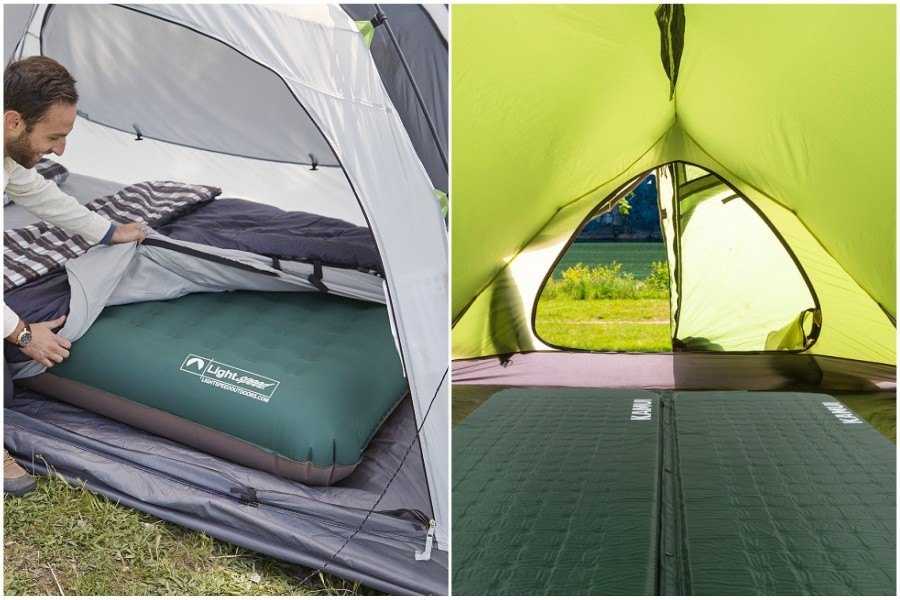
Credit: kamui.co
Comfort Levels Compared
Comfort is a key factor in choosing between a sleeping pad and an inflatable mattress. Both offer different levels of support and softness. Understanding these differences helps you pick the best option for a good night’s sleep outdoors.
Comfort depends on firmness, thickness, and material. These aspects affect how well your body rests and recovers during sleep.
Firmness And Support
Sleeping pads are usually firm and thin. They provide a stable surface that keeps your body close to the ground. This firmness supports your back and reduces pressure points.
Inflatable mattresses are softer and thicker. They offer more cushioning and can feel like a bed at home. The air inside can be adjusted to change firmness.
Thickness And Cushioning
Sleeping pads are slim and lightweight. They add a small layer between you and the hard ground. This layer helps keep you warm and prevents discomfort from rocks or roots.
Inflatable mattresses are much thicker. They create a plush surface that lifts you off the ground. This extra height adds comfort but also adds weight to carry.
Material And Feel
Sleeping pads use foam or air chambers with a textured surface. This texture helps keep you from sliding around during sleep. Foam pads feel firm but less soft.
Inflatable mattresses have smooth, often vinyl, surfaces. They feel soft and cozy but can be slippery. Some models include flocking to improve grip and comfort.
Setup And Portability
Choosing between a sleeping pad and an inflatable mattress often depends on how easy they are to set up and carry. Both offer comfort, but their setup time and portability vary a lot. Understanding these differences helps pick the right gear for your trip.
Setup Time
Sleeping pads usually require no inflation. Just unroll and lay them down. This makes setup very quick, often under a minute. Inflatable mattresses need air. Pumping them up can take several minutes. Some come with built-in pumps to speed this up. Deflating and packing also takes more time compared to pads.
Sleeping pads are light and thin. They roll into small bundles easy to carry. Inflatable mattresses are heavier and bulkier. Even deflated, they take more space in your bag. This can matter on long hikes or tight packing situations.
Portability For Travel
Sleeping pads fit well in backpacks and small cars. Their compact size suits outdoor adventures. Inflatable mattresses are better for car camping. They can be bulky and harder to transport for long distances. Carrying them on foot may feel heavy and awkward.
Durability And Material
Durability and material play a key role in choosing between a sleeping pad and an inflatable mattress. These factors affect comfort, weight, and how long the product lasts. Different materials offer various strengths and weaknesses. Understanding these can help pick the right option for camping or travel.
Sleeping Pad Materials
Sleeping pads usually use foam or air-filled chambers. Foam pads are made from closed-cell foam. This makes them tough and resistant to punctures. They last long and work well on rough surfaces. Air-filled sleeping pads use lightweight nylon or polyester. These materials are strong but can get holes if not careful. Some models add extra layers for durability.
Inflatable Mattress Materials
Inflatable mattresses often use PVC or TPU materials. PVC is thick and durable but heavier. It resists punctures but can feel stiff. TPU is lighter and more flexible. It also handles wear better and is more eco-friendly. Both materials can include protective coatings. These coatings help prevent leaks and damage over time.
Durability Comparison
Sleeping pads with foam are very durable and forgiving. They can handle rough ground without damage. Air-filled pads need careful use but offer good lifespan with care. Inflatable mattresses are more prone to punctures. They need patches or repair kits. Strong materials and coatings improve their durability. Overall, sleeping pads often last longer in tough conditions.
Insulation And Warmth
Insulation and warmth are key factors for a good night’s sleep outdoors. Cold ground can steal your body heat fast. Choosing the right gear helps keep you cozy and comfortable. Sleeping pads and inflatable mattresses offer different levels of insulation. Understanding their warmth features can guide your camping choice.
Sleeping Pad Insulation
Sleeping pads often use foam or air with insulation inside. Foam pads trap air in their cells, blocking cold from the ground. Some pads have reflective layers that bounce heat back to your body. They usually provide better warmth in cold weather. Closed-cell foam pads work well for winter camping. They do not lose heat even if punctured.
Inflatable Mattress Warmth
Inflatable mattresses rely on air for comfort and insulation. Air alone is a poor insulator and lets heat escape. Many inflatable mattresses lack built-in insulation, making them cold on the ground. Some models add insulation layers or use special materials to improve warmth. Without extra insulation, they suit mild weather better. Air inside can cool down quickly during cold nights.
Comparing Warmth Levels
Sleeping pads generally keep you warmer than inflatable mattresses. Their insulation blocks cold better and traps body heat. Inflatable mattresses feel softer but may need extra layers for warmth. Using a sleeping pad under an inflatable mattress can improve insulation. For cold weather camping, insulation value is a key choice factor. Consider how cold it gets where you camp.
Weight And Size
Weight and size matter a lot for outdoor sleeping gear. They affect how easy it is to carry and store your bedding. Choosing the right option can make your trip more comfortable and less tiring.
Weight Comparison
Sleeping pads are usually lighter than inflatable mattresses. They use simple foam or thin materials that do not add much weight. Inflatable mattresses have extra parts like pumps and thicker layers. These parts add more weight and bulk.
Size When Packed
Sleeping pads compress into small rolls or folds. This makes them easy to fit in backpacks or bags. Inflatable mattresses need to be deflated and folded. Even then, they often take up more space than sleeping pads.
Impact On Portability
Light and small gear is easier to carry long distances. Sleeping pads are better for hiking or camping trips that need walking. Inflatable mattresses suit car camping or places with less walking. Their size and weight can slow you down.
Price Range And Value
Price is a key factor when choosing between a sleeping pad and an inflatable mattress. Both offer different costs and benefits. Understanding the price range helps decide which fits your budget and needs.
Value depends on durability, comfort, and ease of use. Spending a bit more may bring better comfort or longer life. Spending less might mean fewer features or less support.
Sleeping Pad Price Range
Sleeping pads usually cost less than inflatable mattresses. Basic models start around $20 to $40. Mid-range pads with better insulation and thickness range from $50 to $100. High-end pads with advanced materials or extra padding can cost $100 or more.
They offer good value for backpackers or light campers. Pads are lightweight and compact, saving space and weight.
Inflatable Mattress Price Range
Inflatable mattresses generally cost more than sleeping pads. Budget models start near $30 to $50. Mid-range mattresses with better air retention and comfort range from $60 to $150. Premium models with built-in pumps or extra thickness can exceed $200.
They provide more comfort but are heavier and bulkier. Good for car camping or home use.
Value Comparison
Sleeping pads deliver value through portability and insulation. They suit outdoor use where weight matters. Inflatable mattresses offer value in comfort and support, ideal for longer stays or less rugged trips.
Consider how often and where you camp. Match the price to your comfort needs and travel style.
Best Use Cases
Choosing between a sleeping pad and an inflatable mattress depends on your needs. Both offer comfort but suit different activities and settings. Understanding the best use cases helps pick the right option for your adventure or rest.
Consider where you will sleep and how much space you have. Weight and ease of carrying also play a big role. Each has strengths in certain situations.
Camping And Backpacking
Sleeping pads work great for camping and backpacking. They are lightweight and easy to carry. Pads fit inside a backpack without much bulk. They provide basic comfort and insulation from the ground. Inflatable mattresses are heavier and take more space. Pads handle rough terrain better and dry faster.
Car Camping And Home Use
Inflatable mattresses suit car camping or home use well. They offer more cushioning and support. Inflatable mattresses are larger and thicker. They make sleeping indoors or in a tent more comfortable. Pads may feel too thin on hard surfaces. Inflatable mattresses are easier to get in and out of.
Travel And Overnight Guests
Inflatable mattresses are ideal for travel and guests. They provide a cozy sleeping surface that feels like a bed. Easy to inflate and deflate for quick setup. Sleeping pads are less comfortable for long stays. Mattresses work well in hotels or guest rooms. They save space when deflated.
Emergency And Survival Situations
Sleeping pads suit emergency and survival scenarios. Their durability and portability help in tough conditions. Pads can insulate against cold, damp ground. Inflatable mattresses risk punctures and are less reliable. Pads are simple and fast to use under stress.
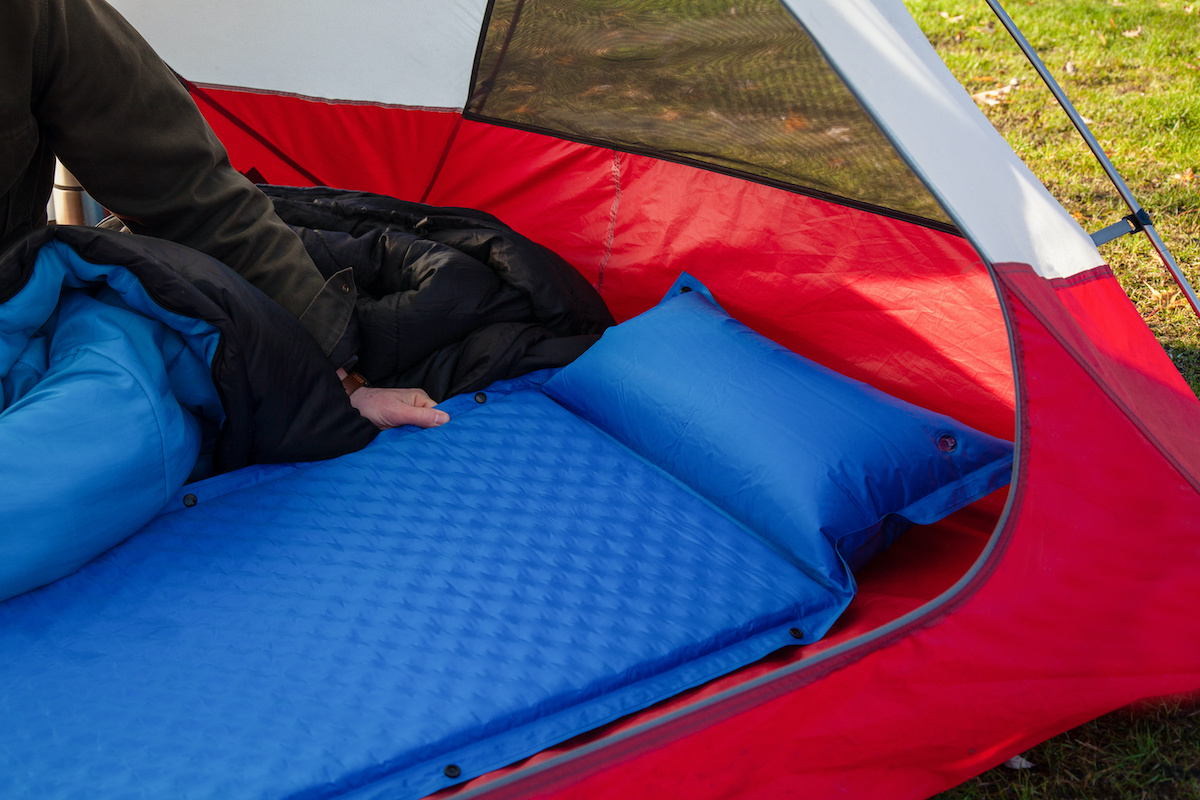
Credit: www.masterclass.com
Maintenance And Cleaning
Cleaning and maintaining your sleeping gear keeps it fresh and lasts longer. Dirt, sweat, and moisture can damage both sleeping pads and inflatable mattresses. Regular care helps avoid bad smells and mold. Knowing the best way to clean each type saves time and effort.
Cleaning A Sleeping Pad
Sleeping pads usually have a simple design. Wipe the surface with a damp cloth and mild soap. Avoid soaking it in water. Let it air dry completely before storing. This stops mold and mildew from growing. Check for small tears or holes often. Patch them quickly to keep the pad usable.
Cleaning An Inflatable Mattress
Inflatable mattresses need careful cleaning to avoid damage. Use a soft cloth and warm soapy water to clean. Do not use harsh chemicals or rough brushes. Dry the mattress fully before folding it. Store it in a cool, dry place to keep the material strong. Check valves and seams for leaks or cracks regularly.
Storing Tips For Both
Store sleeping pads and inflatable mattresses away from sharp objects. Keep them rolled or folded loosely to avoid creases. Avoid direct sunlight during storage; it can weaken materials. Use storage bags or covers to protect from dust. Proper storage keeps your gear ready for the next trip.
User Experience And Feedback
Users share different views on sleeping pads and inflatable mattresses. Their feedback helps others choose the best option for comfort and convenience.
Many talk about ease of use, comfort, and durability. These points matter most when spending nights outdoors or traveling.
Comfort And Support
Users often say inflatable mattresses feel softer and more like a bed. They offer good support for back and joints. Sleeping pads are thinner but provide firm support. Some find pads less cozy but better for rough ground.
Inflatable mattresses take longer to blow up and pack away. Some need pumps or more effort. Sleeping pads are quick to roll out and pack up. They weigh less and fit easily in backpacks.
Durability And Maintenance
Inflatable mattresses can get punctures or leaks. Users recommend careful handling and repair kits. Sleeping pads are tougher and resist tears better. They clean easily and dry fast after use.
Temperature And Insulation
Feedback shows sleeping pads keep users warmer in cold conditions. They block cold from the ground well. Inflatable mattresses sometimes lose heat faster. Some models come with insulation layers for warmth.
Choosing The Right Option
Choosing the right sleeping pad or inflatable mattress is important for a good night’s rest outdoors. Both options offer comfort but suit different needs and situations. Understanding the differences helps pick the best fit for your trip.
Durability And Weight
Sleeping pads are usually lighter and more durable. They work well for hiking and backpacking. Inflatable mattresses tend to be heavier and can get punctured easily. Consider how far you must carry your gear.
Comfort And Support
Inflatable mattresses often provide more cushion and support. They feel closer to a bed at home. Sleeping pads offer less padding but still protect against cold ground. Choose based on your comfort preference and sleeping style.
Ease Of Use
Sleeping pads are quick to set up and pack away. Inflatable mattresses need air, so they take longer to inflate. Some need a pump or more effort. Think about how much time you want to spend setting up camp.
Size And Portability
Sleeping pads roll up small and fit easily in a backpack. Inflatable mattresses pack larger and require more space. Check your storage options and how much room you have in your bag.
Cost And Longevity
Sleeping pads usually cost less and last longer with care. Inflatable mattresses can be pricier and may need repairs. Balance your budget with how often you camp and your gear needs.

Credit: www.reddit.com
FAQ: Sleeping Pad Vs Inflatable Mattress
What Is The Main Difference Between Sleeping Pads And Inflatable Mattresses?
Sleeping pads are thinner and lighter, while inflatable mattresses are thicker and offer more comfort.
Which Is Better For Backpacking: Sleeping Pad Or Inflatable Mattress?
Sleeping pads are better for backpacking because they are lightweight and easy to carry.
How Long Does It Take To Inflate An Inflatable Mattress?
Inflatable mattresses usually take 2 to 5 minutes to fully inflate by hand or pump.
Can Sleeping Pads Provide Enough Insulation In Cold Weather?
Yes, sleeping pads offer good insulation to keep you warm on cold nights.
Are Inflatable Mattresses More Durable Than Sleeping Pads?
Inflatable mattresses are less durable and can puncture easily; sleeping pads are generally tougher.
Conclusion
Choosing between a sleeping pad and an inflatable mattress depends on your needs. Sleeping pads are light and easy to carry. Inflatable mattresses offer more comfort and thickness. Think about where you will sleep and how long you will stay.
If you want something simple and quick, a sleeping pad works well. For better support and softness, go with an inflatable mattress. Both have pros and cons. Pick the one that fits your trip and budget best. Comfort and convenience matter most for a good night’s sleep outdoors.