
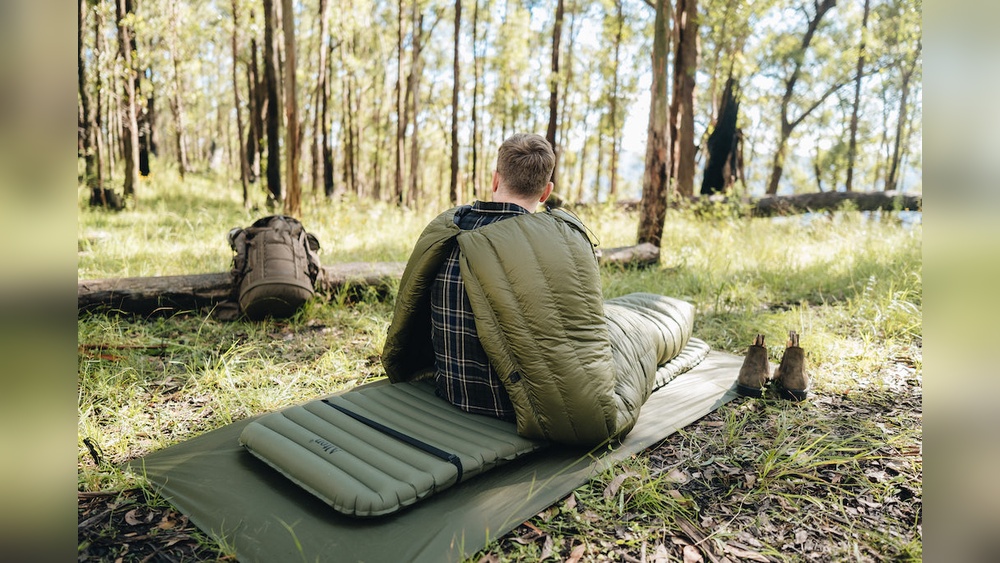
Are you planning your next outdoor adventure and wondering whether to choose a quilt or a sleeping bag? This decision can make a big difference in how comfortable and warm you feel at night.
You want something lightweight, easy to carry, and perfect for the weather you’ll face. But which one truly fits your needs? You’ll discover the key differences between quilts and sleeping bags, helping you pick the best option for your trip.
Keep reading to make sure your nights in the wild are cozy and restful.
Table of Contents
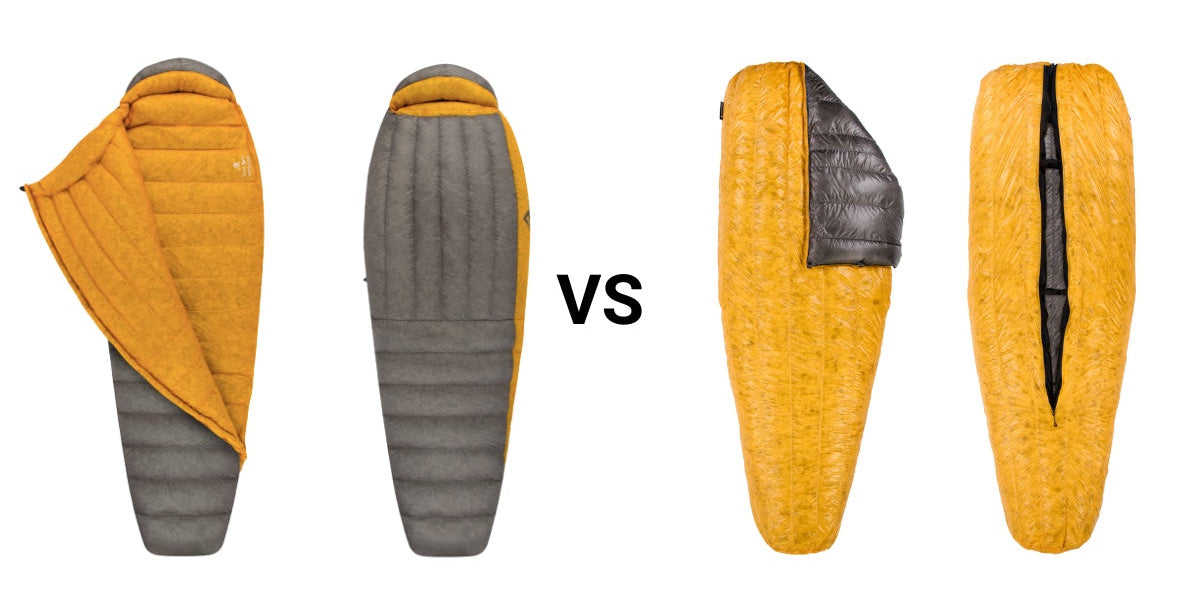
Credit: ultralightgear.com.au
Comfort Levels Compared
Comfort is key when choosing between a quilt and a sleeping bag. Both offer warmth but differ in how they fit and feel. Understanding these differences helps pick the best option for peaceful sleep outdoors.
Comfort depends on how each item adapts to your body and surroundings. This section breaks down comfort by sleeping positions, flexibility, breathability, and temperature control.
Sleeping Positions And Flexibility
Sleeping bags wrap tightly around your body. This limits movement, especially for side or stomach sleepers. Quilts lie flat and offer more room to stretch. They allow shifting and changing positions easily. Quilts work well if you toss and turn at night. Sleeping bags suit those who sleep mostly on their back or stay still.
Breathability And Temperature Control
Quilts let heat escape from the sides. This helps avoid overheating in mild weather. They offer better airflow and keep you cooler. Sleeping bags trap air inside, which keeps heat close. This works well in cold conditions but may cause sweating in warm weather. Quilts give more control over warmth by adjusting coverage. Sleeping bags are simpler but less flexible in temperature control.
Warmth And Insulation
Warmth and insulation are key factors for a good night outdoors. Quilts and sleeping bags differ in these areas. Understanding their materials and how they perform in cold helps you choose the right gear.
Material Types And Thermal Efficiency
Quilts usually use down or synthetic fills. Down is lightweight and compresses well. It traps warm air efficiently. Synthetic fibers can keep warmth even when wet. Sleeping bags often have thicker layers. They use similar materials but add more insulation. This helps keep heat inside better. Quilts leave the back open, saving weight. Sleeping bags wrap around the body fully, blocking drafts.
Cold Weather Performance
Sleeping bags excel in very cold weather. Their full enclosure stops heat loss well. Quilts work best in mild to cool conditions. They offer less protection from wind and cold ground. Adding a sleeping pad improves insulation for both. Quilts allow more airflow, which can cool you down. Sleeping bags trap heat more tightly for warmth. Your choice depends on how cold it gets outside.
Weight And Packability
The weight and packability of a quilt or sleeping bag affect your trip comfort. Light gear eases carrying and saves energy. Small packed size fits better in backpacks. Both factors matter most for long hikes and camping.
Portability For Backpackers
Quilts usually weigh less than sleeping bags. They have fewer materials and simpler designs. This makes them easier to carry on trails. Quilts also allow better airflow, so you stay cooler. Sleeping bags offer full coverage but often weigh more. The extra weight can tire you faster. Backpackers prefer quilts for short trips and mild weather. Sleeping bags suit colder conditions despite added weight.
Space Requirements
Quilts compress into smaller bundles than sleeping bags. Their flat design folds easily to fit tight spaces. Sleeping bags are bulkier due to their shape and padding. They take more room in your backpack. Quilts save space for other gear or food. This is helpful on long hikes with limited pack size. Sleeping bags need bigger compartments and careful packing. Choosing between them depends on your space needs and trip length.
Durability And Maintenance
Durability and maintenance play big roles in choosing between a quilt and a sleeping bag. Both gear types face wear and tear from outdoor use. Knowing how long each lasts and how to care for them helps make a smart choice. This section breaks down the key points on material longevity and cleaning needs.
Material Longevity
Sleeping bags often use thick fabrics and strong zippers. These parts resist tears and rough handling well. Quilts usually have lighter materials for easy packing. Light fabrics may wear out faster with heavy use. Stitching quality affects both. Tight, even stitches help keep shape and stop holes. Down fill in quilts can lose fluff over time. Synthetic fill in sleeping bags tends to keep loft longer.
Cleaning And Care
Sleeping bags need careful washing to protect insulation. Machine washing on gentle cycles with mild soap works for most. Drying takes time but prevents mold and smells. Quilts often require gentler cleaning. Hand washing or spot cleaning keeps fabric safe. Frequent washing wears down materials and fill. Storing both gear types dry and loose extends life. Avoid compressing quilts or bags for long periods.
Ease Of Use
Ease of use is key when choosing between a quilt and a sleeping bag. Campers want simple gear that saves time and effort. Both quilts and sleeping bags offer different experiences. Understanding their ease of use helps pick the right choice for your needs.
Setup And Adjustments
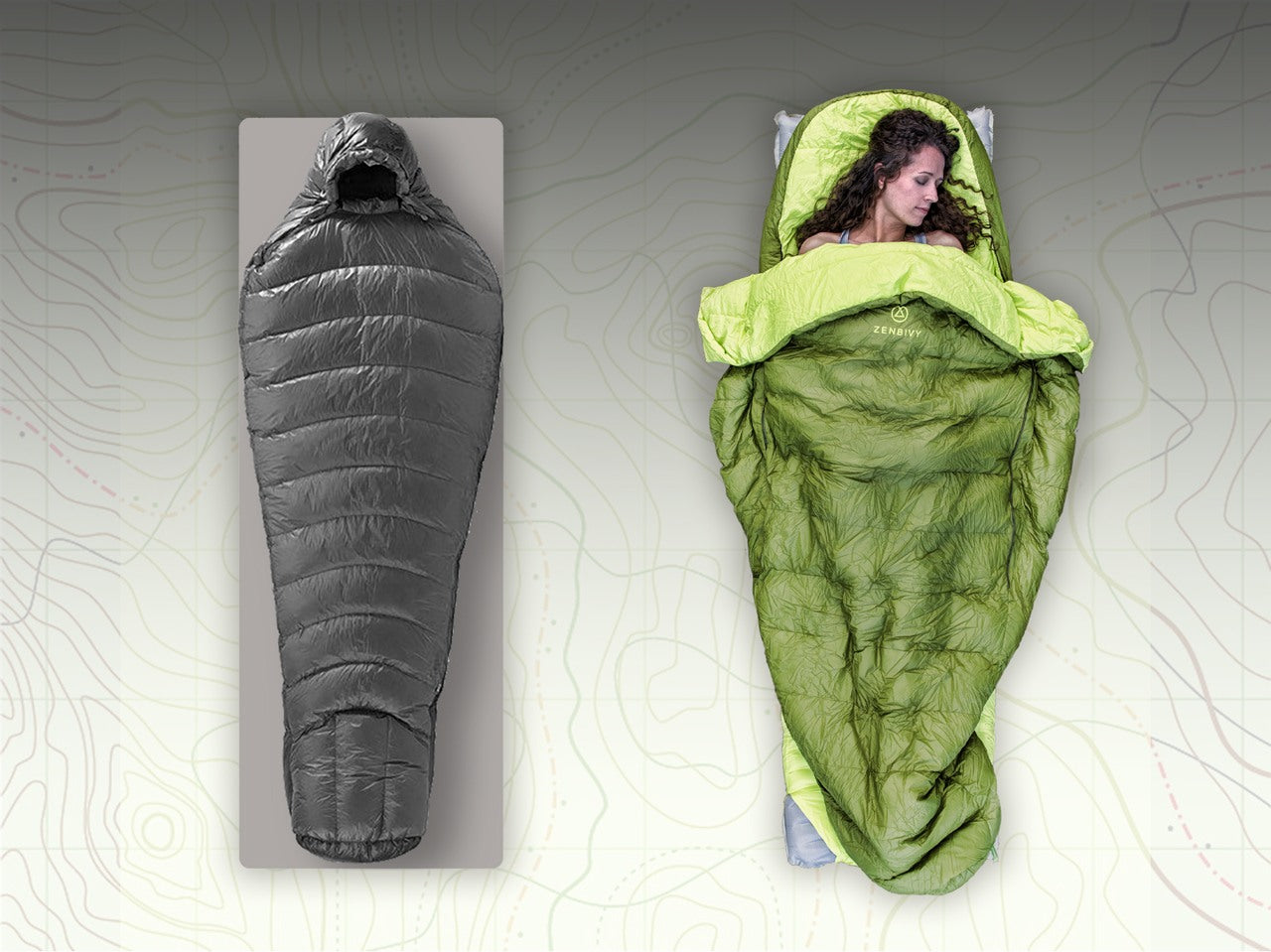
Sleeping bags have a classic shape and zipper. Unzip, slip inside, and zip up quickly. The hood and draft collar keep warmth trapped. Adjusting temperature means loosening or tightening the zipper.
Quilts lie on top or wrap around the body. They do not have zippers or hoods. You tuck the edges under your sleeping pad. This can take a few tries to get snug. Some quilts come with straps or clips for better fit.
Versatility In Different Settings
Sleeping bags work well in cold and windy places. Their enclosed design blocks wind and retains heat. They can feel bulky in mild weather.
Quilts offer more airflow and flexibility. Use them in warm or cool weather by adjusting coverage. Quilts are easier to share with a partner. They also pack smaller and weigh less.
Credit: zenbivy.com
Cost And Value
Choosing between a quilt and a sleeping bag often depends on cost and value. Both offer warmth and comfort but differ in price and durability. Understanding these differences helps you decide the best option for your budget and needs.
Price Ranges
Sleeping bags usually cost more than quilts. Prices start around $50 for basic models. High-end sleeping bags can reach $300 or more. Quilts often begin near $40 and top out around $250. Quilts tend to be cheaper because they use less material and have simpler designs.
Budget models work well for casual camping. Premium products suit serious backpackers. Price varies with insulation type, brand, and temperature rating. Quilts offer better value for those who prioritize weight and pack size.
Long-term Investment
Durability affects long-term value. Quality sleeping bags last many years with proper care. Quilts also last long but need extra gear for colder weather. Choosing the right insulation improves lifespan and comfort.
Quilts are versatile and lighter but may require additional layers. Sleeping bags provide all-in-one warmth but can be heavier. Consider your camping style to find the best long-term fit. Investing in a reliable product saves money over time.
Environmental Impact
Choosing between a quilt and a sleeping bag can affect the environment. Both products use different materials and methods. These choices impact natural resources and waste. Understanding the environmental impact helps make better decisions.
Sustainable Materials
Quilts often use less fabric than sleeping bags. This means less material is needed to make them. Some quilts use recycled or organic fabrics. These materials reduce pollution and save resources. Sleeping bags usually have thick insulation. This insulation can be synthetic or natural. Natural insulation like down is biodegradable. Synthetic insulation may take longer to break down. Choosing quilts or sleeping bags made from eco-friendly materials lowers harm to nature.
Manufacturing Practices
How quilts and sleeping bags are made affects the planet. Factories that use less water and energy help reduce pollution. Some brands follow strict rules to limit waste. Quilts may require simpler sewing and less energy. Sleeping bags often need more complex production steps. This can increase carbon footprints. Ethical manufacturing also includes fair labor practices. Supporting companies that care about the environment and workers benefits everyone.
User Experience And Feedback
User experience and feedback reveal real insights about quilts and sleeping bags. Campers share their thoughts on comfort, warmth, and ease of use. These opinions help others choose the right gear for their needs.
Many users discuss how each option fits different types of trips. Their stories highlight what works and what does not. Listening to these voices gives a clearer picture of what to expect.
Common Preferences
Many campers prefer quilts for their lightweight and packable design. Quilts often feel less restrictive, allowing better movement during sleep. Users who camp in milder weather enjoy quilts for breathability.
Sleeping bags attract users who want full coverage and warmth. They provide a cozy, enclosed feeling that some find comforting. People camping in colder areas often choose sleeping bags for extra insulation.
Potential Drawbacks
Some users find quilts less warm in windy or very cold conditions. The open bottom can let cold air in during chilly nights. Quilts may require extra blankets or liners to stay warm.
Sleeping bags can feel bulky and heavier, making them harder to carry. Some find them too tight or restrictive, limiting movement. Moisture buildup inside sleeping bags can cause discomfort for some campers.
Best Use Cases
Choosing between a quilt and a sleeping bag depends on how you plan to use it. Both have strengths that fit different activities and environments. Understanding their best use cases helps you pick the right gear for your needs. Below are common scenarios where each excels.
Camping And Hiking
Sleeping bags work well for camping and hiking in cooler weather. They keep heat close to your body and protect against wind. Their enclosed design stops drafts and moisture. Quilts suit warmer weather and lightweight packing. They weigh less and take up less space. Quilts allow more freedom of movement at night. Hikers who want to save weight often choose quilts.
Indoor And Casual Use
Quilts are perfect for indoor use and casual settings. They are easy to spread out on the couch or bed. Quilts offer comfort without feeling bulky. Sleeping bags can feel tight and heavy indoors. Quilts also work well for naps or lounging outdoors. They provide warmth without overheating. For simple use, quilts bring convenience and comfort.
Choosing What Fits You
Choosing the right sleep system matters for a good night’s rest outdoors. The choice between a quilt and a sleeping bag depends on your unique needs. Understanding your lifestyle and the climate helps you pick what fits best. This guide breaks down key points for better decisions.
Personal Needs And Lifestyle
Think about how you camp and move. Do you hike long trails or car camp? Quilts offer more freedom to move your arms and legs. They weigh less and pack smaller. Sleeping bags give full coverage and feel snug. They work well for people who prefer a cocoon shape. Also, consider how you sleep. Side sleepers might find quilts more flexible. Back sleepers might like the wrap of a sleeping bag.
Climate Considerations
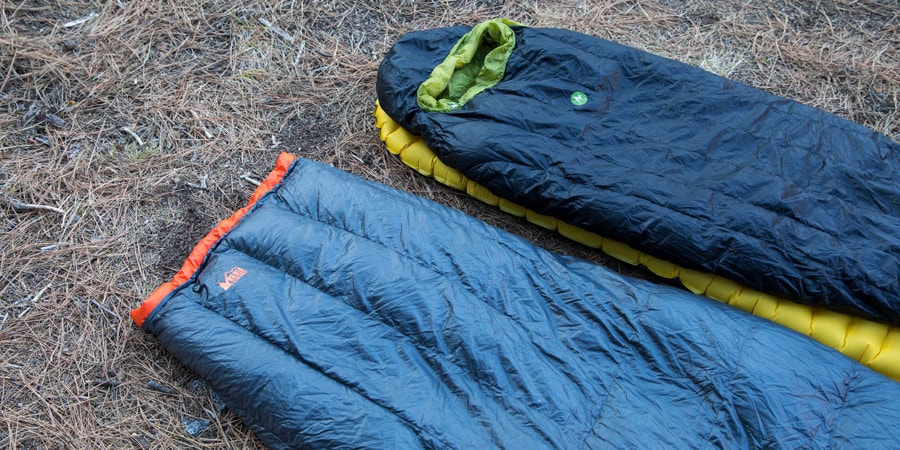
Climate affects your warmth and comfort. Quilts work best in mild to cool weather. They let heat escape when it gets warm. Sleeping bags keep heat in better in cold climates. They block wind and trap warmth around your body. If you camp in areas with changing temperatures, choose a sleep system with adjustable options. Think about moisture and rain too. Some quilts and bags handle wet weather better than others.
Credit: www.rei.com
FAQ: Quilt Vs Sleeping Bag
What Is The Main Difference Between A Quilt And A Sleeping Bag?
A quilt is open at the back and lighter, while a sleeping bag is fully enclosed for warmth.
Which Is Warmer, A Quilt Or A Sleeping Bag?
Sleeping bags usually offer more warmth because they trap heat all around your body.
Can Quilts Be Used In Cold Weather Camping?
Yes, quilts work well if paired with a good sleeping pad for insulation.
Are Quilts Lighter And More Packable Than Sleeping Bags?
Quilts are often lighter and take up less space, making them great for backpacking.
Which Is Easier To Clean, A Quilt Or A Sleeping Bag?
Quilts are usually easier to wash and dry because they have simpler designs.
Conclusion
Choosing between a quilt and a sleeping bag depends on your needs. Quilts are lighter and offer more freedom of movement. Sleeping bags provide full coverage and better warmth in cold weather. Think about where and how you will camp.
Consider the temperature and your comfort preferences. Both have strengths that suit different campers. Pick what fits your style and trip best. Sleep well and enjoy your outdoor adventure!