
Choosing the right tent fabric can make all the difference on your next outdoor adventure. When you’re deciding between nylon and polyester tents, you might feel overwhelmed by the technical details.
But understanding how each material performs can save you from unexpected problems like leaks, tears, or fading. You’ll discover the key differences that matter most—durability, weight, water resistance, and comfort—so you can pick the tent that fits your needs perfectly.
Keep reading to find out which fabric will keep you dry, safe, and comfortable on your next trip.
Table of Contents

Credit: thetentlab.com
Material Composition
The material composition of tents greatly affects their durability and performance. Nylon and polyester are two popular fabrics for tents. Both have unique properties that suit different camping needs.
Understanding these materials helps choose the right tent for your adventure. Let’s explore their composition and how it impacts tent use.
Nylon Fabric Structure
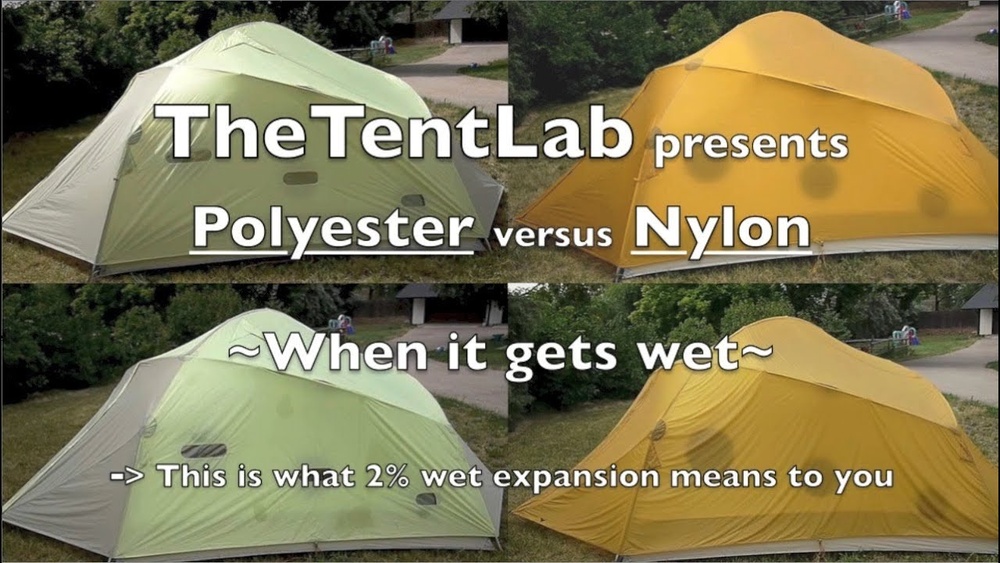
Nylon is a synthetic fabric made from polyamide fibers. These fibers are strong and flexible. Nylon tents feel light and smooth to touch. This fabric stretches slightly, which helps resist tears. It absorbs water more than polyester but dries quickly.
Polyester Fabric Structure
Polyester is made from polyethylene terephthalate fibers. These fibers are thicker and less stretchy. Polyester tents hold shape well and resist shrinking. The fabric absorbs less water than nylon, so it stays drier in rain. It is also more resistant to UV damage from the sun.
Differences In Durability
Nylon’s flexibility helps it handle wind and stress without breaking. Polyester is tougher against sun damage and stays strong longer outdoors. Both fabrics resist abrasion, but polyester usually lasts longer under harsh conditions.
Weight And Packability
Nylon is lighter and packs smaller than polyester. This makes nylon tents easier to carry on long trips. Polyester tents weigh more but offer better resistance to fading and wear. Weight choice depends on your camping style and priorities.

Credit: thetentlab.com
Strength And Tear Resistance
Strength and tear resistance are key factors when choosing a tent fabric. A tent must hold up against wind, rain, and rough terrain. The fabric should not rip easily. It needs to last through many camping trips. Nylon and polyester are popular choices. Each has its own benefits in strength and durability.
Understanding how each fabric performs can help you pick the right tent. This section compares nylon and polyester in strength and tear resistance.
Nylon Tent Strength
Nylon is known for its high strength. It has a strong fiber structure that holds well under pressure. This makes nylon tents tough in harsh weather. The fabric stretches a little, which helps absorb force from wind or impact.
This stretch can prevent tears from spreading fast. Nylon tents often feel sturdy and reliable. They handle rough use without breaking easily.
Polyester Tent Strength
Polyester is also strong but less stretchy than nylon. It offers good resistance to damage. Polyester tents keep their shape better in heat and sun. This is because polyester resists UV rays well.
While polyester does not stretch much, it resists tearing by holding firm. It can handle stress without weakening quickly. This makes polyester tents durable over time.
Tear Resistance Comparison
Nylon has a slight edge in tear resistance due to its elasticity. If a tear starts, nylon slows its growth. This reduces the chance of big rips during use.
Polyester resists small tears well but can crack under sharp force. Its stiff nature means tears may spread faster. Both fabrics are strong but behave differently under stress.
Choosing between them depends on the camping style and conditions expected.
Water Resistance And Drying Time
Water resistance and drying time are key factors for any tent. These qualities keep you dry and comfortable during outdoor trips. Choosing the right fabric can make a big difference in wet weather. Nylon and polyester tents vary in how they handle water and drying.
Water Resistance Of Nylon Tents
Nylon tents are often coated with silicone or polyurethane. This coating helps repel water effectively. They can handle heavy rain without leaking easily. Nylon fibers absorb more water than polyester, but the coating prevents seepage. Still, nylon tents need good care to maintain water resistance.
Water Resistance Of Polyester Tents
Polyester tents resist water well due to their tight weave. Polyester fibers absorb less water compared to nylon. They usually have a polyurethane coating for extra protection. This makes polyester tents less prone to stretching when wet. They perform well in steady rain and damp conditions.
Drying Time Of Nylon Tents
Nylon tents dry faster than polyester tents. Their fibers absorb more water but release it quickly. The lightweight nature of nylon helps air flow through the fabric. This speeds up the drying process after rain or dew. Fast drying reduces the chance of mold and mildew.
Drying Time Of Polyester Tents
Polyester tents take longer to dry due to lower water absorption. The fabric holds moisture close to the surface. This slows evaporation under low wind or shade. Drying times increase in humid environments. Proper ventilation helps polyester tents dry faster.
Weight And Portability
Weight and portability are key factors for anyone choosing a tent. Carrying a heavy tent can make hiking or camping tiring. A lightweight tent is easier to pack and move. This section compares nylon and polyester tents in these areas.
Weight Differences Between Nylon And Polyester
Nylon tents are generally lighter than polyester tents. Nylon fibers have a higher strength-to-weight ratio. This means nylon tents weigh less but stay strong. Polyester tents tend to be thicker and heavier. This adds some weight but increases durability.
Ease Of Carrying And Packing
Nylon tents fold into smaller, compact bundles. This makes them simple to carry in backpacks. Polyester tents are bulkier and take more space. Nylon tents suit long trips where every ounce matters. Polyester tents work well for car camping with less need to save space.
Impact On Outdoor Activities
Lightweight nylon tents reduce fatigue on long hikes. They allow faster, more comfortable movement. Polyester tents add weight but offer stability in windy conditions. Choosing between them depends on how much weight you can carry and the type of trip planned.
Uv Resistance And Sun Protection
UV resistance and sun protection are important for any tent. The sun’s rays can damage fabric and make camping uncomfortable. Choosing the right tent fabric helps keep you safe and your gear lasting longer.
Both nylon and polyester tents offer some UV protection. Their ability to block sunlight depends on the fabric’s weave, coating, and thickness. Understanding these factors helps you pick the best option for sunny conditions.
Uv Resistance Of Nylon Tents
Nylon tents are strong and lightweight. They absorb UV rays more than polyester. This absorption can cause nylon to weaken and fade faster under the sun.
Manufacturers often add special coatings to nylon fabric. These coatings help improve UV resistance. Still, nylon tents might need more care in sunny areas.
Uv Resistance Of Polyester Tents
Polyester tents resist UV rays better than nylon. Their fibers reflect more sunlight, reducing damage. This makes polyester tents more durable in bright sunlight.
Polyester holds color longer and does not stretch much. These qualities help keep the tent’s shape and strength over time. Polyester is a strong choice for sun protection.
Sun Protection For Campers
Good sun protection means less heat inside the tent. Both nylon and polyester tents can block sunlight to keep the inside cool. Polyester tents often perform better in hot weather.
Using a tent with good UV resistance protects skin from harmful rays. It also prevents fabric from breaking down. Choose fabric that balances weight, strength, and sun protection.

Credit: www.youtube.com
Breathability And Ventilation
Breathability and ventilation are key for a comfortable camping experience. A tent that breathes well keeps air fresh inside. It also helps reduce moisture and condensation. This makes sleeping more pleasant and prevents dampness. Both nylon and polyester tents offer breathability, but they differ in how they handle airflow.
Breathability Of Nylon Tents
Nylon fabric is lightweight and strong. It allows some air to pass through its fibers. This helps reduce heat buildup inside the tent. Nylon tents dry quickly after rain or dew. Yet, they can trap moisture if ventilation is limited. Proper tent design is important for better airflow.
Breathability Of Polyester Tents
Polyester tents often have tighter weaves. This makes them more resistant to water and wind. Polyester breathes less than nylon but still allows air movement. It resists stretching and sagging when wet. This keeps vents open for better airflow during use.
Ventilation Features In Both Fabrics
Both nylon and polyester tents include vents and mesh panels. These parts improve airflow and reduce condensation. Mesh windows block bugs while letting air flow. Adjustable vents control how much air enters the tent. The fabric choice affects how well these features work.
Comfort And Feel
Comfort and feel are key factors when choosing a tent fabric. The material affects how the tent feels inside and outside. It changes how soft or stiff the tent walls are. This impacts your overall camping experience.
Nylon and polyester tents differ in texture and response to weather. Each fabric has unique qualities that affect comfort. Understanding these can help you pick the right tent for your needs.
Texture And Softness
Nylon tents often feel smoother and lighter. The fabric is soft to touch, giving a cozy atmosphere. Polyester tents feel a bit rougher but still comfortable. The difference is subtle but noticeable inside the tent.
Temperature And Breathability
Polyester resists heat better and stays cooler in sun. It breathes well, helping reduce condensation inside. Nylon can trap heat, making the tent warmer. Breathability varies by fabric weave and coating too.
Flexibility And Movement
Nylon stretches more, allowing the tent to flex in wind. This can add to comfort during strong gusts. Polyester is stiffer, which means less movement but more stability. The choice depends on the weather you expect.
Maintenance And Cleaning
Keeping your tent clean and well-maintained extends its life and performance. Both nylon and polyester tents need proper care to stay strong and waterproof. Dirt, sweat, and moisture can damage the fabric if not cleaned regularly. Simple cleaning steps help protect your investment and ensure your tent stays ready for the next trip.
Cleaning Nylon Tents
Use a soft brush or sponge to remove dirt from nylon tents. Wash with mild soap and cold water. Avoid strong detergents or bleach, as they can harm the fabric. Rinse well to remove all soap. Let the tent air dry completely before storing. Avoid direct sunlight during drying to prevent fading.
Cleaning Polyester Tents
Polyester tents are easier to clean and resist stains better. Use a soft cloth or brush to wipe off dirt. Wash with mild soap and warm water. Rinse thoroughly to avoid soap residue. Dry the tent in shade to keep colors bright. Proper drying stops mold and mildew growth.
Storage Tips For Both Fabrics
Store tents in a cool, dry place to prevent damage. Avoid folding tents when wet; always dry first. Use a breathable storage bag, not plastic, to let air flow. Check tents periodically for mold or tears. Regular inspection helps catch problems early.
Cost And Value
Choosing between nylon and polyester tents often depends on cost and value. Both materials have different price points and benefits. Understanding these can help you decide which tent fits your budget and needs better.
Cost Differences Between Nylon And Polyester Tents
Nylon tents usually cost more than polyester tents. This is because nylon is lighter and stronger. Manufacturers spend more on nylon fabric and treatments. Polyester tents tend to be cheaper. They use less expensive materials and simpler processes.
Durability And Long-term Value
Polyester tents resist UV damage better than nylon. This means they last longer in sunlight. Nylon tents can weaken faster under strong sun. But nylon tents are more tear-resistant. They handle rough use better. Both materials offer value depending on how you camp.
Weight And Portability Impact On Value
Nylon tents weigh less than polyester ones. Lighter tents are easier to carry on hikes. This adds value for backpackers and travelers. Polyester tents are heavier but more stable in wind. The choice depends on your camping style and needs.
Best Uses For Each Fabric
Choosing the right fabric for your tent can affect your camping experience. Nylon and polyester each serve different needs. Knowing their best uses helps pick the perfect tent for your trip.
Nylon Tents For Lightweight Backpacking
Nylon is strong and light. It packs small and saves space in your backpack. It dries quickly after rain. Great for long hikes where weight matters most. Nylon tents work well in mild weather.
Polyester Tents For Sun And Heat Resistance
Polyester handles sunlight better than nylon. It resists stretching and sagging under heat. Ideal for sunny campsites or hot climates. Polyester tents keep their shape and last longer outdoors.
Nylon Tents For Durability And Strength
Nylon has excellent tear strength. It stands up to rough ground and branches. Perfect for rugged trails or rocky areas. Nylon tents offer good protection in tough conditions.
Polyester Tents For Moisture Resistance
Polyester absorbs less water than nylon. It stays dry longer during rain. This helps prevent mold and mildew inside your tent. Best choice for wet or humid environments.
FAQ: Nylon Vs Polyester Tent
What Are The Main Differences Between Nylon And Polyester Tents?
Nylon tents are lighter and stretch more, while polyester tents resist UV damage better and are stronger.
Which Tent Material Is Better For Wet Weather Camping?
Polyester tents handle water better and dry slower, while nylon tents absorb water but dry fast.
How Do Nylon And Polyester Tents Compare In Durability?
Polyester tents resist sunlight and wear longer; nylon tents can weaken faster under strong sun.
Are Nylon Tents More Breathable Than Polyester Tents?
Nylon tents usually offer better breathability, reducing condensation inside the tent during camping.
Which Tent Material Is More Affordable: Nylon Or Polyester?
Polyester tents tend to cost less, making them a budget-friendly choice for many campers.
Conclusion
Choosing between nylon and polyester tents depends on your needs. Nylon tents are light and strong, ideal for backpacking. Polyester tents handle sun and rain well, lasting longer outdoors. Both materials work well but suit different trips. Think about where and how you camp most.
Your choice affects comfort and tent life. Pick the one that fits your adventure best. Simple steps lead to better camping experiences.