
Are you ready to make your outdoor cooking easier and more enjoyable? Knowing how to use your Coleman camp stove can turn any camping trip into a delicious adventure.
Whether you’re a beginner or just need a quick refresher, this guide will walk you through simple steps to get your stove up and running safely and efficiently. Imagine having hot meals ready in minutes, no matter where you are.
Keep reading to discover tips and tricks that will help you master your Coleman camp stove and make every meal outdoors a success.
Table of Contents
Choosing The Right Coleman Camp Stove
Choosing the right Coleman camp stove can make all the difference in your outdoor cooking experience. You want a stove that fits your needs without adding extra weight or complexity. Consider how often you’ll use it, what you’ll cook, and where you’ll set up camp.
Consider Your Cooking Needs
Do you plan to cook simple meals like boiling water for coffee, or more complex dishes that need multiple burners? Coleman offers stoves ranging from single-burner models to two or three burners. If you enjoy cooking for a group, a stove with more burners gives you flexibility and speed.
I once tried using a single-burner stove for a weekend with friends, and it slowed us down a lot. Having a two-burner stove would have saved time and frustration.
Think About Portability and Weight
If you’re hiking or backpacking, a lightweight and compact stove is crucial. Coleman’s smaller stoves are easy to carry, but if you’re driving to a campsite, size and weight might not be as important. Ask yourself: will you need to carry the stove far, or can you afford to bring a heavier model?
On a recent camping trip, I chose a bulky stove because I was car camping. It was heavier but provided a stable cooking surface and better heat control, which made meal prep easier.
Fuel Type and Availability
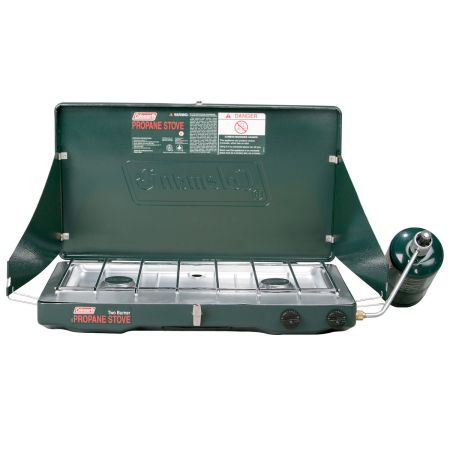
Coleman stoves commonly use propane, but some models work with liquid fuel. Propane is easy to find and use, but liquid fuel performs better in cold weather. Your choice depends on where you camp and what fuel is readily available.
Once, I ran out of propane mid-trip and had to switch to a liquid fuel stove. Knowing the fuel options beforehand can prevent this hassle.
Check Your Budget
Coleman stoves come in a range of prices. Higher-end models have extra features like adjustable heat controls and wind protection. Decide what features you need and what fits your budget.
Sometimes spending a bit more upfront means better durability and performance, which saves money and frustration in the long run.
Credit: www.bomgaars.com
Essential Gear For Camp Stove Cooking
Cooking outdoors with a Coleman camp stove needs the right gear. This gear makes cooking easier and safer. It helps you prepare tasty meals in the wild. Choosing the best tools saves time and effort. It also keeps your campsite clean and organized.
Fuel And Fuel Canisters
Fuel is the lifeblood of your camp stove. Always carry enough fuel canisters for your trip. Use the type recommended by Coleman for best results. Store fuel safely away from open flames. Check fuel levels before cooking to avoid surprises.
Cookware And Utensils
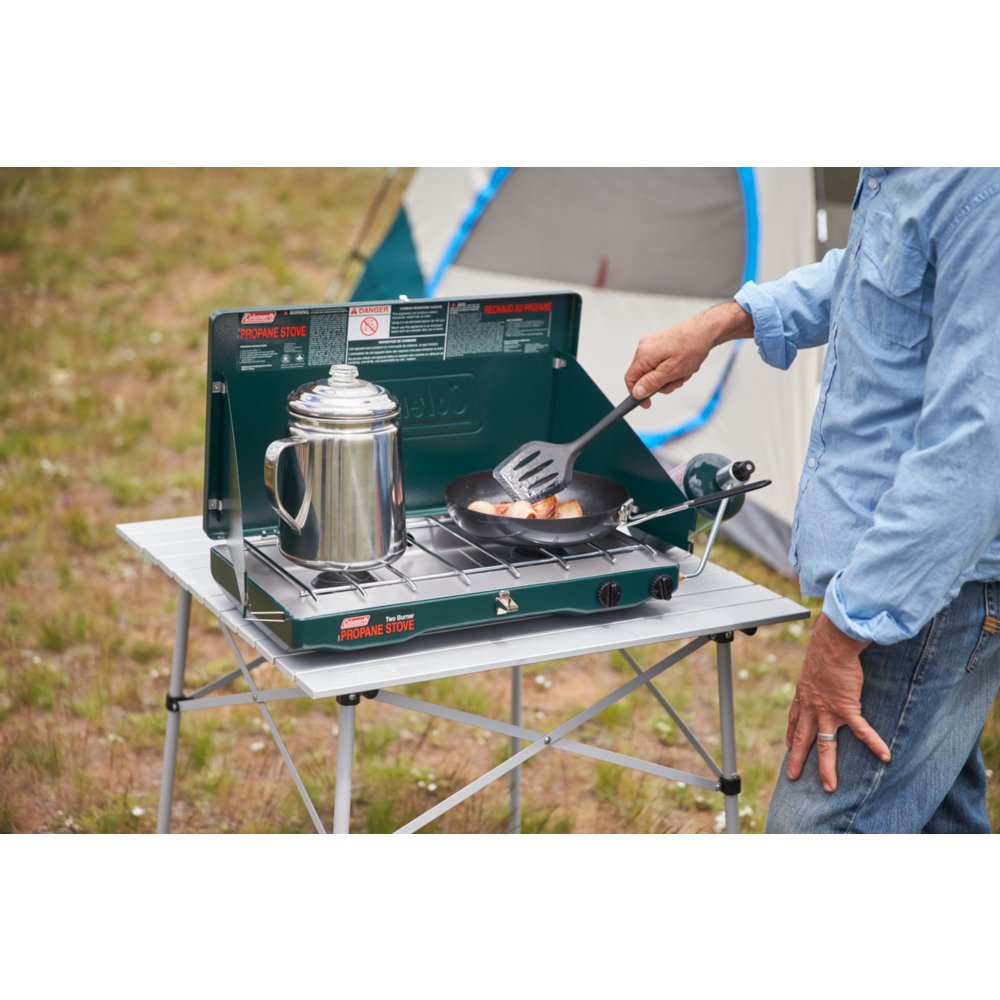
Pick lightweight pots and pans that fit your stove. Non-stick surfaces make cleaning easier. Bring a spatula, spoon, and tongs for cooking tasks. A small cutting board and knife help with food prep. Avoid heavy or bulky items to save space.
Windshield And Stove Stand
A windshield shields your stove from wind. This keeps the flame steady and saves fuel. Use a stove stand to keep it stable on uneven ground. Both tools improve cooking efficiency outdoors. They protect your flame from weather changes.
Ignition Tools
Many Coleman stoves have built-in igniters. Carry matches or a lighter as backup. Waterproof matches are best for wet conditions. Keep ignition tools in a dry, safe place. Ready flames mean quick and easy starts.
Cleaning Supplies
Bring a small sponge or cloth to clean pots and pans. Use biodegradable soap to protect nature. Pack trash bags to collect waste and keep the site clean. Cleaning gear helps maintain hygiene and prevents animals from visiting.
Setting Up Your Coleman Stove Safely
Setting up your Coleman camp stove safely is key for a good camping experience. A safe setup helps avoid accidents and makes cooking easier. Follow the steps carefully to keep yourself and others safe.
Choose A Flat, Stable Surface
Place your stove on a flat and stable surface. Avoid soft ground or uneven spots. This prevents the stove from tipping over while cooking.
Keep Away From Flammable Materials
Clear the area around the stove. Remove dry leaves, paper, or anything that can catch fire. A safe distance keeps fires from spreading.
Check The Fuel Source
Inspect the fuel canister or bottle for leaks. Tighten connections securely but do not over-tighten. Leaks can cause dangerous flames or explosions.
Ventilate The Cooking Area
Set up the stove in an open space or a well-ventilated tent. Proper airflow stops harmful gases from building up. Never use the stove inside a closed space.
Keep Children And Pets Away
Make sure kids and pets stay far from the stove. Hot surfaces and flames can cause serious burns. Create a safe zone around the cooking area.
Credit: liftingitalia.com
Fuel Types And Refilling Tips
Understanding the right fuel type and how to refill your Coleman camp stove is important for safe and efficient cooking. Different models use different fuels, so knowing what fits your stove helps avoid problems. Proper refilling keeps your stove working well and prevents leaks or accidents.
Types Of Fuel For Coleman Camp Stoves
Coleman camp stoves usually use liquid fuel or propane gas. Liquid fuel is often called Coleman fuel or white gas. It burns clean and works well in cold weather. Propane fuel comes in small canisters. It is easy to use and store. Some stoves can use both types, but you must check your stove’s instructions.
How To Refill Liquid Fuel Stoves
Refill liquid fuel stoves outside and away from flames. Use a funnel to pour fuel slowly into the tank. Do not overfill the tank; leave some space for pressure. After refilling, wipe any spilled fuel with a cloth. Check the fuel cap is tight before lighting the stove.
Refilling Propane Canisters
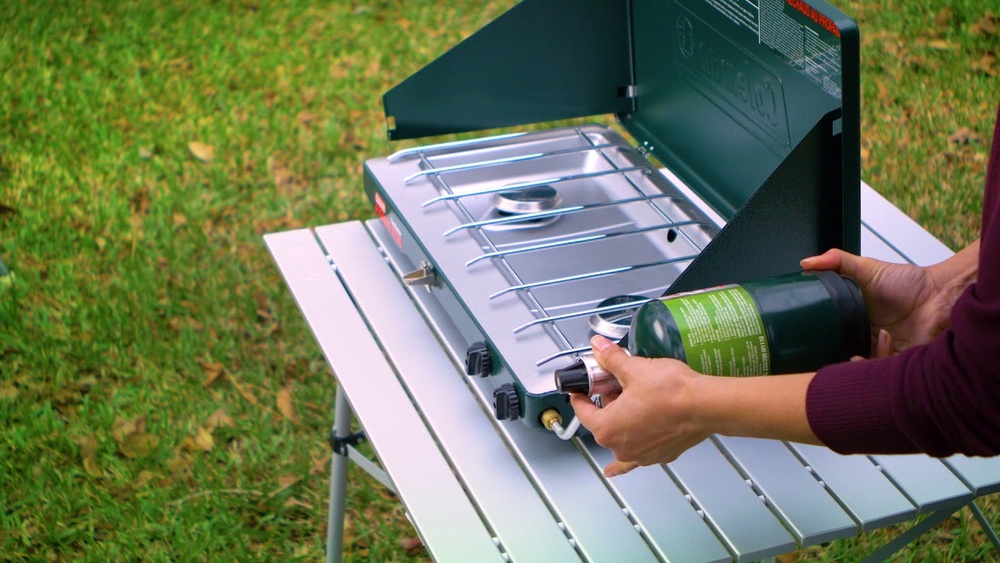
Propane canisters are usually disposable. Replace the empty canister with a new one. Screw the canister onto the stove’s fuel valve firmly. Avoid cross-threading. Store unused canisters in a cool, dry place. Never try to refill disposable propane canisters at home.
Safety Tips For Handling Fuel
Keep fuel away from children and pets. Store fuel in a well-ventilated area. Never smoke near fuel or stoves. Check fuel lines and connections for leaks before use. Use a soapy water solution to spot bubbles that show leaks. Fix or replace parts if leaks appear.
Lighting The Stove Step-by-step
Lighting a Coleman camp stove is simple and safe when done right. This step-by-step guide helps you start your stove quickly. Follow each step carefully for the best results.
Prepare The Stove
Place the stove on a flat, stable surface. Make sure the area is clear of flammable materials. Check that the fuel tank is full and properly attached.
Open The Fuel Valve
Turn the fuel valve slowly to release gas. Do not open it too much. A small amount of gas is enough to light the stove.
Ignite The Stove
Use a long lighter or match to light the burner. Hold the flame near the burner while the gas flows. The stove should light within seconds.
Adjust The Flame
Turn the fuel valve to control the flame size. A steady blue flame means efficient burning. Avoid a large or flickering flame.
Check For Safety
Watch the stove for a few minutes after lighting. Make sure the flame stays steady. Shut off the stove if you smell gas or see irregular flames.

Credit: www.youtube.com
Adjusting Flame For Perfect Cooking
Adjusting the flame on a Coleman camp stove is key for perfect cooking outdoors. The right flame size controls heat and cooks food evenly. Too high a flame can burn your meal. Too low may leave food undercooked. Learning to adjust the flame helps you cook safely and efficiently.
Locate The Flame Control Knob
First, find the flame control knob on your stove. It is usually on the front or side. This knob adjusts the fuel flow to the burner. Turning it changes the flame size. Start with a low flame before lighting the stove.
Ignite The Stove Safely
Open the fuel valve slightly. Use a match or lighter near the burner. The flame should appear quickly. Adjust the knob slowly to avoid large flames. Keep the flame steady before cooking.
Adjust Flame Size For Cooking
Turn the knob clockwise to lower the flame. Turn it counterclockwise to increase the flame. Use a medium flame for most cooking tasks. High flames are good for boiling water fast. Low flames work well for simmering sauces.
Watch The Flame Color
Check the flame color to ensure proper burning. A blue flame means good fuel and air mix. Yellow or orange flames mean incomplete burning. Adjust the air intake if flames look yellow. Clean the stove regularly for best flame quality.
Practice Safe Flame Adjustment
Never leave the stove unattended while burning. Keep flammable items away from the flame. Turn off the stove after cooking. Wait for the stove to cool before packing it away. Proper flame control ensures safe and tasty meals.
Cleaning And Maintenance Tips
Cleaning and maintaining your Coleman camp stove keeps it working well. Regular care prevents damage and extends its life. A clean stove cooks better and safer. Follow simple steps to keep your stove in top shape after each use.
Cleaning The Burner And Grates
Remove the grates carefully. Use a brush to clear dirt and food bits. Wipe the burner with a damp cloth. Avoid using harsh chemicals on the burner. Let all parts dry fully before reassembling the stove.
Checking And Cleaning The Fuel System
Inspect the fuel tank for leaks or rust. Clean the fuel cap and vent to stop clogging. Use fresh fuel to avoid blockages. Run the stove briefly to clear the fuel line. Replace any damaged parts right away.
Storing Your Coleman Camp Stove
Store the stove in a dry, cool place. Keep it covered to avoid dust and moisture. Remove the fuel if storing for a long time. Check the stove before each use to ensure safety.
Troubleshooting Common Issues
Using a Coleman camp stove is simple, but sometimes issues can appear. Troubleshooting helps fix these problems quickly. Knowing common issues saves time and keeps your cooking smooth.
Below are some common problems and easy ways to solve them. Follow these tips to enjoy your camping meals without stress.
Checking The Fuel Supply
First, make sure your stove has enough fuel. Empty or low fuel tanks stop the stove from working. Use fresh fuel for best results. Avoid old or contaminated fuel as it can clog the system.
Cleaning The Burner
Dirt or food particles can block the burner holes. This stops the flame from lighting well. Clean the burner with a soft brush or cloth. Remove any dust or debris to ensure a steady flame.
Adjusting The Flame Control
A weak or uneven flame may mean the control knob is not set right. Turn the knob slowly to find the right flame size. Avoid turning it too high or too low for better heat control.
Checking For Air Leaks
Air leaks can cause the stove to burn poorly or not at all. Check hoses and connections for holes or cracks. Tighten all fittings securely to stop leaks. Replace damaged parts if needed.
Lighting The Stove Properly
Stove may not light if the lighting steps are missed. Open the fuel valve slightly before lighting. Use a match or lighter near the burner. Keep the knob turned gently to allow fuel flow.
Safety Precautions For Outdoor Cooking
Using a Coleman camp stove outdoors is fun and useful. Safety is key for a good cooking experience. Outdoor cooking brings risks like fire and burns. Taking safety steps helps prevent accidents and keeps everyone safe.
Keep The Stove On A Flat Surface
Place the stove on firm, flat ground. This stops the stove from tipping over. Avoid soft or uneven areas. A steady base keeps cooking safe and easy.
Use The Stove Away From Flammable Items
Keep the stove far from dry grass, leaves, and tents. Flames can catch fire quickly. Clear space around the stove before lighting it. This lowers the risk of fire spreading.
Check The Fuel Canister Before Use
Look for leaks or damage on the fuel canister. A faulty canister can cause dangerous gas leaks. Always attach the canister tightly to the stove. Do not use damaged or old fuel containers.
Never Leave The Stove Unattended
Stay close to the stove while cooking. Unattended flames can cause fires fast. Watch the stove until you turn it off. This keeps the area safe and secure.
Keep Children And Pets Away
Make a safe zone around the stove. Children and pets can get burned or knock it over. Teach kids to stay back. Protect your loved ones from harm.
Turn Off The Stove Properly
Always shut off the stove after cooking. Wait for it to cool down before moving it. This prevents burns and unwanted fires. Properly storing the stove keeps it ready for next use.
FAQ: How to Use Coleman Camp Stove
How Do I Safely Light A Coleman Camp Stove?
First, check that fuel is properly connected and turned on. Use a match or lighter near the burner while turning the control knob. Keep your face and hands away from the burner when lighting.
What Type Of Fuel Does A Coleman Camp Stove Use?
Most Coleman camp stoves use white gas or propane canisters. Always check your stove’s manual for the correct fuel type. Using the wrong fuel can cause damage or accidents.
How Do I Clean My Coleman Camp Stove After Use?
Allow the stove to cool completely before cleaning. Wipe down surfaces with a damp cloth and mild soap. Remove and clean burner parts if needed to avoid clogs.
Can I Use A Coleman Camp Stove Indoors?
Coleman camp stoves are designed for outdoor use only. Using them indoors can cause dangerous carbon monoxide buildup. Always operate your stove in a well-ventilated outdoor area.
What Should I Do If My Coleman Stove Won’t Light?
Check the fuel level and connections first. Clean the burner and fuel lines to remove dirt or blockages. If problems continue, consult the user manual or contact customer support.
Conclusion
Using a Coleman camp stove makes cooking outdoors simple and safe. Always follow the instructions carefully for the best results. Keep your stove clean and check fuel levels before use. Practice lighting and adjusting the flame to cook evenly. Take safety steps to avoid accidents and enjoy your meals.
This stove helps you cook fast and enjoy nature. Now, you can prepare your favorite foods on every trip. Happy camping and cooking!