
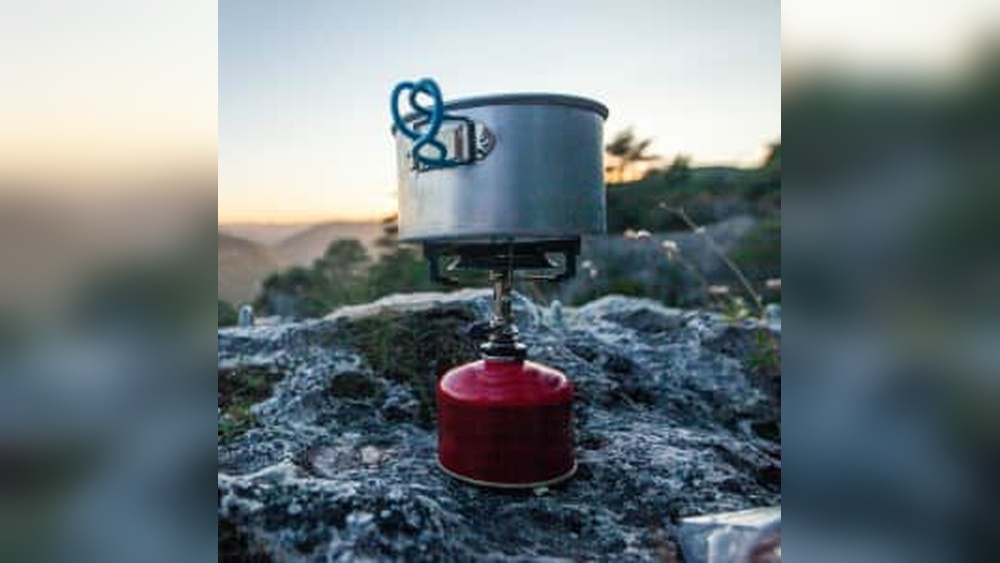
Are you ready to make your outdoor cooking simple and enjoyable? Knowing how to use a camping stove can turn your meals from a hassle into a highlight of your adventure.
Whether you’re a beginner or just looking to improve your skills, this guide will walk you through every step. You’ll learn how to set up, operate, and maintain your stove safely and efficiently. Keep reading, and you’ll discover tips that save time, fuel, and even frustration—so you can focus on the fun of camping and delicious meals under the open sky.
Table of Contents

Credit: www.amazon.com
Choosing The Right Stove
Choosing the right camping stove is very important for your outdoor cooking. A good stove makes your trip easier and more fun. It should be easy to carry, safe to use, and fit your cooking needs.
There are many types of camping stoves. Each type has its own features and uses. Knowing these can help you pick the best one for your trip.
Types Of Camping Stoves
Camping stoves come in several types. There are canister stoves, liquid fuel stoves, and wood-burning stoves. Canister stoves are light and easy to use. Liquid fuel stoves work well in cold weather. Wood stoves use natural fuel like twigs.
Portability And Weight
Portability is key for camping gear. Choose a stove that is light and compact. If you hike a lot, a smaller stove is better. For car camping, weight is less of a problem.
Fuel Availability
Fuel type affects your stove choice. Canister fuel is common and easy to find. Liquid fuel lasts longer and works in cold. Wood stoves need dry wood, which might be hard to find.
Cooking Needs
Think about what you will cook. Some stoves are better for boiling water fast. Others let you cook many dishes. Pick a stove that fits your cooking style.

Credit: www.youtube.com
Setting Up Your Stove
Setting up your camping stove is the first step for a safe and enjoyable cooking experience. Proper setup helps avoid accidents and ensures your stove works well outdoors. Follow clear steps to prepare your stove before lighting it.
Choose A Flat, Stable Surface
Find a level area free from rocks and debris. A flat surface keeps the stove steady and prevents spills. Avoid setting up near dry grass or leaves to reduce fire risk.
Check Fuel And Connections
Inspect the fuel canister or bottle for leaks or damage. Attach it firmly to the stove’s fuel line or connector. Make sure all parts fit tightly to avoid gas leaks.
Clear The Area Around The Stove
Remove any flammable items from the cooking zone. Keep tents, backpacks, and clothing at a safe distance. This step keeps your campsite safe during cooking.
Set Up Wind Protection
Use a windscreen or natural barriers to block strong winds. Wind can blow out the flame or waste fuel. Proper wind protection helps keep the flame steady.
Test The Stove Before Cooking
Light the stove and check the flame size and color. A blue flame shows good combustion, while yellow means incomplete burning. Adjust the fuel flow to get a steady flame.
Fuel Types And Storage
Choosing the right fuel for your camping stove is important. Different fuels work best with different stoves. Knowing how to store fuel safely keeps your trip worry-free. This section explains the main fuel types and how to store them correctly.
Canister Fuel
Canister fuel is common and easy to use. It usually contains propane or butane. This fuel fits small, lightweight stoves. Canisters are sealed and disposable. Store them in a cool, dry place. Avoid direct sunlight or heat. Do not store canisters inside a hot car. Check the canister for leaks before use.
Liquid Fuel
Liquid fuel includes white gas, kerosene, or unleaded gasoline. It works well in cold weather. Liquid fuel stoves need a pump to pressurize the fuel. Store liquid fuel in approved containers. Keep containers tightly closed to avoid spills. Store fuel away from flames or sparks. Use a ventilated area for fuel storage.
Solid Fuel
Solid fuel comes as tablets or blocks. It is lightweight and easy to carry. Solid fuel burns clean but slower than gas or liquid. Keep solid fuel dry to ensure good burning. Store tablets in a sealed container to avoid moisture. Keep solid fuel away from children and pets.
Ignition Methods
Igniting a camping stove is the first step to cooking outdoors. Different stoves use different ways to start the flame. Knowing these methods helps you use your stove safely and easily. Each ignition type has its pros and cons. Understanding them makes your camping experience smoother.
Manual Ignition With Matches Or Lighter
This is the most common and simple way to light a camping stove. Use waterproof matches or a reliable lighter for safety. Hold the flame close to the burner while turning the gas on slowly. Be careful to avoid gas buildup before lighting. This method works well for most stoves but needs extra caution.
Piezoelectric Ignition
Many modern camping stoves come with built-in piezo ignition. Press a button or turn a knob to create a spark that lights the gas. No need for matches or lighters. It is fast and convenient but may fail if the mechanism breaks. Always carry a backup ignition source just in case.
Flint And Steel Ignition
Some campers prefer flint and steel for a traditional ignition method. Strike the steel against the flint to produce sparks. Aim the sparks at the gas burner to ignite the flame. This method requires some practice and patience. It works well in windy or wet conditions.
Cooking Techniques Outdoors
Cooking outdoors with a camping stove is simple and fun. It lets you enjoy hot meals while surrounded by nature. Knowing different cooking techniques helps make your meals tasty and quick. You can cook many dishes with just one stove and some basic tools.
Boiling Water For Drinks And Meals
Boiling water is the easiest way to use a camping stove. It helps you make coffee, tea, or instant soups. Use a pot or kettle designed for camping. Keep the lid on to boil water faster. Watch the water closely to avoid boiling dry.
Sautéing Vegetables And Meats
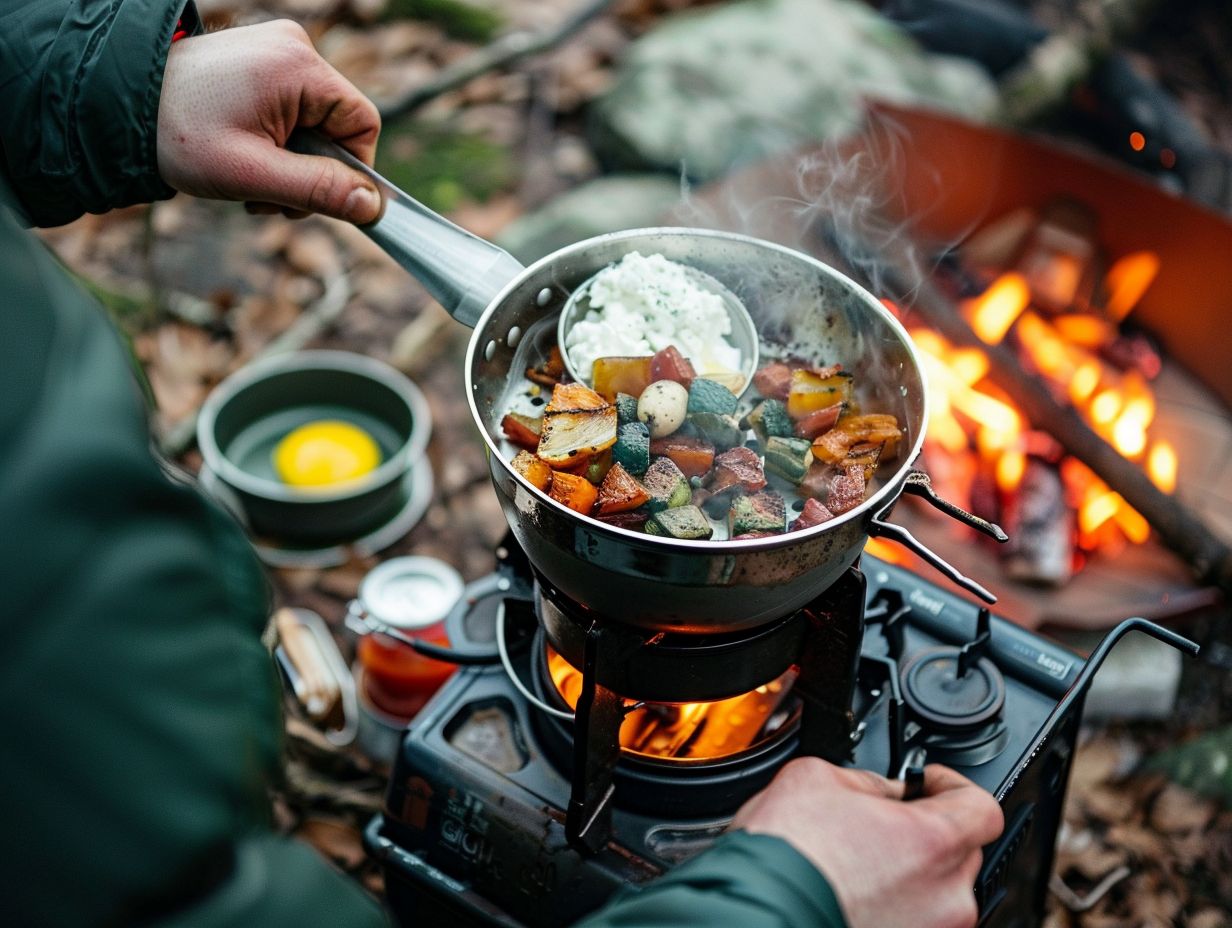
Sautéing cooks food quickly with little oil. Use a frying pan on your camping stove. Cut food into small pieces for even cooking. Stir often to prevent burning. This method keeps food fresh and full of flavor.
Simmering Soups And Stews
Simmering means cooking food slowly at low heat. Use a pot with a tight lid. Keep the flame low to avoid boiling. Simmering blends flavors and softens ingredients. It is perfect for soups and stews on the trail.
Grilling With A Camping Stove
Some camping stoves come with grill attachments. Grill small pieces of meat or vegetables. Use oil or spray to stop food from sticking. Turn food often for even cooking. Grilling adds a nice smoky taste outdoors.
Heating Pre-cooked Meals
Heating ready-made meals saves time and effort. Place the meal in a pan or pot. Heat gently on low to medium flame. Stir if needed to warm evenly. This technique is great for busy days outside.
Maintaining Stove Stability
Maintaining stove stability is key to safe and effective camping cooking. A stable stove prevents spills and accidents. It also helps cook food evenly without interruptions.
Choosing the right surface and setting up the stove carefully ensures steady support. Small steps make a big difference in stove performance and safety.
Choose A Flat And Firm Surface
Select a flat ground area free of rocks and debris. A firm surface stops the stove from tipping or sinking. Avoid soft soil or uneven spots that cause instability.
Use Stove Legs And Supports Properly
Extend all stove legs fully and lock them in place. Check each leg is steady before lighting the stove. Use built-in supports or tripod stands for extra balance.
Keep Wind Protection In Mind
Wind can shake or tip a camping stove easily. Use a windscreen to block gusts. Position the stove behind natural barriers like rocks or bushes.
Secure Fuel Canisters Correctly
Attach fuel canisters tightly and place them on stable ground. Loose or unsteady canisters create wobble and risk leaks. Check connections before use.
Use Additional Weight If Needed
Place heavy objects near the stove base for more stability. Stones or sandbags help steady the setup. Avoid anything flammable near the stove.
Safety Precautions
Using a camping stove needs care and attention. Safety is the top priority. Stoves use fire and gas. Both can be dangerous without proper steps. Follow these safety tips to keep safe outdoors.
Check The Stove Before Use
Always inspect your camping stove before lighting it. Look for cracks, leaks, or damage. Make sure all parts fit tightly. A small gas leak can cause a fire. Test connections by applying soapy water. Bubbles show leaks. Fix any problems before use.
Use The Stove In Open Air
Set up your camping stove outside or in a well-ventilated area. Never use it inside a tent or enclosed space. Burning fuel produces harmful gases like carbon monoxide. Fresh air keeps you safe and helps the stove burn well.
Keep Flammable Items Away
Clear the area around your stove. Remove dry leaves, paper, or cloth. Keep fuel bottles and sprays far from the flame. Flames can easily catch nearby items on fire. A clean space lowers fire risks.
Light The Stove Carefully
Use a long match or lighter to light the stove. Turn on the gas slowly to avoid flare-ups. Do not lean over the stove while lighting. Stay calm and steady to prevent accidents.
Monitor The Stove During Use
Never leave your stove unattended while it is on. Fires can start quickly. Watch children and pets near the stove. Always be ready to turn it off if needed.
Turn Off And Cool Down
After cooking, turn off the gas completely. Let the stove cool before packing it away. Hot parts can cause burns or start fires. Store the stove safely after use.
Credit: theexpertcamper.co.uk
Cleaning And Maintenance
Cleaning and maintenance keep your camping stove safe and working well. Dirt and food bits can block parts. This lowers stove performance and can cause problems. Regular care makes your stove last longer and cook better.
Cleaning The Burner And Grill
Remove the burner and grill after use. Brush off crumbs and dirt with a soft brush. Use warm soapy water and a cloth for tough spots. Avoid soaking parts with fuel lines or valves. Let everything dry before putting back together.
Checking And Cleaning Fuel Lines
Fuel lines can get clogged with dirt or old fuel. Look for cracks or leaks often. Use a thin brush or pipe cleaner to clear blockages. Replace damaged lines quickly to avoid accidents. Keep connections tight and secure.
Storing Your Stove Properly
Store the stove in a dry, cool place. Keep it away from dust and moisture. Use a protective case or bag if possible. Empty fuel tanks before storage to prevent leaks. Proper storage stops rust and damage.
Troubleshooting Common Issues
Camping stoves make cooking outdoors easy and fun. Still, issues can arise during use. Troubleshooting common problems helps keep your stove working well. Understanding simple fixes saves time and frustration.
Here are common problems and clear ways to solve them. Follow these tips to enjoy your cooking without hassle.
Checking For Fuel Supply Problems
First, ensure your stove has enough fuel. Empty or low fuel tanks cause weak flames or no flame. Use the correct fuel type for your stove. Inspect the fuel canister or bottle for leaks or damage. Replace or refill fuel if needed.
Clearing Blocked Burners
Burners can get clogged with dirt or food debris. This blocks gas flow and reduces flame size. Turn off the stove and let it cool. Use a small brush or pin to clean burner holes gently. Avoid using sharp objects that may cause damage.
Fixing Ignition Failures
Many stoves have built-in igniters. If the stove won’t light, check the igniter’s spark. Dirt or moisture can stop the spark. Clean the igniter tip with a dry cloth. If the igniter still fails, light the stove with a match or lighter carefully.
Managing Wind Interference
Wind can blow out the flame or weaken heat. Use a windscreen around your stove to block gusts. Position the stove behind natural wind barriers like rocks or trees. Keep your cooking area stable and safe from sudden wind changes.
Dealing With Low Flame Or Heat
A low flame might mean fuel flow is restricted. Check the fuel valve and adjust it slowly. Cold weather can also reduce stove performance. Warm your fuel canister by keeping it close to your body before use. Avoid over-tightening connections to keep gas flowing freely.
FAQ: How to Use a Camping Stove
What Are The Basic Steps To Use A Camping Stove Safely?
Start by placing the stove on a flat, stable surface away from flammable materials. Connect the fuel source securely and check for leaks. Light the stove carefully using a match or lighter.
How Do I Choose The Right Fuel For My Camping Stove?
Look for fuel that fits your stove type, like propane, butane, or white gas. Consider the weather; some fuels work better in cold conditions. Always carry extra fuel for longer trips.
Can I Cook All Types Of Food On A Camping Stove?
Yes, you can cook most foods like soups, pasta, and grilled items. Just use suitable cookware that fits your stove size. Avoid foods that need very high heat or long cooking times.
How Do I Clean And Maintain My Camping Stove?
Let the stove cool down completely before cleaning. Wipe the surface with a damp cloth and remove any food residue. Regularly check the fuel lines and connections for damage or leaks.
What Safety Tips Should I Follow While Using A Camping Stove?
Keep children and pets away from the stove during use. Never use the stove inside tents or enclosed spaces. Always have water or a fire extinguisher nearby for emergencies.
Conclusion
Using a camping stove makes cooking outdoors simple and safe. Always follow safety rules to avoid accidents. Choose the right fuel and keep your stove clean. Practice lighting and adjusting the flame before your trip. Carry extra fuel and tools for repairs.
Cooking meals on a camping stove saves time and effort. Enjoy warm food while surrounded by nature. With care and attention, your camping stove will serve you well. Ready to cook and explore the wild?