
Imagine sinking into a cozy hammock, feeling the gentle sway as stress melts away. Setting up your own hammock might seem tricky, but it’s easier than you think—and once you know how, you’ll unlock a new level of relaxation right in your backyard or wherever you go.
In this guide, you’ll discover simple, step-by-step tips to hang your hammock safely and quickly. Ready to turn any spot into your personal chill zone? Let’s dive in and get you swinging in no time.
Table of Contents
Credit: dutchwaregear.com
Choosing The Right Hammock
Choosing the right hammock is key to a good rest outdoors. The right hammock fits your needs, space, and style. It also keeps you comfortable and safe.
Types Of Hammocks
Hammocks come in many styles. Rope hammocks offer good air flow but can leave marks on skin. Fabric hammocks feel soft and warm. Camping hammocks are lightweight and easy to carry. Choose the type that matches your use.
Material Matters
Hammocks use cotton, polyester, or nylon. Cotton feels soft but can get heavy when wet. Polyester dries fast and lasts long. Nylon is very light and strong. Pick a material that fits your climate and comfort.
Size And Weight Capacity
Check hammock size before buying. Single hammocks fit one person. Double hammocks are wider and hold two people. Look at the weight limit to stay safe. Pick a size that fits your space and body weight.
Portability And Setup
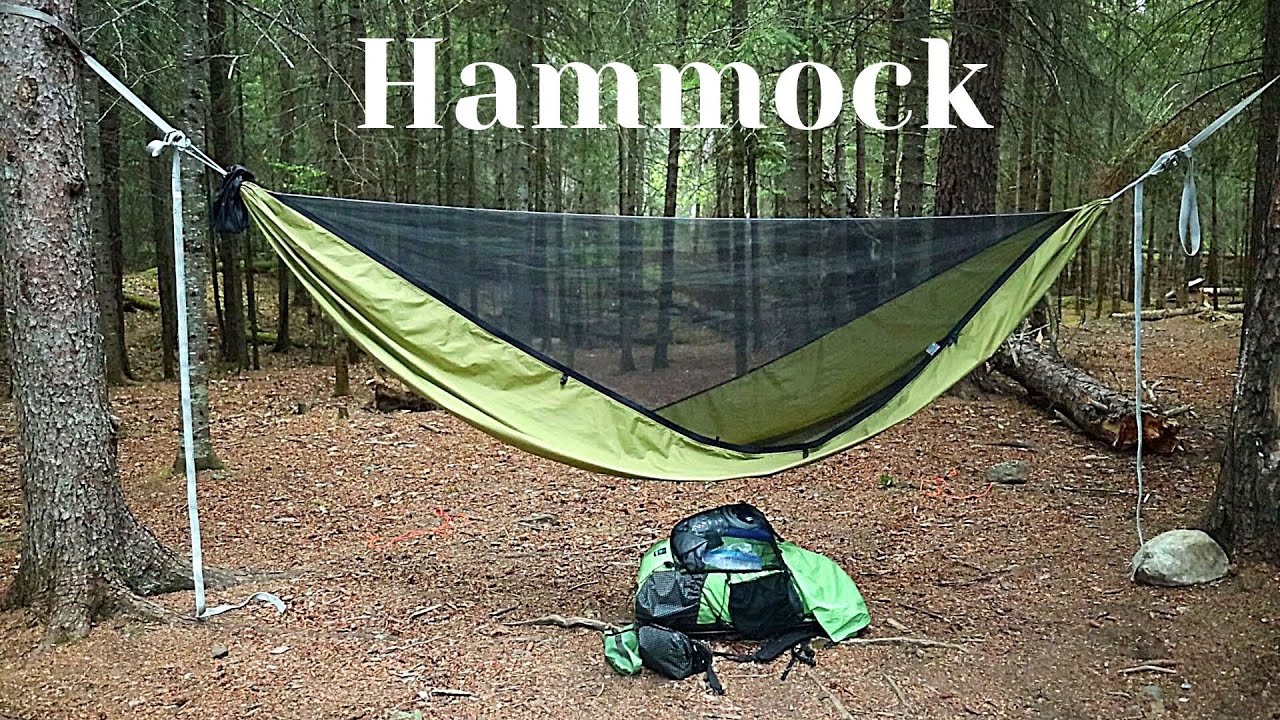
Some hammocks fold small and are easy to carry. Camping hammocks often come with straps and bags. If you travel or hike, pick a portable hammock. Easy setup makes outdoor rest quick and simple.
Credit: www.youtube.com
Picking The Perfect Location
Choosing the right spot for your hammock is key to enjoying it fully. The perfect location offers comfort, safety, and a pleasant view. It sets the mood for relaxation and peace. This section helps you find the best place to hang your hammock.
Finding Strong Anchor Points
Look for two sturdy trees or posts about 10 to 15 feet apart. The anchors must support your weight without bending or breaking. Check the trees for health; avoid dead or weak ones. Solid anchors keep your hammock safe and steady.
Considering Ground Surface
Pick a spot with soft ground like grass or dirt. Avoid rocky or uneven surfaces below the hammock. Soft ground helps if you accidentally fall. It also makes setting up easier and safer.
Checking Sun And Shade
Decide if you want sun or shade while resting. A shaded spot keeps you cool on hot days. Sunlight warms you on cooler mornings. Think about the time of day you will use the hammock most.
Ensuring Privacy And Quiet
Choose a place away from busy paths or noisy areas. Privacy makes relaxation deeper and more peaceful. Quiet spots help you enjoy nature and unwind fully. Find a calm corner where you feel safe.
Gathering Essential Tools
Setting up a hammock begins with gathering the right tools. Having the correct items makes the process easier and safer. It also ensures your hammock will hold well and last longer.
Preparing these tools before starting saves time. It helps avoid frustration and keeps the setup smooth. Here are the essential tools you need for a perfect hammock setup.
Choosing The Right Straps Or Ropes
Strong straps or ropes are key for securing the hammock. Look for durable materials like nylon or polyester. These materials hold weight and resist weather damage. Avoid using thin or weak ropes that can break easily.
Selecting Appropriate Carabiners
Carabiners connect the hammock to the straps or ropes. Pick ones made of metal, not plastic. Metal carabiners are stronger and safer. Check the weight rating on the carabiner to ensure it supports your body weight.
Finding Suitable Anchor Points
Trees, posts, or sturdy beams work well as anchor points. Choose trees that are healthy and at least 6 inches wide. Avoid dead or weak trees. Make sure the anchor points are about 10 to 15 feet apart.
Using A Level Or Measuring Tape
A level or measuring tape helps position the hammock evenly. Measure the distance between anchor points carefully. This step ensures the hammock hangs at the right height and angle. Proper height prevents discomfort and increases safety.
Measuring Distance And Height
Measuring the right distance and height is key to setting up a hammock safely and comfortably. These two factors affect how your hammock hangs and how much it swings. Getting them right helps you relax without worry.
Start by knowing the total length of your hammock. This helps pick the right spots to hang it. Next, measure the space between two anchor points, like trees or posts. This distance should match your hammock length but be slightly shorter for proper tension.
Measuring The Distance Between Anchor Points
Measure the space where you want to hang your hammock. Use a tape measure or rope for accuracy. The ideal distance is usually 10 to 15 feet. This depends on your hammock size. Keep the distance slightly less than your hammock length. This allows the hammock to hang with a good curve.
Determining The Correct Hanging Height
Check the height of your anchor points. Aim to hang the hammock about 4 to 5 feet off the ground. This height keeps the hammock easy to get in and out. It also prevents it from touching the ground when you lie down. Adjust the height if your anchor points are very tall or short.
Adjusting For Comfort And Safety
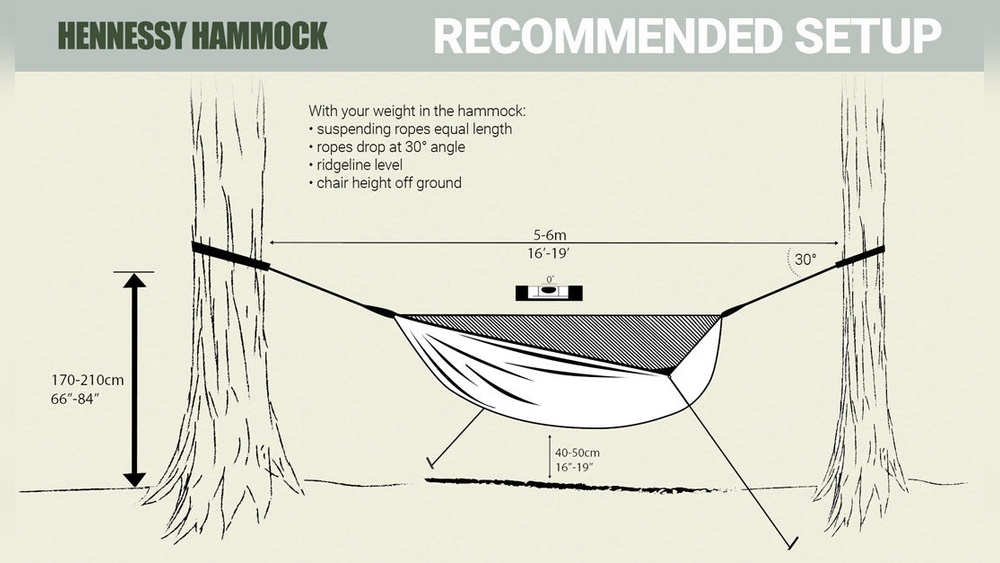
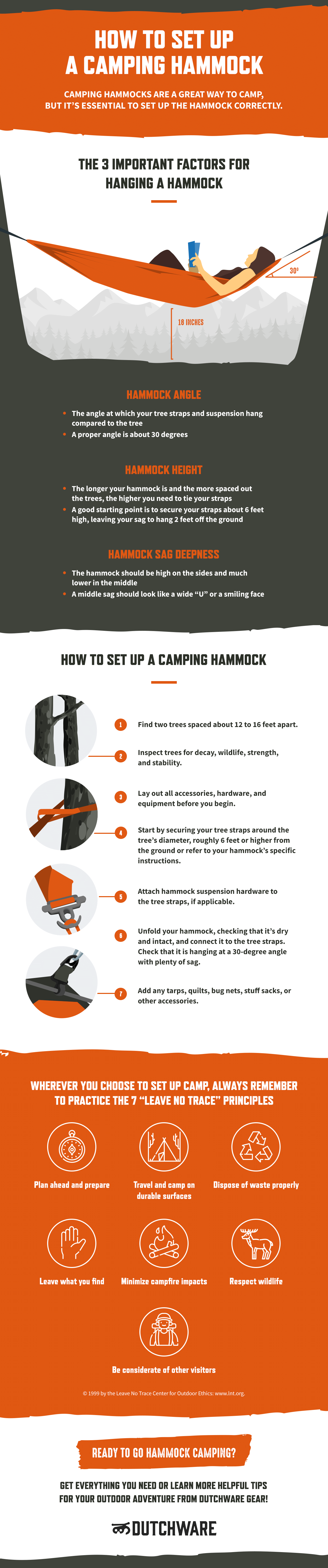
Test the setup before use. The hammock should have a 30-degree angle from the anchor points. This angle gives enough slack and support. Adjust the ropes or straps to achieve this. Ensure the hammock is stable and not too tight. Proper setup avoids discomfort and accidents.
Attaching Straps Or Ropes
Attaching straps or ropes is the key step in setting up a hammock. It holds the hammock safely between two points. The right method keeps you secure and comfortable. Choosing the correct straps or ropes matters. They must support your weight and avoid damage to trees or posts.
Use strong, durable materials. Nylon or polyester straps are common choices. They resist weather and won’t stretch much. Avoid thin ropes that can cut into trees or slip. Properly attaching the straps or ropes also protects nature.
Choosing The Right Attachment Points
Find two sturdy trees or posts about 10 to 15 feet apart. They should be healthy and strong. Avoid trees with loose bark or signs of disease. The height of the attachment points should be about 4 to 5 feet from the ground. This allows the hammock to hang with a good curve.
Wrapping Straps Around Trees
Place the strap around the tree at the chosen height. Wrap it tightly to prevent slipping. Use straps with sewn loops or carabiners for easy attachment. Avoid knots that can damage the tree bark. The strap should lie flat against the tree to spread pressure evenly.
Securing With Knots Or Carabiners
If using ropes, tie strong knots like the bowline or taut-line hitch. These knots hold firm and are easy to adjust. Carabiners offer quick, secure connections if straps have loops. Check that all knots and carabiners are tight before use. Safety depends on secure attachments.
Securing The Hammock
Securing the hammock is the most important step. It keeps you safe and comfortable. You need strong points to hang your hammock. Trees, posts, or sturdy beams work well. The right setup prevents accidents and damage.
Choosing The Right Anchor Points
Select trees or poles that are healthy and strong. They should be about 10 to 15 feet apart. Avoid thin or dead trees. The anchors must hold your full weight easily. Check the surface for cracks or weakness.
Using Straps Or Ropes
Use wide straps or strong ropes to tie your hammock. Wrap straps around the anchor points. Avoid thin ropes that can cut into trees. Straps protect trees and hold the hammock firmly. Secure knots like the bowline or taut-line hitch.
Adjusting The Height And Tension
Hang the hammock so it sits about 18 inches off the ground. Adjust the straps to change tension. The hammock should have a gentle curve or sag. Too tight feels stiff; too loose can cause tipping. Test by sitting carefully before lying down.
Testing For Safety
Testing your hammock for safety is a key step before relaxing. It helps avoid accidents and ensures a secure setup. Taking time to check every part builds confidence and comfort. Let’s explore simple ways to test your hammock safely.
Inspecting Suspension Points
Check trees, posts, or hooks holding the hammock. They must be strong and healthy. Look for cracks, loose bark, or weak spots. Make sure anchors are firm and won’t move. Avoid using dead or thin branches.
Checking Ropes And Straps
Examine ropes or straps for frays and tears. Replace any worn or damaged parts right away. Ensure knots are tight and secure. Use straps designed for hammocks to prevent slipping.
Performing A Weight Test
Before full use, test the hammock with light pressure. Push down slowly to check for stability. Increase weight gradually to confirm strength. Do not exceed the hammock’s weight limit.
Listening For Warning Signs
Pay attention to sounds like creaks or snaps. These noises may show weak points. Stop using the hammock if you hear anything unusual. Re-inspect and fix problems before trying again.

Credit: theultimatehang.com
Adjusting For Comfort
Adjusting your hammock for comfort makes your rest more relaxing. Small changes can help you find the perfect position. Comfort depends on how you hang the hammock and how you set your body in it. Here are simple tips to adjust your hammock for the best experience.
Choosing The Right Height
Hang your hammock so it is about 18 inches above the ground. This height lets you get in and out easily. It also keeps you safe from bugs and dirt. Use a tape measure or estimate by eye. Adjust the height based on your comfort and surroundings.
Setting The Proper Sag
Your hammock should have a gentle curve or sag. Avoid hanging it too tight or too loose. A sag of about 30 degrees from the horizontal is ideal. This shape supports your body well and reduces pressure points. Adjust the ropes or straps until the sag feels right.
Positioning Your Body
Lie diagonally across the hammock for better support. This position flattens the fabric and eases tension on your back. Keep your feet slightly higher than your head for better blood flow. Shift your body gently until you feel balanced and cozy.
Using Extra Padding
Add a small pillow or folded blanket under your head. Place a thin cushion or pad beneath your back for extra softness. These extras make long rests more pleasant. Experiment with different padding to find what feels best.
Maintaining Your Hammock
Maintaining your hammock helps it last longer and stay safe. Regular care keeps the fabric strong and the ropes tight. A well-kept hammock also feels more comfortable every time you use it.
Cleaning Your Hammock
Remove dirt and dust often. Use mild soap and water to clean the fabric. Avoid harsh chemicals that damage fibers. Let the hammock dry completely in the sun. This stops mold and mildew from growing.
Checking For Wear And Tear
Look closely at the ropes and fabric. Find frays, tears, or weak spots early. Replace or repair damaged parts quickly. This prevents accidents and keeps you safe.
Storing Your Hammock Properly
Keep your hammock in a dry place when not in use. Avoid leaving it outside during rain or strong sun. Fold it neatly to avoid creases and damage. Proper storage extends the hammock’s life.
Tightening And Adjusting
Check the knots and hanging points regularly. Tighten loose ropes to keep the hammock stable. Adjust the height to match your comfort. A secure hammock feels safe and relaxing.
FAQ: How to Set Up a Hammock
How Do I Choose The Right Spot To Hang A Hammock?
Pick two strong trees or posts about 10 to 15 feet apart. Make sure the area is clear of sharp objects. The height should be around 4 to 6 feet for comfortable hanging.
What Tools Do I Need To Set Up A Hammock?
You need sturdy straps or ropes and a carabiner or hooks. A measuring tape helps for correct spacing. No heavy tools are usually required.
How High Should I Hang My Hammock?
Hang your hammock so the lowest point is about 18 inches above the ground. This height is safe and easy to get in and out of. Adjust based on your comfort.
Can I Hang A Hammock Indoors?
Yes, but you need strong wall studs or ceiling beams. Use proper anchors made for indoor use. Check weight limits before hanging.
How Do I Protect Trees When Hanging A Hammock?
Use wide straps instead of thin ropes to avoid bark damage. Wrap straps around the tree without tightening too much. This keeps trees safe and healthy.
Conclusion
Setting up a hammock is simple and fun. Choose strong trees or posts to hang it safely. Use sturdy ropes or straps to hold weight well. Make sure the hammock hangs at a good height for comfort. Double-check knots and attachments before sitting.
Relax and enjoy your cozy outdoor spot. A well-set hammock brings peace and rest. Try different spots to find your favorite place. Now you know how to hang a hammock right. Time to enjoy the calm and fresh air!