
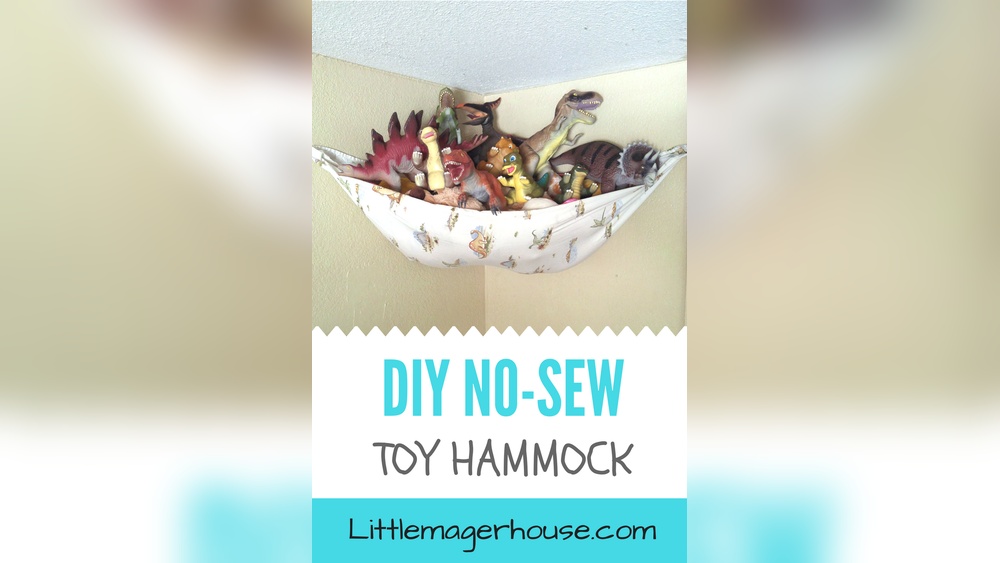
Do you have a collection of stuffed animals that’s starting to take over your space? Imagine a simple, fun way to organize them that also adds a cozy touch to your room.
A stuffed animal hammock is the perfect solution. It keeps your toys off the floor, makes your room look neat, and is surprisingly easy to make. In this guide, you’ll discover step-by-step how to create your own stuffed animal hammock.
By the end, you’ll have a stylish storage spot that both you and your stuffed friends will love. Ready to get started? Let’s dive in!
Table of Contents

Credit: www.youtube.com
Materials Needed
Gathering the right materials is the first step to make a stuffed animal hammock. It helps keep the project simple and fun. Having all items ready saves time and avoids pauses during crafting.
Choose soft and strong fabrics to hold the stuffed toys safely. Also, pick tools that make cutting and sewing easy. The right supplies make the hammock sturdy and comfortable.
Fabric
Select a cotton or fleece fabric. These materials are soft and durable. Pick a size large enough for your stuffed animals.
Rope Or Cord
Use a thick rope or strong cord. It supports the hammock well. Make sure it is safe for hanging indoors.
Scissors
Sharp scissors help cut fabric and rope cleanly. Dull scissors make cutting difficult and uneven.
Measuring Tape
Measure fabric and rope accurately with a tape. It ensures the right hammock size and balance.
Sewing Needle And Thread
A sturdy needle and matching thread hold the fabric together. Hand sewing or machine sewing both work.
Hooks Or Wall Anchors
Use hooks or anchors to hang the hammock on walls. Choose ones that fit your wall type and weight needs.
Choosing The Right Fabric
Choosing the right fabric is key to making a stuffed animal hammock. The fabric affects the hammock’s strength, comfort, and look. A soft and sturdy fabric keeps toys safe and cozy. It also makes the hammock last longer. Picking the best fabric helps you create a perfect spot for stuffed animals to rest.
Durability And Strength
Pick fabric that can hold weight without tearing. Cotton canvas and denim are strong options. They support many stuffed animals easily. Avoid thin fabrics that might rip or stretch out. Durable fabric keeps the hammock safe and reliable.
Softness And Comfort
Stuffed animals need a soft resting place. Choose fabrics like fleece or flannel. These feel gentle and cozy to touch. Soft fabric adds comfort and makes the hammock look inviting. It also protects the toys from scratches.
Easy To Clean
Stuffed animal hammocks get dusty fast. Use fabrics that clean easily in a washing machine. Cotton and polyester blends are good choices. They dry quickly and keep their shape well. Easy-care fabric saves time and effort.
Color And Pattern
Pick colors that match the room decor or child’s taste. Bright colors add fun and energy. Patterns like stars or animals make the hammock playful. Choose fabric that looks nice and fits the style of the space.
Measuring Your Space
Measuring your space is the first step to making a stuffed animal hammock. It helps you know how big your hammock should be. Accurate measurements make sure the hammock fits well and holds all your toys safely.
Take your time to check the area where you want to hang the hammock. Think about the height, width, and depth of the space. This way, you avoid making a hammock that is too big or too small for your room.
Measure The Width Of The Space
Use a tape measure to find the width between the two walls or furniture pieces. Write down the number. Leave some extra space for the hammock to hang freely.
Measure The Height Available
Check the distance from the floor to where you want to attach the hammock. This height decides how low or high the hammock will hang. Make sure it is easy to reach but safe for your stuffed animals.
Check The Depth Of The Space
Look at how far the space goes back. This helps you know how deep the hammock can be. Your stuffed animals need enough room to sit comfortably without falling out.
Credit: 5outof4.com
Cutting The Fabric
Cutting the fabric is the first important step to make a stuffed animal hammock. Precise cuts ensure the hammock holds well and looks neat. Taking time to measure and cut carefully makes the sewing easier later.
Choose a soft but strong fabric. Fleece or cotton works best. Use sharp fabric scissors for clean edges. Avoid dull scissors that can fray the fabric.
Preparing Your Fabric For Cutting
Wash and dry the fabric before cutting. This stops shrinking after sewing. Iron the fabric flat to remove wrinkles. Smooth fabric helps you cut straight lines.
Measuring The Fabric Pieces
Use a ruler or measuring tape. Mark the fabric with a fabric pencil or chalk. Measure twice to avoid mistakes. Cut the fabric into rectangles or squares as per your plan.
Cutting The Fabric Accurately
Place the fabric on a flat surface. Cut slowly along the marked lines. Keep scissors steady for straight edges. Make sure all pieces match in size for a balanced hammock.
Sewing The Edges
Sewing the edges of your stuffed animal hammock is a key step. It makes the hammock strong and neat. Well-sewn edges stop the fabric from fraying. This part needs care and patience.
Use a sewing machine or hand stitch for better control. Choose a thread color that matches your fabric. Keep stitches close together for durability. This way, the hammock will hold many stuffed animals safely.
Simplify With A Straight Stitch
A straight stitch is easy and effective. It sews the edges firmly. Set your machine to a medium stitch length. Sew slowly along the edge for neatness. Keep the fabric flat to avoid wrinkles.
Use A Zigzag Stitch To Prevent Fraying
Zigzag stitches cover raw edges well. They stop threads from coming loose. Set your machine to a zigzag pattern. Stitch along the fabric edge carefully. This adds extra strength to your hammock.
Finish With A Double Stitch For Extra Strength
Double stitching means sewing over the same line twice. It makes the seam tough and long-lasting. After the first stitch, sew again right beside it. This step is good for heavy loads of stuffed animals.
Attaching The Straps
Attaching the straps is an important step in making a stuffed animal hammock. This part makes sure the hammock stays strong and safe for toys. Properly fixed straps help the hammock hang well and keep the stuffed animals secure.
Use sturdy materials for the straps. These will hold the weight without breaking. Measure the length needed to fit the space where the hammock will hang. Cut the straps evenly for balance.
Choosing The Right Strap Material
Select a strong fabric like nylon or cotton webbing. These materials hold weight and last long. Avoid thin or stretchy fabrics. They might not support the stuffed animals well.
Measuring And Cutting The Straps
Measure the distance between the two hanging points. Add a few extra inches for knots or loops. Cut two equal pieces. This helps keep the hammock level.
Securing The Straps To The Hammock
Fold the strap ends over the hammock edges. Sew the straps tightly with a strong stitch. Double stitching increases strength. Check that the straps do not slip or loosen.
Attaching Hooks Or Loops
Add hooks or loops at the strap ends for easy hanging. Use metal or plastic hooks that fit your hanging spot. Make sure hooks are fixed tightly to avoid falling.
Mounting The Hammock
Mounting the stuffed animal hammock is an important step. It makes sure the hammock holds well and stays safe for your toys. The right mounting method helps keep the hammock steady and easy to use. This part is simple and fun if you follow the steps carefully.
Choose The Best Location
Pick a spot with strong walls or corners. Avoid places near doors or windows. The hammock needs space to hang freely. Make sure kids can reach the hammock easily.
Mark The Mounting Points
Use a pencil to mark two points on the wall. The points should be the same height. Measure the distance to match the hammock’s width. Double-check the marks before drilling.
Install Wall Hooks Or Anchors
Use wall hooks or anchors made for the wall type. For drywall, choose anchors with screws. Drill small holes at the marked points. Screw in hooks tightly to hold the hammock’s weight.
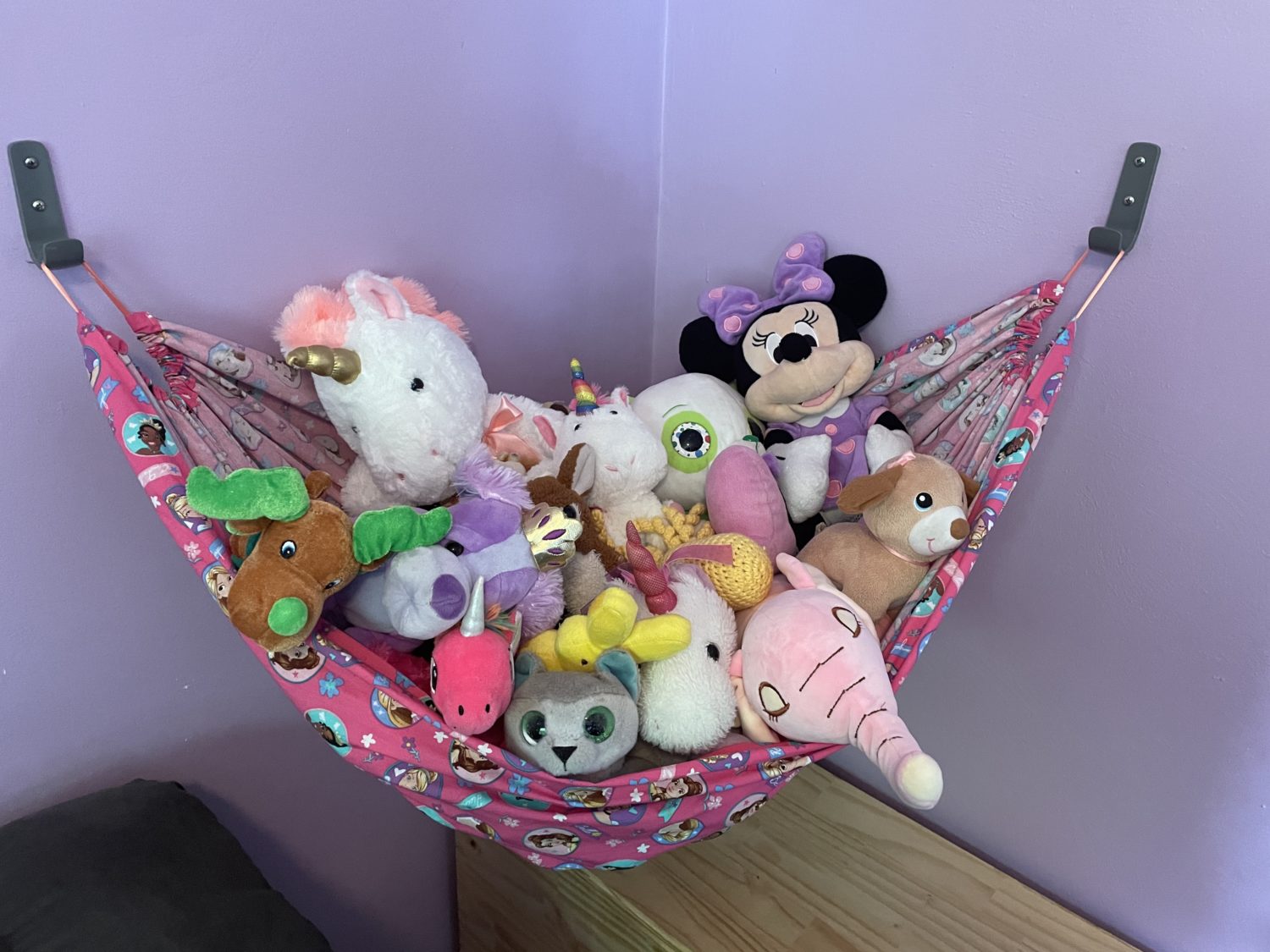
Attach The Hammock Loops
Connect the hammock loops to the hooks. Use strong rings or carabiners for easy removal. Pull the hammock to test its strength. Adjust if the hammock feels loose or too tight.
Credit: www.marchingnorth.com
Safety Tips
Safety is very important when making a stuffed animal hammock. It keeps children safe and prevents accidents. Follow simple rules to make the hammock strong and secure. Use safe materials and check your work carefully. This helps create a fun and safe place for toys.
Choose Strong And Non-toxic Materials
Pick fabrics that do not tear easily. Use soft but durable cloth. Avoid materials with harmful chemicals. Choose non-toxic paint or markers for decoration. This protects children from allergies or poisoning.
Securely Attach The Hammock
Fasten the hammock tightly to the wall or furniture. Use strong hooks or nails. Test the strength before placing stuffed animals inside. Loose attachments can cause falls or damage.
Keep The Hammock At A Safe Height
Hang the hammock low enough to reach easily. Avoid placing it too high on the wall. This prevents falls or injuries when removing toys. A good height is about waist level for children.
Check For Sharp Edges And Loose Threads
Inspect the hammock for sharp hooks or nails. Cut off any loose threads that can catch fingers. Smooth out rough edges on wood or metal parts. This avoids scratches and cuts.
Regularly Inspect And Maintain The Hammock
Look over the hammock every few weeks. Check for wear and tear or weak spots. Repair or replace parts if needed. Keeping it in good shape keeps toys safe and secure.
Decorating Ideas
Decorating your stuffed animal hammock can turn it into a fun and cozy space. Small touches make a big difference. Choose colors and styles that match the room or your child’s favorite themes. Decorating also adds personality and charm. It invites kids to use and enjoy the hammock more.
Choose Colorful Fabrics
Select bright, cheerful fabrics for the hammock. Patterns like stars, animals, or polka dots catch the eye. Use fabrics that are soft and easy to clean. Colorful fabrics make the hammock look playful and inviting.
Add Decorative Pillows
Include small pillows inside the hammock. Pick pillows in shapes like hearts, stars, or animals. Soft pillows add comfort and style. They make the space cozy and perfect for stuffed animals.
Use String Lights
Wrap small string lights around the hammock frame. Lights add a warm, magical glow. Choose battery-operated lights for safety. Soft lighting makes the hammock feel special at night.
Attach Fun Patches
Sew or glue patches on the hammock fabric. Patches can be animals, flowers, or favorite cartoon characters. They add texture and interest to plain fabric. Kids enjoy seeing their favorite images on the hammock.
Include Hanging Toys
Hang small stuffed toys or charms from the hammock edges. Use ribbons or strings to attach them. Hanging toys create a playful environment. They give the hammock a whimsical, fun look.
FAQ: How to Make a Stuffed Animal Hammock
What Materials Do I Need To Make A Stuffed Animal Hammock?
You need fabric, scissors, sewing supplies, and hooks or ropes. Choose soft, durable fabric to hold stuffed animals safely.
How Do I Sew A Stuffed Animal Hammock Step-by-step?
Cut fabric into a square or rectangle, fold and sew edges. Attach ropes or hooks to each corner for hanging.
Where Is The Best Place To Hang A Stuffed Animal Hammock?
Choose a corner or wall space away from direct sunlight. It should be easy to reach and strong enough to hold weight.
Can Kids Help Make A Stuffed Animal Hammock Safely?
Yes, kids can help with simple tasks like folding and sorting fabric. Adults should handle cutting and sewing for safety.
How Do I Keep The Stuffed Animal Hammock Clean?
Remove toys regularly and wash the fabric with mild soap. Air dry to keep the hammock fresh and in good shape.
Conclusion
Making a stuffed animal hammock is simple and fun. It gives your toys a cozy resting place. You only need a few materials and some basic steps. This project saves space and keeps things tidy. Kids will enjoy seeing their toys hang safely.
Try different fabrics and sizes to fit your needs. This small craft adds charm to any room. Start your hammock today and watch your stuffed animals relax!