

Imagine relaxing in your hammock anywhere you want—your backyard, patio, or even indoors—without needing to find the perfect trees or posts. Sounds great, right?
That’s where a hammock stand comes in. If you’ve ever wondered how to make a hammock stand yourself, you’re in the right place. This guide will show you simple steps to build a sturdy, stylish stand that fits your space and budget.
Ready to create your own cozy retreat? Let’s get started!
Table of Contents

Credit: spec-school.org
Choosing The Right Materials
Choosing the right materials is key to building a strong hammock stand. The materials affect the stand’s durability, safety, and look. Picking good materials helps the stand hold weight and last long. The wrong materials can cause the stand to break or wobble. This section explains what materials to use and why.
Wood Types For A Sturdy Hammock Stand
Wood is a popular choice for hammock stands. Use hardwoods like oak, cedar, or teak. These woods resist weather and are very strong. Softwoods like pine are cheaper but less durable. Make sure the wood is smooth and free of cracks. Treat the wood with a sealant to protect it from moisture.
Metal Options For Long-lasting Support
Metal stands offer great strength and last many years. Steel and aluminum are common metals for hammock stands. Steel is heavy but very strong and stable. Aluminum is lighter and resists rust well. Choose metal tubes with a thick wall for better support. Paint or powder-coat the metal to avoid rust.
Fasteners And Connectors
Strong fasteners hold the stand parts together. Use stainless steel bolts, screws, and nuts. Avoid cheap nails or weak screws. Check that all connectors fit tightly and safely. Use washers to spread the pressure and prevent damage. Tighten fasteners firmly but do not overdo it.
Tools And Safety Gear
Have the right tools to work with your materials. A saw, drill, and wrench are essential. Wear gloves and safety glasses to protect yourself. Clear your workspace to avoid accidents. Good tools and safety gear make building easier and safer.
Selecting The Best Wood Type
Selecting the best wood type is key for building a strong hammock stand. The right wood holds weight safely and lasts long outdoors. Wood quality affects how the stand handles weather and use. Choose wood that resists rot and stays sturdy over time.
Many woods work well, but some are better for strength and durability. The wood should be easy to work with yet tough enough to support your hammock. Weight capacity matters too. Pick wood that can hold you and your hammock comfortably.
Hardwood Vs Softwood
Hardwood comes from broadleaf trees. It tends to be stronger and lasts longer. Softwood comes from pine or fir trees. It is lighter and easier to cut. Hardwoods like oak or maple are very durable but cost more. Softwoods are cheaper but may not last as long outside.
Cedar Wood
Cedar is popular for outdoor furniture. It resists rot and insect damage naturally. Cedar is light and easy to handle. It has a pleasant smell and a nice color. This wood stays strong in rain and sun. Cedar is a good pick for a hammock stand.
Teak Wood
Teak is one of the toughest woods. It contains natural oils that protect from water damage. Teak lasts many years without warping or cracking. It is heavier and more expensive than other woods. Teak works great if you want a long-lasting stand.
Pine Wood
Pine is affordable and easy to find. It is soft and simple to cut. Pine needs treatment to resist moisture and insects. Untreated pine can rot quickly outside. Use sealant or paint to protect pine wood. Pine suits budget builds but needs care.
Essential Tools You’ll Need
Building a hammock stand needs the right tools. These tools make the job easier and safer. Having them ready saves time and effort. Each tool helps in a specific task during the building process. Below are the essential tools for your project.
Measuring Tape
Measure wood and space accurately. A good measuring tape ensures the stand fits well. Check twice before cutting any wood.
Saw
Cut wood pieces to the right size. A hand saw or power saw works fine. Keep the saw sharp for clean cuts.
Drill
Make holes for screws and bolts. A drill speeds up the work. Use the right drill bits for your fasteners.
Screwdriver
Tighten screws and bolts securely. Choose a screwdriver that matches your screws. A power screwdriver can save time.
Wrench
Secure nuts and bolts firmly. A wrench helps keep the stand stable. Have an adjustable wrench for different sizes.
Sandpaper
Smooth rough edges on wood. Sandpaper prevents splinters and makes the wood safe. Use medium grit for best results.
Level
Check if the stand is even. A level ensures your hammock hangs straight. This tool helps avoid tilting and accidents.
Credit: www.youtube.com
Measuring And Cutting The Wood
Measuring and cutting the wood is the first step in making a sturdy hammock stand. Precise measurements ensure the stand fits your hammock perfectly. Cutting the wood accurately keeps the structure safe and balanced.
Take your time to measure each piece carefully. Use a tape measure and mark the wood clearly. Double-check each mark before cutting to avoid mistakes.
Choosing The Right Wood Lengths
Start by deciding the total length of the stand. The main support beams usually measure between 8 and 10 feet. Side pieces should be shorter, around 4 to 5 feet. These lengths fit most standard hammocks.
Marking The Wood For Cutting
Use a pencil to mark the exact spots where you will cut. Mark both sides of each board for accuracy. Use a square tool to make straight lines. This helps when cutting with a saw.
Cutting The Wood Safely
Choose a saw that suits your skill level. A handsaw or circular saw works well. Cut slowly and follow the marked lines. Wear safety goggles and gloves to protect yourself.
Assembling The Frame
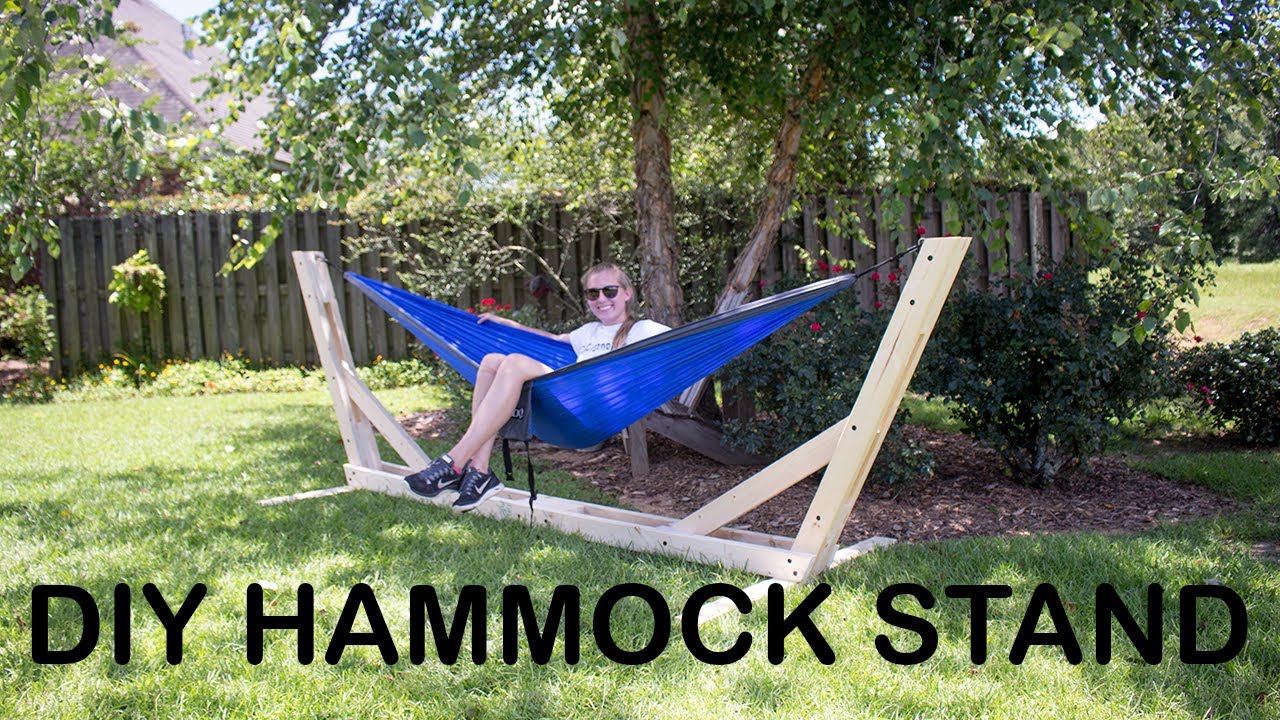
Assembling the frame is the next step in making your hammock stand. This part gives your hammock a strong base. A solid frame keeps the hammock steady and safe. Follow these steps to put the frame together.
Gather All Frame Parts
Start by collecting all the pieces for the frame. You need two side rails, a crossbar, and support beams. Check if you have all screws, bolts, and tools. Having everything ready makes assembly easier.
Attach The Side Rails
Place the side rails parallel on the ground. Connect them with the crossbar at one end. Use bolts to secure the joints tightly. This forms the basic shape of your frame.
Install Support Beams
Next, add the support beams between the side rails. These beams add strength and prevent wobbling. Attach them with screws and tighten well. Make sure the frame feels firm and balanced.
Check Frame Stability
After assembly, test the frame’s stability. Press gently on different parts to spot weak spots. Tighten any loose screws or bolts. A steady frame ensures a safe and comfortable hammock.
Securing The Joints
Securing the joints is a crucial step in building a strong hammock stand. Joints hold the frame together and support your weight. If they are weak, the stand can wobble or break. Taking time to secure each joint properly makes the stand safe and durable.
Use strong fasteners and check each connection carefully. A well-secured joint keeps the frame steady and comfortable for relaxing. Follow these tips to ensure your hammock stand lasts long and holds well.
Choose The Right Fasteners
Select bolts or screws made of metal to secure the joints. Avoid nails or weak screws that can loosen over time. Use washers with bolts to spread the pressure evenly.
Use Wood Glue For Extra Strength
Apply wood glue on the surfaces before fastening. Glue adds extra hold and reduces movement. Let the glue dry fully before using the stand.
Tighten All Connections Firmly
Use a wrench or screwdriver to tighten bolts and screws. Check each joint for any gaps or looseness. Tight joints prevent shaking and increase safety.
Reinforce With Corner Braces
Attach metal corner braces to the inside corners of the frame. Braces give extra support and keep the shape stable. Secure them with screws for best results.
Adding Finishing Touches
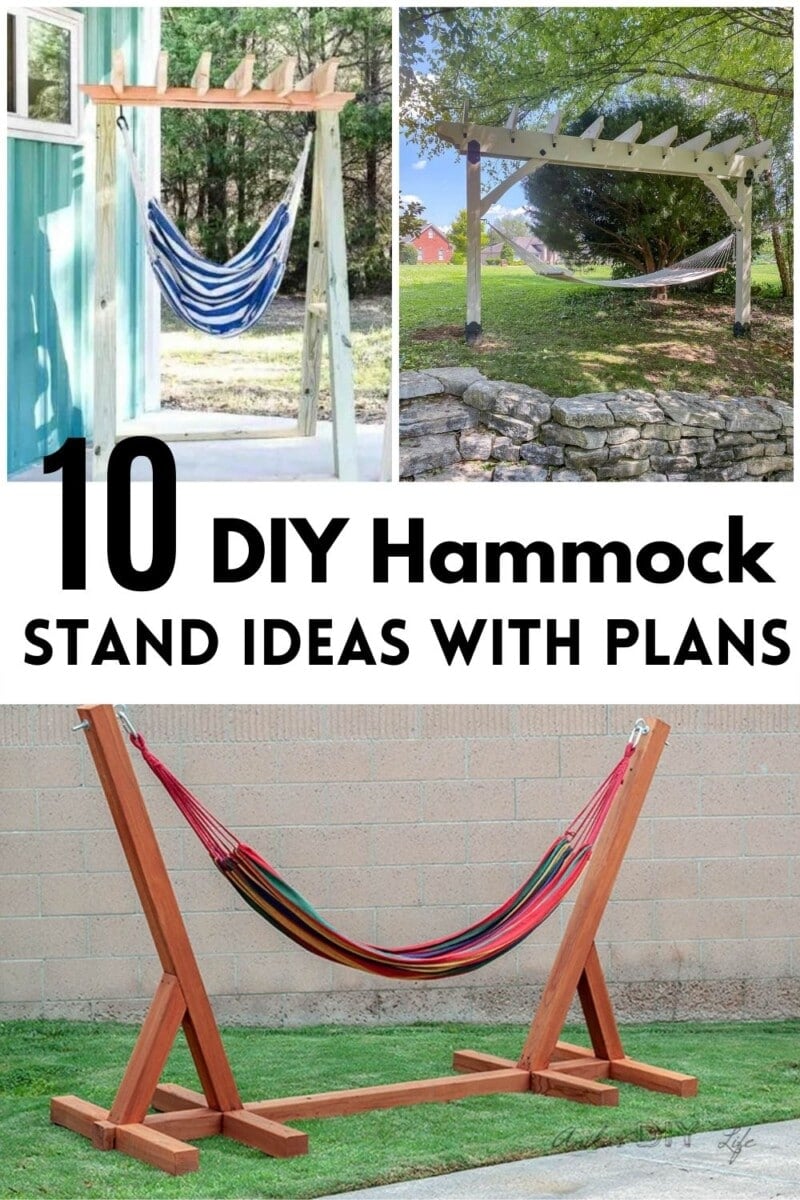
Adding finishing touches to your hammock stand makes it safe and stylish. These small steps improve its look and strength. They also help the stand last longer. Focus on simple, effective details to complete your project.
Protective Coating And Sealing
Apply a wood sealant or paint to your stand. This protects it from rain and sun damage. Use outdoor paint or varnish for best results. Let the coating dry completely before using the stand. It keeps the wood strong and prevents cracking.
Adding Comfortable Accessories
Attach cushions or pillows for extra comfort. Choose weather-resistant fabrics to avoid damage. You can add a small side table for drinks or books. These accessories make your hammock area cozy and useful.
Securing The Hammock Properly
Double-check the hooks and knots holding the hammock. Make sure they are tight and safe. Use strong ropes or chains designed for outdoor use. This prevents accidents and keeps the hammock steady.
Decorative Touches
Paint the stand in colors that match your garden. Add small plants or lanterns nearby for a nice look. Use natural materials like rope or bamboo for decorations. These simple ideas create a welcoming space.
Credit: www.anikasdiylife.com
Attaching The Hammock
Attaching the hammock to the stand is a key step. It ensures safety and comfort while using your hammock. The right method keeps the hammock steady and balanced. Follow these simple steps to attach your hammock correctly.
Choosing The Right Hooks Or Carabiners
Select strong hooks or carabiners that fit your hammock loops. They must hold your weight safely. Metal hooks with a locking feature work best. Avoid weak or plastic hooks that can break easily.
Securing The Hammock To The Stand
Attach the hooks to the hammock loops first. Then, connect the hooks to the stand’s rings or chains. Make sure the connections are tight and secure. Tug gently to check if the hammock stays firm.
Adjusting The Hammock Height And Tension
Set the hammock height so it hangs about 18 inches from the ground. Adjust the tension to avoid sagging or too much tightness. A slight dip in the middle gives the best comfort. Use the stand’s adjustable chains or ropes for this.
Safety Tips And Maintenance
Building a hammock stand is fun and rewarding. Safety and maintenance keep it strong and lasting. Follow simple steps to protect yourself and your hammock.
Check The Materials Regularly
Look for cracks, splits, or rust on the wood or metal. Tighten loose bolts and screws. Replace parts that look weak or damaged. This prevents accidents and keeps the stand steady.
Place The Stand On Flat Ground
Set the hammock stand on a level surface. Avoid soft or uneven areas that may cause tipping. Use a mat or wood base if the ground is rough. Stability is key for safe use.
Use Proper Weight Limits
Follow the weight capacity of your hammock stand. Do not overload it with heavy items or more than one person. Overloading may cause the stand to break or fall.
Store The Stand In Dry Places
Keep your hammock stand inside or under cover during bad weather. Moisture can cause wood to rot and metal to rust. Dry storage extends the life of your stand.
Clean And Treat The Materials
Wipe the stand regularly with a damp cloth. Use wood sealant or metal paint to protect against weather damage. Clean materials look good and last longer.
FAQ: How to Make a Hammock Stand
How Much Wood Do I Need For A Hammock Stand?
You will need about 12 to 16 feet of strong wood, like cedar or pine. Make sure the wood is thick enough to hold weight safely.
What Tools Are Required To Build A Hammock Stand?
Basic tools include a saw, drill, screwdriver, measuring tape, and sandpaper. These will help you cut and join the wood pieces easily.
How Do I Ensure The Hammock Stand Is Stable?
Use strong joints and screws to connect the wood tightly. Place the stand on a flat surface to keep it steady.
Can I Customize The Size Of My Hammock Stand?
Yes, you can adjust the length and height to fit your hammock size. Just keep the proportions balanced for safety.
How Do I Protect My Hammock Stand From Weather Damage?
Apply a sealant or outdoor paint to the wood surface. This helps prevent water damage and extends the stand’s life.
Conclusion
Building a hammock stand takes patience and simple tools. Follow the steps carefully for a safe, sturdy frame. You can enjoy your hammock anywhere, indoors or outside. This project saves money and adds a personal touch. Try customizing the size to fit your space well.
Remember, safety first—check all connections before use. Relax and enjoy the comfort your new stand brings. A little effort leads to many peaceful moments.