
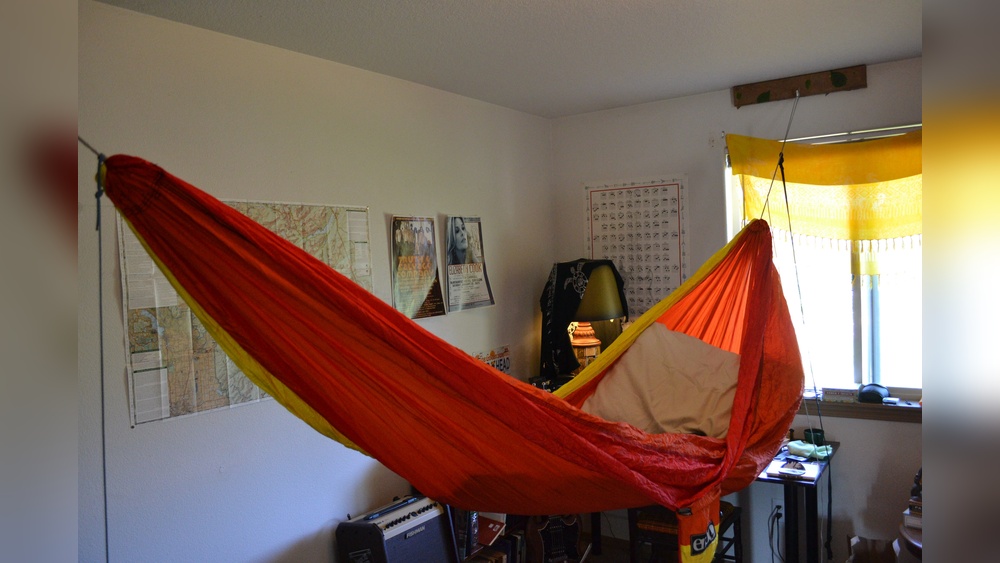
Imagine coming home after a long day and sinking into your very own indoor hammock—a cozy spot where you can relax, read, or even take a quick nap. Sounds inviting, right?
But maybe you’re wondering how to safely and easily hang a hammock inside your home without damaging walls or ceilings. You’re in the right place. This guide will show you simple steps to transform your space into a personal retreat with a hammock.
Ready to bring comfort and style indoors? Keep reading, and you’ll learn exactly how to do it.
Table of Contents
Choosing The Right Spot
Choosing the right spot is the first step to hang a hammock indoors. It affects comfort, safety, and the overall look of your space.
Pick a place with enough room. Your hammock needs space to hang freely without touching walls or furniture. A good area lets you swing gently and relax fully.
Check Wall Strength
Strong walls hold the hammock safely. Find walls made of solid wood or brick. Avoid drywall alone; it can break under weight.
Use a stud finder to locate wooden studs behind the wall. These studs support the hammock hooks securely.
Measure The Distance
Measure the distance between two points where you want to hang your hammock. Most hammocks need 10 to 15 feet of space.
Make sure the distance matches your hammock size. Too short or too long can cause discomfort or safety issues.
Consider Ceiling Options
If walls are not suitable, look at ceiling beams or joists. These can also support hammock hooks well.
Check the beam’s strength and spacing before hanging. Use strong hooks and anchors for safety.
Avoid High Traffic Areas
Choose a quiet corner or a low-traffic room. Avoid hallways or busy spaces where people walk often.
This keeps your hammock peaceful and prevents accidents from bumping into it.
Selecting The Hammock Type
Selecting the right hammock type is key to a comfy indoor setup. The choice depends on your space, style, and how you plan to use it.
Different hammocks offer different comfort levels and fit various room sizes. Picking the best one makes hanging easier and use more enjoyable.
Fabric Hammocks
Fabric hammocks are soft and cozy. They fold easily and take little space when stored. Perfect for small rooms or casual lounging.
These hammocks come in cotton, polyester, or blends. Cotton feels natural and breathable. Polyester lasts longer and dries quickly.
Rope Hammocks
Rope hammocks look classic and let air flow well. They work best in bigger rooms with strong walls. Their open weave keeps you cool.
Made from cotton or synthetic ropes, they are sturdy. Synthetic ropes resist moisture and last longer indoors.
Chair Hammocks
Chair hammocks hang from one point, saving space. They fit small corners and provide a cozy seat. Great for reading or relaxing.
These come in fabric or woven styles. Easy to install and move around in your home.
Measuring Space And Height
Measuring space and height is the first step to hang a hammock indoors safely. It ensures your hammock fits well and hangs comfortably. Taking accurate measurements prevents damage to walls and keeps you secure while resting.
Measure the length between two points where you want to hang the hammock. This distance should match or slightly exceed the hammock’s length. Leave extra space for hooks and knots.
Check the ceiling or wall height. It affects how low or high your hammock will hang. The right height makes getting in and out easy and helps the hammock swing freely.
Measure The Distance Between Anchor Points
Use a tape measure to find the space between two walls or beams. The distance must be at least as long as your hammock. Add 6 to 12 inches for hanging hardware and knots.
Mark the anchor points clearly. They should line up across from each other for balance. Uneven points cause discomfort and strain on the hammock.
Determine The Ceiling Or Wall Height
Measure from the floor to the ceiling or the beam where you plan to hang the hooks. The ideal height is about 4 to 5 feet above the floor. This height allows the hammock to hang with a gentle curve.
Make sure there is enough space for swinging. Avoid low ceilings that limit movement or high points that make climbing in difficult.
Account For Hammock Sag And Comfort
Hammocks hang with a curve called a sag. It needs space below to avoid touching the floor. Measure so the lowest part stays 18 inches above the ground.
Sag depends on the hammock style and how tight you hang it. Leave room to adjust the height after installation.

Credit: www.hammockuniverse.com
Gathering Necessary Tools
Gathering the right tools is the first step to hang a hammock indoors. Having everything ready makes the process smooth and safe. It also saves time and avoids frustration.
Each tool has a specific role in securing your hammock properly. Missing even one can cause problems during installation. Understanding what you need helps you prepare well.
Choosing The Right Drill
A power drill is essential for making holes in walls or ceiling beams. Pick a drill with adjustable speed and a comfortable grip. Make sure it has the right drill bits for your wall type.
Selecting Strong Hooks Or Anchors
Hooks or anchors hold the hammock in place. Choose heavy-duty ones rated for at least 300 pounds. This ensures safety and stability while you relax.
Finding Studs Or Beams
Locate wooden studs or ceiling beams to secure your hammock. Use a stud finder for accuracy. Attaching to studs provides the best support and prevents damage.
Measuring Tape And Pencil
Measure the distance between mounting points carefully. Use a tape measure for exact length and a pencil to mark drill spots. Precision helps avoid mistakes.
Additional Safety Gear
Wear safety glasses and gloves during installation. These protect your eyes and hands from dust and sharp tools. Safety is key to a successful setup.
Locating Studs Or Beams
Finding strong points to hang your hammock indoors is essential. Walls need solid support to hold your weight safely. Studs or beams provide the best anchor spots. These wooden or metal supports hide behind drywall or plaster. Correctly locating them prevents accidents and damage. Use simple tools and tricks to find these hidden supports.
Using A Stud Finder
A stud finder is a small tool that detects wood or metal behind walls. Hold it flat against the wall and move it slowly. The device signals when it finds a stud or beam. Mark these spots with a pencil. Stud finders work best on drywall and plaster walls. They save time and increase accuracy.
Measuring From A Corner Or Outlet
Studs usually stand 16 or 24 inches apart. Start measuring from a corner or electrical outlet. These places often have studs nearby. Use a tape measure to mark every 16 or 24 inches along the wall. Tap the wall gently to feel for solid spots. A hollow sound means no stud behind.
Using A Small Nail Or Drill
Use a small nail or drill bit to test the wall. Push it gently into the wall where you suspect a stud. If it goes in easily, no stud is there. If it hits resistance, you found a stud. Check several spots to confirm before hanging your hammock.
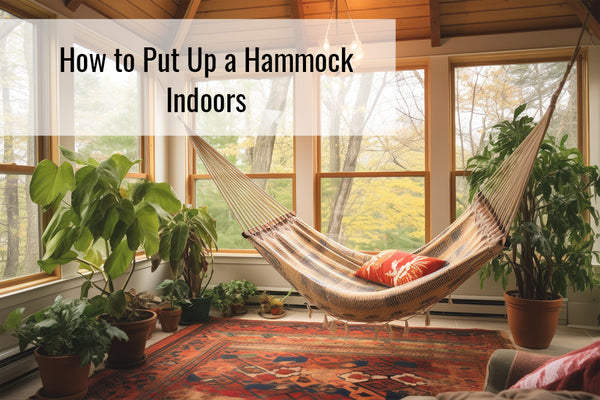
Credit: sunnydazedecor.com
Installing Mounting Hardware
Installing mounting hardware is a key step in hanging a hammock indoors. This step ensures your hammock stays safe and secure. Choosing the right hardware and placing it correctly will support your weight well. This guide breaks down the process into simple steps for easy installation.
Choosing The Right Mounting Hardware
Select heavy-duty hooks or eye bolts made for hammocks. They must hold at least 300 pounds. Use hardware made of stainless steel or galvanized metal. These materials resist rust and last longer. Avoid using small screws or nails. They cannot support your weight safely.
Finding The Studs In Your Wall
Use a stud finder to locate wooden studs behind drywall. Mark their positions clearly. Mounting hardware should go into these studs only. Mounting into drywall alone will not hold the hammock. Studs are strong and provide the best support.
Measuring And Marking The Mounting Points
Measure the length of your hammock. Add a few extra inches for comfort. Mark two points on the wall or ceiling where you will install the hardware. Keep these points level and at the right height. This ensures the hammock hangs evenly and safely.
Drilling Pilot Holes And Installing Hardware
Drill small pilot holes at the marked points. This makes screwing easier and prevents wood from splitting. Screw in the hooks or eye bolts tightly. Check that they are secure and do not wiggle. Test by pulling gently to ensure firmness.
Attaching The Hammock Safely
Attaching a hammock indoors needs care and the right method. A secure setup keeps you safe and protects your walls. This section explains how to attach your hammock safely. Follow these steps to enjoy your hammock without worry.
Choosing Strong Anchor Points
Pick solid walls or ceiling beams to hold your hammock. Use a stud finder to locate wooden studs behind drywall. Avoid weak surfaces like drywall alone or plaster. The anchor must support your weight and movement.
Using Proper Hardware
Select heavy-duty hooks or eye bolts made for hammocks. Use screws long enough to go deep into the stud. Do not use nails or short screws. Strong hardware prevents accidents and keeps the hammock stable.
Installing The Hooks Correctly
Mark the anchor points at the right distance. Drill pilot holes to avoid splitting the wood. Screw the hooks in tightly by hand or with a wrench. Check that hooks do not wobble or feel loose.
Testing The Setup Before Use
Pull down on the hammock straps gently to test strength. Apply gradual pressure to check for movement or noise. Do a final inspection of hooks and straps. Only sit in the hammock after confirming safety.

Credit: theultimatehang.com
Testing Weight And Stability
Testing weight and stability is a key step before fully using your indoor hammock. It ensures safety and comfort. You do not want to risk a fall or damage to your walls. This process helps confirm your hammock is strong and steady enough.
Check The Anchor Points
Start by inspecting the anchor points. Make sure the hooks or brackets are tightly fixed. Use a wrench or screwdriver to tighten bolts if needed. The points should not move or wiggle. Test them by gently pulling or pushing.
Apply Gradual Weight
Do not jump into the hammock right away. Slowly add weight to test its hold. Sit down softly, then shift your weight back and forth. This shows if the hammock hangs evenly and stays firm. Add more weight step by step until comfortable.
Observe For Any Movement
Look closely for any shaking or slipping. The ropes and knots should stay tight. Watch the anchor points for signs of loosening. If you see movement, stop and adjust. Fix any weak spots before full use.
Test With Different Angles
Try sitting or lying in different positions. Shift your body side to side and forward. This checks the hammock’s balance and strength. It helps find the most stable hanging angle for comfort and safety.
Adding Comfort And Decor
Adding comfort and style to your indoor hammock makes it a cozy retreat. It turns a simple hammock into a relaxing spot you enjoy every day. Soft cushions, warm blankets, and thoughtful decor create a welcoming vibe. These touches also blend your hammock with your room’s look.
Choosing The Right Cushions And Pillows
Select cushions that feel soft and support your back well. Use pillows with washable covers for easy cleaning. Mix different sizes and shapes to add interest. Pick colors that match or contrast your room for a fresh look.
Using Throws And Blankets
Throws add warmth and texture to your hammock. Choose lightweight blankets for summer and thicker ones for winter. Drape a throw casually over the hammock edge for style and comfort. Soft fabrics like fleece or cotton work best.
Incorporating Lighting
Soft lighting creates a calm and inviting space. Use string lights or small lamps near your hammock. Avoid harsh overhead lights that feel cold or bright. Warm white bulbs help set a relaxing mood.
Adding Rugs And Floor Cushions
A rug under the hammock adds color and warmth to the floor. Choose a rug that fits the space and is easy to clean. Floor cushions nearby provide extra seating and a casual feel. These elements make the area feel complete and cozy.
FAQ: How to Hang a Hammock Indoors
How Do I Choose The Best Spot To Hang A Hammock Indoors?
Look for strong walls or ceiling beams that can support weight. Measure space to ensure enough room for the hammock to swing safely.
What Tools Are Needed To Hang A Hammock Inside?
You will need a drill, stud finder, screws, and hooks made for heavy loads. These tools help secure your hammock safely.
Can I Hang A Hammock Without Drilling Holes?
Yes, use a hammock stand or tension rods designed for indoor use. This option avoids wall damage and is easy to move.
How High Should I Hang My Indoor Hammock?
Hang the hammock about 18 inches off the ground for easy access. Adjust height based on your comfort and room size.
How Do I Protect Walls When Hanging A Hammock Indoors?
Use wall protectors or pads behind hooks to prevent damage. Soft materials reduce pressure and keep walls safe from scratches.
Conclusion
Hanging a hammock indoors brings comfort and style to any room. Choose strong walls or beams to support your hammock safely. Use the right tools and follow simple steps for a secure setup. Enjoy relaxing moments in your new cozy space.
A hammock can change how you unwind at home. Try it today and feel the difference.