
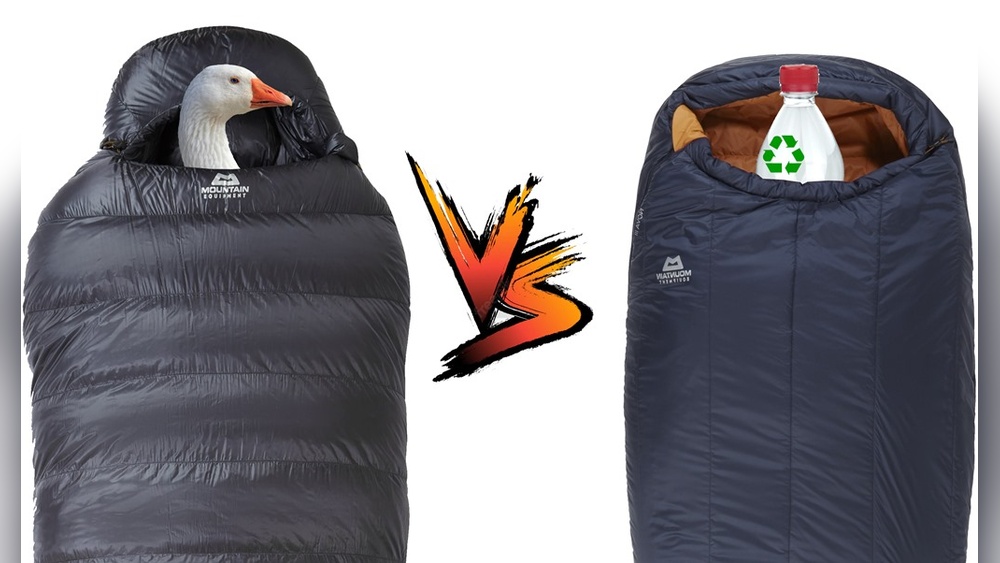
Choosing the right sleeping bag can make or break your outdoor adventure. You want to stay warm, comfortable, and dry, but with so many options, it’s easy to feel overwhelmed.
Should you pick a down sleeping bag or go for a synthetic one? Each has its own strengths and weaknesses that could impact your experience in surprising ways. By understanding the key differences, you’ll be able to make the best choice for your needs—and sleep soundly no matter where your next trip takes you.
Keep reading to discover which sleeping bag fits you perfectly.
Table of Contents
Down Sleeping Bags
Down sleeping bags are popular for camping and outdoor adventures. They offer excellent warmth and comfort. Many hikers and campers choose down for its natural insulation. This type of sleeping bag works well in cold, dry conditions. Down is lightweight and compresses easily, making it easy to carry. Understanding down sleeping bags helps you pick the right gear for your trip.
Fill Material And Insulation
Down comes from the soft feathers under a bird’s outer feathers. It traps air and keeps heat close to your body. This natural insulation makes down very warm. The quality of down is measured by its “fill power.” Higher fill power means better insulation and fluffiness. Down works best when dry. Wet down loses its ability to keep you warm.
Weight And Compressibility
Down sleeping bags are light and easy to pack. They compress into small sizes, saving space in your backpack. This makes them ideal for long hikes and backpacking trips. You carry less weight but stay warm. This benefit is a major reason many campers prefer down over synthetic.
Warmth-to-weight Ratio
Down offers a high warmth-to-weight ratio. This means you get more heat with less weight. It provides excellent warmth without bulky layers. This makes down sleeping bags efficient for cold weather. Their ability to keep heat while staying light is unmatched by most synthetic bags.
Synthetic Sleeping Bags
Synthetic sleeping bags use man-made fibers to keep you warm. They are designed to work well in wet or damp places. These bags dry faster and keep some warmth even when wet.
Synthetic bags can be heavier than down but offer good insulation for many campers. Many people choose them for trips where rain or moisture is likely.
Fill Material And Insulation
Synthetic sleeping bags fill with polyester fibers. These fibers trap air to create warmth. They do not clump easily, so insulation stays even.
The insulation works well in damp conditions. It keeps warmth even if the bag gets wet. This makes synthetic bags useful in wet climates.
Durability And Moisture Resistance
Synthetic bags resist moisture better than down bags. They dry faster and do not lose loft when wet. This means they keep their shape longer.
They are also strong and resist tears. This makes them good for rough use or travel in tough places.
Cost And Accessibility
Synthetic sleeping bags cost less than down bags. They are more affordable for many buyers. Many brands offer a wide range of synthetic bags.
These bags are easy to find in stores and online. Their lower price and good performance make them popular choices.
Warmth Comparison
Choosing the right sleeping bag often depends on warmth. Warmth is the main factor for comfort and safety in cold nights. Down and synthetic sleeping bags offer different warmth levels. Understanding these differences helps you pick the best option.
Temperature Ratings
Temperature ratings show the lowest temperature a sleeping bag can handle. Down sleeping bags usually have better temperature ratings. They trap heat well with less weight. This makes them ideal for very cold weather.
Synthetic sleeping bags often have lower temperature ratings. They can feel bulkier but still provide enough warmth for mild to moderate cold. These bags work well in cool climates and for casual campers.
Performance In Wet Conditions
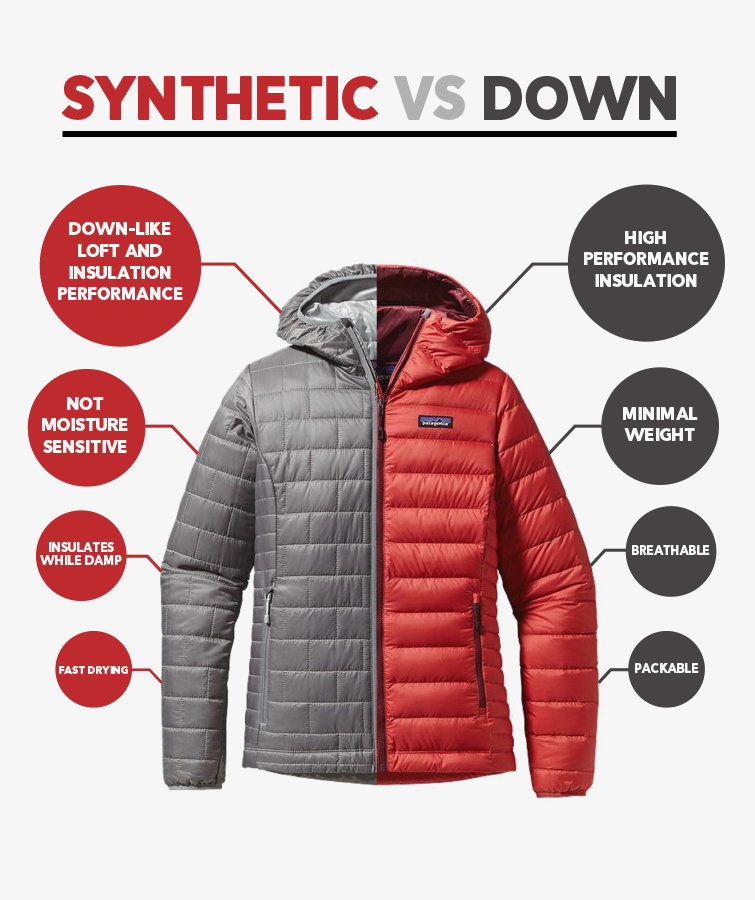
Down insulation loses its warmth when wet. Moisture clumps down feathers, reducing heat retention. Dry conditions help down bags perform best.
Synthetic insulation keeps warmth even when damp. It dries faster and resists moisture better. This makes synthetic bags a smart choice for wet or humid areas.
Weight And Packability
Weight and packability are key factors when choosing a sleeping bag. They affect how easy it is to carry and store the bag. Lighter and smaller bags make hiking and camping simpler. Different materials change these features a lot.
Down Sleeping Bag Weight
Down sleeping bags are very light. The natural feathers trap heat without much weight. This makes them great for long trips. You carry less and still stay warm. Their lightweight nature helps reduce backpack load.
Down Sleeping Bag Packability
Down compresses well. You can squeeze it into a small stuff sack. This saves space in your backpack. It fits easily with other gear. Perfect for trips with limited packing room.
Synthetic Sleeping Bag Weight
Synthetic sleeping bags weigh more than down. The man-made fibers add bulk and mass. This can make the bag heavier to carry. You might feel the extra weight on long hikes.
Synthetic Sleeping Bag Packability
Synthetic bags do not compress as much. They take up more space in your bag. This can limit room for other items. The bulkier pack size may slow down your packing.
Durability And Maintenance
Durability and maintenance are key factors when choosing a sleeping bag. You want a bag that lasts through many trips and stays easy to care for. Down and synthetic sleeping bags differ in these areas. Understanding these differences helps you make the right choice for your needs.
Cleaning Tips
Down sleeping bags need gentle cleaning. Use a mild detergent made for down items. Avoid washing too often to keep the feathers fluffy. Air dry slowly, and avoid direct sunlight. A large front-loading washer works best for down bags.
Synthetic sleeping bags are easier to clean. They handle regular washing with common detergent. Use a gentle cycle and cold water. Dry quickly in a dryer on low heat. Synthetic fibers dry faster and resist mildew better than down.
Longevity Expectation
Down bags last longer with good care. They can keep warmth for many years. The feathers stay lofty if kept dry and clean. Compression over time may reduce loft but not warmth.
Synthetic bags wear out faster than down. Fibers can break down after many uses. Heat and moisture reduce their insulation ability. They often need replacement sooner than down bags.
Cost Differences
Cost is a key factor when choosing between down and synthetic sleeping bags. Both types have different price points. This difference affects your budget and buying decision.
Understanding these cost differences helps you pick the best sleeping bag for your needs and wallet.
Price Range Of Down Sleeping Bags
Down sleeping bags usually cost more than synthetic ones. High-quality down offers great warmth and light weight. These features increase the price. Expect to pay extra for premium down fill and better construction.
Price Range Of Synthetic Sleeping Bags
Synthetic sleeping bags tend to be more affordable. They use man-made fibers instead of natural down. This lowers production costs. Synthetic bags suit budget buyers who want decent warmth without spending too much.
Long-term Cost Considerations
Down bags can last longer if cared for properly. This may save money over time despite the high initial price. Synthetic bags may wear out faster but cost less to replace. Think about how often you camp before choosing.
Environmental Impact
The environmental impact of down and synthetic sleeping bags varies greatly. Choosing the right material affects the planet in many ways. Understanding these effects helps you make better decisions.
Sourcing And Sustainability
Down comes from ducks or geese. It is a natural material and biodegradable. But raising birds can use a lot of water and food. Some farms use cruel methods. Look for down certified as ethical and sustainable.
Synthetic insulation is made from plastics. These come from fossil fuels, which harm the environment. Making synthetic fibers uses energy and emits greenhouse gases. Some brands use recycled plastics to reduce impact.
Recycling Options
Down sleeping bags can be recycled but need special facilities. They can be reused in other products like jackets or pillows. Recycling down helps reduce waste and saves resources.
Synthetic sleeping bags are easier to recycle. Many recycling centers accept plastic fibers. Recycled synthetic bags help lower plastic pollution. Choosing recyclable bags supports a cleaner planet.
Best Use Cases
Choosing the right sleeping bag depends on the trip and weather conditions. Down and synthetic sleeping bags suit different adventures. Knowing their best uses helps pick the right one for comfort and warmth.
Camping And Backpacking
Down sleeping bags are light and compress small. They fit well in a backpack and save space. Perfect for long hikes where weight matters. They keep you warm in cold, dry weather. Synthetic bags are heavier but dry fast. Good for short trips or rainy places. Easy to clean and maintain on the trail.
Winter And Wet Weather
Synthetic sleeping bags keep warmth even when wet. They dry quickly and do not lose insulation. Great for rainy or snowy conditions. Down bags lose heat if damp and take time to dry. Best for cold, dry winter nights. Choose synthetic for wet climates and heavy snow.
Health And Allergy Considerations
Choosing the right sleeping bag matters for health and allergies. Some materials may cause discomfort or reactions. Understanding the differences helps in picking a safe and comfy option.
Down Sleeping Bags And Allergy Risks
Down comes from duck or goose feathers. It can hold dust and mites if not cleaned well. These particles may trigger allergies or asthma. People with allergies should be careful with down bags. Some manufacturers treat down to reduce allergens.
Synthetic Sleeping Bags And Allergy Safety
Synthetic bags use man-made fibers. They resist moisture and dry quickly. These bags usually do not hold dust mites. Synthetic materials are less likely to cause allergies. Good for those with sensitive skin or breathing issues.
Cleaning And Maintenance Tips
Regular cleaning keeps sleeping bags safe and fresh. Follow care instructions on the label. Use mild detergents to avoid skin irritation. Air bags out after use to reduce moisture. Proper storage helps prevent mold and dust build-up.
Making The Right Choice
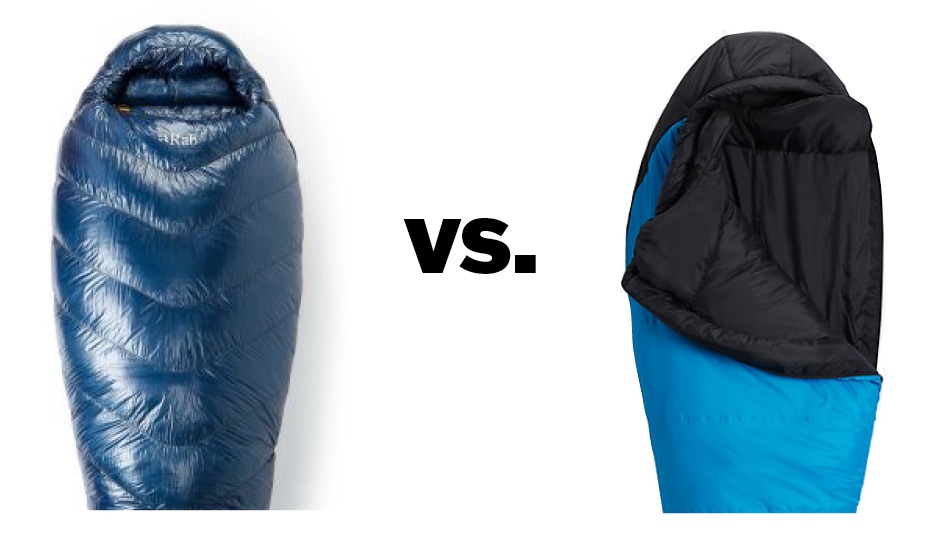
Choosing the right sleeping bag can shape your outdoor experience. Both down and synthetic bags offer unique benefits. Your choice depends on your needs, preferences, and budget. Understanding these factors helps you pick the best option.
This guide breaks down important points to consider before buying.
Personal Preferences
Some campers prefer the lightweight feel of down bags. Others like the wet-weather reliability of synthetic bags. Comfort, warmth, and weight matter a lot. Think about how you want to carry and use your bag.
Allergy concerns may also affect your choice. Down can cause reactions in some people. Synthetic bags usually avoid this issue. Consider the climate where you camp most often. Down works well in dry cold. Synthetic handles damp and wet better.
Budget And Usage Needs
Down sleeping bags usually cost more upfront. They last longer and pack smaller. Synthetic bags are cheaper but bulkier. They dry faster and stay warm when wet.
For frequent campers, investing in down might save money over time. Occasional users might prefer synthetic for its easy care. Think about how often and where you camp. This helps decide which option fits your budget and needs best.

FAQ: Down Vs Synthetic Sleeping Bag
What Is The Main Difference Between Down And Synthetic Sleeping Bags?
Down bags use natural goose or duck feathers, while synthetic bags use man-made fibers for insulation.
Which Sleeping Bag Is Better For Wet Weather Conditions?
Synthetic sleeping bags keep warmth better when wet, unlike down bags that lose insulation when damp.
Are Down Sleeping Bags Lighter Than Synthetic Ones?
Yes, down sleeping bags are generally lighter and more compressible than synthetic sleeping bags.
How Do Synthetic Sleeping Bags Perform In Cold Temperatures?
Synthetic bags provide good warmth but usually less than high-quality down bags in extreme cold.
Which Sleeping Bag Lasts Longer With Regular Use?
Down sleeping bags often last longer if properly cared for, compared to synthetic bags.
Conclusion
Choosing between down and synthetic sleeping bags depends on your needs. Down bags are light and warm but cost more. Synthetic bags work well when wet and dry quickly. Both types have strengths for different weather and budgets. Think about where and how you camp.
Warmth, weight, and price all matter. Pick the one that fits your adventures best. Sleep well, stay comfortable, and enjoy your trips.