
Choosing the right tent can make or break your outdoor experience. You might wonder whether a double wall or single wall tent is better for your next adventure.
Each type has its own strengths, and picking the right one depends on what you need most—whether it’s weight, weather protection, or ventilation. You’ll discover the key differences that will help you decide which tent suits your style and keeps you comfortable no matter where you go.
Keep reading to find out how to make the best choice for your next trip.
Table of Contents
Double Wall Tents Basics
Double wall tents are popular among campers and hikers. They offer two layers of fabric for better protection and comfort. This design helps keep you dry and warm during bad weather. Understanding the basics of double wall tents helps you choose the right tent for your needs.
These tents have an inner tent and a separate rainfly. The inner tent provides ventilation and keeps insects out. The rainfly is a waterproof layer that covers the inner tent. This setup reduces condensation inside the tent.
What Is A Double Wall Tent?
A double wall tent has two layers: the inner tent and rainfly. The inner tent is usually made of breathable fabric. The rainfly is waterproof and protects from rain and wind. Both layers work together to create a dry and comfortable space.
Benefits Of Double Wall Tents
Double wall tents offer better weather protection. They reduce moisture buildup inside the tent. The rainfly blocks rain, while the inner tent allows airflow. This design keeps the tent dry and less stuffy. They are good for cold and wet conditions.
How Double Wall Tents Work
The rainfly covers the tent and stops rain from entering. Air flows through the inner tent fabric to reduce condensation. This airflow keeps the inside dry and comfortable. You can remove the rainfly in dry weather for stargazing.
Single Wall Tents Features
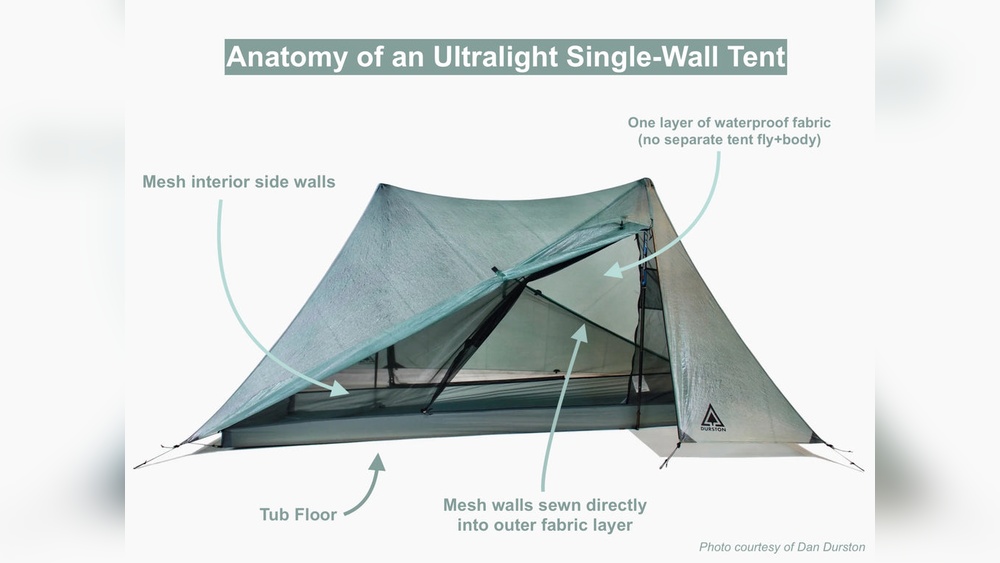
Single wall tents are popular for their simple design and lightweight build. They use only one layer of fabric to keep you dry and protected. This makes them easier to set up and carry on trips.
These tents work well in dry weather and mild conditions. They are great for backpackers and campers who want to move fast and carry less weight.
Lightweight And Compact
Single wall tents weigh less than double wall tents. They pack down small, saving space in your backpack. This makes them ideal for long hikes and quick trips.
Quick Setup
The simple design allows for fast pitching. You spend less time setting up and more time enjoying nature. The fewer parts reduce the chance of mistakes during setup.
Good Ventilation
Single wall tents often use breathable fabric. This helps reduce condensation inside the tent. You stay more comfortable with less dampness around you.
Less Expensive
These tents are usually cheaper than double wall tents. They offer good value for casual campers and beginners. You get basic shelter without a high price tag.
Weather Considerations
Single wall tents work best in mild weather. They may struggle in heavy rain or snow. Proper site choice and additional rain protection may be needed.
Weather Protection Comparison
Weather protection is a key factor when choosing between double wall and single wall tents. Both have unique designs that affect how well they shield you from rain, wind, and cold. Understanding these differences helps you pick the right tent for your trips.
Double Wall Tent Weather Protection
Double wall tents have two layers: an inner tent and a rainfly. The rainfly covers the inner tent, creating a barrier against rain and wind. This design helps reduce condensation inside the tent. Air flows between the two layers, keeping moisture away from you.
These tents handle heavy rain well. The outer layer stops water, while the inner layer stays dry. They also offer good insulation against cold weather. The air gap between layers traps warmth, making them better for colder climates.
Single Wall Tent Weather Protection
Single wall tents use one layer of fabric to protect you. This fabric is usually waterproof and breathable. They are lighter and easier to set up, making them popular for fast hiking or backpacking.
These tents can struggle in heavy rain. Water may seep through if the material is not treated well. Condensation can build up inside because there is no air gap. This makes the inside damp and uncomfortable in wet weather.
Single wall tents work best in mild weather. They provide decent wind protection but less insulation than double wall tents. They are not the best choice for cold or very wet conditions.

Weight And Packability
Weight and packability are key factors when choosing a tent. They affect how easy it is to carry and store your shelter. Light tents make long hikes easier. Compact tents save space in your backpack. Understanding the differences helps pick the right tent for your needs.
Weight Differences Between Double Wall And Single Wall Tents
Single wall tents usually weigh less than double wall tents. They have only one layer of fabric, which cuts down weight. Double wall tents have two layers: an inner tent and a rainfly. This extra layer adds weight but improves weather protection. For ultralight trips, single wall tents are often preferred.
Packability And Storage Size
Single wall tents pack smaller because they use less material. They fold into tight bundles that fit easily in backpacks. Double wall tents take up more space due to the two layers. Both parts need packing separately, making them bulkier. Consider your backpack size and space needs before choosing.
Trade-offs In Weight And Packability
Choosing a tent means balancing weight and protection. Single wall tents are lighter and pack smaller but may sweat more. Double wall tents weigh more and bulk up your pack but offer better ventilation and rain defense. Think about the type of trip and weather conditions you expect.
Setup And Convenience
Setting up a tent is a key part of camping. It affects how fast you start to relax and enjoy nature. Both double wall and single wall tents have unique setup styles. These styles impact convenience and ease. Let’s explore how each tent type sets up and what makes it simple or tricky.
Double Wall Tent Setup
Double wall tents have two layers: the inner tent and the rainfly. This design needs more steps during setup. First, you pitch the inner tent with poles. Then, you cover it with the rainfly. This layer protects against rain and wind.
The two-step process can take more time. It also requires understanding the parts and their order. Some double wall tents allow pitching the rainfly first. This can help in bad weather. Overall, double wall tents give you more control over ventilation and dryness.
Single Wall Tent Setup
Single wall tents combine the inner tent and rainfly into one layer. This makes the setup faster and simpler. You only need to pitch the tent once. There are fewer poles and parts to manage.
This design is great for quick stops or short trips. It reduces the chance of mistakes during setup. However, single wall tents may have less ventilation. They often rely on small vents or mesh panels to reduce condensation.
Convenience In Different Conditions
Double wall tents are better in wet or cold weather. They offer more protection but need more effort to set up. Single wall tents work well in dry and mild conditions. They save time and energy during setup.
For those who want quick and easy camping, single wall tents fit the need. Campers who face changing weather might prefer double wall tents. Convenience depends on the camper’s style and trip demands.
Ventilation And Condensation
Ventilation and condensation play a big role in choosing between double wall and single wall tents. Good airflow keeps the tent dry and comfortable. Poor ventilation causes moisture to build up inside. This leads to condensation, which can make gear wet and the tent cold.
Choosing the right tent helps control these problems. Understanding how each tent handles air and moisture helps campers stay warm and dry.
Double Wall Tent Ventilation
Double wall tents have two layers: an inner mesh and an outer rainfly. The mesh allows air to flow inside. The rainfly protects from rain but has vents to let air escape. This design reduces condensation by letting moisture leave the tent.
The space between the layers helps air move freely. It keeps the inside drier and more comfortable. Campers feel less dampness on cold nights.
Single Wall Tent Ventilation
Single wall tents have one layer of fabric that blocks rain. Ventilation depends on built-in vents or openings. These vents are smaller than in double wall tents. Airflow is limited, which can cause more condensation.
Moisture from breath and sweat stays inside more easily. This can make the tent feel wet and clammy. Some single wall tents use special fabrics to reduce moisture build-up.
Condensation Control In Both Tents
Condensation forms when warm air hits cold surfaces. Double wall tents reduce this by separating wet air from the inner space. Single wall tents rely on vent openings or breathable fabric.
Opening vents or doors helps air move and reduces moisture. Using a ground tarp can also stop moisture from rising. Proper campsite choice affects condensation too. Avoid low spots where cold air settles.
Durability And Materials
Durability and materials define how well a tent performs under different conditions. These factors affect the tent’s lifespan and protection. Understanding the differences helps choose the right tent for your needs.
Double Wall Tent Materials
Double wall tents have two layers: the inner tent and the rainfly. The inner layer usually uses breathable fabric. This helps reduce moisture inside. The rainfly is made from waterproof material. It protects from rain and wind. This design keeps the tent dry and comfortable.
Single Wall Tent Materials
Single wall tents use one layer for shelter and weather protection. This layer is often waterproof and lightweight. The fabric is usually coated nylon or polyester. It offers good rain protection but less breathability. Moisture can build up inside, causing dampness.
Durability Of Double Wall Tents
Double wall tents often last longer. The two layers reduce wear and tear. The rainfly shields the inner tent from harsh weather. These tents handle strong winds and heavy rain well. They resist damage better on rough terrain.
Durability Of Single Wall Tents
Single wall tents are lighter but less durable. The single fabric layer faces all weather directly. They may wear out faster under tough conditions. These tents suit mild weather and short trips. They require more care to stay in good shape.

Cost Differences
Double wall tents usually cost more due to extra materials and better insulation. Single wall tents are cheaper but may lack warmth and durability. Choosing depends on budget and camping needs.
Initial Purchase Price
Single wall tents usually cost less than double wall tents. The design is simpler, needing fewer materials. This lowers manufacturing costs. Double wall tents have two layers, which means more fabric and parts. That increases the price. For budget campers, single wall tents offer a more affordable option.
Long-term Value
Double wall tents often last longer due to their design. The extra layer protects against wear and tear. This can save money on replacements over time. Single wall tents might need repairs or replacement sooner. Spending more upfront on a double wall tent can pay off in the long run.
Weight And Equipment Costs
Double wall tents tend to weigh more because of the extra layer. This can mean higher costs for carrying gear, especially on flights. Single wall tents are lighter and easier to carry. This reduces extra charges for baggage or the need for heavier backpacks.
Maintenance Expenses
Double wall tents need more care to keep both layers in good shape. Cleaning and drying take more time but prevent damage. Single wall tents are easier to clean and dry quickly. Less maintenance means fewer chances of costly repairs.
Best Uses For Double Wall
Double wall tents have two layers: an inner tent and a rainfly. This design helps keep you dry and comfortable in many conditions. The extra layer improves ventilation and reduces condensation inside the tent. Double wall tents suit a variety of outdoor adventures.
Camping In Wet Or Rainy Weather
Double wall tents are excellent for rainy weather. The outer rainfly keeps water out. The inner layer stays dry and breathes well. This setup stops moisture buildup inside the tent. It helps campers stay warm and dry all night.
Backpacking In Cold Or Windy Areas
The two layers provide better insulation. They block cold wind and trap warmth. Double wall tents help keep you cozy in chilly conditions. They also protect against strong winds, offering more stability.
Extended Camping Trips
Double wall tents are ideal for longer trips. Their durability and weather protection last for many days. They offer more space and comfort for living. The design allows better airflow, reducing dampness inside.
Camping In Humid Environments
Ventilation is key in humid areas. Double wall tents have mesh inner layers that allow air flow. This reduces sweat and condensation. Campers feel more comfortable and avoid damp sleeping gear.

Best Uses For Single Wall
Single wall tents are simple and lightweight shelters. They are great for certain situations where speed and weight matter most. These tents use only one layer of fabric, which makes them easy to carry and set up quickly. Understanding the best uses for single wall tents helps campers choose the right shelter for their trip.
Backpacking And Fast Hiking
Single wall tents work well for backpackers who want to move fast. They weigh less than double wall tents, so carrying them is easier. Setting up a single wall tent takes less time, which saves energy for hiking. These tents are ideal for warm or mild weather trips.
Short Trips And Weekend Camping
For short camping trips, single wall tents are a good choice. They provide enough protection without extra bulk. Campers can enjoy quick setups and pack-ups. These tents fit well in car camping or easy-access spots.
Warm And Dry Weather Conditions
Single wall tents perform best in warm or dry weather. The single layer allows some breathability, reducing condensation inside. They are less suited for heavy rain or cold climates but work fine in fair weather. Ventilation helps keep the tent comfortable.
Ultralight And Minimalist Camping
Minimalist campers prefer single wall tents for their low weight and simplicity. These tents carry only what is necessary for shelter. They help reduce pack weight and bulk. This style suits hikers who want to travel light and fast.
FAQ: Double Wall Vs Single Wall Tent
What Is The Main Difference Between Double Wall And Single Wall Tents?
Double wall tents have two layers for better weather protection; single wall tents have one layer and are lighter.
Which Tent Type Is Best For Wet Weather Camping?
Double wall tents are better in wet weather because their two layers reduce condensation and keep you dry.
Are Single Wall Tents Lighter Than Double Wall Tents?
Yes, single wall tents are lighter and easier to carry, making them good for fast hiking trips.
Do Double Wall Tents Take Longer To Set Up?
Yes, double wall tents usually take more time to pitch because they have two separate layers.
Can Single Wall Tents Cause More Condensation Inside?
Yes, single wall tents can trap moisture inside, leading to more condensation compared to double wall tents.
Conclusion
Choosing between double wall and single wall tents depends on your needs. Double wall tents offer better weather protection and breathability. Single wall tents are lighter and easier to set up. Think about where and how you will camp. Both types have clear benefits and some drawbacks.
Pick the tent that fits your trip and comfort level best. This way, you enjoy your outdoor adventure without trouble. Simple choices lead to better camping experiences.