
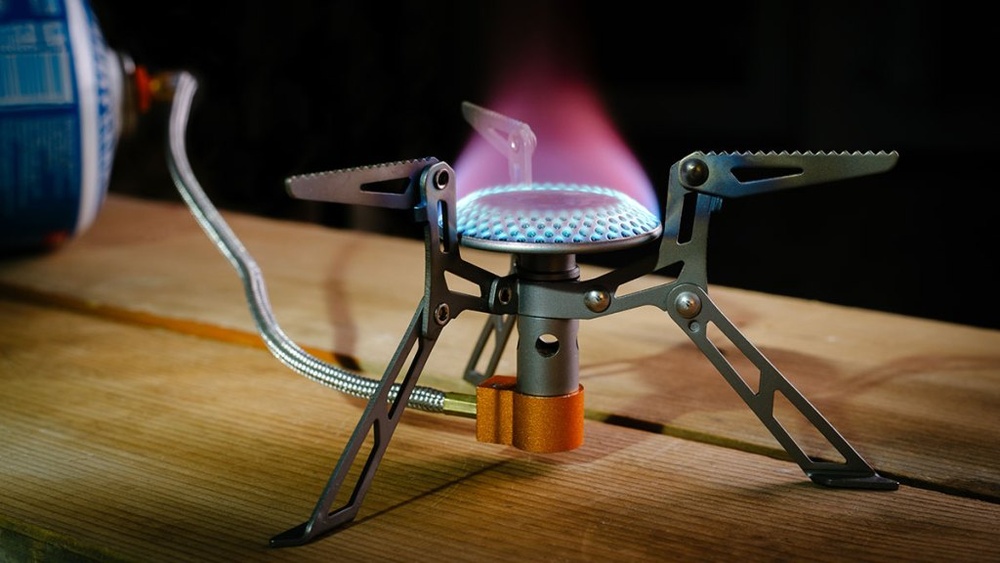
Are you thinking about using your propane camp stove indoors? It sounds convenient, especially when the weather is bad or you need a quick meal inside.
But before you fire it up, there are important safety facts you need to know. Using a propane stove indoors can be risky if you don’t take the right precautions. You’ll discover what makes indoor use dangerous, how to stay safe, and when it might be okay to use your stove inside.
Keep reading to protect yourself and your loved ones while making the most of your camping gear.
Table of Contents
How Propane Camp Stoves Work
Propane camp stoves use propane gas to create heat for cooking. The stove connects to a propane tank. When you turn on the stove, propane flows from the tank through a valve.
The gas mixes with air inside the stove. This mix travels to the burner, where it ignites. The flame heats the cooking surface above the burner.
Propane Gas Supply
Propane comes in a small, portable tank. The tank stores propane as liquid under pressure. When released, propane turns into gas. This gas fuels the stove’s flame.
Burner Mechanism
The burner controls how much gas reaches the flame. It has small holes where gas exits. The gas mixes with air here. The air helps the flame burn clean and hot.
Ignition System
Most stoves use a spark ignition. You press a button or turn a knob to create a spark. The spark lights the propane-air mixture. Some stoves require a lighter to start the flame.
Heat Control
You adjust the flame size with the control valve. Turning it changes gas flow. A bigger flame gives more heat. A smaller flame uses less propane.

Credit: www.amazon.com
Indoor Use Risks
Using a propane camp stove indoors carries serious risks. These stoves release gases that can harm your health. The risks come from gas leaks and lack of fresh air. Understanding these dangers is important before using any propane stove inside.
Carbon Monoxide Poisoning
Propane stoves produce carbon monoxide, a colorless gas. It is very dangerous and hard to detect. Breathing this gas can cause headaches, dizziness, and even death. Without proper ventilation, carbon monoxide builds up quickly indoors.
Fire Hazard
Propane stoves have an open flame. This flame can easily start a fire. Indoor spaces often have flammable materials close by. A small mistake can lead to a big fire disaster. Never leave the stove unattended while it is on.
Gas Leaks
Leaks from propane tanks or connections can cause explosions. The smell of propane is strong but not always easy to notice. Even a tiny leak in a closed room is dangerous. Always check the equipment before using it indoors.
Poor Ventilation Issues
Indoor spaces often lack enough fresh air. Burning propane uses oxygen and produces harmful gases. Without air flow, these gases stay in the room. This can cause suffocation or breathing problems quickly.
Carbon Monoxide Dangers
Carbon monoxide is a silent killer in homes and tents. It is a gas that you cannot see, smell, or taste. Propane camp stoves produce carbon monoxide when they burn fuel. Using these stoves indoors can cause dangerous levels of this gas to build up quickly.
Carbon monoxide stops your blood from carrying oxygen. This can make you feel dizzy, tired, or sick. High levels can cause loss of consciousness or even death. Children and pets are especially at risk from carbon monoxide poisoning.
How Carbon Monoxide Forms
Carbon monoxide forms when propane does not burn completely. This happens more in places with little fresh air. Indoor spaces trap the gas, raising its concentration. Even a small camp stove can create harmful amounts fast.
Signs Of Carbon Monoxide Poisoning
Early signs include headaches, nausea, and confusion. You might also feel weak or have trouble breathing. These symptoms are often mistaken for the flu. Pay close attention to how you and others feel.
Preventing Carbon Monoxide Risks
Never use a propane camp stove inside a closed room. Always cook outside or in well-ventilated areas. Install carbon monoxide detectors near sleeping areas. Regularly check detectors to ensure they work properly.
Ventilation Requirements
Using a propane camp stove indoors needs careful attention to ventilation. Proper airflow keeps dangerous gases from building up. It helps prevent carbon monoxide poisoning and keeps the air fresh. Understanding the right ventilation steps is vital for safety.
What Ventilation Means For Indoor Use
Ventilation is the process of moving fresh air inside and pushing bad air outside. For propane stoves, it means having enough open space or vents. This lets harmful gases escape and fresh air enter. Without this, harmful fumes can fill the room quickly.
How Much Ventilation Is Needed?
Open windows and doors create natural airflow. At least one window or door should stay open near the stove. Using a fan to push air out helps too. The goal is to keep air moving constantly while the stove runs.
Signs Of Poor Ventilation
Watch for headaches, dizziness, or nausea. These can mean carbon monoxide is building up. A stuffy or smoky smell also shows bad air quality. Stop using the stove immediately if any signs appear.
Using Carbon Monoxide Detectors
Carbon monoxide detectors are vital for safety indoors. Place them near the stove and sleeping areas. They alert you if dangerous gas levels rise. Never rely on smell or sight alone to detect this gas.
Safe Indoor Alternatives
Using a propane camp stove indoors is risky. It can cause dangerous gas buildup and fire hazards. Finding safe indoor cooking options is important. These alternatives work well inside and keep you safe.
Electric Hot Plates
Electric hot plates are a good choice for indoor cooking. They use electricity, so no gas or fumes. They heat quickly and are easy to clean. Many models are compact and portable. Perfect for small spaces and quick meals.
Induction Cooktops
Induction cooktops use magnetic energy to heat pots. They heat food fast and save energy. No open flame or harmful gases released. They require compatible cookware, usually made of metal. Induction cooktops are safe and efficient indoors.
Microwave Ovens
Microwaves are very common and safe for indoor use. They heat food quickly using electromagnetic waves. Microwaving keeps food moist and prevents drying out. Suitable for reheating or cooking simple meals. No fumes or open flames involved.
Electric Grills
Electric grills work well inside homes. They use electricity to cook food evenly. No smoke or sparks, safer than propane stoves indoors. Many models have non-stick surfaces for easy cleaning. Great for grilling meat, vegetables, and sandwiches.
Proper Setup Tips
Setting up a propane camp stove indoors requires care and attention. Safety is the top priority. Proper setup reduces risks and ensures safe use inside your home.
Follow these setup tips to use your propane camp stove safely indoors. Each step helps prevent accidents and keeps air quality safe.
Choose A Well-ventilated Area
Place the stove in a space with good airflow. Open windows or use exhaust fans. This helps remove harmful gases like carbon monoxide.
Keep Flammable Items Away
Clear the area of papers, fabrics, and other flammable objects. Keep at least three feet of space around the stove free from anything that can catch fire.
Use A Stable, Heat-resistant Surface
Set the stove on a flat, sturdy surface that can handle heat. Avoid placing it on wood or plastic tables. A metal or stone surface works best.
Check For Gas Leaks Before Use
Inspect hoses and connections for leaks. Apply soapy water to joints and look for bubbles. No bubbles mean no leaks, which is safe to use.
Keep A Fire Extinguisher Nearby
Have a fire extinguisher within reach. It helps in case of an emergency. Know how to use it properly before lighting the stove.
Emergency Precautions
Using a propane camp stove indoors can be risky. Taking emergency precautions saves lives. Knowing what to do in an emergency helps prevent accidents and injuries.
Ventilate The Area Properly
Open windows and doors to bring fresh air inside. Proper ventilation reduces dangerous gas buildup. Avoid using a propane stove in small, closed rooms.
Keep A Fire Extinguisher Nearby
Have a fire extinguisher within reach at all times. Choose one rated for gas fires. Knowing how to use it can stop fires quickly.
Install A Carbon Monoxide Detector
Carbon monoxide is invisible and deadly. A detector warns you about dangerous gas levels. Test the detector regularly to ensure it works well.
Know Emergency Contact Numbers
Keep phone numbers for fire and poison control close. Quick calls can save lives. Make sure everyone knows how to call for help.

Credit: us.amazon.com
Legal Regulations
Legal regulations about using propane camp stoves indoors focus on safety. These rules protect people from fire and carbon monoxide risks. Different places have different laws. It is important to know what your local rules say.
Local Fire Codes
Local fire codes often restrict using propane stoves inside homes. These codes aim to prevent accidental fires. Fire departments set these rules based on safety studies. Ignoring these codes can lead to fines or legal trouble.
Building Regulations
Building regulations may ban propane stoves indoors. These laws ensure proper ventilation and reduce gas leaks. Some buildings have strict rules about open flames inside. Following these rules keeps everyone safer.
Carbon Monoxide Laws
Carbon monoxide is a dangerous gas from burning propane. Many places have laws about carbon monoxide detectors. These laws help alert people to unsafe gas levels. Using propane stoves indoors without detectors can break the law.
Insurance Restrictions
Home insurance policies often have rules about propane use. Using a propane stove indoors might void your insurance. Insurance companies want to reduce fire and injury risks. Check your policy before using a propane stove inside.
Choosing The Right Stove
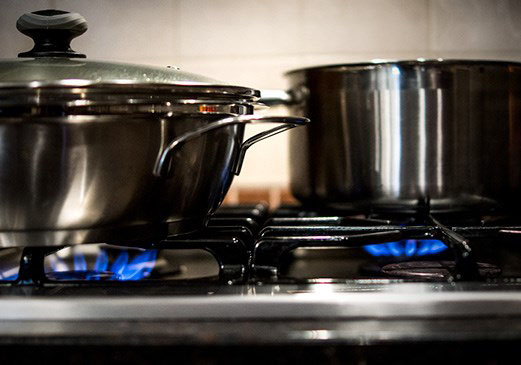
Choosing the right propane camp stove is very important for safe indoor use. Not all stoves work well inside. Some create dangerous gases or use too much oxygen. Picking a stove with safety features protects you and your home.
Consider the stove’s size and power. A small stove may not cook food well. A large stove might use too much fuel or produce more heat than you need. The right balance helps you cook safely and easily.
Safety Features To Look For
Look for stoves with built-in safety devices. Automatic shut-off valves stop gas leaks. Flame failure devices turn off the stove if the flame goes out. These features reduce the risk of accidents indoors.
Fuel Efficiency And Consumption
Choose a stove that uses propane efficiently. Efficient stoves save fuel and produce less carbon monoxide. This makes indoor use safer and more economical.
Ventilation Needs
Some stoves need extra ventilation to work safely indoors. Choose models that require minimal ventilation. This prevents dangerous gas build-up inside your home.
Portability And Size
Pick a stove that fits your space and travel needs. Compact stoves are easier to move and store. Make sure it is stable and sturdy for indoor use.
Credit: www.ferrellgas.com
FAQ: Can You Use Propane Camp Stove Indoors
Can You Safely Use A Propane Camp Stove Indoors?
Using a propane camp stove indoors is not safe without proper ventilation. It releases carbon monoxide, which can be deadly in enclosed spaces. Always use it outdoors or in well-ventilated areas only.
What Are The Risks Of Using Propane Stoves Inside?
Propane stoves produce carbon monoxide and other harmful gases. These gases can cause poisoning, headaches, or even death if inhaled in high amounts. Fire hazards also increase when using them indoors.
How Can I Reduce Dangers If Using A Propane Stove Indoors?
Ensure strong ventilation by opening windows and doors. Use carbon monoxide detectors to monitor air quality. Never leave the stove unattended while it is on.
Are There Safer Alternatives To Propane Stoves For Indoor Use?
Electric hot plates or induction cookers are safer options indoors. They don’t produce harmful gases or need ventilation. These alternatives reduce the risk of fire and poisoning.
What Signs Show Carbon Monoxide Poisoning From Propane Stoves?
Symptoms include headache, dizziness, nausea, and weakness. Feeling confused or tired while near the stove is also a warning. Leave the area immediately and get fresh air if these occur.
Conclusion
Using a propane camp stove indoors can be risky. It produces carbon monoxide, which can harm you. Always ensure good ventilation if you must use it inside. Never leave the stove unattended while in use. Safety should be your top priority.
Consider safer alternatives for indoor cooking. Remember, taking precautions protects you and your loved ones. Stay informed and stay safe.