
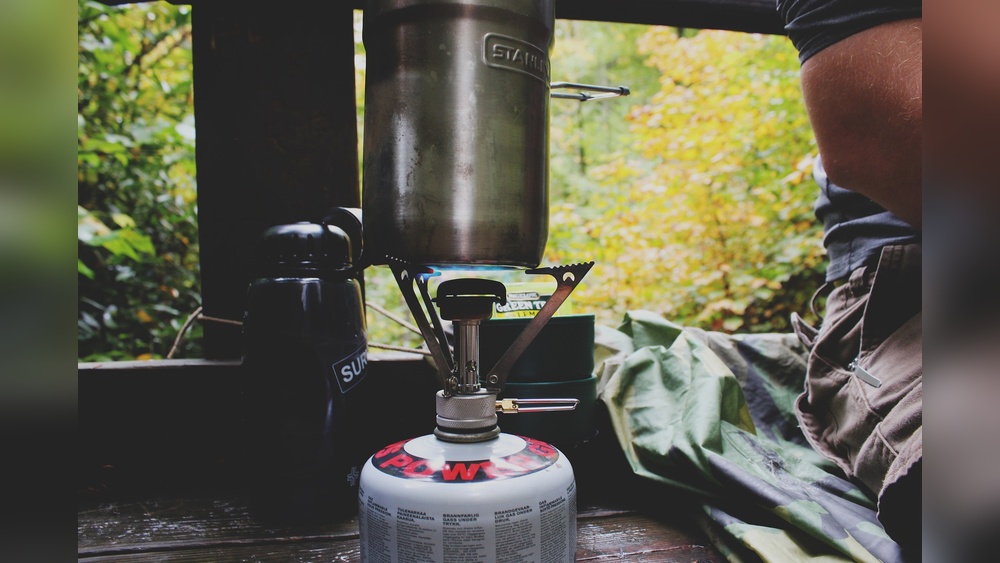
Have you ever wondered if you can use a camping stove indoors? Maybe you’re facing a power outage, or perhaps you want a quick way to cook without firing up your full kitchen.
It sounds simple, but the answer isn’t as straightforward as you might think. Using a camping stove inside your home could save you time and effort—but it might also bring hidden risks. Before you light that burner, it’s important to know what you’re getting into.
Keep reading to discover the facts, safety tips, and smart alternatives that could protect you and your loved ones.
Table of Contents
Types Of Camping Stoves
Camping stoves come in different styles and fuels. Each type has unique features. Knowing them helps pick the right stove for your needs.
Some stoves are simple and small, while others are larger and more powerful. The fuel they use also varies. This affects how safe and easy they are to use indoors.
Canister Stoves
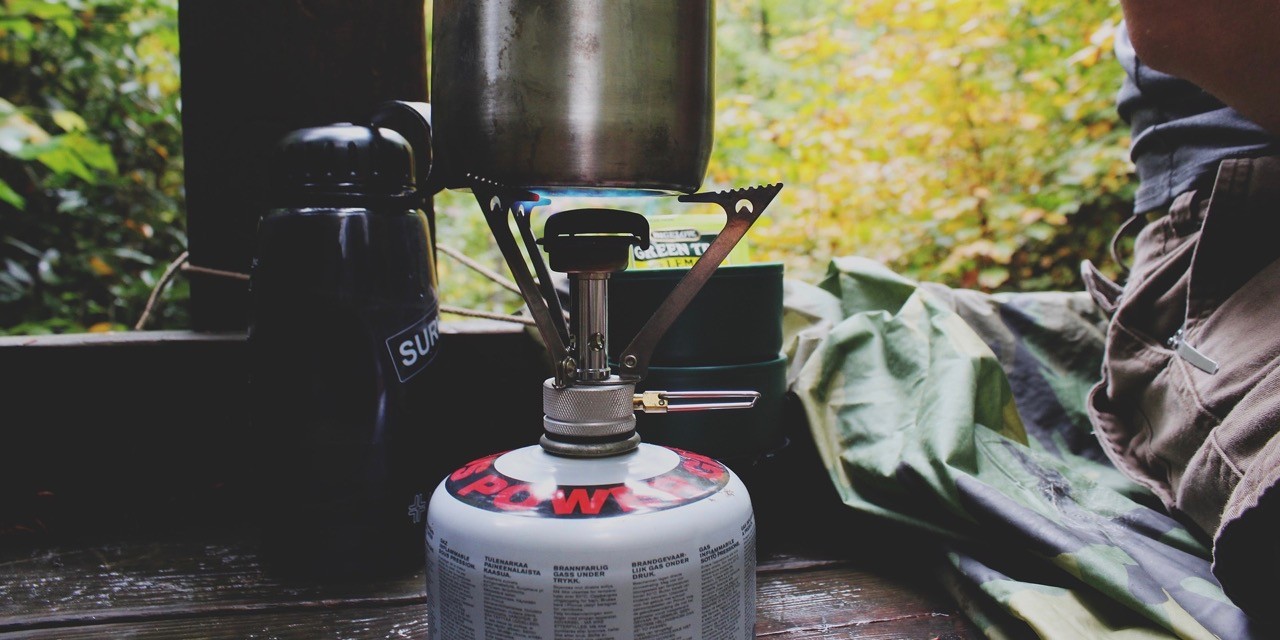
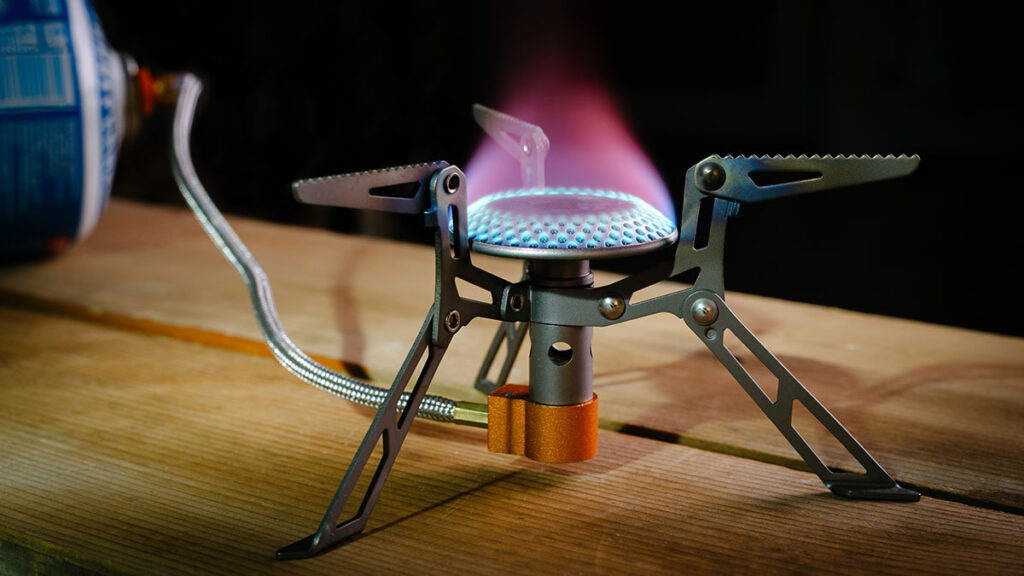
Canister stoves use gas in small, sealed containers. They are light and easy to carry. These stoves heat quickly and are good for boiling water fast.
They are simple to use but must be handled with care. Using them indoors can be risky without proper ventilation.
Liquid Fuel Stoves
Liquid fuel stoves burn fuels like white gas or kerosene. These stoves work well in cold weather. They are strong and last longer than canister stoves.
They need more setup and maintenance. Using them indoors requires caution and space for fuel storage.
Solid Fuel Stoves
Solid fuel stoves burn small tablets or blocks. They are very light and easy to pack. These stoves are quiet and produce less smoke.
They offer less heat and take longer to cook food. Solid fuel stoves are better for outdoor use.
Alcohol Stoves
Alcohol stoves burn denatured alcohol. They are simple and lightweight. These stoves are clean-burning and easy to refill.
Alcohol stoves provide gentle heat and are best for small meals. Indoor use still needs caution due to open flames.
Wood-burning Stoves
Wood-burning stoves use sticks and twigs as fuel. They do not need gas or liquid fuel. These stoves work well where wood is easy to find.
They produce smoke and ash. Using them indoors requires good ventilation and a safe setup.
Credit: outdoors.com
Indoor Risks Of Camping Stoves
Using a camping stove indoors can be dangerous. These stoves are made for outdoor use where air moves freely. Inside a home, the risks increase fast. Understanding these risks helps keep everyone safe.
Carbon Monoxide Poisoning
Camping stoves release carbon monoxide gas. This gas is colorless and odorless. It can build up quickly in closed spaces. Breathing it in can cause headaches, dizziness, or worse. Carbon monoxide poisoning can be deadly.
Fire Hazards
Camping stoves use open flames or hot surfaces. Indoors, they can ignite nearby objects easily. Curtains, paper, or furniture can catch fire fast. Fires spread quickly and cause serious damage.
Oxygen Depletion
Camping stoves consume oxygen while burning fuel. In small rooms, oxygen levels drop fast. Low oxygen makes breathing hard. It can cause fainting or suffocation in extreme cases.
Fuel Leak Risks
Fuel from camping stoves can leak indoors. Gas or liquid fuel spills are very dangerous. They can cause fires or explosions. Proper storage and handling are critical to avoid accidents.
Carbon Monoxide Dangers
Carbon monoxide is a colorless, odorless gas that can be deadly. It comes from burning fuels like propane or butane, which camping stoves use. Using a camping stove indoors creates a risk of carbon monoxide poisoning.
Breathing in carbon monoxide stops oxygen from reaching your body. This can cause headaches, dizziness, and even death in severe cases. Many people do not realize the danger until it is too late.
What Is Carbon Monoxide?
Carbon monoxide (CO) is a poisonous gas made by burning fuels. It cannot be seen, smelled, or tasted. This makes it very dangerous in closed spaces.
How Camping Stoves Produce Carbon Monoxide
Camping stoves burn fuel to create heat. This process releases carbon monoxide as a byproduct. Without fresh air, CO builds up quickly indoors.
Symptoms Of Carbon Monoxide Poisoning
Early symptoms include headache, nausea, and weakness. Higher exposure causes confusion, loss of consciousness, and death. These signs may appear slow and subtle.
Why Indoor Use Of Camping Stoves Is Risky
Indoor spaces lack proper ventilation. Carbon monoxide can reach dangerous levels fast. This puts you and your family in serious danger.
How To Stay Safe From Carbon Monoxide
Never use camping stoves inside closed rooms. Always cook outdoors or in well-ventilated areas. Install carbon monoxide detectors in your home for safety.
Ventilation Needs
Using a camping stove indoors requires careful attention to ventilation. These stoves burn fuel and produce gases that can be harmful. Proper airflow helps remove dangerous fumes and keeps air fresh.
Without good ventilation, carbon monoxide can build up quickly. This gas is colorless, odorless, and toxic. It can cause headaches, dizziness, or worse. Ventilation is not just a good idea; it is a safety must.
Understanding Ventilation Requirements
Ventilation means bringing fresh air in and pushing bad air out. You need enough space for air to move freely. Open windows or doors to create airflow. A fan can help move air but cannot replace fresh air.
Signs Of Poor Ventilation
Watch for signs like soot on walls or stove parts. A strong smell of gas or fuel is another warning. Feeling dizzy or nauseous indoors while using a stove needs immediate action. These signs mean the air is not safe.
How To Improve Indoor Ventilation
Open windows wide during stove use. Use exhaust fans if available. Avoid using a stove in small, closed rooms. Keep doors open to connect rooms with better airflow. Ventilation reduces risk and makes cooking safer indoors.
Safe Fuel Choices
Choosing the right fuel for a camping stove indoors is very important for safety. Some fuels burn cleaner and produce fewer harmful gases. Others can cause dangerous fumes or explosions. Knowing which fuels are safer helps protect you and your home.
Canister Fuels: Propane And Butane
Propane and butane come in small, sealed canisters. They burn clean and are easy to control. These fuels produce less smoke and fewer harmful gases indoors. Still, use them in a well-ventilated area. Never use them in a closed room without air flow.
Liquid Fuels: White Gas And Kerosene
White gas burns very hot and is popular for camping stoves. It creates more fumes than canister fuels. Kerosene burns slower but produces strong odors and smoke. Both fuels need careful handling and good ventilation indoors. They are less safe than canister fuels inside.
Alcohol Fuels: Denatured Alcohol And Methanol
Alcohol fuels burn clean and produce little smoke. Denatured alcohol and methanol are common options. These fuels are less powerful but safer for indoor use. They do not create toxic gases like carbon monoxide. Always keep a window open for fresh air.
Proper Stove Placement
Placing a camping stove indoors needs care to avoid fire risks. Keep it away from flammable items and ensure good airflow. Proper stove placement helps keep your space safe while cooking.
Choose A Well-ventilated Area
Place the camping stove near an open window or door. Good airflow helps remove harmful gases. Avoid small, closed rooms that trap smoke and fumes. Proper ventilation keeps the air fresh and safe to breathe.
Keep Away From Flammable Materials
Set the stove far from curtains, paper, and furniture. Sparks or heat can start fires quickly. Clear the area around the stove of anything that can burn. Safety means giving the stove plenty of space.
Use A Stable, Flat Surface
Put the stove on a solid, level table or countertop. Avoid uneven or soft surfaces that can tip over. Stability prevents accidents and spills. A firm base helps the stove stay steady during cooking.
Maintain A Safe Distance From Walls
Keep the stove at least 3 feet from walls. Heat can damage paint or cause fires. Leaving space allows heat to spread safely. It also helps air circulate around the stove.
Emergency Precautions
Using a camping stove indoors can be risky. Emergency precautions help keep you safe. Knowing what to do can prevent accidents. Safety must be the top priority during any emergency.
Ventilation Is Vital
Always keep windows and doors open. Fresh air lowers dangerous gas buildup. Carbon monoxide is a silent killer. Proper ventilation reduces the risk of poisoning.
Keep A Fire Extinguisher Nearby
Have a fire extinguisher within reach. Small fires can start quickly with stoves. Knowing how to use it saves lives. Make sure it is rated for grease and gas fires.
Never Leave The Stove Unattended
Stoves can overheat or tip over fast. Stay close while cooking. Watching the stove helps prevent fires. Turn off the stove when not in use.
Check For Gas Leaks
Smell for gas before lighting the stove. Use soapy water on connections to find leaks. Bubbles show where gas escapes. Stop use immediately if you detect a leak.
Have An Emergency Plan
Plan what to do if fire breaks out. Know your exit routes in advance. Keep phone numbers for emergency services handy. Practice the plan with your family or friends.
Credit: exploringparks.com
Alternatives For Indoor Cooking
Cooking indoors needs safe and reliable tools. Camping stoves are not made for indoor use due to gas risks and fumes. Safe alternatives exist that work well inside your home or apartment.
These options provide heat without harmful gases. They are easy to use and clean. You can cook meals without worrying about carbon monoxide or fire hazards.
Electric Hot Plates
Electric hot plates work like small stoves. They plug into any outlet and heat up quickly. These plates are compact and perfect for small kitchens. You can boil, fry, or simmer food safely indoors. They do not release harmful gases or smoke.
Induction Cooktops
Induction cooktops use magnets to heat pots directly. They are energy efficient and very fast. The surface stays cool, reducing burn risk. These cooktops are easy to clean and safe around children. Only induction-compatible cookware works on these devices.
Microwave Ovens
Microwaves cook food quickly using radio waves. They are perfect for reheating or simple meals. Microwaves do not produce open flames or gas. They are safe and common in most homes. Use microwave-safe containers and follow cooking instructions.
Electric Slow Cookers
Slow cookers simmer food for hours at low heat. They are great for soups, stews, and roasts. Slow cookers need little attention while cooking. They are safe to leave on for long periods. This method saves energy and enhances flavors.
Toaster Ovens
Toaster ovens bake, broil, and toast food quickly. They use electric heating elements inside a small oven space. They are more versatile than regular toasters. Toaster ovens work well for baking small meals. They do not create harmful gases or fumes.
Legal And Insurance Considerations
Using a camping stove indoors raises important legal and insurance questions. Laws and insurance policies often have strict rules about indoor use of outdoor equipment. Understanding these rules can help avoid fines and denied claims.
Many places have laws against using camping stoves inside homes. These laws aim to prevent fires and carbon monoxide poisoning. Breaking these laws can lead to penalties or legal trouble.
Insurance policies may not cover damages from indoor camping stove use. If a fire or accident occurs, your insurer might refuse to pay. This could leave you responsible for costly repairs or medical bills.
Legal Restrictions On Indoor Use
Local laws often ban camping stoves indoors. Fire codes and safety regulations focus on reducing risks. Check your area’s rules before using a stove inside.
Insurance Policy Limitations
Most home insurance policies exclude damage caused by improper use. Using a camping stove indoors can be seen as unsafe behavior. This may void your coverage for fire or smoke damage.
Safety Certifications And Compliance
Some stoves have safety certifications for indoor use. Look for products tested and approved for indoor cooking. Using certified equipment may reduce legal and insurance risks.
Credit: prepperpress.com
FAQ: Can You Use a Camping Stove Indoors
Can A Camping Stove Be Safely Used Inside A House?
Using a camping stove indoors can be dangerous due to carbon monoxide risks. Proper ventilation and a carbon monoxide detector are necessary for safety.
What Are The Main Risks Of Indoor Camping Stove Use?
Indoor use risks include carbon monoxide poisoning, fire hazards, and poor air quality. These dangers increase without good airflow or safety equipment.
How To Ventilate A Room When Using A Camping Stove Indoors?
Open windows and doors to create airflow when using a stove inside. Use fans if possible to move fresh air through the room.
Are There Specific Camping Stoves Designed For Indoor Use?
Some camping stoves are made for indoor use with safety features. Always check the manufacturer’s instructions before using any stove inside.
What Alternative Cooking Options Are Safer Indoors Than Camping Stoves?
Electric hot plates, microwaves, and induction cooktops are safer for indoor cooking. They do not produce harmful gases or open flames.
Conclusion
Using a camping stove indoors carries risks. Carbon monoxide can build up quickly. Always ensure proper ventilation and never leave the stove unattended. Safety must come first to avoid accidents. It is better to use stoves outside whenever possible. Know your stove’s instructions and follow them strictly.
Stay cautious and protect yourself and others. Cooking indoors with a camping stove requires care and attention. Simple safety steps can prevent dangerous situations. Choose wisely and stay safe while cooking indoors.