
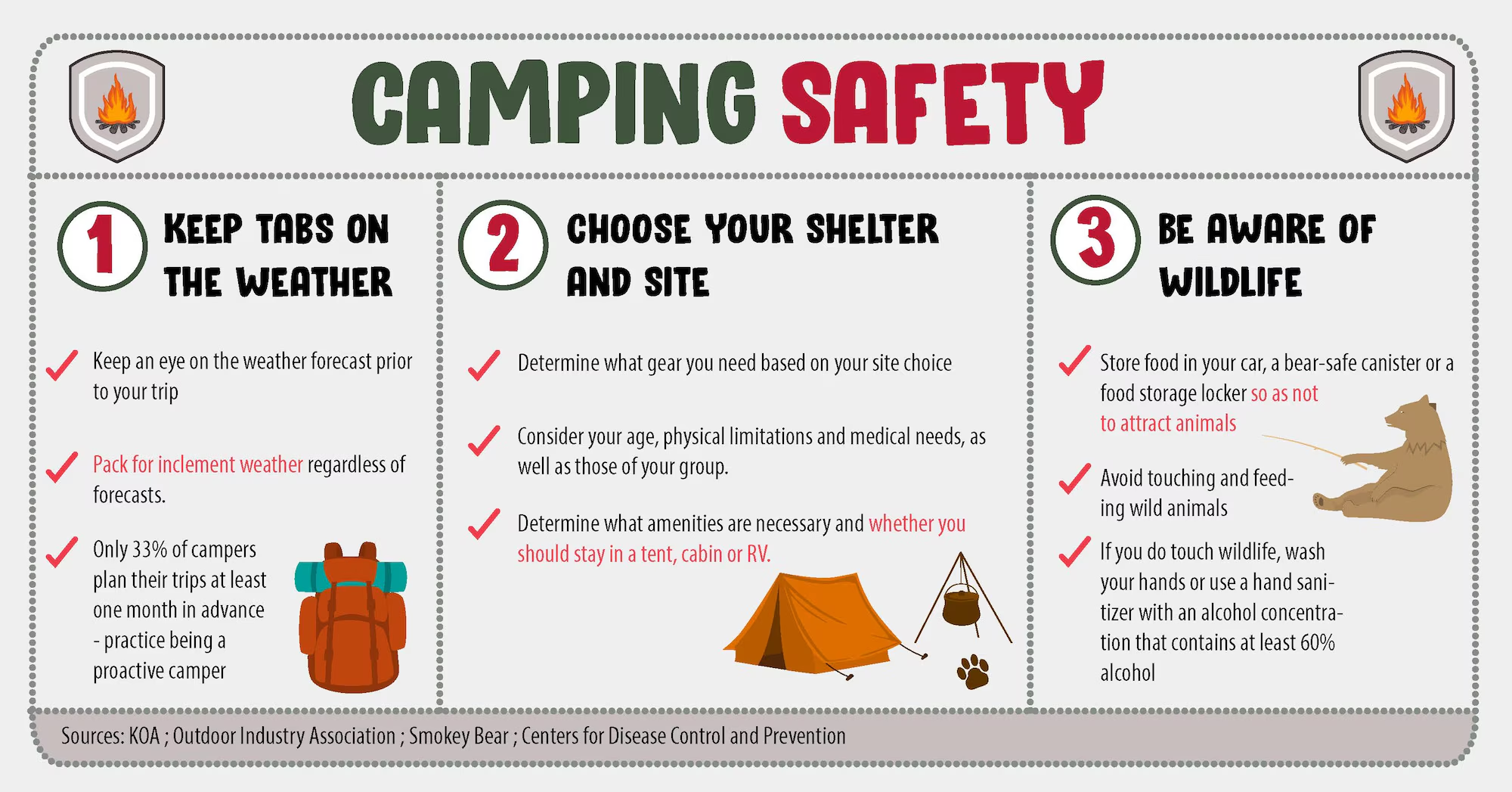
Heading out for a camping trip? Before you pack your bags, there’s one thing you can’t afford to overlook—your safety.
Knowing the right camping safety tips can make the difference between a fun adventure and a stressful experience. You want to enjoy the fresh air, starry nights, and peaceful moments without worry. This guide will help you stay prepared, avoid common dangers, and keep your trip smooth from start to finish.
Keep reading to discover simple but powerful tips that protect you and your loved ones while you explore the great outdoors.
Table of Contents
Choosing A Safe Campsite
Choosing a safe campsite is key to a fun and secure camping trip. A good spot keeps you safe from dangers and lets you enjoy nature peacefully. Careful selection helps avoid accidents and unwanted surprises.
Location Considerations
Pick a flat area to set your tent. Avoid valleys or low spots where water can collect. Stay away from cliffs or unstable ground. Choose a place with natural wind barriers like trees or bushes. Check for dead branches that might fall. Keep a safe distance from rivers or lakes to prevent flooding risks.
Weather Awareness
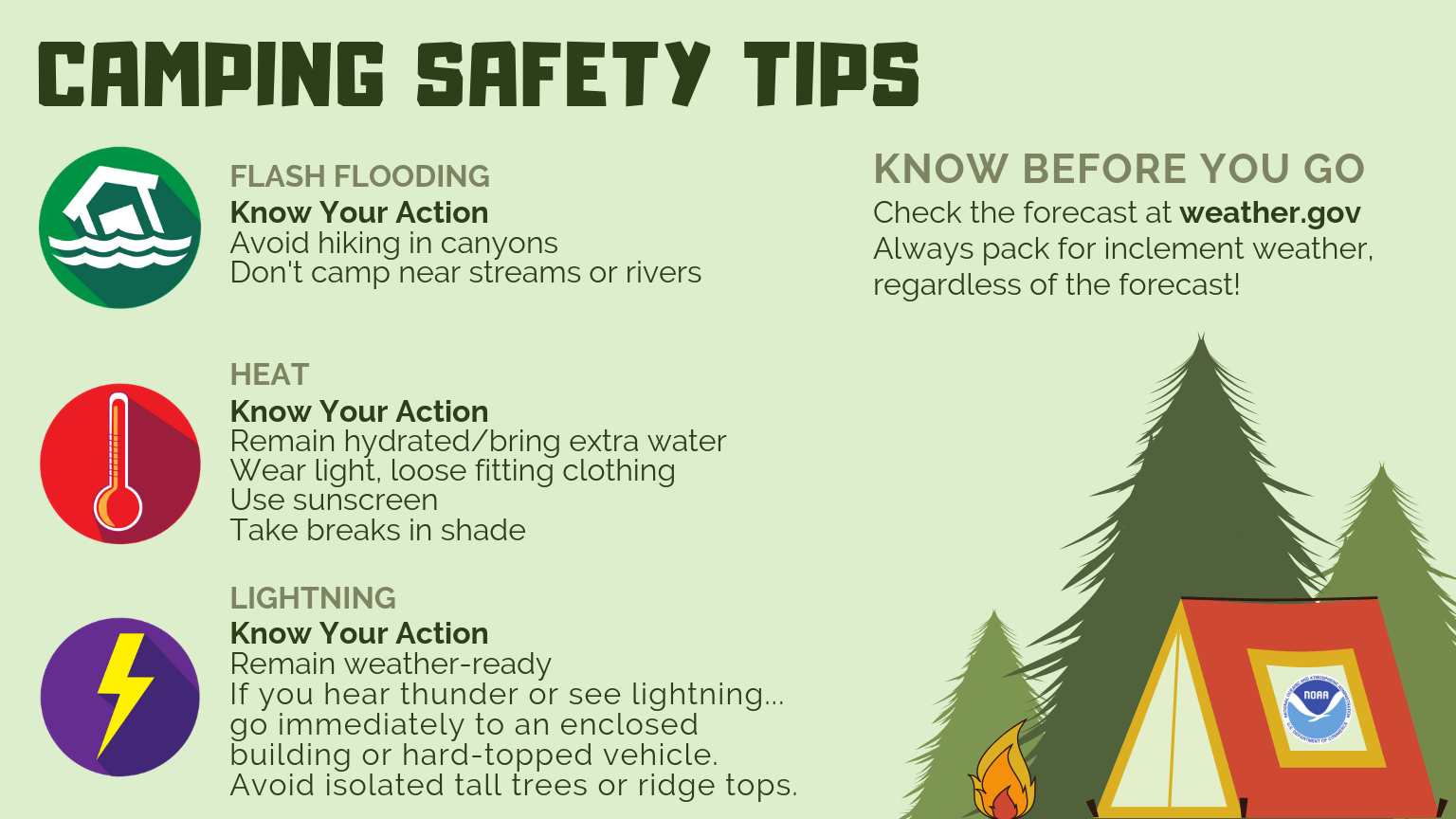
Check the weather forecast before camping. Avoid sites prone to flooding during rain. Stay clear of open fields during storms to reduce lightning risk. Prepare for cold nights by picking a sheltered spot. Know the signs of changing weather and be ready to move.
Wildlife Precautions
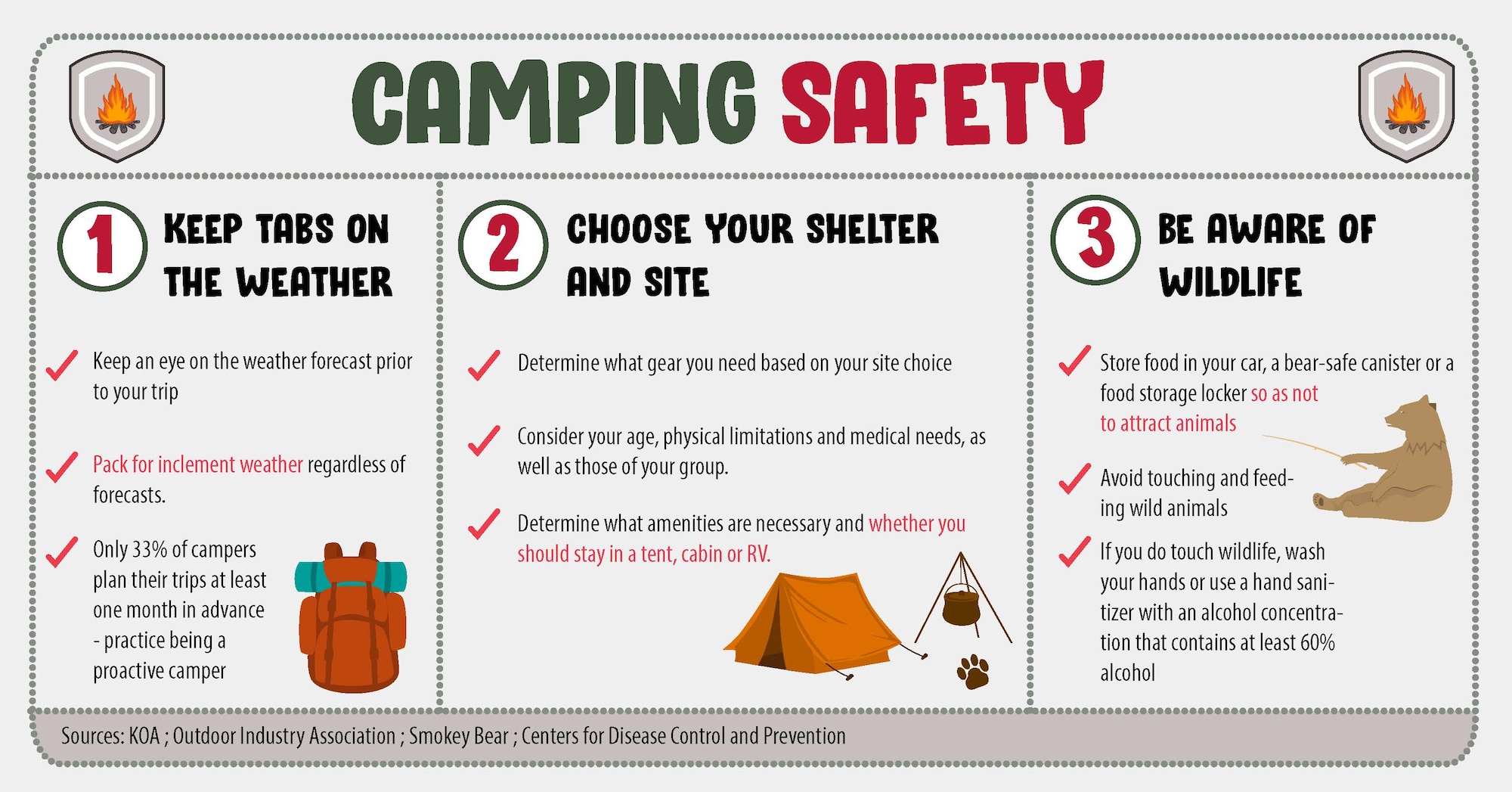
Keep food stored away from your sleeping area. Use bear-proof containers or hang food high in trees. Avoid camping near animal trails or dens. Make noise while moving to alert animals. Know which animals live nearby and learn how to stay safe.
Packing Safety Gear
Packing safety gear is vital for a safe camping trip. It helps you handle small injuries and unexpected situations. Proper gear keeps you prepared and confident outdoors.
Choosing the right items can save time and reduce stress. Pack only what you need to stay light and efficient. Focus on essentials that protect health and guide your way.
First Aid Essentials
First aid supplies are a must-have in your camping bag. Include bandages, antiseptic wipes, and pain relievers. Add tweezers, scissors, and medical tape for quick fixes.
Bring allergy medicine and insect sting treatments if needed. A small first aid manual helps identify and treat common injuries. Keep everything in a waterproof container to stay dry.
Navigation Tools
Navigation tools prevent you from getting lost in the wild. Pack a map of the area and a reliable compass. A GPS device or smartphone app can be helpful backups.
Check batteries and signal before heading out. Know how to use each tool to find your way easily. Mark your route and important landmarks on the map.
Emergency Supplies
Emergency supplies prepare you for unexpected situations during camping. Include a whistle for signaling help and a flashlight with extra batteries. Carry fire starters like waterproof matches or a lighter.
Pack a multi-tool or knife for various tasks. Bring a space blanket or emergency shelter for warmth. Store extra food and water to stay nourished and hydrated.
Fire Safety Practices
Fire is a key part of camping. It provides warmth, light, and a way to cook food. But fire can be dangerous. Following fire safety practices keeps everyone safe. Simple steps can prevent accidents and wildfires.
Campfire Setup
Choose a clear spot for your campfire. Avoid dry grass, leaves, and low branches. Use a fire ring or build a circle of rocks. Keep the fire small and manageable. Have water and a shovel nearby to control flames.
Extinguishing Fires
Never leave a fire unattended. To put out the fire, pour water slowly. Stir the ashes and add more water. Make sure the fire is cold to touch. No smoke or heat means the fire is out.
Fire Hazard Awareness
Know the local fire rules and bans. Watch for wind changes that spread sparks. Avoid burning trash or plastics. Keep flammable items far from fire. Teach kids about fire dangers and safety.
Food And Water Safety
Food and water safety is a key part of camping. Eating spoiled food or drinking dirty water can cause sickness. Keeping food fresh and water clean helps you stay healthy and enjoy your trip. This section covers simple steps to protect your food and water while camping.
Proper Food Storage
Store food in sealed containers or coolers. Use ice packs to keep perishable items cold. Keep food away from direct sunlight and heat. Store food in a secure place to prevent animals from reaching it. Clean up crumbs and spills quickly to avoid bugs and rodents.
Water Purification Methods
Always purify water before drinking. Boiling water for at least one minute kills germs. Water purification tablets are light and easy to carry. Portable water filters remove bacteria and dirt. Use clean containers to store purified water.
Avoiding Wildlife Attraction
Do not leave food out in the open. Dispose of trash in sealed bags or bins. Avoid cooking strong-smelling foods near your tent. Clean cooking utensils after use. Wildlife is attracted to food smells and can become dangerous.
Personal Safety Measures
Camping is fun but it needs care to stay safe. Personal safety means taking steps to protect yourself from harm. These steps help you enjoy nature with less worry. Simple actions can make a big difference in emergencies or tricky spots.
Buddy System Benefits
Camping with a friend is safer than going alone. Friends watch out for each other and share tasks. They can help if someone gets hurt or lost. The buddy system keeps everyone alert and ready. It also makes the trip more fun and less lonely.
Communication Plans
Good communication is key for safety. Before camping, decide how to talk if separated. Carry a whistle or two-way radios for areas without phone signal. Set meeting points and times to check in. Clear plans reduce panic and confusion in the wild.
Handling Emergencies
Know basic first aid and bring a first aid kit. Keep emergency numbers written down or saved on your phone. Learn how to signal for help using mirrors or loud noises. Stay calm and follow your plan if something goes wrong. Quick action can save lives during emergencies.

Frequently Asked Questions
What Essential Gear Should I Pack For Camping Safety?
Carry a first aid kit, flashlight, map, water, and weather-appropriate clothes for safe camping.
How Can I Prevent Wildlife Encounters While Camping?
Store food in sealed containers and keep your campsite clean to avoid attracting animals.
What Are The Best Fire Safety Practices At A Campsite?
Build fires away from tents, keep water nearby, and fully extinguish fires before sleeping.
How Do I Stay Safe During Bad Weather While Camping?
Check weather updates, seek shelter in a sturdy tent, and avoid open or tall areas.
What Should I Do If I Get Lost In The Woods?
Stay calm, stay in one place, use a whistle or phone to signal for help.
Conclusion
Camping safely makes your trip fun and stress-free. Always plan ahead and pack the right gear. Stay aware of your surroundings and follow safety rules. Keep food stored properly to avoid wildlife visits. Remember to check weather updates before heading out.
Share your plans with someone you trust. Respect nature and leave no trace behind. These simple steps keep you safe and happy outdoors. Enjoy your adventure with peace of mind. Safety first, fun always.