
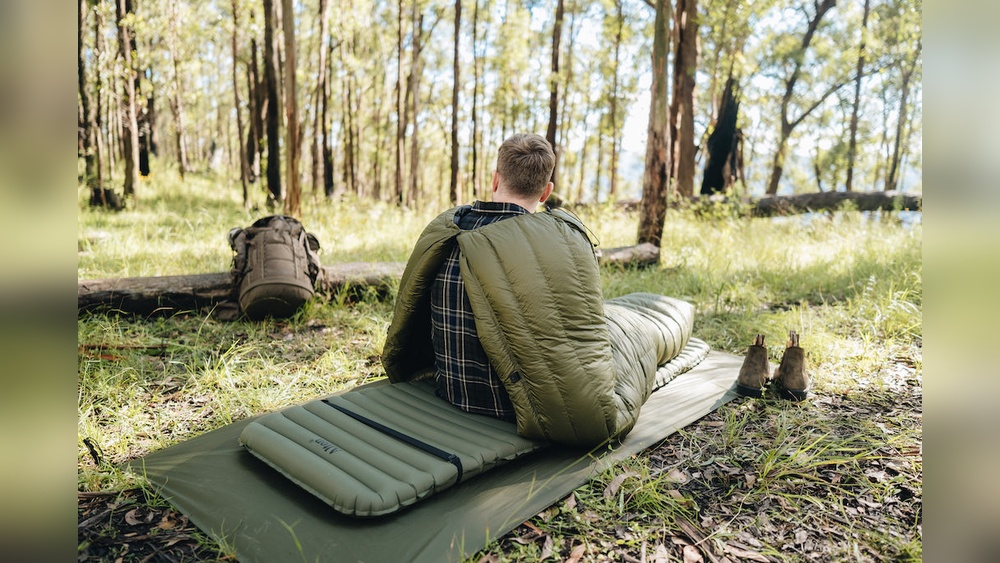
When you’re gearing up for a night under the stars, choosing the right gear can make all the difference. You might be wondering: should you pack a camping blanket or a sleeping bag?
Both keep you warm, but each works differently and suits different needs. Picking the wrong one could mean a restless night or feeling cold when you don’t want to. You’ll discover the key differences between camping blankets and sleeping bags, helping you make the best choice for your next outdoor adventure.
Keep reading to find out which option fits your style and keeps you cozy all night long.
Table of Contents
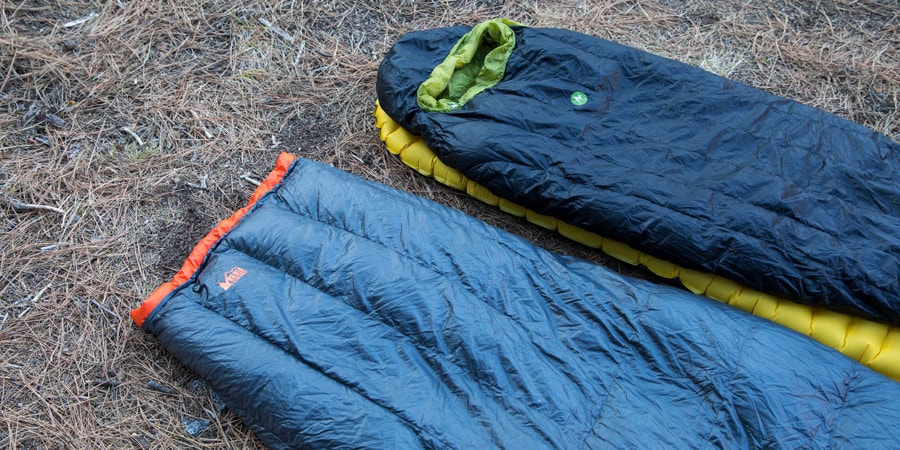
Credit: www.rei.com
Comfort Levels Compared
Camping blankets offer lightweight warmth and flexibility but less insulation. Sleeping bags provide better heat retention and comfort for colder nights. Both have unique comfort levels depending on weather and personal preference.
Comfort is very important for a good night’s sleep outdoors. Camping blankets and sleeping bags offer different levels of comfort. Understanding these differences helps you choose what suits your needs best.
Both options provide warmth, but their design affects how comfortable you feel. Some campers like the freedom to move, while others prefer to be wrapped tightly. The choice depends on personal comfort preferences and weather conditions.
Flexibility And Movement
Camping blankets allow more freedom to move your arms and legs. You can easily adjust or fold the blanket around you. This flexibility suits people who change sleeping positions often.
Sleeping bags limit movement because they enclose your body fully. This can feel snug and secure but restricts stretching. For those who sleep still, this tight fit adds to comfort.
Temperature Control
Blankets can be layered with clothes or other blankets for warmth control. You can open or close them as needed during the night. This makes blankets useful in mild or changing weather.
Sleeping bags trap body heat more efficiently due to their sealed design. They keep you warmer in cold conditions but may cause overheating in warmer weather. Temperature control is less flexible inside a sleeping bag.
Material And Softness
Camping blankets often use soft, breathable fabrics that feel cozy on the skin. They come in various materials like fleece or wool, adding to comfort.
Sleeping bags use insulated materials that focus on warmth rather than softness. The inner lining can feel smooth but less plush than blankets. Comfort depends on the fabric quality and insulation type.
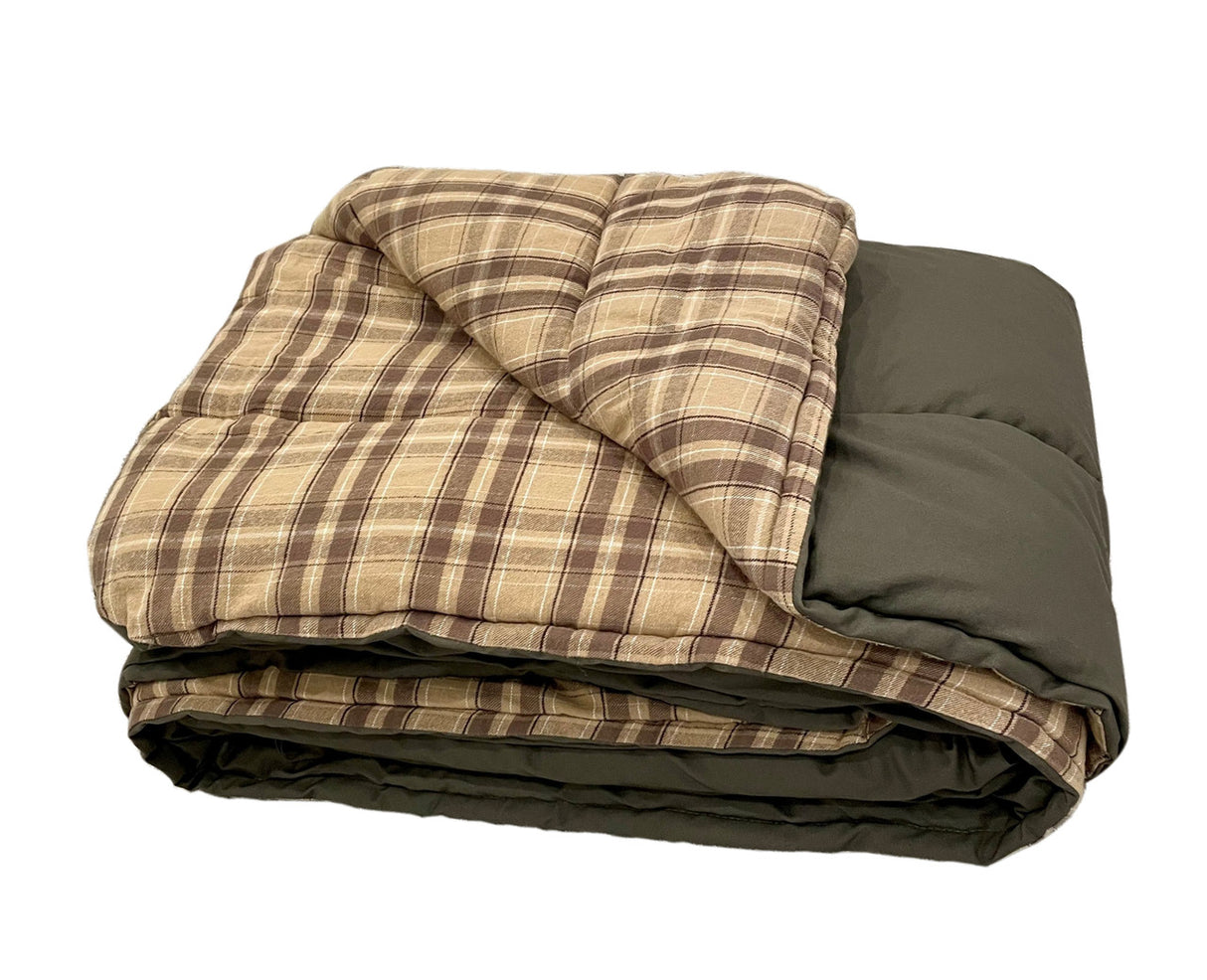
Credit: kodiakcanvas.com
Warmth And Insulation
Warmth and insulation play a key role in choosing between a camping blanket and a sleeping bag. Both offer protection from cold, but they do it in different ways. Understanding how each keeps you warm helps you pick the best option for your trip.
How Camping Blankets Provide Warmth
Camping blankets trap heat close to your body. They often use thick materials like fleece or wool. These materials block cold air and hold warmth well. Blankets allow you to adjust coverage easily. You can wrap yourself tightly or leave parts open to cool down.
Blankets usually don’t have a full seal around you. This means some heat can escape. They work best in mild to cool weather. Their warmth depends on how you use them and the blanket’s thickness.
Sleeping Bags And Their Insulation
Sleeping bags are designed to keep heat inside a closed space. They have insulated layers made of down or synthetic fibers. These layers trap warm air around your body. Sleeping bags zip up fully, creating a warm cocoon.
This design reduces heat loss and protects you from cold winds. Sleeping bags come in different temperature ratings. Choose one rated for the coldest conditions you expect to face. They provide consistent warmth and better insulation than most blankets.
Comparing Warmth Efficiency
Sleeping bags generally keep you warmer than camping blankets. Their sealed design prevents heat from escaping. Blankets offer more flexibility but less insulation. Blankets suit warm weather or mild cold. Sleeping bags work well in colder and windy conditions.
Consider your camping environment and personal warmth needs. The right choice depends on how cold it gets and your comfort level.
Portability And Weight
Portability and weight are key factors when choosing between a camping blanket and a sleeping bag. Both items aim to keep you warm, but how easy they are to carry differs greatly. This difference can affect your comfort on the trail and the space in your backpack.
Carrying light gear makes hiking more enjoyable. It also helps you move faster and with less effort. Let’s explore how camping blankets and sleeping bags compare in these areas.
Camping Blanket Portability
Camping blankets are usually lighter than sleeping bags. They fold or roll into small bundles. This makes them easy to pack in a backpack. Some camping blankets come with compression sacks to reduce size further. Their slim design fits well in tight spaces. You can carry them along with other gear without trouble.
Sleeping Bag Portability
Sleeping bags tend to be bulkier than blankets. They need more space because of insulation material inside. Some models compress well but still take up more room. Weight varies depending on fill type and size. Lightweight sleeping bags are available but cost more. They may still weigh more than camping blankets. This extra weight can slow you down on long hikes.
Weight Comparison
Camping blankets usually weigh less than sleeping bags. They use fewer materials and less insulation. Blankets often weigh under two pounds. Sleeping bags commonly weigh between two and five pounds. This difference matters for backpackers who prioritize light loads. Choosing a lighter option helps conserve energy and reduce fatigue.
Ease Of Use
Ease of use is important for camping gear. It affects your comfort and time spent setting up. Choosing gear that is simple saves energy for fun activities. Both camping blankets and sleeping bags have different ways to use them.
Camping Blanket Setup
Camping blankets need little effort to use. Just unfold and spread on the ground or over yourself. No zippers or fasteners to manage. Easy to adjust and share with others. Great for quick stops or warm evenings.
Sleeping Bag Setup
Sleeping bags require more steps. You unzip, get inside, and zip up. Takes a bit more time than a blanket. Provides a snug fit that traps heat well. Some bags have extra features like hoods or pockets.
Portability And Storage
Camping blankets usually fold into a small size. Light and easy to carry in a backpack. Sleeping bags can be bulky but compress into bags. They often take more space and weight. Choose based on how much you want to carry.
Weather Suitability
Choosing between a camping blanket and a sleeping bag depends a lot on the weather. Each offers different levels of warmth and protection. Understanding their weather suitability helps you stay comfortable on your trip.
Camping Blanket In Mild Weather
Camping blankets work best in warm or mild weather. They provide light warmth without trapping too much heat. You can use them for cool nights in spring or summer. They are easy to carry and quick to dry after rain.
Sleeping Bag In Cold Weather
Sleeping bags are ideal for cold weather camping. They keep you warm by trapping body heat inside. Most sleeping bags have insulation to protect against wind and cold. They are designed to cover your whole body, blocking chilly air.
Breathability And Moisture Control
Camping blankets offer good breathability but less moisture control. They may not keep you dry if it’s damp outside. Sleeping bags often have water-resistant fabrics. These help protect you from dew and light rain.
Versatility Across Seasons
Sleeping bags come in various temperature ratings. You can find options for summer, spring, or winter. Camping blankets usually suit only warmer seasons. For year-round camping, sleeping bags offer more flexibility.
Durability And Materials
Durability and materials matter a lot for camping gear. They affect how long the item lasts and how well it works outdoors. Camping blankets and sleeping bags use different fabrics and fillings. These choices change their strength, weight, and comfort.
Materials Used In Camping Blankets
Camping blankets often use wool, fleece, or synthetic fibers. Wool is warm and resists water. Fleece dries fast and feels soft. Synthetic fibers like polyester are light and strong. These materials handle rough use well. They resist tears and stains better than natural fabrics.
Materials Used In Sleeping Bags
Sleeping bags usually have a nylon or polyester shell. Inside, they fill with down or synthetic insulation. Down is light and packs small. It keeps heat well but loses warmth if wet. Synthetic fill stays warm when damp. The outer fabric is strong to stop rips and moisture.
Durability Factors To Consider
Check the stitching and zippers on both items. Strong seams and quality zippers last longer. Look for water-resistant or waterproof coatings. These protect the gear from rain and dew. Weight also plays a role. Durable materials can add weight but improve lifespan.
Cost Considerations
Cost plays a big role in choosing camping gear. Camping blankets and sleeping bags differ widely in price. Knowing these differences helps pick the right item for your budget and needs.
Price Range Of Camping Blankets
Camping blankets usually cost less than sleeping bags. Basic models start very cheap. Premium blankets with special materials cost more but stay affordable. Blankets offer good value for casual campers.
Price Range Of Sleeping Bags
Sleeping bags tend to have a higher price range. Entry-level bags are affordable but limited in warmth. High-quality bags with insulation and weather protection cost more. They suit serious campers and colder climates.
Long-term Investment
Sleeping bags often last longer than blankets. Durable materials and design add to their cost. A good sleeping bag can be used for years. Blankets may wear out faster but cost less to replace.
Additional Costs To Consider
Extra gear like liners or stuff sacks adds to sleeping bag costs. Blankets need less extra equipment. Check if the item includes a carrying case or needs extra purchases.
Versatility In Outdoor Activities
Outdoor activities require gear that adapts to different needs. Versatility is key for enjoying nature comfortably. Both camping blankets and sleeping bags serve multiple purposes. Understanding their versatility helps pick the right gear for any trip.
Camping Blanket Flexibility
Camping blankets work for sitting, sleeping, or extra warmth. They are easy to fold and carry. You can use them as a picnic mat or a windbreaker. Their open design lets you share warmth with others. Great for mild weather and casual outdoor use.
Sleeping Bag Adaptability
Sleeping bags offer full body protection from cold and bugs. They keep you warm during chilly nights. Many have hoods and insulated layers for extra comfort. Some models unzip to become blankets or quilts. Ideal for camping in cooler climates or rough terrains.
Choosing Based On Activity
Choose a camping blanket for light hikes, beach trips, or festivals. Pick a sleeping bag for overnight camping or cold-weather adventures. Consider your activity’s demands and expected weather. Both items add value to your outdoor experience in different ways.
Maintenance And Cleaning
Camping blankets and sleeping bags need care to last long. Keeping them clean is key for comfort and hygiene. Dirt, sweat, and moisture can damage their material over time. Proper maintenance helps keep them fresh and ready for your next trip.
Cleaning A Camping Blanket
Camping blankets are usually easy to clean. Most are machine washable. Use cold water and a gentle cycle. Avoid bleach or harsh detergents. Air dry the blanket to keep its shape. If the blanket is wool, hand wash it carefully. Do not wring or twist wool blankets. Dry flat to avoid stretching.
Cleaning A Sleeping Bag
Sleeping bags need more careful cleaning. Check the care label for instructions. Use a front-loading washing machine if possible. Use mild soap made for outdoor gear. Avoid fabric softeners that can damage insulation. Rinse thoroughly to remove all soap. Dry the sleeping bag in a large dryer on low heat. Add clean tennis balls to fluff the insulation. Make sure it is completely dry to stop mold growth.
Storage Tips For Both
Store camping blankets and sleeping bags in a dry place. Avoid compressing them for long periods. Use a large storage sack or hang them loosely. Keep them away from direct sunlight to prevent fading. Check them before storage for any dampness. Proper storage keeps the material fresh and soft.
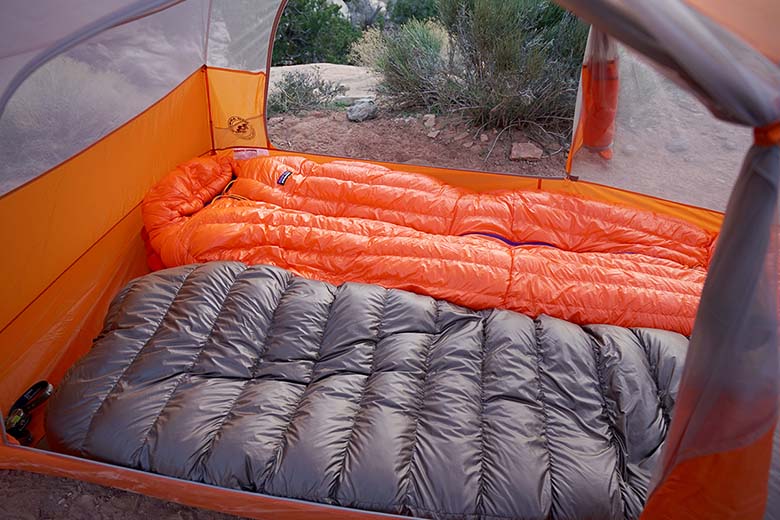
Credit: www.switchbacktravel.com
Choosing The Right Option
Choosing the right option for your outdoor sleep setup matters. Both camping blankets and sleeping bags serve to keep you warm. Yet, each has unique traits that suit different needs. Understanding these traits helps you pick what fits best.
Comfort And Warmth
Sleeping bags offer more warmth because they wrap around your body. They trap heat effectively in cold weather. Camping blankets provide less insulation but feel lighter. Choose a sleeping bag for chilly nights. Pick a blanket for mild temperatures or extra layering.
Camping blankets usually weigh less and pack smaller. They are easier to carry on long hikes. Sleeping bags are bulkier and heavier. They need more space in your backpack. For short trips or car camping, weight is less important. For long trips, go with a lighter blanket.
Versatility And Use
Camping blankets can double as ground covers or picnic mats. They offer flexible use beyond sleeping. Sleeping bags mainly serve as a sleep shelter. Blankets work well in warm weather or as an extra layer. Sleeping bags are best in cold or windy conditions.
Durability And Material
Sleeping bags often use thick, durable fabrics to resist wear. They include insulation to protect from cold. Camping blankets vary in material, some are thin and less tough. Think about the environment and how rough the terrain is. Durable gear lasts longer and protects better.
FAQ: Camping Blanket Vs Sleeping Bag
What Is The Main Difference Between A Camping Blanket And Sleeping Bag?
A camping blanket is flat and flexible, while a sleeping bag encloses your body for warmth.
Which Is Warmer: Camping Blanket Or Sleeping Bag?
Sleeping bags are usually warmer because they trap heat around your body better.
Can A Camping Blanket Replace A Sleeping Bag?
Camping blankets can work for mild weather but are less effective in cold conditions.
Are Camping Blankets Lighter Than Sleeping Bags?
Yes, camping blankets are often lighter and easier to carry than sleeping bags.
Which Is Better For Backpacking: Blanket Or Sleeping Bag?
Sleeping bags are better for backpacking due to their warmth and compact design.
Conclusion
Choosing between a camping blanket and a sleeping bag depends on your needs. Camping blankets are light and easy to carry. Sleeping bags keep you warmer in cold weather. Think about the climate and how you like to sleep outdoors.
Both have their benefits for different trips. Pick what feels best for your comfort and safety. Your choice will make your camping experience better and more enjoyable. Stay warm, stay cozy, and enjoy your time outside.