
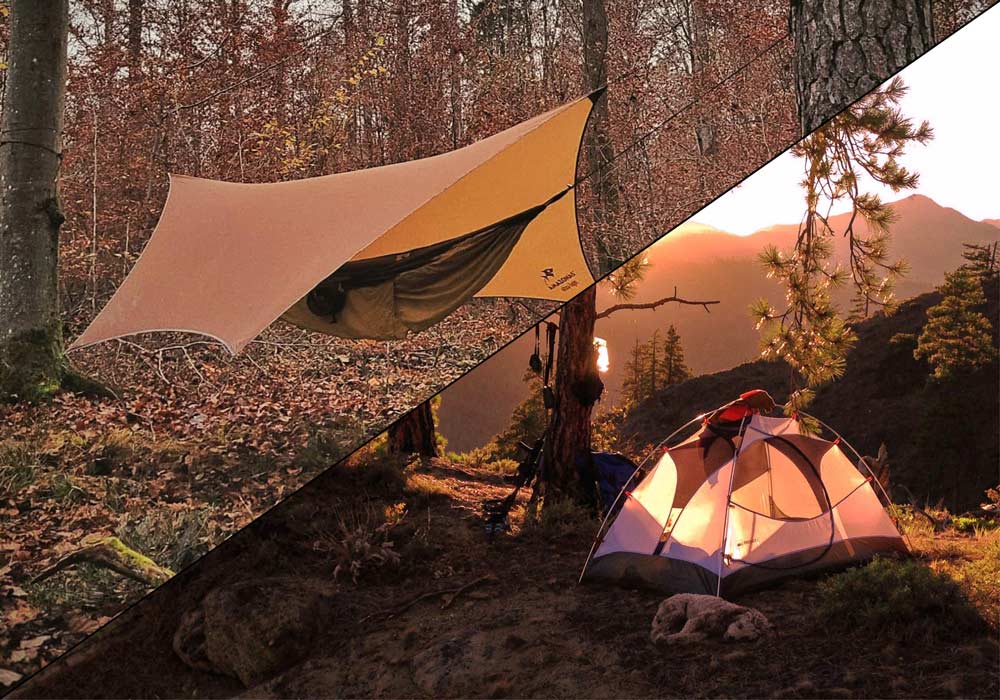
Choosing the right shelter can make or break your backpacking trip. You might be torn between a tent and a hammock, unsure which one suits your style and needs best.
What if you could discover the key differences that will help you sleep comfortably, stay safe, and pack light? You’ll find the answers you need to pick the perfect option for your next adventure. Keep reading to unlock the secrets that will transform your outdoor experience.
Table of Contents
Comfort Comparison
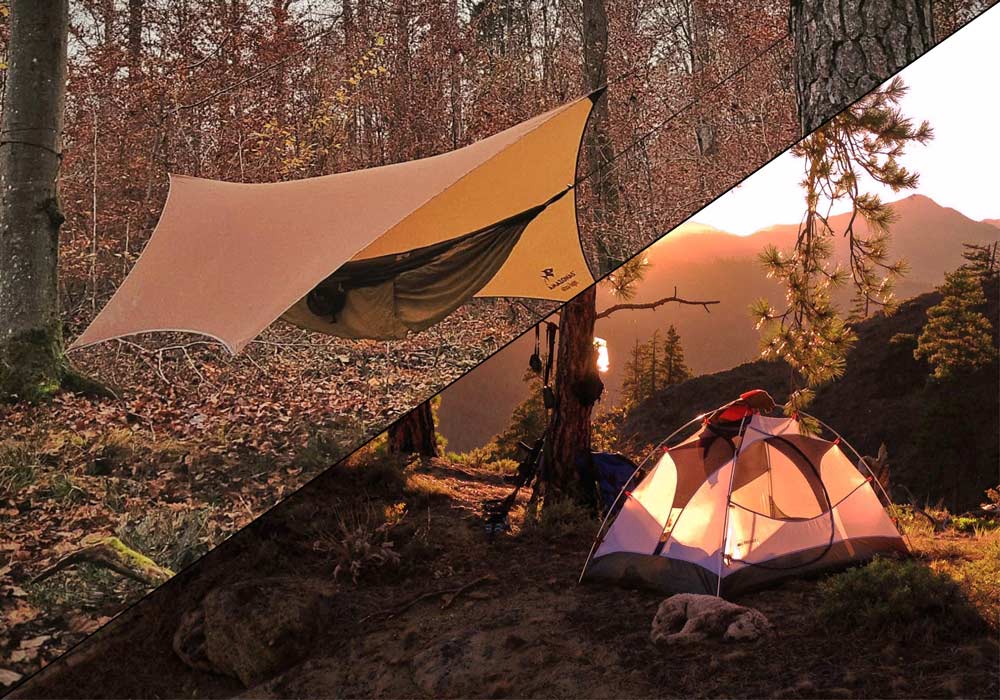
Comfort plays a big role in choosing between a backpacking tent and a hammock. Each offers a different kind of rest during your outdoor adventure. Understanding their comfort levels helps you pick the right gear for a good night’s sleep.
Sleeping Experience
A tent provides a flat, stable surface for sleeping. You lie on a sleeping pad or mattress inside the tent. This feels similar to sleeping at home. Hammocks gently cradle your body, reducing pressure points. They keep you off the ground and can feel very cozy. Some people find hammocks better for back pain. Others prefer tents for more space to move around. Your sleep style matters a lot here.
Weather Protection
Tents offer solid protection from rain, wind, and insects. They fully enclose you, creating a safe shelter. Hammocks require a rain fly or tarp to stay dry. They protect from rain but can feel drafty in cold weather. Bugs can still reach you unless you use a bug net. Tents usually block all insects. Weather and bugs affect comfort greatly outdoors.
Space And Ventilation
Tents give you space to store gear and change clothes. They can feel cramped but keep everything inside. Ventilation depends on tent design and windows. Some tents trap heat, while others have mesh panels. Hammocks have open sides that let air flow freely. This is great in warm weather but can get chilly. Space is limited to your body size, no extra room. Air movement is better in hammocks, less stuffy.
Portability Factors
Portability plays a big role when choosing between a backpacking tent and a hammock. Backpackers want gear that is light and easy to carry. The size and weight of the shelter affect how comfortable the hike will be. Setup time also matters. Quick and simple setup saves energy and frustration after a long day. Let’s explore these portability factors in detail.
Weight Differences
Hammocks usually weigh less than tents. Most hammocks weigh under two pounds. Tents often weigh three to five pounds or more. The extra weight of a tent comes from poles, stakes, and fabric. A lighter load helps save energy during long hikes. Weight matters most on tough or long trails.
Packed Size
Hammocks pack down smaller than tents. They fold into a small bundle that fits easily in a backpack pocket. Tents take more space because of poles and thicker fabric. Even lightweight tents can be bulky. Smaller packed size means more room for food, water, and other gear.
Ease Of Setup
Hammocks are faster to set up than tents. You only need two strong trees or posts. Just hang the hammock, attach rainfly, and you are ready. Tents take longer. You must find flat ground, lay out the tent, assemble poles, and stake it down. Simple setup saves time and energy at camp.
Durability And Materials
Durability and materials play a big role in choosing between a backpacking tent and a hammock. These factors affect how long the gear lasts and how well it protects you outdoors. Both tents and hammocks use different materials designed for strength and weather resistance. Understanding these differences helps pick the right option for your trip.
Fabric Strength
Backpacking tents usually have thick, durable fabrics like ripstop nylon or polyester. These materials resist tears and hold up well against wind and rain. They often have waterproof coatings to keep you dry during storms. Hammocks use lighter fabrics, often nylon or polyester, but with a tighter weave. This keeps the fabric strong while staying light. Some hammocks also have weatherproof coatings, but they rely more on setup for protection.
Frame And Suspension
Tents come with frames made from aluminum or fiberglass poles. Aluminum is light and strong, making it popular for backpacking tents. Fiberglass is cheaper but less durable. The frame holds the tent stable in tough weather. Hammocks use suspension systems with ropes, straps, and carabiners. These parts are usually made from strong nylon or polyester webbing. The suspension must hold weight securely and resist wear from rubbing on trees. Quality suspension gear can last many trips if cared for well.
Versatility In Terrain
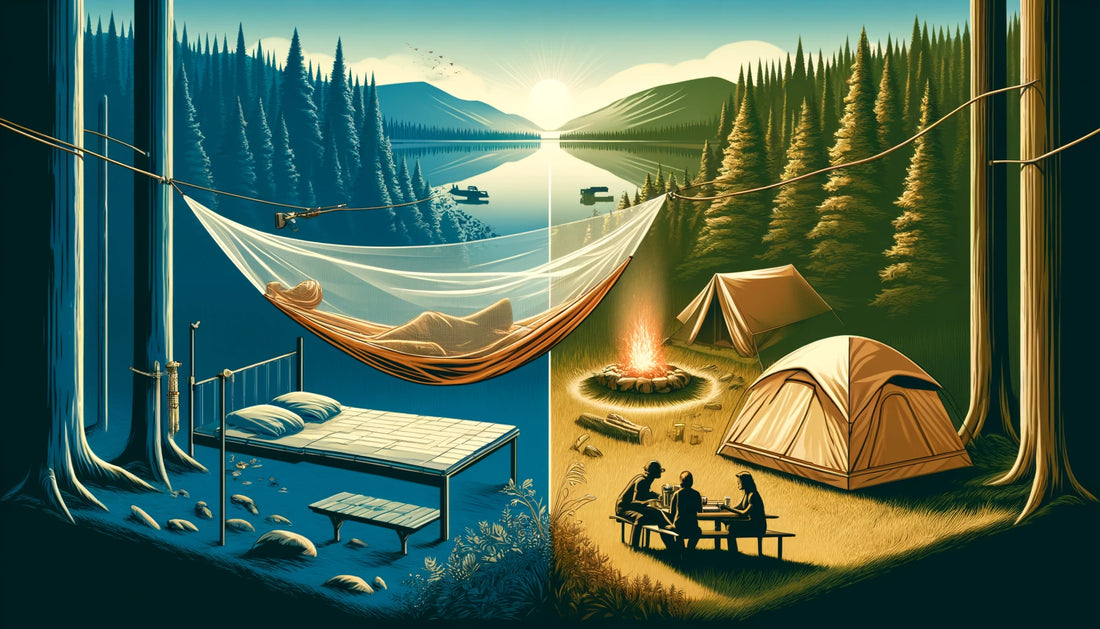
Choosing between a backpacking tent and a hammock depends on where you plan to camp. Each shelter type handles different terrains in unique ways. Knowing their strengths helps you pick the right gear for your adventure.
Suitability For Different Environments
Tents work well on flat, open ground. They offer protection from wind and rain. Tents are good for rocky or uneven areas where hanging a hammock is impossible.
Hammocks excel in forested areas. Trees provide natural support for hanging. They keep you off wet or muddy ground. Hammocks also help avoid insects and small animals on the ground.
Anchoring Options
Tents use stakes and guylines to stay secure. You need soft soil to place stakes firmly. Hard or rocky ground can make staking difficult.
Hammocks rely on strong trees or poles. Without good anchor points, setting up is tough. Some hammocks come with straps to protect tree bark.
Both tents and hammocks have limits depending on terrain. Knowing these helps you prepare for your trip better.
Cost Considerations
Choosing between a backpacking tent and a hammock involves thinking about cost. Understanding the expenses helps decide which option fits your budget. Costs include the price to buy and the money spent on upkeep.
Initial Investment
Tents usually cost more at the start. A good backpacking tent can be pricey due to materials and design. Hammocks tend to have a lower price for basic models. Still, buying extra gear like straps and rain flies adds to hammock costs. Consider what gear you need before buying.
Maintenance Expenses
Tents may need repairs to zippers, poles, or fabric. These repairs can add to the overall cost. Hammocks require less maintenance but must be cleaned and checked for wear. Both need proper storage to last longer. Taking care of your gear saves money over time.
Weight Capacity And Size
Weight capacity and size matter a lot in choosing between a backpacking tent and a hammock. These factors affect how comfortable and safe you feel during your trip. Both options have limits and space differences. Knowing these helps you pick the right gear for your adventure.
User Weight Limits
Backpacking tents usually support more weight. Most tents hold two to three people, around 400 to 600 pounds. Some models can carry even more. This makes tents a good choice for heavier users or groups.
Hammocks have lower weight limits. Most support one person, about 250 to 400 pounds. Some double hammocks hold up to 500 pounds. Weight limits depend on the hammock’s material and straps.
Storage Space Inside
Tents offer more storage space inside. You can keep gear, shoes, and backpacks dry. Some tents have pockets or vestibules for extra room. This space helps keep your gear safe from rain or dirt.
Hammocks have very little storage space. You usually store items under the hammock or in a separate bag. Some hammocks come with small pockets for essentials. This setup works well for light packers.
Setup Time And Complexity
Setup time and complexity are important factors for backpackers. They affect how quickly you can rest after a long hike. Tents and hammocks differ a lot in these areas. Understanding these differences helps you choose the right gear for your trip.
Skill Level Required
Setting up a backpacking tent needs some basic skills. You must know how to use poles and stakes. It can take a few tries to get fast. Hammocks need less skill for setup. You mostly just find two trees and hang it. It is easier for beginners and faster once you practice.
Tools And Accessories
Tents usually need poles, stakes, and sometimes guylines. These tools add to the setup time. You must find good ground to pitch your tent. Hammocks require fewer tools. Mostly just straps and carabiners to hang between trees. No need to find flat ground. This makes hammock setup simpler and quicker.

Climate And Season Suitability
Choosing between a backpacking tent and a hammock depends on the climate and season. Each shelter type offers different benefits and challenges. Knowing how they perform in various weather conditions helps you pick the right gear for your trip.
Cold Weather Use
Tents provide better warmth in cold weather. Their enclosed space traps body heat and blocks cold air. You can use a sleeping bag and insulated pad inside a tent.
Hammocks hang in the air, exposing you to cold winds from below. Insulation under and around you is essential for warmth. Specialized underquilts and top quilts help, but still, hammocks can feel colder than tents.
Rain And Wind Resistance
Tents offer solid protection from rain and wind. Quality tents have waterproof rainflies and sturdy poles. They create a dry, sheltered space even in storms.
Hammocks rely on rain flies for protection. These covers shield you from rain but can allow wind to enter from the sides. Strong winds can sway hammocks, making them less stable than tents in rough weather.
Environmental Impact
Choosing between a backpacking tent and a hammock affects the environment differently. Understanding their impact helps protect nature. Camping gear should cause minimal harm to plants and animals. Respecting natural spaces keeps them beautiful for everyone.
Leave No Trace Principles
Both tents and hammocks should follow Leave No Trace rules. These rules teach campers to leave nature as they found it. Pack out all trash and avoid making new trails. Camp on durable surfaces to protect soil and plants. Avoid disturbing wildlife and keep noise low. Respecting these principles reduces your camping footprint.
Effect On Trees And Ground
Tents rest on the ground and can crush plants. Repeated use can cause soil erosion and damage small plants. Hammocks hang from trees and may harm bark if straps are tight. Use wide straps to protect tree bark. Choose healthy trees far apart to avoid damage. Both setups need care to avoid lasting harm to nature.
User Preferences And Lifestyle
User preferences and lifestyle play a big role in choosing between a backpacking tent and a hammock. Each option fits different needs and habits. Understanding these factors helps pick the right gear for your outdoor trips.
Some campers enjoy quiet time alone. Others love group adventures with friends. Your style affects what gear works best.
Solo Vs Group Camping
Solo campers often prefer hammocks. They are light and easy to set up. Hammocks suit quick trips and simple campsites. Tents can feel bulky for one person.
Group camping needs more space. Tents offer room for multiple people. They protect from insects and weather better. Groups can share a tent, saving weight.
Adventure Style Compatibility
Backpackers on rugged trails may choose hammocks. They hang between trees and keep you off wet ground. Hammocks are good for short stops and warm weather.
Tents work well for longer trips and rough weather. They offer solid shelter from wind and rain. Tents fit many landscapes, including open fields and rocky areas.
FAQ: Backpacking Tent Vs Hammock
What Are The Main Differences Between Tents And Hammocks?
Tents sit on the ground, while hammocks hang between trees or poles. Each offers different comfort and setup.
Which Is Lighter For Backpacking, A Tent Or A Hammock?
Hammocks are usually lighter and pack smaller, making them easier to carry on long hikes.
Can You Use A Hammock In All Weather Conditions?
Hammocks need extra rain flies and insulation to stay dry and warm in bad weather.
Is It Easier To Set Up A Tent Or A Hammock?
Tents can take longer to pitch; hammocks often set up faster if trees are nearby.
Which Provides Better Protection From Insects And Bugs?
Tents fully enclose you, offering better bug protection than most hammocks without extra netting.
Conclusion
Choosing between a backpacking tent and hammock depends on your trip needs. Tents offer more protection from bugs and weather. Hammocks are lighter and better for uneven ground. Both have pros and cons for comfort and weight. Think about where you will camp and what gear suits you best.
Either choice can make your outdoor experience fun and safe. Pick what feels right for your adventure style. Stay prepared and enjoy your time in nature.