
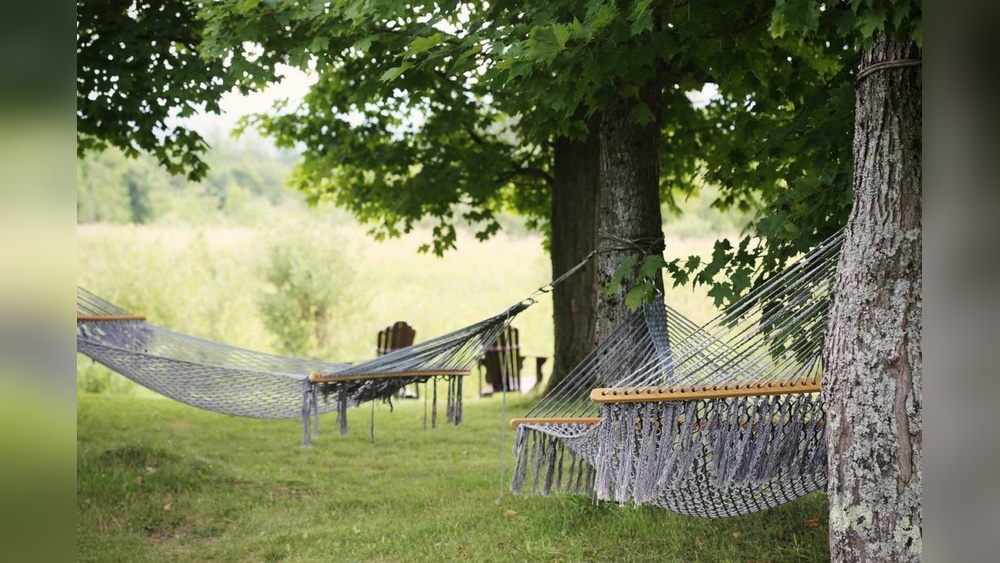
Have you ever wondered if hammocks are actually safe to use? They look so relaxing, but what if there’s more to them than meets the eye?
You might be surprised to learn about the hidden risks that come with swinging gently between two trees. Before you hang your next hammock, it’s important to know what dangers could be lurking and how to avoid them. Keep reading to discover the truth behind hammocks and how you can enjoy yours without worry.
Table of Contents

Credit: www.childinjuryfirm.com
Common Hammock Injuries
Hammocks offer great comfort and relaxation. Yet, some injuries happen often. Knowing these common injuries helps you stay safe. This section explains usual hammock accidents and their causes.
Understanding these risks helps you use a hammock more carefully. Simple steps can reduce most injuries.
Falls And Impact Injuries
Falling from a hammock is the most common injury. This can happen if the hammock is hung too high or slips. People may hit the ground or nearby objects. Falls cause bruises, cuts, or broken bones.
Strains And Sprains
Getting in and out of a hammock can strain muscles. Twisting or sudden movements may cause sprains. Back and ankle injuries are frequent. These happen due to poor balance or incorrect posture.
Pinching And Abrasions
Hammock ropes or fabric can pinch the skin. This causes painful marks or small cuts. Rough materials may cause skin abrasions. Wearing comfortable clothing helps prevent these injuries.
Head Injuries
Hitting your head on a tree or frame is possible. This happens during falls or careless movements. Head bumps can be mild or serious. Always check the area around the hammock for safety.
Allergic Reactions And Insect Bites
Using hammocks outdoors exposes you to insects and plants. Bug bites or allergic reactions can occur. These may cause itching, swelling, or rashes. Using bug spray and choosing safe spots helps avoid this.
Hammock Safety Standards
Hammock safety standards help keep users safe and prevent accidents. They set rules for design, materials, and weight limits. These standards ensure hammocks are strong and reliable.
Following safety standards reduces risks of falls or hammock tears. It also guides manufacturers to make better products. Knowing these standards helps users choose safe hammocks.
Understanding Hammock Weight Limits
Weight limits show how much load a hammock can hold safely. Exceeding this limit can cause breakage or falls. Always check the weight limit before buying or using a hammock.
Manufacturers test hammocks to find safe weight capacity. Choose a hammock with a higher limit than your weight. This adds an extra safety margin.
Quality Of Materials Used
Safe hammocks use strong fabrics and durable ropes. Materials like nylon or polyester resist tearing and weather damage. Weak materials can cause accidents or wear out quickly.
Look for hammocks made with high-quality fabric and sturdy stitching. These last longer and keep you safer.
Proper Installation Guidelines
Standards include rules for how to hang a hammock safely. Using strong anchors and correct knots prevents falls. The hammock should hang at the right height and angle.
Follow instructions carefully to avoid accidents. Incorrect setup is a common cause of hammock injuries.
Choosing The Right Hammock
Choosing the right hammock is important for safety and comfort. Picking the wrong one can cause accidents or injuries. A good hammock fits your needs and environment well. It should support your weight and hold up over time. Understanding different types helps you make a safe choice.
Material Matters
Hammocks come in many materials. Cotton is soft and cozy but can weaken if wet. Nylon is strong, light, and dries fast. Polyester resists weather and lasts longer outdoors. Choose a material that matches your use and weather conditions.
Weight Capacity
Every hammock has a weight limit. Check the label before buying. Exceeding the limit can cause tears or falls. Pick a hammock that holds more than your weight. This ensures safety and durability for longer use.
Size And Shape
Hammocks vary in size and shape. Larger hammocks offer more comfort and space. Smaller ones are easier to carry and set up. The shape affects how you lie down. Choose a shape that feels comfortable and suits your space.
Suspension System
The suspension system holds the hammock in place. Strong ropes, straps, or chains work best. Avoid thin ropes that can snap easily. Look for adjustable straps for better setup and security. Proper suspension reduces the risk of falls.

Credit: www.youtube.com
Proper Setup Techniques
Setting up a hammock correctly lowers risks and makes it safer. Proper setup helps avoid falls and injuries. It also keeps the hammock stable and comfortable.
Follow these steps for a strong and safe hammock setup.
Choosing The Right Location
Pick two sturdy trees or posts about 10 to 15 feet apart. Make sure the trees are healthy and thick enough to hold weight. Avoid weak or dead trees that might break easily.
Using Proper Suspension Straps
Select wide, strong straps designed for hammocks. Wrap the straps around the trees without damaging the bark. Thin ropes can cut into the tree and are less secure.
Setting The Correct Height And Angle
Hang the hammock so it is about 18 inches off the ground. Aim for a 30-degree angle between the strap and the ground. This angle helps keep the hammock steady and comfortable.
Testing Stability Before Use
Press down on the hammock with your hands first. Slowly sit down and check for any slipping or movement. Adjust straps if the hammock feels loose or unstable.
Weight Limits And Capacity
Weight limits and capacity are key for hammock safety. Every hammock has a maximum weight it can hold. Exceeding this limit can cause accidents or damage. Understanding these limits helps avoid injuries and extends hammock life.
How Weight Limits Are Determined
Manufacturers test hammocks to find safe weight limits. They use strong materials and designs. The limit includes the person’s weight plus any gear. Testing ensures the hammock holds steady without breaking.
Types Of Hammocks And Their Capacities
Single hammocks usually hold up to 250 pounds. Double hammocks can support 400 pounds or more. Rope and fabric hammocks have different strengths. Choose a hammock that fits your weight and use.
Consequences Of Exceeding Weight Capacity
Going over the weight limit risks tearing the hammock. The suspension system may fail, causing falls. Damage might not be visible but still unsafe. Always respect the stated capacity for safe use.
Tips To Stay Within Safe Weight Limits
Check the hammock’s label or manual for weight info. Include extra weight like backpacks or pets. Avoid sudden movements that add stress. Regularly inspect your hammock and straps for wear.
Environmental Hazards
Hammocks offer great relaxation outdoors. Yet, they come with some environmental hazards. Understanding these risks helps you stay safe and enjoy nature.
Environmental hazards include uneven ground, insects, and weather changes. These factors can cause accidents or discomfort during hammock use.
Uneven Or Rocky Ground
Setting a hammock over uneven or rocky ground can be dangerous. Falling from a hammock onto hard surfaces may cause injuries. Always check the area below before hanging your hammock.
Insect Bites And Wildlife
Outdoor areas often have insects and small animals. Mosquitoes, ants, and spiders may bite or crawl on you. Some wildlife may be startled by your presence. Use insect repellent and inspect your hammock before use.
Weather Conditions
Sudden rain or strong winds can make hammock use risky. Wet fabric can be slippery, increasing fall chances. Strong winds may cause your hammock to sway dangerously. Watch the weather forecast and plan accordingly.
Tree Hazards
Choosing the wrong trees for hanging your hammock is risky. Dead branches or weak trees can break easily. Falling debris can injure you. Select healthy, sturdy trees to avoid accidents.
Hammocks And Children
Hammocks offer a fun and relaxing spot for children to play and rest. They can be a great addition to backyards and play areas. Still, safety is very important when children use hammocks. Knowing the risks helps parents keep kids safe while enjoying the hammock.
Risks Of Using Hammocks For Children
Children can fall out of hammocks easily. The soft fabric and swinging motion may cause them to lose balance. Falls from hammocks can lead to bruises or even serious injuries. Small children may also get tangled in the fabric.
Safe Hammock Use Tips For Kids
Always supervise children while they are in hammocks. Use hammocks designed for kids with proper weight limits. Set up hammocks low to the ground to reduce fall risk. Avoid letting children jump or stand on hammocks.
Choosing The Right Hammock For Children
Pick hammocks with sturdy materials and secure attachments. Look for models with safety features like spreader bars. Avoid hammocks made from slippery fabrics. Ensure the hammock size fits the child’s age and weight.

Credit: explore-mag.com
Preventing Falls And Accidents
Hammocks offer a relaxing break, but falls can cause injury. Taking steps to prevent falls makes hammock use safer. Simple habits and checks protect you from accidents.
Using a hammock safely means knowing how to set it up and use it correctly. Falling often happens due to poor setup or careless use. Being careful keeps fun and comfort without risk.
Choosing The Right Location
Select a spot free of sharp objects and hard surfaces. Avoid placing hammocks near rocks, concrete, or uneven ground. Soft grass or a sandy area reduces injury if a fall happens.
Look for strong, healthy trees or solid posts to hang your hammock. The supports should hold at least twice your body weight. This prevents sudden breaks or collapse.
Proper Installation And Equipment
Use strong ropes or straps designed for hammocks. Avoid using ropes that can fray or weaken over time. Secure knots tightly and check them before each use.
Make sure the hammock hangs at a safe height, about 18 inches from the ground. Too high increases the risk of injury from a fall. Keep the hammock taut but not too tight.
Safe Usage Practices
Enter and exit slowly and carefully to avoid tipping. Sit in the middle before lying down to balance weight evenly. Avoid sudden movements or swinging too high.
Do not overload the hammock beyond its weight limit. Limit the number of people using it at once. Teaching children to use hammocks gently helps prevent accidents.
Maintenance And Inspection Tips
Regular maintenance and inspection keep hammocks safe and long-lasting. Small problems can grow into big dangers. Checking your hammock often helps catch issues early. Follow these simple tips to stay safe and enjoy your hammock more.
Check Fabric For Tears And Wear
Look closely at the fabric every time before use. Tiny tears or worn spots can cause breaks. Feel the fabric for weak areas. Replace the hammock if you find damage that looks risky.
Inspect Ropes And Straps
Ropes and straps hold the hammock in place. Check for frays, cuts, or loose knots. Tighten knots and replace any damaged ropes right away. Strong support means a safer rest.
Examine Suspension Points
Suspension points connect the hammock to trees or stands. Look for cracks or bending in hooks and carabiners. Make sure all parts are secure and not rusted. Replace worn parts to avoid accidents.
Clean Hammock Regularly
Dirt and moisture weaken hammock fibers over time. Wash the hammock gently with mild soap and water. Let it dry completely before storing. Clean fabric lasts longer and stays strong.
Store Hammock Properly
Keep the hammock dry and away from sunlight when not in use. Sunlight fades and weakens fabric fibers. Store in a cool, dry place to prevent mold and mildew. Proper storage extends the life of your hammock.
FAQ: Are Hammocks Dangerous
Are Hammocks Safe For Children To Use?
Hammocks can be safe for kids if used with care. Always supervise children and use hammocks designed for their size. Avoid rough play to prevent falls or injuries.
What Are Common Risks Of Using Hammocks?
Falling out and improper hanging are common risks. Using weak supports or sharp objects nearby increases danger. Proper setup and careful use reduce most risks.
Can Sleeping In A Hammock Harm Your Back?
Sleeping in a hammock can cause discomfort if not positioned right. A gentle curve supports your body better than a flat surface. People with back problems should try it cautiously.
How Can I Hang A Hammock Safely?
Use strong, stable supports like trees or posts spaced correctly. Check knots and straps before use. Avoid hanging too high or too low to prevent accidents.
Is It Dangerous To Use A Hammock In Bad Weather?
Using a hammock in rain or strong wind is risky. Wet fabric can cause slipping, and wind may cause instability. It’s safer to avoid hammocks during bad weather.
Conclusion
Hammocks can be safe when used the right way. Choose strong trees or stands to hang them. Check the ropes and fabric for damage first. Always sit carefully and avoid sharp movements. Keep children supervised to prevent accidents. Using a hammock outdoors can bring calm and rest.
Just follow simple safety steps each time. Enjoy your hammock without worry or risk. Safety comes first, but comfort follows close. A little care makes your hammock time great.