

Choosing the right gear for a good night’s sleep outdoors can be tricky. You might be wondering whether an air mattress or a sleeping bag is better for your next camping trip.
Each option has its own benefits and drawbacks, and picking the right one can make all the difference in your comfort and rest. You’ll discover what sets an air mattress apart from a sleeping bag, so you can make the best choice for your needs.
Keep reading to find out which one will help you sleep soundly under the stars.
Table of Contents
Air Mattress Basics
An air mattress offers a soft and comfortable sleeping surface. It inflates with air, making it easy to carry and store. Many campers and travelers choose air mattresses for better rest outdoors.
Understanding air mattresses helps in choosing the right one. Different types and materials affect comfort and durability. Let’s explore the basics to help you decide.
Types Of Air Mattresses
Air mattresses come in various styles. Some are designed for camping, while others suit home use. Single, double, and queen sizes are common.
Self-inflating mattresses have built-in pumps for quick setup. Manual air mattresses need a separate pump or blowing by mouth. Some models are thicker for extra comfort, while others are lightweight for easy transport.
Materials And Durability
Most air mattresses use PVC or vinyl for the outer layer. These materials resist punctures and hold air well. Some come with a flocked top to prevent slipping and add softness.
Durability depends on material thickness and quality. Heavy-duty mattresses last longer and resist tears. Lighter materials may be less durable but easier to carry.
Sleeping Bag Essentials
Sleeping bags are a key choice for camping and outdoor sleep. They keep you warm and comfortable. Choosing the right sleeping bag matters a lot. It depends on weather, size, and insulation. Understanding these basics helps you pick the best fit.
Sleeping bags come in many types. Each one suits different needs. Knowing these essentials helps you stay cozy during your trip.
Insulation Types
Sleeping bags have two main insulation types: down and synthetic. Down insulation uses bird feathers. It is very warm and light. It packs small and lasts long. But it loses warmth if wet.
Synthetic insulation uses man-made fibers. It keeps warmth even when wet. It is cheaper and dries fast. Synthetic bags are heavier but good for damp places.
Choosing the right insulation depends on weather and budget. Cold and dry areas suit down bags. Wet or humid areas suit synthetic bags better.
Shape And Size Options
Sleeping bags come in different shapes and sizes. The main shapes are rectangular, mummy, and semi-rectangular. Rectangular bags offer more room and comfort. They are good for mild weather.
Mummy bags fit close to the body. They keep heat better and are lighter. These are best for cold weather. Semi-rectangular bags offer a mix of warmth and space.
Size matters for comfort and warmth. Bags come in regular, long, and wide sizes. Choose a size that fits your height and width. A tight fit keeps warmth inside. A loose fit may let cold air in.
Comfort Factors Compared
Comfort is key when choosing between an air mattress and a sleeping bag. Both offer different experiences for rest and relaxation. Understanding their comfort factors helps make the best choice for your needs.
Comfort depends on how well the item supports your body and how soft it feels. Temperature control also plays a big role in a good night’s sleep outdoors.
Support And Softness
An air mattress provides firm support by inflating to fit your body shape. It keeps you off the hard ground, reducing pressure on hips and shoulders. The softness can be adjusted by adding or releasing air.
A sleeping bag lies directly on the ground. It offers less support but feels soft inside due to its padded material. You might feel bumps or uneven surfaces under you.
Temperature Regulation
Air mattresses can trap cold air underneath. Without insulation, this can make you feel chilly at night. Some models include extra padding or built-in insulation to reduce heat loss.
Sleeping bags are designed to keep you warm. They trap body heat inside the fabric layers. Different thicknesses suit various weather conditions, helping you stay cozy.
Portability And Weight
Portability and weight are key factors for outdoor gear. They affect how easy it is to carry your sleeping gear on trips. Choosing the right option can make your adventure more comfortable and less tiring. Air mattresses and sleeping bags differ greatly in these areas.
Packing Size
Sleeping bags pack down small. They compress into tight bundles. This saves space in your backpack. Air mattresses need more room. Even deflated, they take up bulk. Some models fold compactly, but most are larger. This can make packing harder for long hikes.
Ease Of Transport
Sleeping bags are lighter to carry. They often weigh less than air mattresses. You can easily strap them to your pack. Air mattresses require extra effort. Pumping them up takes time and energy. Carrying them adds weight and bulk. This can slow you down on long walks.
Setup And Convenience
Choosing between an air mattress and a sleeping bag often depends on how easy they are to set up. Setup and convenience matter a lot during camping or overnight stays. Simple and fast preparation makes your experience better. Both options have their own ways to get ready. Understanding these can help you pick the right one.
Inflation And Deflation
Air mattresses need air to become soft and comfortable. You use a pump or blow air by mouth. Some models have electric pumps that fill quickly. Deflating takes time too. You must open the valve and press the mattress to push air out. It then folds into a small size for storage.
Sleeping bags do not need inflation. Just unroll and open them. They are ready to use immediately. Packing them back is easy too. Roll tightly and secure with straps or a bag. No extra tools are needed.
Quick Use Features
Air mattresses offer quick comfort but need more time to start. Some have built-in pumps for faster setup. They provide a flat, cushioned surface right away. Perfect for a good night’s sleep on hard ground.
Sleeping bags are faster to start. Just unzip and step inside. They are lightweight and easy to carry. Great for hiking or places where space is limited. No waiting or extra steps required.
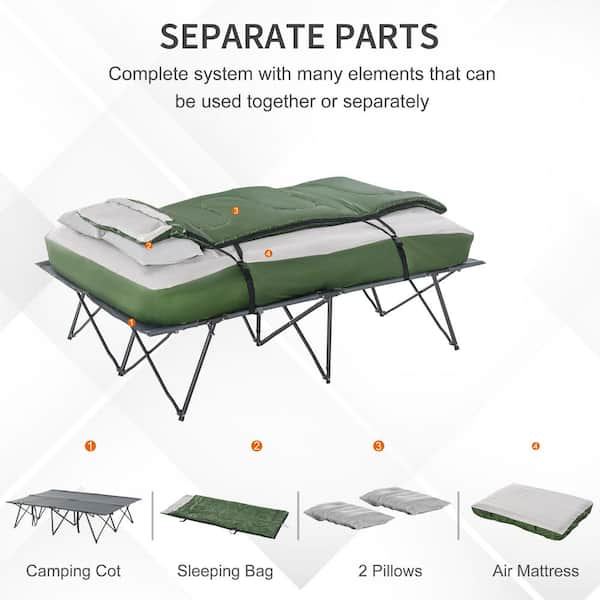
Credit: www.homedepot.com
Durability And Maintenance
Durability and maintenance play key roles in choosing between an air mattress and a sleeping bag. Both must withstand rough outdoor use. They need care to last long. Knowing how they wear out and how to clean them helps keep them in good shape.
Wear And Tear Resistance
Air mattresses can be prone to punctures and leaks. Sharp objects and rough surfaces cause damage. Quality models use thick, tough materials to resist tears. Sleeping bags face wear on zippers and fabric. The outer shell can get ripped or worn thin. Down or synthetic fill can lose fluff over time. Overall, sleeping bags handle rough use better than air mattresses.
Cleaning Tips
Air mattresses need gentle cleaning. Use mild soap and a soft cloth. Avoid harsh chemicals that can damage the material. Dry completely before storing to prevent mold. Sleeping bags often allow machine washing. Use cold water and mild detergent. Air dry or use low heat in a dryer. Store sleeping bags loosely in a dry place to keep their shape and insulation.
Cost Considerations
Cost is a key factor when choosing between an air mattress and a sleeping bag. Both have different price points and long-term costs. Understanding these costs helps you pick the best option for your budget and needs.
Initial Price Range
Air mattresses usually cost more upfront than sleeping bags. Basic air mattresses start around $30 but can go up to $150 or more for larger or thicker models. Sleeping bags often start lower, around $20, and can reach $100 depending on insulation and brand. The price depends on size, material, and features.
Long-term Value
Air mattresses may need repairs or replacements over time due to punctures. Pumps and accessories can add extra costs. Sleeping bags require less maintenance and last longer with proper care. They also weigh less and are easier to carry, saving money on gear upgrades. Consider how often you camp to decide which offers better value.
Ideal Use Scenarios
Choosing between an air mattress and a sleeping bag depends on where and how you plan to use them. Each has strengths that suit different situations. Understanding ideal use scenarios helps pick the right gear for comfort and convenience.
Camping And Backpacking
An air mattress offers good comfort for car camping. It inflates easily and provides a soft surface to sleep on. Space inside the tent feels more like home. Weight and size can be a downside for backpacking trips.
A sleeping bag shines in backpacking. It is light and takes little space in a pack. Designed to keep you warm and cozy. Easy to carry on long hikes or rough trails. Not as soft as an air mattress but more practical outdoors.
Indoor And Emergency Use
Air mattresses work well indoors or in emergencies. They provide a bed-like feel for guests or quick setups. Easy to store and reuse many times. Perfect for temporary sleeping needs in homes or shelters.
Sleeping bags can also be used indoors during emergencies. They keep you warm when heating is off. Compact and ready to grab in a hurry. Less comfortable than an air mattress but useful for short-term needs.
Health And Safety Aspects
Choosing between an air mattress and a sleeping bag involves thinking about health and safety. Your comfort affects how well you sleep and how you feel the next day. Both options have different risks and benefits that relate to your health and safety.
Allergies And Sensitivities
Air mattresses are often made from synthetic materials. These can hold dust mites or mold if not cleaned properly. People with allergies might react to these irritants. Sleeping bags can also trap dirt and sweat. Washing them regularly helps reduce allergens. Choose hypoallergenic options to avoid skin irritation. Breathable fabrics in sleeping bags reduce moisture buildup.
Injury Prevention
Air mattresses offer good support but can deflate during the night. A sudden drop might cause discomfort or minor injury. Sharp objects can puncture the mattress and cause falls. Sleeping bags lie directly on the ground, which may be uneven or hard. Using a sleeping pad under the bag can protect against bumps. Proper setup is key to avoiding trips or falls with both options.

Credit: foldingbed.net
User Reviews And Feedback
User reviews and feedback offer real insights into air mattresses and sleeping bags. They reveal what users like and dislike. This helps you choose the best option for your needs. Listening to others’ experiences can save you time and money.
Many users share their thoughts on comfort, durability, and ease of use. These factors often influence the final choice. Let’s explore what popular brands say and the common complaints from users.
Popular Brands Insights
Brands like Coleman, Intex, and Teton Sports get frequent mentions. Coleman air mattresses often receive praise for being sturdy and easy to inflate. Intex models are popular for affordability and lightweight design. Teton Sports sleeping bags stand out for warmth and comfort in cold weather.
Users appreciate brands that deliver on their promises. Easy setup and compact storage are common positive points. Many reviews highlight how some air mattresses provide better back support. Sleeping bags with quality insulation get high marks for camping in chilly conditions.
Common Complaints
Leaks and punctures top the list for air mattress issues. Users often mention the mattress losing air overnight. Some find certain sleeping bags too bulky or heavy to carry easily. Others report zippers breaking or fabric tearing after limited use.
Comfort problems appear in both products. Air mattresses can feel uneven or too firm. Some sleeping bags may feel too tight or not warm enough. Noise from air mattresses during movement also bothers some users. These complaints highlight the importance of careful product selection.

Credit: www.aosom.com
FAQ: Air Mattress Vs Sleeping Bag
What Is The Main Difference Between An Air Mattress And A Sleeping Bag?
An air mattress is a raised inflatable bed. A sleeping bag is a padded wrap for warmth.
Which Is Better For Camping: Air Mattress Or Sleeping Bag?
Sleeping bags are lighter and warmer. Air mattresses offer more comfort but are heavier.
Can I Use An Air Mattress Without A Pump?
Yes, but it takes longer and needs more effort to inflate by mouth.
How Do Sleeping Bags Keep You Warm Compared To Air Mattresses?
Sleeping bags trap body heat with insulation. Air mattresses provide cushioning, not warmth.
Are Air Mattresses Or Sleeping Bags Easier To Carry?
Sleeping bags are smaller and lighter, making them easier to carry on hikes.
Conclusion
Choosing between an air mattress and a sleeping bag depends on your needs. Air mattresses offer more comfort and support. Sleeping bags are lighter and easier to carry. Think about where you will sleep and how much weight you can carry.
Both have pros and cons. Pick what fits your trip and comfort best. Simple and practical choices make outdoor rest better. Enjoy your adventure with the right gear.