
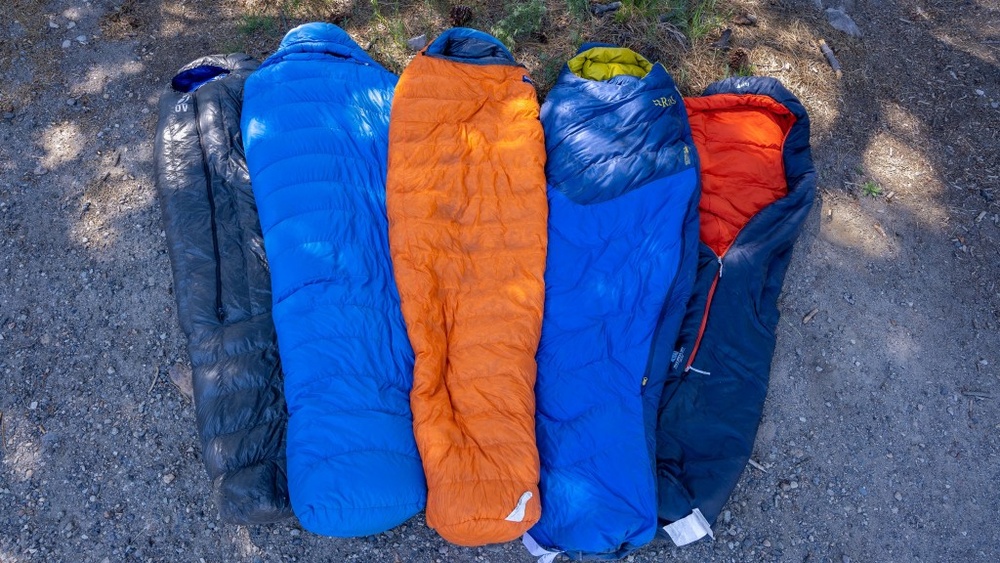
Finding the best backpacking sleeping bag can make or break your outdoor adventure. You want something lightweight, warm, and durable—without carrying extra bulk.
Imagine settling down after a long day on the trail, unzipping a sleeping bag that feels just right, keeping you cozy all night. Sounds perfect, right? In this guide, you’ll discover exactly how to choose a sleeping bag that fits your needs and ensures restful sleep wherever you go.
Keep reading to find the perfect match for your next trip.
Choosing The Right Sleeping Bag
Selecting the best sleeping bag for backpacking can shape your entire trip. A good sleeping bag keeps you warm and comfortable at night. It also needs to be light and easy to carry.
Think about the weather, your sleeping style, and how much space you have in your backpack. These factors help you find the perfect match. Choosing wisely means better rest and more energy for your adventure.
Temperature Rating
Check the temperature rating on the sleeping bag label. It shows the lowest temperature the bag can handle. Pick a bag rated for colder temperatures than you expect. This keeps you warm during chilly nights.
Insulation Type
Sleeping bags have two main insulation types: down and synthetic. Down is light and compresses small. Synthetic works better in wet conditions. Choose the type that fits your travel plans and budget.
Shape And Size
The shape affects weight and comfort. Mummy bags are snug and warm but less roomy. Rectangular bags offer more space but weigh more. Select a size that fits your body and sleeping habits.
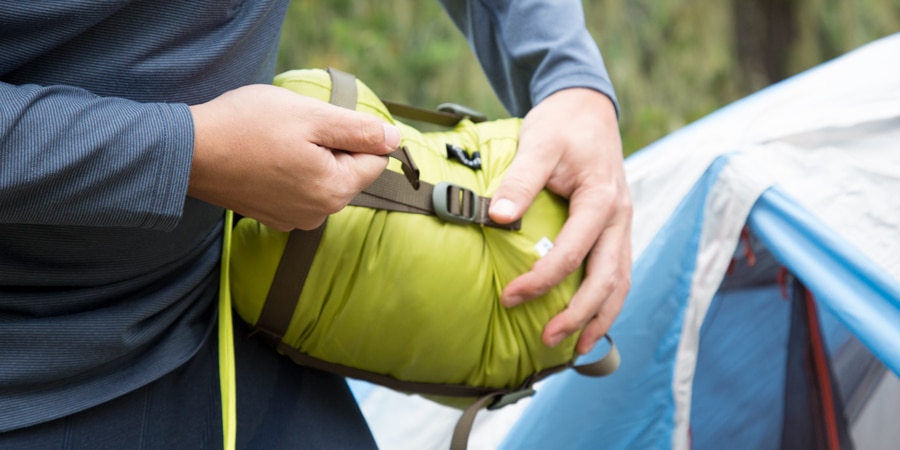
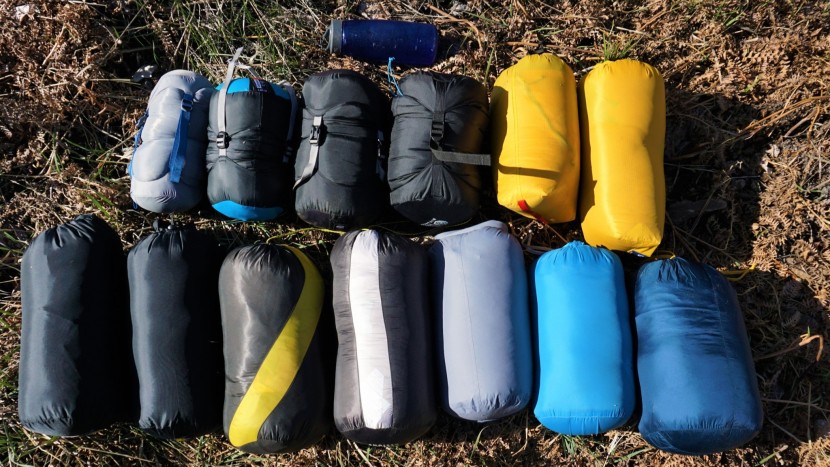
Backpacking bags must be light and compact. Heavy bags tire you out faster. Look for bags that compress well into small stuff sacks. This saves space and eases your load.
Durability And Material
Choose bags made from strong, tear-resistant fabrics. Durable materials last longer on rough trails. Water-resistant coatings help protect insulation from moisture. This adds to the bag’s lifespan.
Credit: www.rei.com
Types Of Sleeping Bags
Choosing the right sleeping bag is key for a good night’s rest outdoors. Different types of sleeping bags fit different needs. Each style offers unique benefits for comfort and warmth. Understanding these types helps you pick the best bag for your trip.
Mummy Bags
Mummy bags have a tapered shape, wider at the shoulders and narrow at the feet. This design reduces air space inside, keeping warmth close to your body. They often include a hood to protect your head from cold. Mummy bags are lightweight and pack small, ideal for backpackers.
Rectangular Bags
Rectangular bags provide more space to move inside. They are roomy and allow you to sleep in different positions. These bags usually weigh more and take up more space in your pack. They are best for mild weather or casual camping trips.
Hybrid Designs
Hybrid sleeping bags combine features from mummy and rectangular bags. They offer some tapering for warmth but keep extra room for comfort. This style balances weight, warmth, and space. A hybrid bag suits campers who want both comfort and efficiency.
Temperature Ratings Explained
Understanding temperature ratings is key to choosing the best backpacking sleeping bag. These ratings help you find a bag that keeps you warm and comfortable during your trips. They show the lowest temperature at which a sleeping bag will keep an average sleeper warm. Knowing how to read these ratings avoids cold nights and wasted weight from carrying the wrong bag.
Seasonal Ratings
Seasonal ratings categorize sleeping bags by the time of year they suit best. A 3-season bag works well in spring, summer, and fall. It keeps you warm in mild to cool weather. Winter bags offer more insulation for cold and snowy conditions. Summer bags focus on lightweight and breathability for warm nights. Choosing the right seasonal rating matches your trip’s climate and weather.
Comfort Vs. Limit
Comfort rating shows the temperature where most people sleep well inside the bag. It is the ideal sleeping temperature for average users. Limit rating is the lowest temperature where a person can survive but feel cold. Comfort is best for most users to avoid chills. Limit is useful for emergency or rare cold nights. Pick a bag with a comfort rating close to your expected weather.
Insulation Materials
Choosing the right insulation material is key for a backpacking sleeping bag. It decides how warm and light your bag will be. This section explains the two main types of insulation materials. Each has its own benefits and drawbacks. Understanding these helps you pick the best sleeping bag for your trip.
Down Insulation
Down insulation comes from the soft feathers of ducks or geese. It traps air very well, keeping heat close to your body. This makes down sleeping bags very warm and lightweight. They compress easily, saving space in your backpack.
Down works best in dry conditions. It loses warmth when wet and takes a long time to dry. Down bags usually cost more but last longer if cared for properly. They offer excellent warmth-to-weight ratio for serious backpackers.
Synthetic Insulation
Synthetic insulation uses man-made fibers to trap heat. It performs better than down in wet or humid conditions. Synthetic sleeping bags dry faster and keep some warmth even when damp.
These bags tend to be heavier and bulkier than down ones. They are usually more affordable and easier to maintain. Synthetic insulation suits casual campers and those who expect wet weather.
Weight And Packability
Weight and packability are crucial factors for any backpacking sleeping bag. A heavy or bulky bag can slow you down and take up space in your pack. Choosing a lightweight and compact sleeping bag makes your hiking experience easier and more comfortable.
Every ounce counts when you carry your gear for miles. A sleeping bag that packs small leaves more room for other essentials. It also reduces the strain on your back, helping you hike longer without fatigue.
Lightweight Materials
Many sleeping bags use synthetic or down insulation. Down is lighter and compresses better than synthetic fibers. It offers excellent warmth without adding weight. Synthetic bags work well in wet conditions but usually weigh more.
Compression And Stuff Sacks
Sleeping bags come with stuff sacks to compress them tightly. Smaller stuff sacks help reduce bulk in your backpack. Compression sacks allow you to squeeze the bag into a tiny bundle. This saves space and keeps your pack organized.
Size And Shape Considerations
Mummy-shaped sleeping bags are narrower and pack smaller than rectangular ones. They fit snugly around your body to keep heat in. Smaller bags weigh less and fit better in tight spaces. Choose a size that fits your height for comfort and efficiency.
Durability And Weather Resistance
Durability and weather resistance are key factors for any backpacking sleeping bag. These qualities ensure the bag lasts through many trips and keeps you comfortable in tough weather. A strong sleeping bag protects you from wind, rain, and cold nights. Choosing the right materials and features can make a big difference in your outdoor experience.
Waterproof Features
Waterproof sleeping bags stop moisture from soaking inside. This keeps you dry and warm. Many bags use water-resistant coatings on the outer fabric. Some have special membranes that block water but allow breathability. Sealed or taped seams prevent leaks through stitches. A waterproof bag helps you stay cozy in wet conditions.
Fabric Strength
Strong fabric resists tears and rough use. Backpacking means contact with rocks, branches, and sharp objects. Durable materials like ripstop nylon or polyester last longer. These fabrics hold their shape and protect the inner insulation. Reinforced areas at stress points add extra toughness. A strong sleeping bag stands up to the challenges of nature.
Fit And Size Considerations
Choosing the right fit and size for a backpacking sleeping bag is very important. A proper fit helps keep you warm and comfortable throughout the night. A sleeping bag that is too big lets cold air in. One that is too small feels tight and uncomfortable. Both can ruin your camping experience.
Understanding your body size and shape helps find the best sleeping bag size. This section explains key fit and size points for backpacking sleeping bags.
Sleeping Bag Length
Length should match your height. Most bags come in regular and long sizes. Pick a bag at least 6 inches longer than your height. Extra length allows room to move and prevents toes from touching the end. Too short and your feet get cold.
Sleeping Bag Width
Width varies by design. Mummy bags are narrow and hug the body for warmth. Rectangular bags offer more space but weigh more. Choose width based on your sleeping style. Side sleepers may need a wider bag. Back sleepers can use a snug fit.
Shoulder And Hip Room
Check shoulder and hip space for comfort. Too tight here restricts movement and feels cramped. Some bags have extra room or adjustable features. Ensure these areas fit well for better sleep and warmth.
Weight And Packed Size
Size also means packed size and weight. Backpackers need light bags that compress small. Larger bags pack bigger and add weight. Balance comfort and packability based on your trip length and gear load.
Additional Features To Look For
Choosing the best backpacking sleeping bag means more than just warmth and size. Small details can make your nights more comfortable. These extra features add convenience and help keep you cozy. Pay attention to these parts before you buy.
Hood And Draft Collars
A good hood keeps your head warm. It stops heat from escaping during cold nights. Draft collars block cold air from entering around your neck. These features help keep warmth inside the bag. They make a big difference in cold weather.
Pockets And Zippers
Small pockets inside the bag store essentials like a phone or flashlight. They keep important items close and safe. Look for zippers that glide smoothly and don’t snag. Some bags have two-way zippers for better ventilation. These features add comfort and ease during your trip.
Top Sleeping Bags For Backpacking
Choosing the right sleeping bag is important for a good night’s rest outdoors. Backpackers need bags that are light, warm, and easy to carry. The best sleeping bags balance comfort and weight, fitting well into a backpack without taking up much space.
Materials, insulation type, and temperature ratings matter. Some bags suit warm weather, others keep you cozy in cold nights. Below are some top sleeping bags for backpacking, divided by price and features.
Budget Options
Budget sleeping bags offer good value without high costs. They use synthetic insulation, which stays warm even when wet. These bags weigh a bit more but keep you comfortable on a budget.
Look for bags with durable shells and good temperature ratings for your hiking area. Many budget models compress well and fit into small packs. They work well for short trips or mild climates.
Premium Choices
Premium sleeping bags use high-quality down insulation. Down is very light and compresses small. These bags keep you warmer for their weight compared to synthetic ones.
Expect features like water-resistant shells and advanced zippers. Premium bags suit serious backpackers who hike in cold or wet conditions. They cost more but last longer and perform better.
Choose a premium bag if you need the best warmth-to-weight ratio and durability on long trips.
Credit: www.outdoorgearlab.com
Care And Maintenance Tips
Proper care and maintenance keep your backpacking sleeping bag in top shape. It helps the bag last longer and stay warm. Simple habits protect the materials and maintain comfort on every trip.
Follow easy steps to clean, store, and handle your sleeping bag. These small efforts make a big difference in performance and durability.
Cleaning Your Sleeping Bag
Use a gentle soap designed for outdoor gear. Hand wash or use a front-loading machine on a delicate cycle. Avoid harsh detergents that damage insulation and fabric. Rinse thoroughly to remove all soap.
Drying Tips
Dry your sleeping bag naturally by laying it flat or hanging it in shade. Avoid direct sunlight, which can weaken the fabric. Tumble drying on low heat with clean tennis balls helps fluff insulation.
Proper Storage
Store your sleeping bag loosely in a large cotton sack or hang it. Avoid tight compression bags for long-term storage. Keeping the insulation lofted preserves warmth and shape.
Handling And Use
Keep your sleeping bag dry and clean during use. Use a sleeping pad underneath to reduce dirt and wear. Avoid sharp objects or rough surfaces that can tear fabric.

Credit: vicentetorns.com
FAQ: Best Backpacking Sleeping Bag
What Temperature Rating Should A Backpacking Sleeping Bag Have?
Choose a rating that matches the coldest weather you expect. Look for bags rated for 20°F to 40°F.
How Much Does A Lightweight Backpacking Sleeping Bag Weigh?
Most weigh between 1. 5 to 3 pounds. Lighter bags are easier to carry on long trips.
What Is The Best Insulation Type For Sleeping Bags?
Down insulation is warm and compressible. Synthetic is good if wet conditions are common.
How Important Is The Sleeping Bag’s Size And Shape?
A snug fit keeps you warm and reduces weight. Mummy shapes save space and heat.
Can I Wash My Backpacking Sleeping Bag At Home?
Yes, use a gentle cycle with mild detergent. Air dry or use low heat in a dryer.
Conclusion
Choosing the best backpacking sleeping bag makes a big difference. It keeps you warm and comfortable all night. A good sleeping bag fits your needs and the weather you face. Think about weight, size, and temperature rating. These factors help you enjoy your trip more.
Remember, a small change in gear can improve your rest. Rest well. Hike happy.