
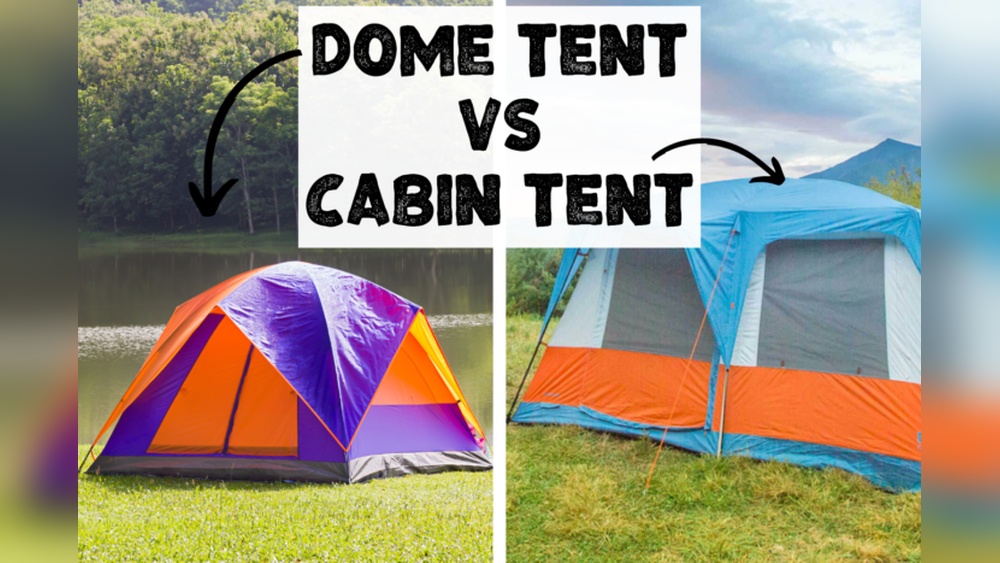
Are you planning your next camping trip and stuck choosing between a cabin tent and a dome tent? Picking the right tent can make or break your outdoor experience.
Imagine having enough space to move comfortably or setting up your tent quickly without hassle. Which one suits your needs better—roomy comfort or easy setup? Keep reading to discover the key differences that will help you decide the perfect tent for your adventure.
Your ideal camping experience starts here.
Table of Contents

Credit: campingguidance.com
Cabin Tent Features
Cabin tents stand out with unique features made for comfort and ease. These tents offer a different camping experience compared to dome tents. Their design focuses on space and livability, making long stays more enjoyable. Here’s a look at what makes cabin tents special.
Design And Structure
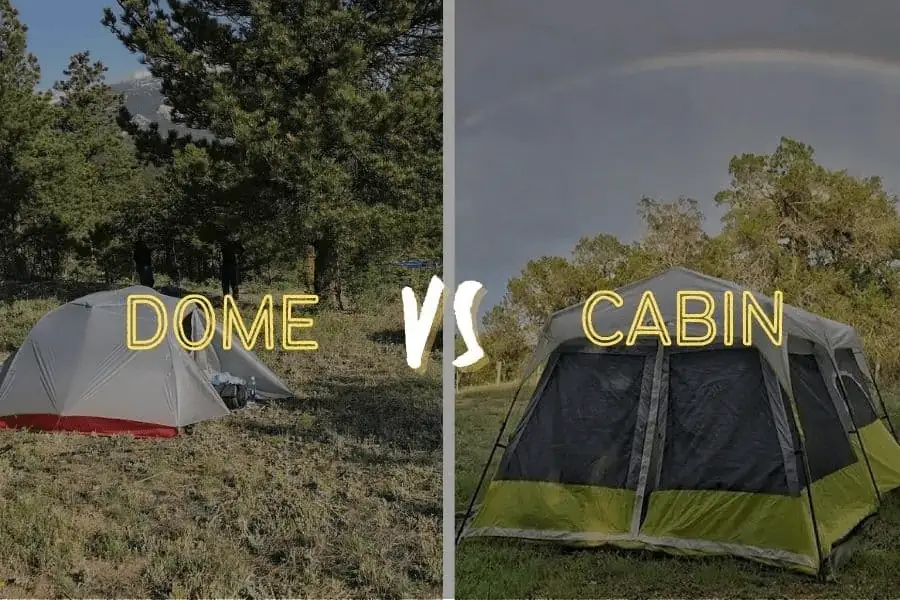
Cabin tents have tall, straight walls. This design creates more usable space inside. The roof is often flat or slightly sloped. Strong poles support the structure for stability. This shape lets campers move around easily. Setting up is usually simple with color-coded poles.
Space And Comfort
These tents are roomy and can fit many people. The high ceiling lets campers stand up inside. Multiple rooms or dividers are common. This adds privacy and organization. Large floor areas allow for gear storage. Cabin tents feel more like a small room than a tent.
Ventilation And Windows
Good airflow is a key feature. Cabin tents often have many windows and vents. Mesh panels keep bugs out while letting air in. Some windows have covers for weather protection. This setup helps reduce heat and moisture inside. Fresh air keeps campers comfortable during warm nights.

Credit: campingguidance.com
Dome Tent Features
Dome tents are a popular choice for campers of all levels. They offer a simple design that works well for many outdoor activities. Their features make them easy to use and reliable in different conditions.
These tents are known for their rounded shape and strong frame. They balance comfort with convenience, making them a practical option for short trips or longer stays.
Shape And Stability
Dome tents have a curved shape that helps with wind resistance. The rounded design spreads wind pressure evenly. This keeps the tent stable during breezy weather.
Flexible poles cross over to form a dome structure. This design supports the tent well. The shape also creates good headroom inside for comfort.
Setup And Portability
Dome tents are easy to set up. Most use color-coded poles for quick assembly. This saves time and effort at the campsite.
They fold into a compact size for transport. Lightweight materials make carrying easier on hikes. Perfect for campers who move often.
Weather Resistance
Dome tents handle rain effectively. Their sloped sides allow water to run off fast. Waterproof fabrics and sealed seams keep the inside dry.
They perform well in light to moderate wind. The dome shape reduces wind impact. This helps maintain shelter without shaking or collapsing.
Material And Durability
Material and durability are key factors in choosing a tent. The material affects how strong and long-lasting the tent is. Durability means the tent can handle weather and use over time. Both cabin tents and dome tents use different materials and designs. These differences affect their strength and lifespan.
Cabin Tent Materials
Cabin tents usually use thicker fabrics. Polyester and canvas are common choices. These materials resist tears and wear well. The fabric often has a waterproof coating to keep rain out. The frame uses strong steel or aluminum poles. This helps the tent stand firm in wind and rain.
Dome Tent Materials
Dome tents often use lighter fabrics like nylon or polyester. These fabrics dry quickly and are easy to carry. The poles are usually made of aluminum or fiberglass. These materials keep the tent light but strong. Dome tents focus on flexibility to bend in wind without breaking.
Durability Comparison
Cabin tents last longer in rough weather. Their thick fabric and strong poles offer solid protection. Dome tents are durable but better for mild weather. Their light materials may wear faster with heavy use. Choose based on how often and where you camp.
Credit: www.shelter-structures.com
Ease Of Setup
Setting up a tent should be quick and simple. Ease of setup matters a lot during camping trips. It saves time and energy. It lets you enjoy nature faster. Different tents have different setup steps. Cabin tents and dome tents vary in this way. Understanding their setup process helps you choose the right one.
Cabin Tent Setup Process
Cabin tents have straight walls and a tall ceiling. They use multiple poles that fit into sleeves or clips. This setup can take more time. You need to spread out all poles carefully. Aligning each pole in the right place is important. It may require two people for faster setup. The tent feels sturdy once all poles are in place.
Because of its size, cabin tents may take 15 to 30 minutes to set up. Instructions are usually clear but require patience. The space inside is bigger, so the tent needs a solid frame. This design means setup is not as quick as smaller tents.
Dome Tent Setup Process
Dome tents have a curved shape. They use flexible poles that cross each other. This design makes setup faster and easier. You just insert poles into sleeves or attach clips. The poles bend to form the dome shape. Dome tents can often be set up alone in 5 to 10 minutes.
The lightweight design helps with quick assembly. Dome tents are popular for solo campers or short trips. Their simple structure means fewer mistakes during setup. They pack down small and are easy to carry too.
Weather Performance
Weather performance is a key factor when choosing between a cabin tent and a dome tent. Both types handle weather differently. Understanding these differences helps you pick the right tent for your needs. This section explains how each tent deals with wind and rain.
Wind Resistance
Dome tents have a curved shape that lets wind flow around them easily. This shape reduces pressure on the tent walls. It makes dome tents more stable in strong winds. Cabin tents, with their boxy shape, catch more wind. This can make them less stable in windy conditions. You may need extra stakes or guy lines for cabin tents to hold them firm.
Rain Protection
Dome tents often have steep sides that help rainwater run off quickly. This design lowers the chance of water pooling on the tent. Cabin tents have flat walls and roofs. Water may collect more easily on cabin tents. A good rainfly is important for both tent types. Look for tents with sealed seams and waterproof fabric to keep dry during heavy rain.
Space And Capacity
Space and capacity are key factors when choosing a tent. Your comfort depends on how much room the tent offers. Both cabin tents and dome tents have unique designs that affect their space and capacity.
Cabin Tent Space And Capacity
Cabin tents usually offer more vertical space. They have straight walls that create a roomy interior. This design lets you stand up and move around easily. Many cabin tents fit large groups or families. They often have separate rooms for privacy. These tents feel more like a small room than a tent.
Dome Tent Space And Capacity
Dome tents have curved walls that reduce interior space. They often have less headroom than cabin tents. Dome tents are smaller and lighter. They fit fewer people, usually two to four. These tents suit solo campers or small groups. The shape helps them resist wind well but limits space.
Weight And Portability
Weight and portability are key factors when choosing a tent. They affect how easy it is to carry and set up. Different tent styles have different designs that change their weight and size. Understanding these differences helps pick the right tent for your trip.
Weight Of Cabin Tents
Cabin tents are usually heavier than dome tents. Their straight walls need more poles and fabric. This adds weight and bulk. They are not ideal for long hikes or backpacking. Cabin tents suit car camping where weight is less of an issue.
Weight Of Dome Tents
Dome tents are lighter and easier to carry. Their curved shape uses fewer poles and less fabric. This reduces overall weight. Dome tents are good for backpackers and hikers. They offer a good balance of space and portability.
Portability Of Cabin Tents
Cabin tents pack into larger, heavier bags. They take up more space in your car or backpack. Their bulky poles make packing harder. Cabin tents are best for camping spots near your vehicle. They are less suited for long walks.
Portability Of Dome Tents
Dome tents fold into compact, lightweight bags. Their flexible poles bend and fit easily. This makes them simple to carry on your back. Dome tents fit well in backpacks. They are easy to move from place to place.
Price And Value
Price and value play a big role in choosing a tent. Both cabin and dome tents offer different benefits for their cost. Understanding their price points helps decide which tent fits your needs and budget. This section breaks down the price and value of cabin tents versus dome tents.
Price Range Of Cabin Tents
Cabin tents usually cost more than dome tents. They have larger frames and more materials. This adds to the price. Expect to pay extra for tents with bigger space and better features. Cabin tents often cost between $150 to $400 or more.
Price Range Of Dome Tents
Dome tents are often cheaper and more affordable. They use less material and smaller poles. This lowers their cost. Basic dome tents start around $50 and go up to $200. Higher-end dome tents may cost more but stay below cabin tent prices.
Value In Space And Comfort
Cabin tents give more room and stand-up height. This adds comfort for families or groups. The extra space justifies a higher price for many campers. The tent feels like a small room, which adds value for longer trips.
Value In Portability And Ease
Dome tents are lighter and easier to carry. They pack smaller, which helps with travel. This makes dome tents valuable for backpackers and solo campers. The lower price with good comfort makes dome tents a smart choice for casual trips.
Best Uses For Cabin Tents
Cabin tents offer great space and comfort. They are perfect for groups and families. Their straight walls create more room inside. This feature makes moving around easier. The design suits longer stays and relaxed camping.
These tents work best in places with stable weather. They provide good shelter from wind and rain. The high ceilings help keep the air fresh. People can stand up and stretch inside. This makes cabin tents popular for family trips.
Family Camping Trips
Cabin tents fit several people comfortably. They have space for beds and gear. Kids can play inside on rainy days. Parents can relax without feeling cramped. The tent feels like a small room outdoors.
Group Camping Adventures
Groups appreciate the roomy interior. It allows friends to stay close. The tent can hold extra bags and supplies. Sharing space is easier with straight walls. This tent supports social and fun times.
Extended Camping Stays
Cabin tents suit longer camping trips. They offer a home-like feel. More headroom makes daily tasks simpler. Cooking, changing clothes, and resting are easier. Comfort matters on long outdoor stays.
Car Camping
These tents work well at car campsites. Size and weight are less of a problem. Campers can bring larger tents without stress. Setup is straightforward with enough space. They provide a cozy base for car campers.
Best Uses For Dome Tents
Dome tents are popular for many campers. Their design suits a variety of outdoor activities. They offer great balance between comfort and portability. These tents perform well in most weather conditions. Their shape helps resist wind and rain effectively.
Understanding the best uses for dome tents helps campers choose the right gear. These tents fit well in different camping styles. Their features make them a smart choice for many adventures.
Backpacking And Hiking Trips
Dome tents are lightweight and easy to carry. Their compact size fits well in backpacks. Setting them up takes only a few minutes. They provide enough space for one to three people. Their shape allows good airflow, keeping the inside cool.
Family Camping
Dome tents come in various sizes. Larger models offer enough room for small families. They have simple structures for quick setup. These tents provide good headroom for comfort. Their design helps keep insects and rain out.
Festival Camping
Dome tents suit festival environments well. They are easy to carry and pack up. Their quick setup saves time after travel. These tents offer enough space for sleeping and storing gear. Their shape blends well with crowded camping areas.
Weekend Outdoor Adventures
Dome tents are perfect for short trips. They are simple and fast to set up. Their size fits well in most cars. These tents keep campers protected from mild weather. They offer a cozy and secure shelter.
FAQ: Cabin Tent Vs Dome Tent
What Are The Main Differences Between Cabin And Dome Tents?
Cabin tents have straight walls, offering more standing room. Dome tents have curved walls, making them more wind-resistant.
Which Tent Type Is Easier To Set Up?
Dome tents are generally easier and faster to set up due to fewer poles and a simple design.
Are Cabin Tents Better For Families Or Groups?
Yes, cabin tents are ideal for families or groups because of their spacious interior and multiple rooms.
Which Tent Type Is More Durable In Bad Weather?
Dome tents handle wind and rain better thanks to their rounded shape and strong pole structure.
Can Cabin Tents Fit In Smaller Camping Areas?
Cabin tents usually need more flat space due to their size and shape, making them less flexible for small spots.
Conclusion
Choosing between a cabin tent and a dome tent depends on your needs. Cabin tents offer more space and stand straight. Dome tents are easier to set up and carry. Think about your trip length and weather. Both types have their strengths and fit different campers.
Picking the right tent makes camping more fun and comfortable. Consider what matters most for your outdoor adventure. This helps you enjoy nature without worry.