
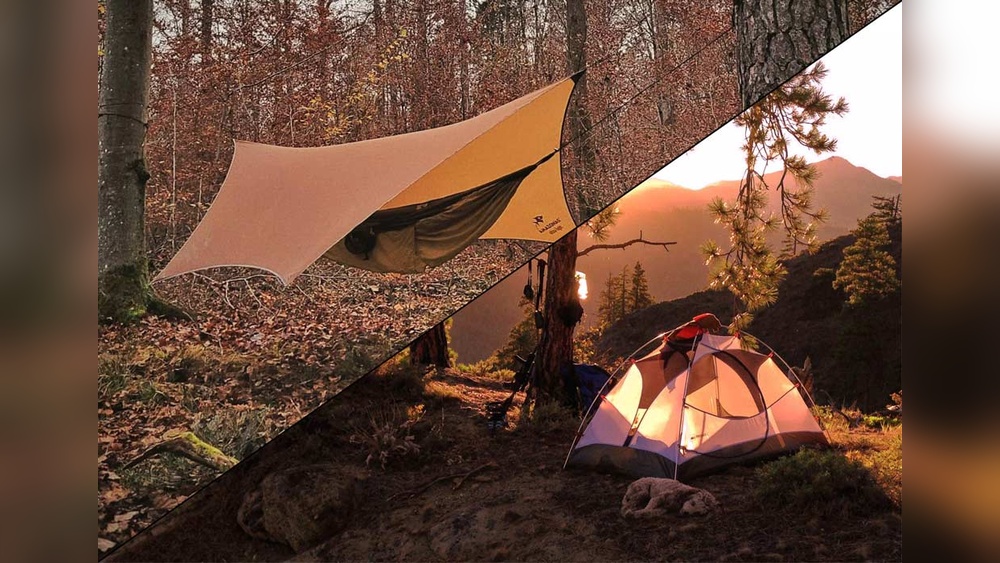
Are you planning your next outdoor adventure but stuck deciding between hammock camping and tent camping? Choosing the right shelter can make or break your experience.
Imagine waking up feeling refreshed, cozy, and connected to nature—sounds perfect, right? But which option gives you that feeling? You’ll discover the real differences between hammock and tent camping, what suits your style best, and how to make your nights outdoors more comfortable than ever.
Keep reading, because the answer might surprise you and change the way you camp forever.
Table of Contents
Comfort Levels Compared
Comfort is a key factor in choosing between hammock camping and tent camping. Each offers a unique experience that affects how well you rest. Comfort influences your overall enjoyment and energy during outdoor adventures.
Understanding how these two options compare helps you pick what fits your needs best. Let’s explore the comfort levels by looking at sleeping experience, temperature control, and space for movement.
Sleeping Experience
Hammocks offer a gentle sway that many find soothing. They keep you off the hard ground, which reduces pressure points. Some campers feel more relaxed and wake up with less pain.
Tents provide a flat surface for sleeping. You can use a sleeping pad or mattress inside for extra softness. This setup feels more like sleeping in a bed, which some prefer.
Temperature Control
Hammocks expose your body to air beneath, which can cause cold spots. Insulated underquilts or sleeping pads are important to stay warm. Air flows freely, keeping you cool in warm weather.
Tents shield you from wind and cold air, trapping warmth inside. They block rain and moisture better than hammocks. Ventilation options help reduce stuffiness on hot nights.
Space And Movement
Hammocks limit your movement to a small area above ground. Changing position can be tricky but the gentle bounce helps adjust comfort. They don’t offer extra space for gear or sitting.
Tents provide more room to move around and store belongings. You can sit up, change clothes, or relax inside easily. Larger tents give better protection from insects and weather.

Credit: www.youtube.com
Setup And Portability
Choosing between hammock camping and tent camping often depends on how easy the setup is and how portable the gear feels. Both options have pros and cons. These factors affect your overall camping experience, especially if you hike to your site. A quick setup saves time and effort. Lightweight gear makes carrying easier and less tiring. Let’s explore these important points.
Ease Of Setup
Hammocks usually take less time to set up. You just need two strong trees or posts. Hanging the hammock and attaching a rain fly or bug net is simple. It requires fewer steps and less skill than tents.
Tents need more space and flat ground. Setting up a tent takes more time. You must lay out the footprint, assemble poles, and stake the tent. It can be tricky in bad weather or uneven terrain.
Pack Size And Weight
Hammocks are often smaller and lighter than tents. They fold into a small bundle that fits in a backpack easily. This saves space for other camping gear or food.
Tents usually weigh more and take up more room. Poles, stakes, and fabric add to the bulk. This might make your pack heavier and harder to carry on long trips.
Weather Protection
Weather protection plays a key role in camping comfort. It can make or break your outdoor experience. Both hammock and tent camping offer ways to shield you from nature’s elements. Understanding their strengths helps you choose the best option for your trip.
Rain And Wind Resistance
Tents provide solid walls and a roof, creating a barrier against rain and wind. They keep water out and block strong gusts well. Quality tents have sealed seams and sturdy zippers to prevent leaks. Hammocks need rain tarps to stay dry. These tarps hang above the hammock, catching rain before it reaches you. Wind can be tougher for hammocks since they are open underneath. Tarps help but do not block wind as fully as tents. Trees or natural windbreaks improve hammock protection.
Sun And Bug Protection
Tents offer full coverage from sun rays and insects. Their mesh windows allow air flow without letting bugs in. This keeps you cool and safe from bites. Hammocks often include bug nets that zip around you. These nets shield from mosquitoes and other pests. Tarps above block direct sunlight, but some sun may still reach your legs. Tents provide more consistent shade. Hammocks rely on surrounding trees for extra sun protection.
Terrain And Location Suitability
Choosing the right sleeping setup depends a lot on terrain and location. Some spots fit tents better. Others work best for hammocks. Knowing where each works helps you plan your trip well.
Terrain affects comfort and safety. It also changes how easy it is to set up your shelter. Both tents and hammocks have strengths and limits in different environments.
Ideal Terrain Types
Tent camping suits flat and open ground. Grass fields, sandy beaches, and clearings are perfect. Tents protect from wind and bugs. They also keep you dry on wet soil.
Hammock camping needs sturdy trees or posts. Forests and wooded areas work best. Avoid places with few trees or very rocky soil. Hammocks keep you off the wet or uneven ground.
Site Selection Flexibility
Tents require smooth, level space free of sharp objects. This limits where you can pitch them. Finding a good tent site may take time in rough terrain.
Hammocks offer more flexibility. You can camp over rocks, roots, or slopes. Trees hold the hammock, so ground shape matters less. This expands your choices for unique locations.
Durability And Maintenance
Durability and maintenance play a big role in choosing between hammock camping and tent camping. Both options need strong materials to last through outdoor use. They also require care to keep them in good shape for many trips.
Material Strength
Tents usually use thick nylon or polyester fabric. These materials resist tears and harsh weather. Tent poles are often made from aluminum or fiberglass. They support the tent and withstand wind and rain.
Hammocks use strong nylon or polyester too, but the fabric is lighter. Suspension straps must be tough to hold weight safely. Hammocks can handle rough use, but their thin material can tear easier than tents.
Cleaning And Care
Tents need cleaning after camping to remove dirt and moisture. Use mild soap and water to avoid damage. Dry the tent fully before storage to prevent mold and mildew.
Hammocks also need washing, especially after muddy or wet trips. Gentle hand washing works best. Drying in the sun helps kill bacteria and keeps fabric fresh. Proper care extends the life of both tents and hammocks.
Credit: dutchwaregear.com
Cost Considerations
Cost plays a big role in choosing between hammock camping and tent camping. Both options have different price points. Knowing the costs helps plan your budget better. Let’s break down the expenses into two main parts: the initial investment and long-term expenses.
Initial Investment
Buying a tent usually costs more than a basic hammock setup. A good tent can range from $50 to over $200. You need stakes, poles, and sometimes a footprint or rainfly. These add to the price.
Hammocks start cheaper. A simple hammock can cost $30 to $60. You also need straps and sometimes a rain tarp. These extras are often less expensive than tent gear.
The initial cost depends on quality. High-end tents and hammocks both cost more. But basic hammocks tend to be cheaper than tents.
Long-term Expenses
Tents need maintenance. You may replace broken poles or repair tears. Stakes can bend or get lost. Over time, these add to the cost.
Hammocks require less upkeep. Straps and tarps last long with care. Repairs are usually simple and low-cost.
Both options may need sleeping bags and pads. These items are essential for comfort and warmth. Their cost is similar for both setups.
Camping frequency affects total spending. More trips mean more wear and tear. Budget for replacements or upgrades.
Health And Safety Factors
Health and safety are key when choosing between hammock camping and tent camping. Both options have unique risks and benefits. Understanding these can help you camp more comfortably and safely. Consider your body’s needs and the environment around you.
Back Support And Posture
Tent camping offers a flat surface, which can help keep your back straight. Sleeping on the ground may cause pressure points but using a good sleeping pad eases discomfort. Hammocks support your body differently. They cradle your body and reduce pressure on joints. Proper setup is crucial to avoid back pain. A hammock that hangs too tight or too loose can strain your back. Choose the right angle and tension for better support. Some people find hammocks better for their posture, while others prefer the firmness of a tent floor.
Wildlife And Insect Risks
Tents provide a full enclosure that keeps bugs and small animals out. They offer a solid barrier against mosquitoes, spiders, and other insects. Hammocks are open on the sides, so you need a mosquito net for protection. Wildlife encounters can be different too. Sleeping off the ground in a hammock may reduce encounters with crawling insects. However, it may not protect against larger animals. Tent campers should always store food away from the sleeping area. Both campers must be cautious about local wildlife habits and risks.

Credit: theultimatehang.com
Environmental Impact
Camping outdoors brings us closer to nature. Our choices impact the environment around us. Hammock camping and tent camping affect the land differently. Understanding these effects helps us camp responsibly and protect nature for others.
Leave No Trace Practices
Both hammock and tent campers must follow Leave No Trace rules. These rules reduce damage to plants and soil. Hammock campers avoid ground contact, protecting fragile plants and soil. Tent campers should use durable surfaces to prevent soil erosion. Packing out all trash and waste keeps campsites clean. Respecting wildlife and other visitors preserves natural habitats.
Effect On Surroundings
Hammock camping usually causes less impact on the ground. Trees bear the weight, leaving soil and plants unharmed. Tent camping may compress soil and damage plants under the tent. Setting tents in the same spot repeatedly harms vegetation. Tree straps for hammocks must be wide and soft to prevent bark damage. Both styles need careful site selection to avoid disturbing nature.
Social And Group Camping
Camping with friends or family creates special memories. Choosing between hammocks and tents affects group comfort and social fun. Each option offers different ways to share space and enjoy nature together.
Group Accommodation
Tents offer room for multiple people in one shelter. Large tents can fit whole families or groups easily. People stay close, making talking and bonding simple. Hammocks need more space between trees. Setting many hammocks takes time and space. Groups may spread out more, reducing face-to-face time.
Privacy And Noise
Tents provide walls that block noise and sight. This helps campers rest without distractions. Hammocks hang in open air. Sounds travel more, and privacy is less. Campers may hear more nature sounds and group noise. Quiet time can be harder with many hammocks close together.
Personal Preference And Lifestyle
Choosing between hammock camping and tent camping often depends on personal preference and lifestyle. Each option fits different ways people enjoy the outdoors. Some campers seek thrill and challenge. Others want rest and comfort. Understanding your style helps pick the best gear and setup for your trip.
Adventure Style
Adventure style varies greatly among campers. Hammock camping suits those who love lightweight and flexible setups. It allows quick moves and easy packing. Tent camping fits people who want more protection and space. It works well in rough weather or on uneven ground. Your adventure style guides your choice for a perfect outdoor experience.
Comfort Priorities
Comfort means different things to different campers. Hammocks offer a gentle sway and keep you off cold, wet ground. They suit those who prefer a cozy, elevated rest. Tents provide solid shelter from wind, rain, and bugs. They create a private space to store gear. Think about what comfort means to you before deciding.
FAQ: Hammock Camping Vs Tent Camping
What Are The Main Differences Between Hammock And Tent Camping?
Hammocks hang between trees, offering better airflow. Tents provide ground shelter and more space.
Is Hammock Camping More Comfortable Than Tent Camping?
Hammocks reduce pressure points and keep you off cold ground. Comfort depends on weather and setup.
Which Camping Style Is Better For Rainy Weather?
Tents usually protect better from heavy rain. Hammocks need rain tarps for good shelter.
Can Beginners Easily Set Up Hammock Camping Gear?
Hammocks are simple to set up with trees nearby. Tents may take longer and need flat ground.
What Gear Is Essential For Hammock Camping Compared To Tents?
Hammock, straps, and rain tarp are key. Tent camping needs tent, stakes, and ground tarp.
Conclusion
Both hammock and tent camping offer unique experiences. Hammocks are light and easy to carry. They keep you off the ground, away from bugs and wet soil. Tents provide more shelter and privacy. They protect well against wind and rain.
Your choice depends on comfort and adventure style. Try both to see what fits you best. Camping is about enjoying nature and relaxing. Choose what feels right and have fun outdoors.