
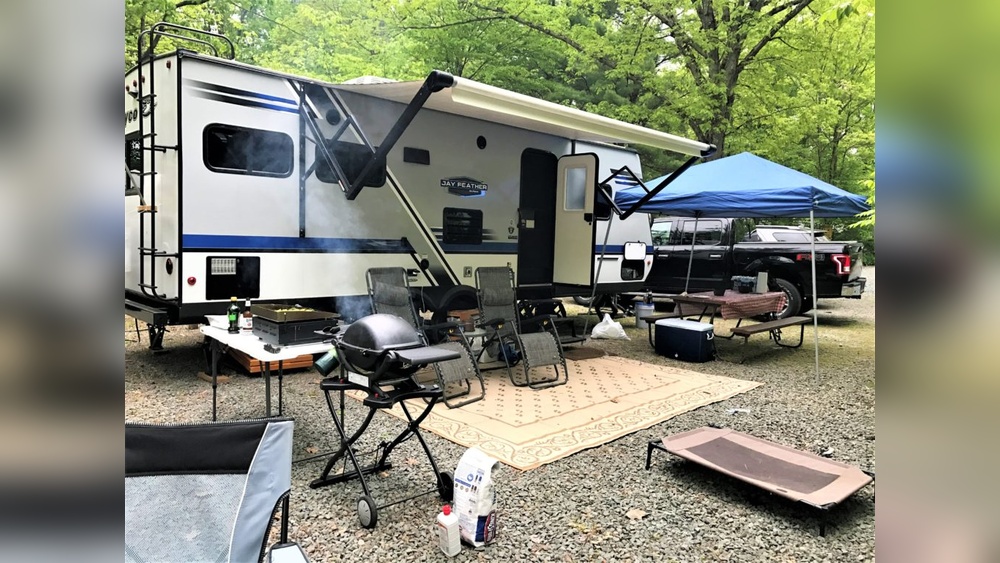
Setting up your RV campsite the right way can turn a simple stop into an unforgettable experience. Imagine stepping out of your RV into a perfectly arranged space where everything feels just right—comfortable, safe, and ready for fun.
Whether you’re a seasoned traveler or new to the RV lifestyle, knowing how to set up your campsite can save you time, reduce stress, and help you enjoy every moment outdoors. You’ll discover easy tips and tricks to create the ideal campsite setup that suits your needs and makes your adventure truly relaxing.
Ready to transform your next stop? Let’s dive in!
Table of Contents
Credit: www.lippert.com
Choosing The Right Campsite
Choosing the right campsite is an important step for a great RV trip. The site affects comfort, safety, and the overall fun of your stay. Picking a good spot means thinking about several key things. These include the location, the size and shape of the land, and the facilities available nearby. Each factor helps you enjoy your camping experience more.
Location Factors
The location sets the mood for your trip. Choose a site near attractions or nature spots you want to visit. Quiet places help you relax and hear the sounds of nature. Check the weather and sun direction to avoid too much heat or cold. A safe neighborhood is important for peace of mind. Think about how close the site is to stores or emergency help.
Site Size And Terrain
The size of the campsite should fit your RV and any extra gear. You need space to park, open doors, and set up outside chairs or tables. Flat ground is easier to park on and better for your RV’s stability. Avoid sites with many rocks or steep slopes. Soft soil can be a problem after rain. Look for a firm, dry surface to keep your vehicle steady and safe.
Accessibility And Amenities
Easy access saves you stress and time. Wide roads and clear paths help you reach your spot without trouble. Check if the site allows large RVs or has size limits. Amenities like electricity, water, and sewage hookups make your stay easier. Toilets, showers, and trash bins add comfort. Some campsites offer Wi-Fi or fire pits. Choose amenities based on your needs to enjoy your trip fully.
Essential Gear For Setup
Setting up your RV campsite needs the right gear. Essential items make your stay safe, comfy, and fun. Proper tools and equipment save time and effort. A good setup helps you enjoy nature without stress.
Rv Equipment Checklist
Start with basics like leveling blocks and wheel chocks. A water hose and pressure regulator are important for fresh water. Include sewer hose and gloves for waste disposal. Power cords and adapters connect your RV to electricity. Don’t forget a surge protector for safety. A portable generator adds backup power if needed.
Outdoor Furniture
Bring foldable chairs and a sturdy table for meals and relaxing. A camping mat keeps dirt away from your shoes. Shade options like a pop-up canopy or awning protect from sun and rain. Outdoor rugs create a clean, cozy space outside. Storage bins help organize your gear neatly.
Tools And Accessories
Keep a basic toolkit with screwdrivers, pliers, and a hammer. A multi-tool is handy for small repairs. Duct tape and zip ties fix quick problems. A flashlight or headlamp lights your campsite at night. Water buckets help with cleaning and emergencies. A fire extinguisher is vital for safety.
Leveling Your Rv
Leveling your RV is a key step in campsite setup. It ensures comfort and safety inside your vehicle. A properly leveled RV stops unwanted movement and helps appliances work correctly. Taking time to level your RV improves your camping experience greatly.
Importance Of Leveling
Leveling keeps your RV stable on uneven ground. It prevents doors and windows from sticking. Proper level stops problems with plumbing and refrigerators. Sleeping and walking feel easier without tilting. It also protects your RV’s structure from damage over time.
Methods And Tools
Use a bubble level or electronic level to check your RV’s position. Place leveling blocks or ramps under tires for support. Some campers use automatic leveling systems for ease. A simple carpenter’s level works well for small adjustments. Always double-check levels before setting up inside.
Common Challenges
Uneven or soft ground can make leveling tough. Finding the right spot for blocks requires patience. Wind or rain may shift your setup after leveling. Some RVs have uneven weight distribution, making balance tricky. Knowing these challenges helps you prepare better for your trip.
Connecting To Utilities
Connecting your RV to utilities is key for a comfortable stay at any campsite. Proper hookups provide water, power, and waste management. These connections help you enjoy modern conveniences while camping. Understanding each utility setup keeps your RV safe and functional.
Water Hookups
Water hookups supply fresh water to your RV. Connect a clean hose to the campsite’s water outlet. Use a pressure regulator to protect your RV’s plumbing. Always check for leaks after connecting. Turn on the water slowly to avoid sudden pressure.
Electric Connections
Electric connections power your RV’s appliances and lights. Campsites usually offer 30-amp or 50-amp plugs. Match your RV’s power cord with the right outlet. Use a surge protector to guard against electrical damage. Plug in carefully to avoid sparks or shorts.
Sewage Disposal
Sewage disposal keeps your RV clean and hygienic. Connect your RV’s waste hose to the campsite’s sewer inlet. Use a tight-fitting seal to prevent spills and odors. Empty black and gray water tanks regularly. Wash your hands well after handling waste equipment.
Setting Up Outdoor Living Space
Creating a comfortable outdoor living space makes your RV campsite feel like home. It extends your living area beyond the RV walls. This space lets you enjoy nature while staying cozy and protected. Simple steps help you set up a great outdoor area. Focus on shade, comfort, and lighting to enhance your campsite experience.
Awning Installation
The awning provides essential shade and shelter. Choose a spot with enough space for the awning to fully extend. Attach the awning securely to your RV’s side. Make sure it is level and stable. Use support arms or poles for extra strength. The awning creates a cool area for relaxing or cooking outdoors.
Outdoor Rugs And Mats
Outdoor rugs add comfort and style to your campsite. Place rugs under the awning or seating area. They help keep dirt and debris out of your RV. Choose rugs made from weather-resistant materials. These rugs dry quickly and resist mold. Mats also define your outdoor space and make it feel inviting.
Lighting Options
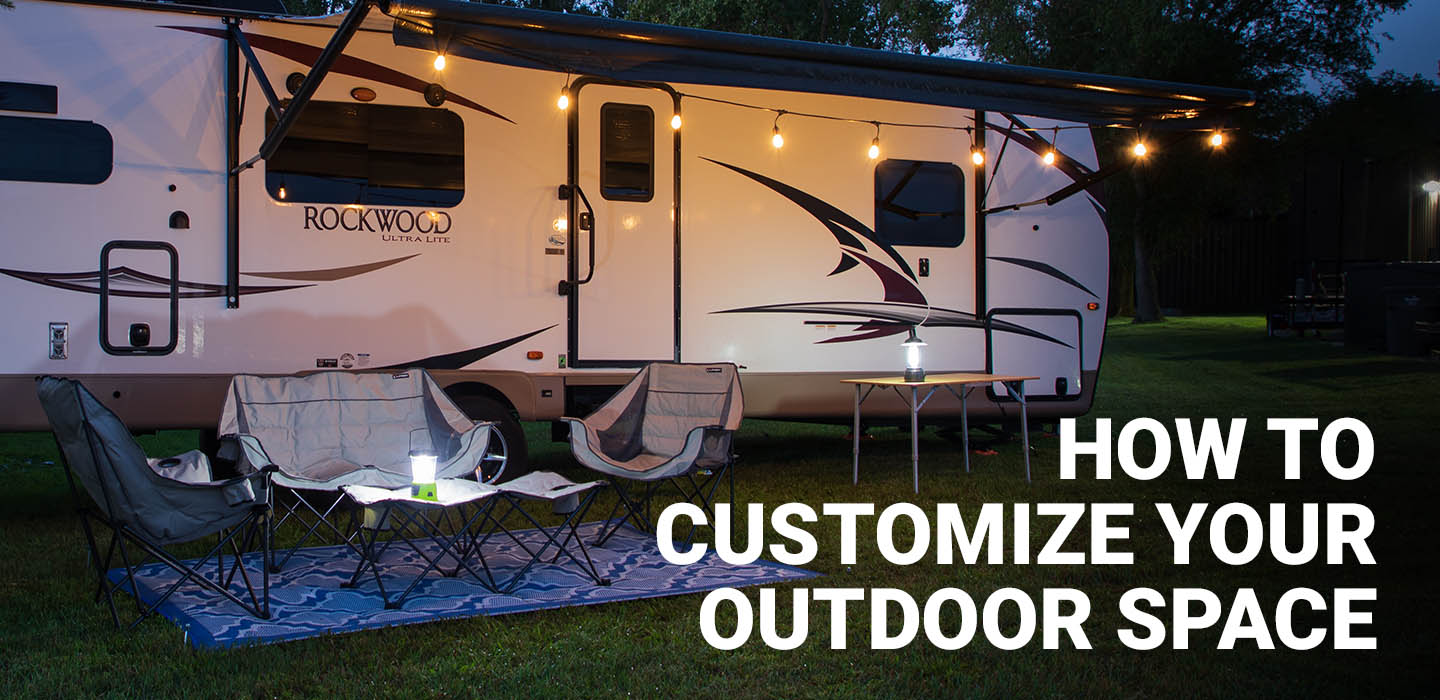
Good lighting extends your outdoor time after sunset. Use battery-powered or solar string lights for easy setup. Place lights around the awning or seating area. Lanterns and LED candles add a soft, warm glow. Avoid harsh, bright lights that disturb the peaceful atmosphere. Proper lighting keeps your campsite safe and cozy at night.
Safety And Security Measures
Setting up your RV campsite safely is crucial. It protects you, your family, and your belongings. Taking simple safety and security steps helps you enjoy your trip with peace of mind. Pay attention to fire safety, wildlife, and securing valuables to avoid trouble.
Fire Safety Tips
Keep a fire extinguisher near your RV and know how to use it. Avoid placing tents or chairs too close to fire pits. Clear dry leaves and twigs around the campfire area. Never leave a fire unattended. Always fully put out fires before sleeping or leaving the site.
Wildlife Precautions
Store food in sealed containers inside your RV or locked boxes. Avoid feeding animals or leaving food scraps outside. Keep trash in secure bins with lids. Stay alert and make noise to avoid surprising wild animals. Know the local wildlife and how to react if you see them.
Securing Valuables
Lock your RV doors and windows when you leave or sleep. Use a safe or hidden storage for money, passports, and electronics. Avoid leaving valuables in plain sight. Share your campsite location only with trusted friends. Check your site regularly for any signs of tampering.
Maintaining Cleanliness
Keeping your RV campsite clean is important for health and comfort. A tidy campsite makes your trip more enjoyable. It also helps protect nature and prevents problems with pests. Simple steps can keep your site neat and safe. Focus on proper waste handling, having the right cleaning items, and controlling pests. These habits make camping better for everyone.
Waste Management
Collect all trash in sealed bags or bins. Use designated dump stations for wastewater and sewage. Avoid leaving any garbage on the ground. Separate recyclables from regular waste. This practice reduces pollution and keeps animals away. Check for local rules about waste disposal. Always pack out what you bring in.
Cleaning Supplies
Carry basic cleaning tools like biodegradable soap, sponges, and cloths. Use eco-friendly cleaners to avoid harming the environment. Wipe down surfaces often to remove dirt and germs. Clean dishes and utensils immediately after use. Keep a small broom and dustpan for quick floor cleaning. Regular cleaning keeps your space fresh and inviting.
Pest Control
Store food in sealed containers to stop pests. Remove leftovers and crumbs right away. Use natural repellents or traps if needed. Avoid leaving pet food outside overnight. Keep the campsite dry to reduce insects. Check tents and RV doors for holes or gaps. These steps help keep bugs and animals away.

Credit: www.thewanderpreneurs.com
Optimizing Storage Solutions
Optimizing storage solutions is key to a comfortable RV campsite setup. Space inside an RV is limited, so smart storage keeps everything neat and easy to reach. Organizing gear properly helps save time and reduces stress during trips. Simple tricks and ideas can turn clutter into order quickly.
Inside Storage Hacks
Use vertical space with hanging organizers on walls or doors. Stackable bins work well for small items like utensils or toiletries. Magnetic strips inside cabinets hold metal tools safely. Under-bed storage containers keep clothes and linens out of the way. Hooks and clips attach to walls for bags and hats. Label containers to find things fast. Keep heavy items low to avoid tipping.
Outdoor Storage Ideas
Attach storage boxes to the RV’s exterior for extra gear. Use waterproof containers to protect items from rain. Roof racks add space for bulky items like bikes or chairs. A small shed or tent near the campsite stores tools and firewood. Foldable tables with built-in storage save space and hold supplies. Secure all outdoor storage to prevent loss from wind or animals.
Keeping Gear Organized
Sort gear by type and use clear bins for easy identification. Use drawer dividers to separate small tools and parts. Keep frequently used items in accessible spots. Pack similar items together, like cooking gear or camping clothes. Regularly check and rearrange storage to maintain order. Clean gear before storing to avoid mess and damage. A tidy setup makes every trip smoother and more fun.
Weather Preparation Tips
Preparing for weather changes is key to a great RV camping experience. Weather can change fast. Being ready keeps you safe and comfortable. Planning for rain, wind, sun, and cold helps you enjoy your trip no matter what.
Handling Rain And Wind
Rain can make the ground slippery and muddy. Use waterproof mats outside your RV door. Secure your awning tightly to avoid damage. Park your RV with the front facing the wind. This reduces wind pressure on your vehicle. Keep rain gear handy. Check weather updates often for storms or strong winds.
Sun Protection
Sun can get very strong during the day. Use an awning or shade to block direct sunlight. Wear hats and sunglasses to protect your eyes and face. Apply sunscreen every two hours. Keep your RV windows covered to reduce heat inside. Drink plenty of water to stay hydrated under the sun.
Cold Weather Setup
Cold weather needs special care. Use insulated covers on your RV windows. Check your heating system before the trip. Keep extra blankets and warm clothes ready. Avoid parking in low spots where cold air settles. Use a tank heater to prevent water pipes from freezing. Monitor the temperature inside and outside regularly.
Credit: livinlifewithlori.com
Enhancing Comfort And Entertainment
Setting up your RV campsite is more than just parking your vehicle. It’s about creating a space that feels cozy and fun. Comfort and entertainment make your outdoor stay enjoyable. Small touches can turn your campsite into a relaxing retreat. Think of ways to sit, play, and gather with friends or family. Here are some ideas to enhance comfort and entertainment at your RV campsite.
Outdoor Seating Arrangements
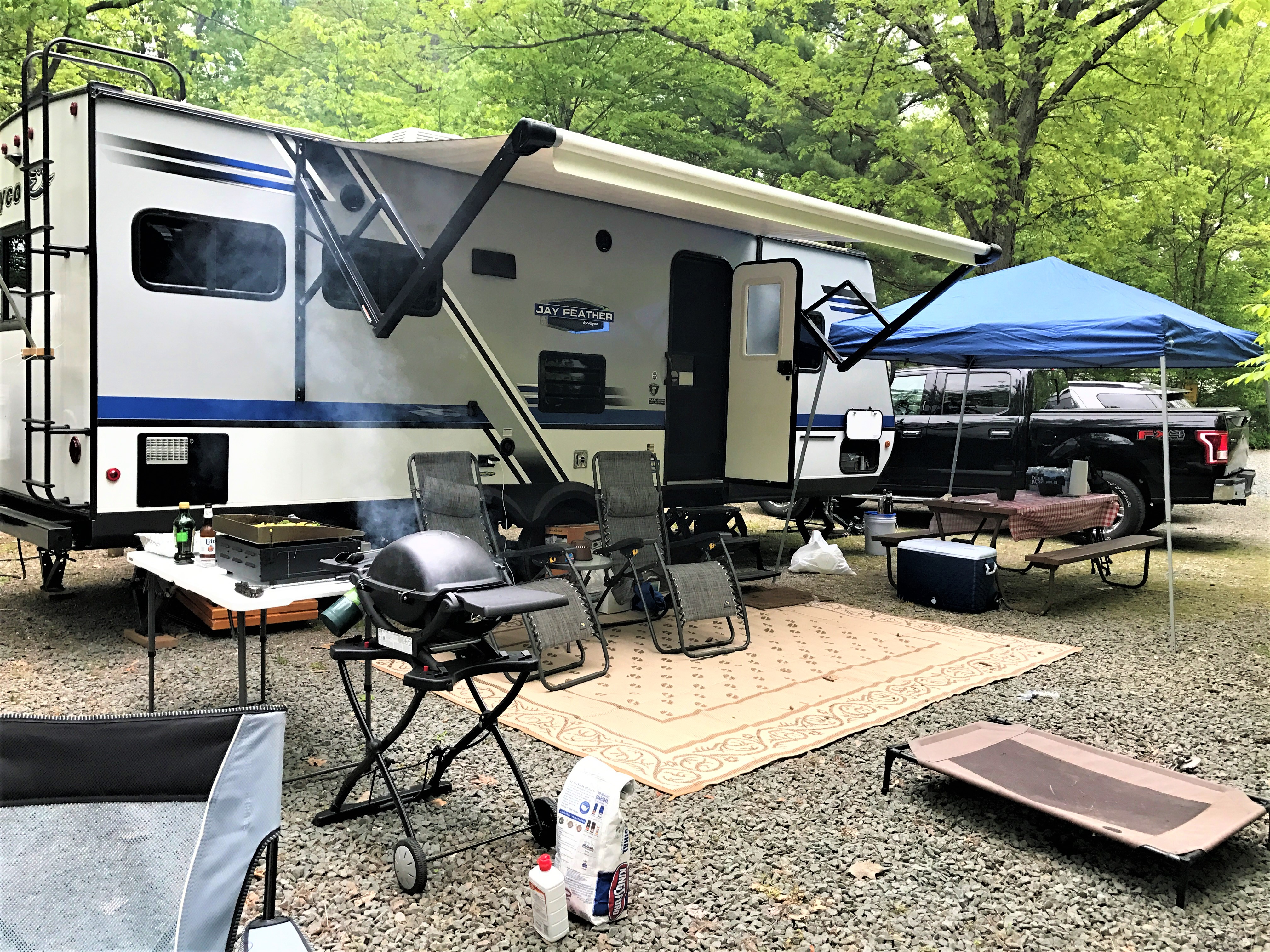
Good seating is key for comfort outside your RV. Folding chairs and portable benches work well. Arrange seats in a circle to invite conversation. Add cushions and blankets for extra warmth. Shade with a canopy or umbrella helps on sunny days. Use a small table for snacks and drinks. Make your seating area inviting and cozy.
Entertainment Gear
Bring simple entertainment gear to keep everyone happy. Portable speakers offer great sound for music or podcasts. Board games and card games are easy to carry and fun. A tablet or portable DVD player can show movies. Outdoor games like frisbee or cornhole add active fun. Prepare gear that suits all ages and interests.
Campfire Setup
A campfire is a classic way to enjoy the outdoors. Use a safe fire pit or ring to contain flames. Keep firewood and kindling dry and ready. Have tools like a fire poker and bucket of water nearby. Campfires provide warmth and a place to gather. Roasting marshmallows or telling stories makes great memories.
FAQ: Rv Campsite Setup
How Do I Choose The Best Spot For My Rv Campsite Setup?
Look for level ground, shade, and easy access to water and electricity at the campsite.
What Essential Tools Are Needed For Rv Campsite Setup?
Carry a leveling block, wheel chocks, water hose, and electrical adapters for smooth setup.
How Can I Safely Connect My Rv To Campsite Utilities?
Turn off the RV power before connecting water and electric lines to avoid damage.
What Steps Help Maintain Cleanliness At An Rv Campsite?
Use trash bags, clean spills immediately, and keep waste disposal areas tidy.
How Do I Secure My Rv During Bad Weather At The Campsite?
Park facing the wind, use stabilizers, and close all windows and vents tightly.
Conclusion
Setting up your RV campsite well makes your trip more fun and safe. Plan your space carefully for comfort and easy access. Check all connections and level your RV before settling in. Keep essentials close and maintain cleanliness to enjoy the outdoors fully.
A good setup helps you relax and enjoy nature’s beauty. Take time to arrange your campsite thoughtfully. This simple step improves your camping experience every time.