
Setting up a campsite might seem simple, but doing it right can make all the difference between a great outdoor experience and a frustrating one. You want a spot that’s safe, comfortable, and ready for whatever adventure you have planned.
Imagine waking up to a cozy tent, a clear cooking area, and a fire that’s easy to manage. This guide will show you exactly how to choose the perfect site, pitch your tent like a pro, and organize your gear for maximum comfort.
Keep reading, and you’ll be ready to enjoy your next camping trip with confidence and ease.
Table of Contents
Credit: www.youtube.com
Choosing The Right Location
Choosing the right location is the first step to a great camping experience. It affects your safety, comfort, and fun. Picking a good spot helps avoid problems and makes your trip more enjoyable.
Consider several factors before setting up your tent or camper. Think about the ground, weather, and nearby resources. Each detail plays a part in your outdoor adventure.
Assessing Terrain And Safety
Find flat ground to set your tent. Uneven spots cause discomfort and can damage gear. Avoid areas prone to flooding or near steep slopes. Look for signs of animal activity and avoid those places. Clear the site of rocks, sticks, and debris. This keeps your sleeping area safe and comfortable.
Considering Weather Conditions
Check the weather forecast before choosing your spot. Pick a place that offers shelter from wind and rain. Trees or hills can provide natural protection. Avoid low areas that collect water during rain. Choose spots with good sunlight for warmth during the day. Plan for shade to stay cool if it gets hot.
Proximity To Water And Amenities
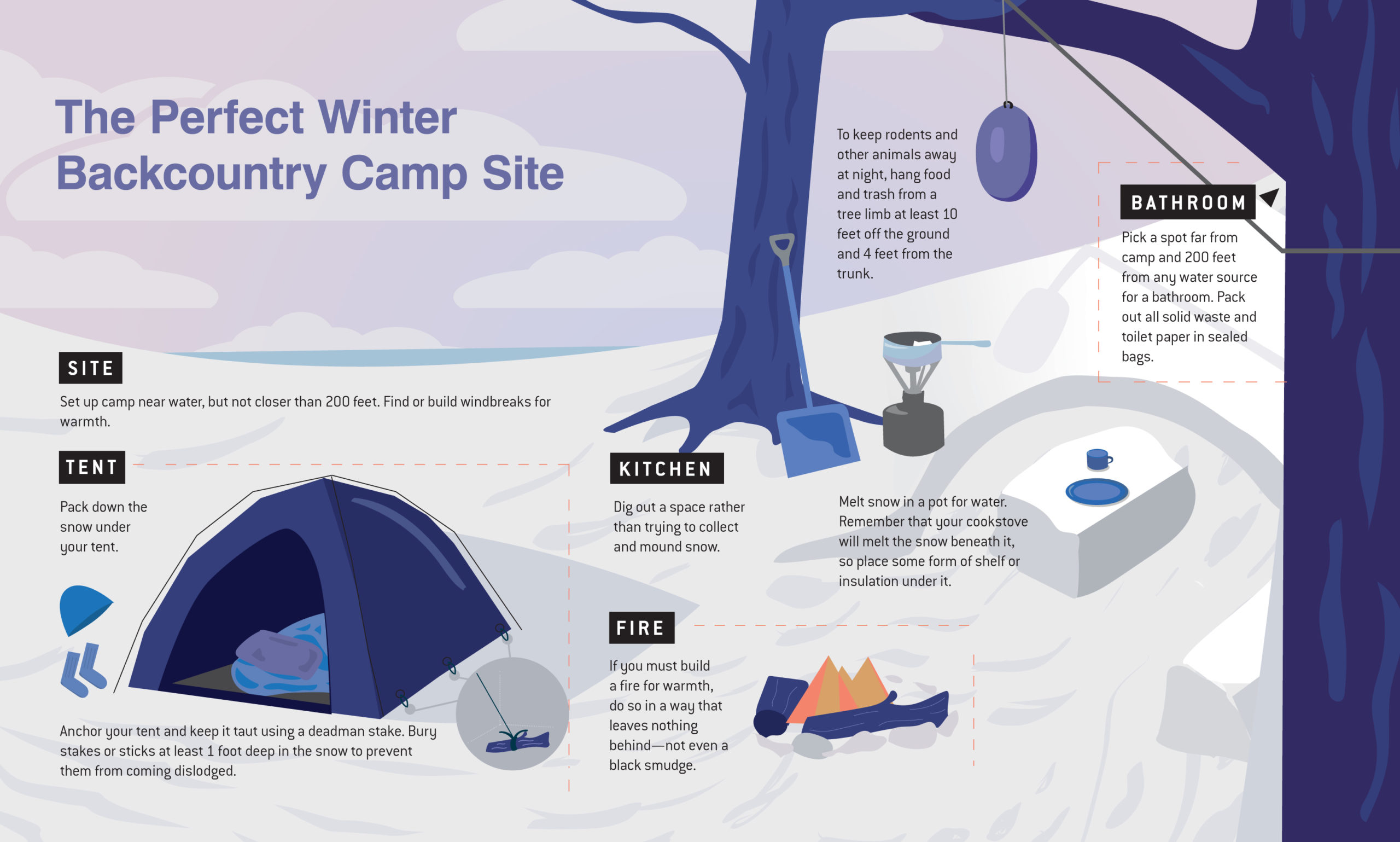
Set up camp near a water source for drinking and cleaning. Stay at least 200 feet away to avoid flooding and bugs. Check for nearby restrooms or trash bins. These help keep the area clean and comfortable. Consider how far you want to walk for water and supplies. Balance convenience with safety and privacy.
Gathering Essential Gear
Gathering essential gear is the first step in setting up a great campsite. Proper equipment makes your trip safe and comfortable. Missing important items can cause problems outdoors. Prepare carefully to enjoy your adventure without stress.
Selecting The Ideal Tent
Choose a tent that fits your group size. Check the weather forecast to pick the right type. A tent with good ventilation keeps air fresh. Make sure it has a strong rainfly for wet conditions. Easy setup saves time and effort at the site.
Sleeping Bags And Mats
Pick sleeping bags suitable for the expected temperature. Lightweight bags are easier to carry on long hikes. Insulated mats provide comfort and protect from cold ground. Test the mats before your trip for firmness. Keep your sleeping area warm and dry for good rest.
Cooking Equipment And Tools
Bring portable stoves or grills for cooking meals. Simple cookware like pots, pans, and utensils work best. Carry a lighter or waterproof matches for fire safety. Packing a small cutting board and knife helps food prep. Clean up tools keep your camp tidy and safe.
Setting Up Your Tent
Setting up your tent is the first step to a comfortable camping experience. A well-pitched tent provides shelter, privacy, and safety. Taking time to set it up correctly makes your stay enjoyable. Follow simple steps to create a stable and weatherproof shelter.
Finding A Flat Surface
Choose a flat area free of rocks and sticks. Clear the ground to avoid damage to your tent floor. Look for natural wind protection like trees or bushes. Avoid low spots that collect water during rain. A flat surface helps your tent stay stable and comfortable.
Pitching Tips For Stability
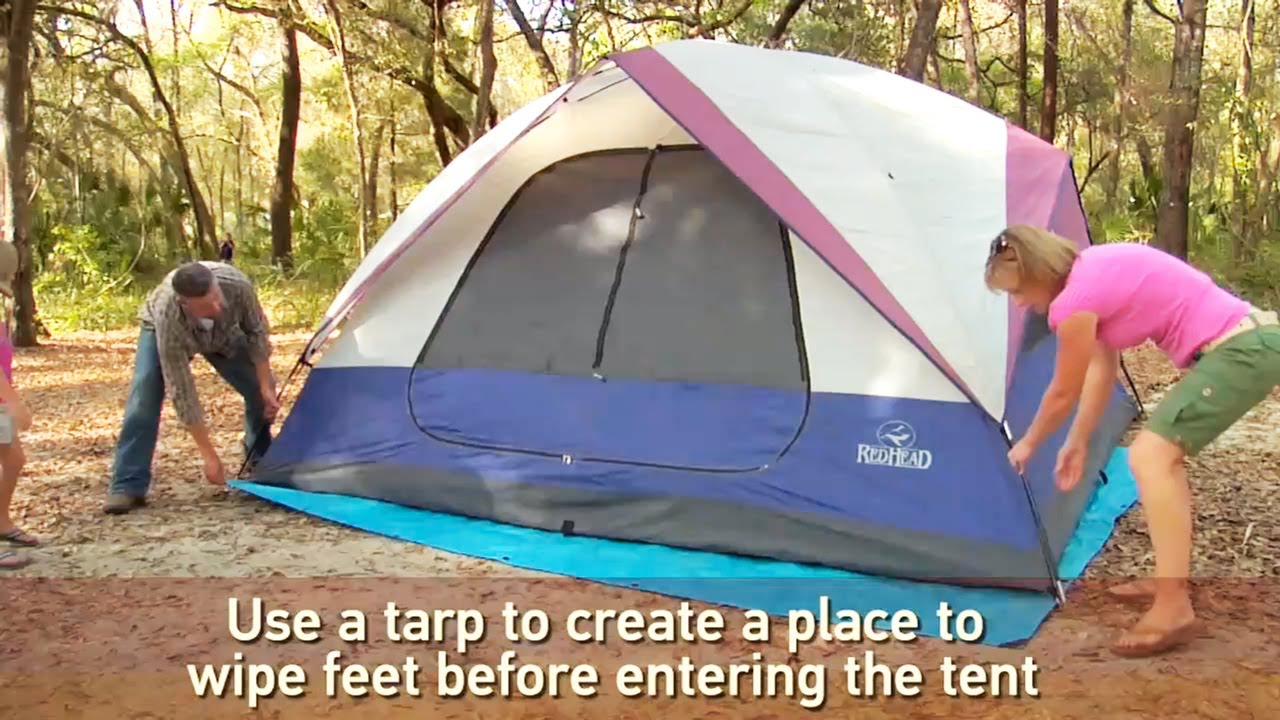
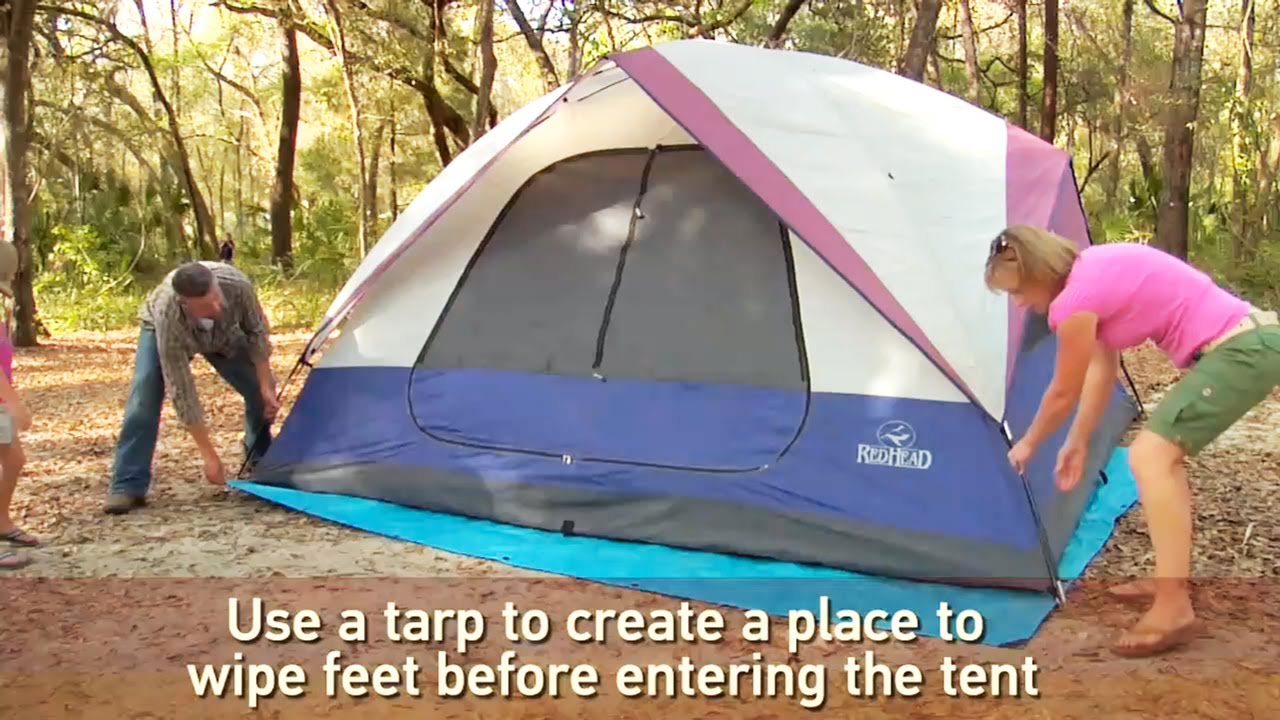
Start by laying out your tent footprint or tarp. Stake down the corners tightly to keep the tent in place. Use guy lines to add extra support against wind. Make sure poles are fully extended and locked. Check that the tent fabric is taut but not too tight.
Weatherproofing Your Shelter
Attach the rainfly securely to protect against rain. Seal seams with waterproof tape or sealant if needed. Angle the tent entrance away from the wind direction. Use a groundsheet to prevent moisture from seeping in. Keep vents open to reduce condensation inside the tent.
Organizing Your Campsite
Organizing your campsite well makes your outdoor experience safer and more fun. A neat campsite helps keep you comfortable and protects nature around you. Setting clear areas for cooking, eating, and sleeping avoids accidents and keeps your gear in order.
Use space smartly. Keep your cooking and eating zones clean and away from your tent. Manage fire safely. Store food and trash properly to avoid wildlife visits. These simple steps help you enjoy camping without trouble.
Designating Cooking And Eating Areas
Choose a flat spot away from your sleeping area for cooking. It keeps smoke and smells away from your tent. Use a small table or flat rock to hold your stove and utensils. Keep all cooking tools and food in one place.
Clean up after each meal. Pack leftovers and trash immediately. This keeps animals from coming near your site. Eating in a set area helps keep bugs and dirt out of your tent.
Creating A Safe Fire Pit
Pick a spot clear of low branches, dry grass, and tents. Use an existing fire ring if available. If none, make a circle of rocks to hold the fire. Keep the fire small and manageable.
Always have water or sand nearby to put out the fire fast. Never leave a fire unattended. Make sure the fire is fully out before sleeping or leaving the site.
Storing Food And Waste Properly
Store food in sealed containers or coolers. Keep them away from your sleeping area. Use bear-proof boxes or hang food from a tree if needed. This stops animals from smelling and reaching your food.
Put trash in bags and keep them sealed. Take all waste with you or use campsite bins. Never bury trash or food scraps. Proper storage protects wildlife and keeps your site clean.
Building And Managing A Campfire
Building and managing a campfire is a key part of camping. It provides warmth, light, and a place to cook food. Setting up a fire safely keeps everyone protected and the environment safe. Follow simple steps to enjoy a safe and cozy fire.
Fire Safety Practices
Choose a safe spot for your fire. Clear away dry leaves and twigs. Keep the fire small and controlled. Never leave the fire unattended. Always have water or sand nearby to stop the fire quickly.
Gathering Suitable Firewood
Collect dry wood for your fire. Use small sticks to start the flame. Add bigger logs to keep the fire burning. Avoid green or wet wood. It produces smoke and is hard to burn.
Extinguishing The Fire Correctly
Pour water on the fire slowly. Stir the ashes to cool all embers. Add more water until no steam rises. Feel the area with your hand to check heat. Never leave a fire until it is cold.
Credit: www.outdoors.org
Planning Meals And Hydration
Planning meals and hydration is key for a great camping trip. Good food keeps energy high and spirits up. Water is essential for health and safety. Preparing these before setting out saves time and stress at the campsite.
Easy Campfire Recipes
Simple recipes work best outdoors. Think foil packet meals with meat and vegetables. They cook quickly over the fire. Pancakes and eggs make a great breakfast. Hot dogs and marshmallows are classic and easy. Keep ingredients ready and tools minimal.
Water Purification Methods
Clean water prevents sickness. Boiling water is the easiest method. Use a pot over the fire for at least one minute. Water purification tablets are light and effective. Portable filters remove dirt and germs. Carry enough bottles to store purified water.
Packing Lightweight Food
Choose foods that are light and compact. Dehydrated meals save space and weight. Nuts, dried fruits, and granola bars provide quick energy. Avoid heavy cans or glass jars. Plan meals that do not need refrigeration. Balance nutrition with convenience.
Ensuring Personal Safety
Setting up a campsite means more than just pitching a tent. Safety must come first. Being prepared helps prevent accidents and problems. This keeps your trip fun and stress-free. Focus on key safety steps before and during your stay.
First Aid Essentials
Carry a basic first aid kit. Include bandages, antiseptic wipes, and pain relievers. Add items like tweezers and allergy medicine. Know how to use each item. This helps treat minor injuries quickly. Keep the kit in an easy-to-reach spot.
Wildlife Precautions
Store food securely to avoid attracting animals. Use sealed containers or hang bags from trees. Stay alert for signs of nearby wildlife. Avoid feeding or approaching animals. Keep a safe distance to prevent harm. Make noise while walking to warn animals.
Weather Preparedness
Check the weather forecast before camping. Pack clothes for sun, rain, and cold. Bring a waterproof tarp or rain jacket. Secure tents and gear against strong winds. Have an emergency plan for severe weather. Stay informed during your trip with a weather radio or app.

Credit: settocamp.com
Maintaining Campsite Cleanliness
Maintaining cleanliness at your campsite is vital for a safe and enjoyable outdoor experience. A clean site protects the environment and keeps wildlife safe. It also ensures that the next campers find the area pristine and welcoming.
Keeping your campsite tidy helps prevent pollution and damage to nature. Simple actions can make a big difference in preserving the beauty of camping spots.
Leave No Trace Principles
Follow the Leave No Trace principles to protect nature. These rules guide campers to minimize their impact on the environment. Campers should pack out everything they bring in. Avoid disturbing plants, animals, and natural features. Camp only on durable surfaces like rocks or dry grass. Respect other visitors by keeping noise low and campsites clean.
Proper Trash Disposal
Always bring trash bags to collect your waste. Separate recyclables from regular trash if possible. Never bury or burn garbage at the campsite. Carry out all trash to designated disposal areas. Food scraps attract animals and can harm them. Use sealed containers to store food and trash securely.
Protecting Local Flora And Fauna
Stay on marked trails and campsites to avoid trampling plants. Do not pick flowers or remove plants from the area. Keep a safe distance from wild animals to avoid stress or danger. Avoid feeding wildlife as it changes their natural behavior. Report any injured or sick animals to park staff or authorities.
Maximizing Comfort Outdoors
Maximizing comfort outdoors makes your camping trip more enjoyable. Small changes in how you prepare can create a cozy campsite. Comfort helps you relax and enjoy nature fully. Focus on clothing, lighting, and creating good spots to sit and rest. These tips help you stay comfortable day and night.
Choosing Appropriate Clothing
Select clothes based on weather and activities. Wear layers to adjust to temperature changes. Use moisture-wicking fabric to stay dry and warm. Avoid cotton; it holds sweat and chills the body. Pack a hat and gloves for cold nights. Comfortable shoes protect your feet from rough ground.
Setting Up Lighting
Good lighting improves safety and mood at your campsite. Use lanterns or string lights to brighten common areas. Solar lights save battery and work well during the day. Keep a flashlight handy for walking at night. Avoid bright lights that disturb wildlife and neighbors. Soft, warm light creates a peaceful atmosphere.
Creating Relaxation Spots
Find flat, dry ground to set up chairs or hammocks. Use blankets or cushions for extra comfort. Arrange seating to face a fire or scenic view. Add a small table for snacks and drinks. Keep your spot tidy to feel more relaxed. Personal touches make your outdoor space inviting and cozy.
Planning Activities And Entertainment
Planning activities and entertainment is key to a fun camping trip. It keeps everyone happy and busy. Good activities help you enjoy nature and bond with friends or family. Simple, fun plans make your campsite lively and memorable. Here are some easy ideas to try.
Nature Exploration Ideas
Explore the area around your campsite. Walk on trails and observe plants and animals. Collect interesting leaves, rocks, or pinecones. Try bird watching with a simple guidebook. Take photos of wildlife or beautiful views. Teach kids to identify trees or insects. Nature exploration is fun and helps you learn about the environment.
Campfire Games And Stories
Gather around the campfire for games and stories. Play classic games like “20 Questions” or “I Spy.” Tell spooky or funny stories to create a warm atmosphere. Use a flashlight for shadow puppets on a tent wall. Singing songs together is always a hit. Campfire time brings everyone closer and makes great memories.
Stargazing Tips
Look up at the night sky after dark. Find a spot away from bright lights for clear views. Use a star map or an app to identify constellations. Spot planets, shooting stars, or the Milky Way band. Bring a blanket or reclining chair for comfort. Stargazing is peaceful and perfect for quiet moments outdoors.
FAQ: How to Set Up a Campsite
What Essentials Should I Bring To Set Up A Campsite?
Bring a tent, sleeping bag, flashlight, food, water, and first-aid kit for a safe and comfortable campsite.
How Do I Choose The Best Spot For Camping?
Pick flat ground, away from water, with some shade and wind protection for a good campsite location.
How Can I Safely Build A Campfire?
Clear leaves, use a fire ring, keep water nearby, and never leave fire unattended for safety.
What Is The Best Way To Set Up A Tent?
Find level ground, use a footprint, stake corners tight, and secure guylines for a stable tent.
How Do I Keep Wildlife Away From My Campsite?
Store food in sealed containers, hang it high, and keep the site clean to avoid animals.
Conclusion
Setting up a campsite can be simple and fun with the right steps. Choose a flat, safe spot for your tent. Keep your gear organized and easy to reach. Remember to protect nature by leaving no trace. Enjoy the fresh air, stars, and quiet night sounds.
Camping brings great memories and peaceful moments. Follow these tips to have a safe and happy outdoor stay. Ready for your next adventure?