
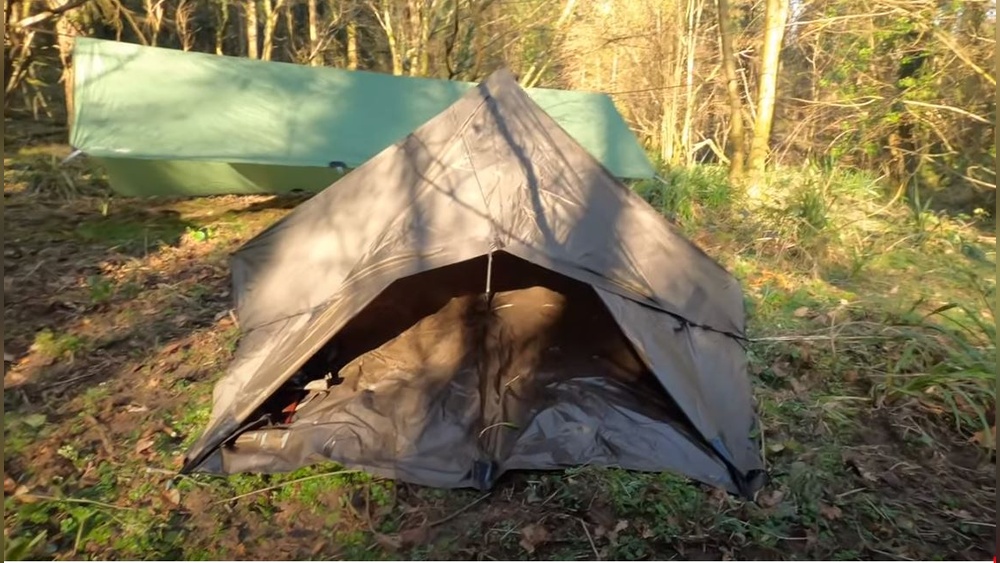
Are you trying to decide between a tarp and a tent for your next outdoor adventure? Choosing the right shelter can make or break your experience.
You want something that’s easy to carry, quick to set up, and protects you from the elements. But which one fits your needs better? This article will help you understand the key differences, benefits, and drawbacks of tarps and tents.
By the end, you’ll feel confident about picking the perfect shelter for your trip. Keep reading to find out what works best for you.
Table of Contents
Tarp Basics
A tarp is a simple shelter made from a piece of fabric. It protects you from rain, sun, and wind during outdoor activities. Unlike tents, tarps are lighter and more flexible. They offer many ways to set up camp. Understanding tarp basics helps you choose the right one.
Let’s explore what tarps are made of and how to set them up for the best protection.
Materials And Designs
Tarps come in different materials. Common ones are nylon and polyester. Both are strong and resist water well. Some tarps have a waterproof coating for extra protection. Design varies too. Some tarps are rectangular, others are shaped like a diamond. Size depends on how many people you need to cover. Look for tarps with reinforced edges and grommets. These features make setup easier and more secure.
Setup Techniques
Setting up a tarp requires some skill but is not hard. You can tie it between trees using ropes. Use trekking poles or sticks if no trees are nearby. Adjust the angle to block wind or rain. Try a simple A-frame or lean-to style. Each style offers different protection and space. Practice setting up before you go camping. This helps you feel confident and ready.
Tent Basics
Tents are essential for outdoor adventures. They provide shelter from weather and insects. Understanding the basics helps you choose the right one. Tents come in different styles and sizes. Each type serves a unique purpose. Knowing common features helps you use tents better.
Types Of Tents
Dome tents are popular for easy setup and good wind resistance. They have flexible poles that cross in the center. Cabin tents offer more headroom and space. They work well for families or groups. Backpacking tents are lightweight and compact. Designed for hikers, they balance weight and comfort. Tunnel tents provide more floor space but need good staking. Pop-up tents set up quickly for casual use. Each type fits different camping needs.
Common Features
Most tents include a rainfly to keep water out. Ventilation windows or mesh panels reduce condensation inside. Zippered doors offer easy entry and exit. Groundsheet or floor protects from dirt and moisture. Poles give structure and support to the tent. Guy lines secure the tent against wind. Many tents come with storage pockets for small items. These features improve comfort and protection outdoors.
Weight And Portability
Weight and portability are key factors for campers and hikers. They affect how far you can travel and how much gear you can carry. Choosing between a tarp and a tent often depends on these aspects. Both options have their pros and cons in weight and size.
Carrying Ease
Tarps are usually lighter than tents. They weigh less because they have fewer materials. You can carry a tarp with minimal effort. Tents, on the other hand, have poles and stakes that add weight. This makes tents heavier and sometimes bulky. Light backpacks benefit more from tarps. For longer hikes, every ounce counts.
Pack Size
Tarps fold into small, flat packages. They take up less space in your bag. This leaves room for other important items. Tents are bulkier due to poles and fabric structure. They need more space and careful packing. A small pack size helps in moving fast and easy. Tarps excel in this area, offering compactness.
Weather Protection
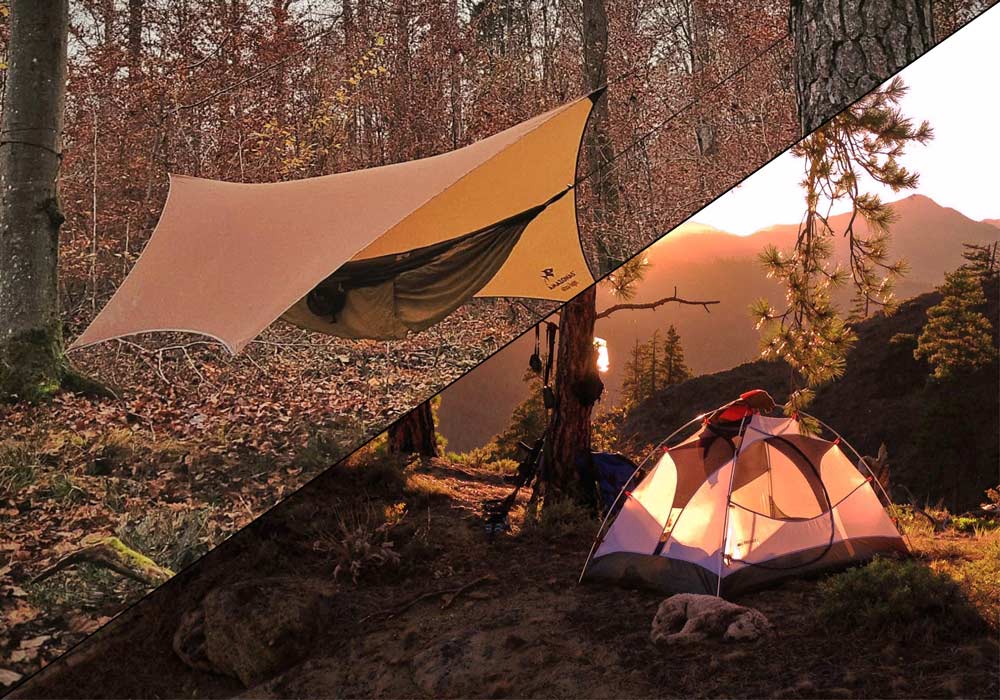
Weather protection is a key factor when choosing between a tarp and a tent. Both provide shelter but differ in how they handle rain, wind, and temperature. Understanding these differences helps you stay safe and comfortable outdoors.
Rain And Wind Resistance
Tents offer strong protection from rain and wind. Their walls and roof cover you completely. Most tents have waterproof fabric and sealed seams. This keeps water out during heavy rain. Tents also block wind better due to their enclosed shape. They reduce wind chill and keep you warm.
Tarps give flexible shelter but less protection. They shield from rain falling from above. But wind can blow rain inside easily. Tarps rely on how you set them up. Proper angling helps block wind but does not seal out drafts. Tarps work best in mild weather or as extra cover.
Temperature Control
Tents trap body heat well. They create a small, enclosed space that stays warmer. Some tents have vents to reduce moisture and keep fresh air flowing. This helps avoid condensation inside. Tents offer better comfort in cold or windy conditions.
Tarps allow open airflow. This means cooler temperatures in hot weather. But they do not hold heat well at night. Using a tarp alone may leave you feeling cold. Tarps are better for warm climates or for short breaks in mild weather.
Durability And Maintenance
Durability and maintenance are key factors when choosing between a tarp and a tent. Both need to withstand different weather conditions and rough use. Knowing how long materials last and how to care for them helps you get the best use out of your gear. This section breaks down important points about material longevity and care tips for both options.
Material Longevity
Tents usually have thicker fabric and stronger frames. This makes them last longer in harsh weather. Most tents use nylon or polyester with waterproof coatings. These materials resist tears and wear well over time.
Tarps are simpler and lighter. They often use polyethylene or ripstop nylon. These materials can last long but may wear faster under rough conditions. Constant sun exposure may weaken tarp fabrics quicker than tents.
Care Tips
Keep tents clean and dry after each use. Use a soft brush to remove dirt. Avoid washing tents too often to protect waterproof coatings. Store tents in a cool, dry place to prevent mold.
For tarps, wipe off mud and debris after use. Avoid folding wet tarps to stop mildew. Check for small tears and patch them quickly. Proper folding and storage extend tarp life.
Setup Time And Complexity
Setup time and complexity play a big role in choosing between a tarp and a tent. Both offer shelter, but they differ in how fast and easy they are to set up. Understanding these differences helps you pick the right gear for your trip.
Ease Of Assembly
Tents usually come with poles and a structured frame. This design helps them stand up quickly and hold their shape. Many tents have color-coded parts, making assembly simple. You just connect poles and clip or zip the fabric.
Tarps need more work. You must tie ropes and find sturdy anchor points. The setup can change based on weather or terrain. Tarps take longer to put up, especially for beginners.
Required Skills
Setting up a tent needs little skill. Basic instructions guide you through the process. Most people can pitch a tent alone within minutes. It is beginner-friendly and less stressful after practice.
Using a tarp requires some knowledge of knots and angles. You must know how to create tension and shape the shelter. Skills improve with experience. Without them, setup may take too long or fail to protect from rain or wind.
Cost Comparison
Cost plays a big role in choosing between a tarp and a tent. Both options vary in price and value. Understanding these differences helps you pick the best gear for your budget.
Initial Investment
Tarp prices usually start lower than tents. You can find a basic tarp for under $30. Tents often cost $50 or more, depending on size and features.
Tents include poles, stakes, and rain flies. These add to the price but offer more structure and protection. Tarps are simpler and require extra gear to set up.
Long-term Value
Tents last longer with proper care. Their materials resist weather and wear. This means fewer replacements over time.
Tarps need careful handling to avoid tears. They offer flexibility but may wear out faster. Replacing tarps more often can add to costs.
Consider how often you camp. Frequent campers may find tents more cost-effective in the long run. Casual campers might prefer tarps for their low upfront price.

Space And Comfort
Space and comfort are key for any outdoor shelter. Choosing between a tarp and a tent affects both. Each offers different benefits for your living area and ventilation. Understanding these differences helps you pick the right shelter for your trip.
Living Area
Tents usually have defined walls and floors. This design creates a private and secure space. It keeps your gear and belongings inside and dry. The living area in tents feels enclosed and safe from bugs and weather.
Tarps provide a flexible living space. You can set them up open or closed, depending on your needs. Tarps offer more room to move around. They do not have walls, so the space feels larger but less private.
Ventilation
Tents have mesh panels for ventilation. This helps reduce condensation inside. Air flows through vents, keeping the tent cooler in warm weather.
Tarps offer excellent ventilation since they are mostly open. Fresh air circulates freely, making them ideal for hot or humid climates. However, tarps provide less protection from wind and insects.
Ideal Uses
Choosing between a tarp and a tent depends on how and where you plan to camp. Each shelter serves different needs and works best in certain situations. Knowing these ideal uses helps pick the right gear for your trip.
Backpacking
Backpackers value light and compact gear. Tarps are lighter than tents and take less space. They offer basic shelter from rain and wind. Tents provide more protection and privacy. They keep bugs and cold out better. For long hikes, many prefer tarps for easy carrying. Others choose tents for comfort in rough weather.
Car Camping
Car campers can carry heavier gear easily. Tents work well here because of their full coverage. They offer good shelter and keep bugs away. Tarps are also useful as extra shade or rain cover. Many use a tent for sleeping and a tarp for cooking or relaxing. The choice depends on how much comfort you want.
Emergency Situations
Emergency shelters need fast setup and reliability. Tarps are quick to set up and versatile. They can protect from rain, sun, and wind. Tents give better protection from insects and cold. In emergencies, tarps are handy for many uses. Tents offer more security but take longer to pitch. Both have important roles in survival kits.

Making Your Choice
Choosing between a tarp and a tent can shape your outdoor experience. Both offer shelter but serve different needs and styles. Understanding your priorities helps you pick the best option. Focus on what matters most for your trip.
Assessing Needs
Think about where you will camp. Will it be windy, rainy, or dry? Consider the number of people. Do you need space for gear too? Also, check how much weight you can carry. A tarp is lighter but less protective. A tent offers more shelter but weighs more. Your comfort level outdoors matters a lot.
Balancing Pros And Cons
A tarp is simple, cheap, and easy to pack. It lets you connect with nature but offers less privacy. A tent blocks wind and bugs. It provides more safety but can be bulky. Decide which benefits matter most. Your choice depends on your adventure style and weather conditions.
FAQ: Tarp Vs Tent
What Are The Main Differences Between A Tarp And A Tent?
A tarp is a simple waterproof sheet, while a tent has walls and a frame for shelter.
Which Is Better For Camping: Tarp Or Tent?
Tents offer more protection and privacy; tarps are lighter and more flexible.
Can A Tarp Protect Against Rain Like A Tent?
A tarp can keep rain off but may not block wind or cold well.
How Easy Is It To Set Up A Tarp Versus A Tent?
Tarps are quicker to set up but need trees or poles; tents need more time.
Is A Tarp Suitable For All Weather Conditions?
Tarps work best in mild weather, while tents handle rain, wind, and bugs better.
Conclusion
Choosing between a tarp and a tent depends on your needs. Tarps are light, simple, and flexible for quick shelter. Tents offer more protection from bugs, wind, and rain. Think about the weather and comfort you want. Both have pros and cons for camping trips.
Try both to see what fits your style best. Your choice can make outdoor time better and safer. Keep these points in mind for your next adventure.