
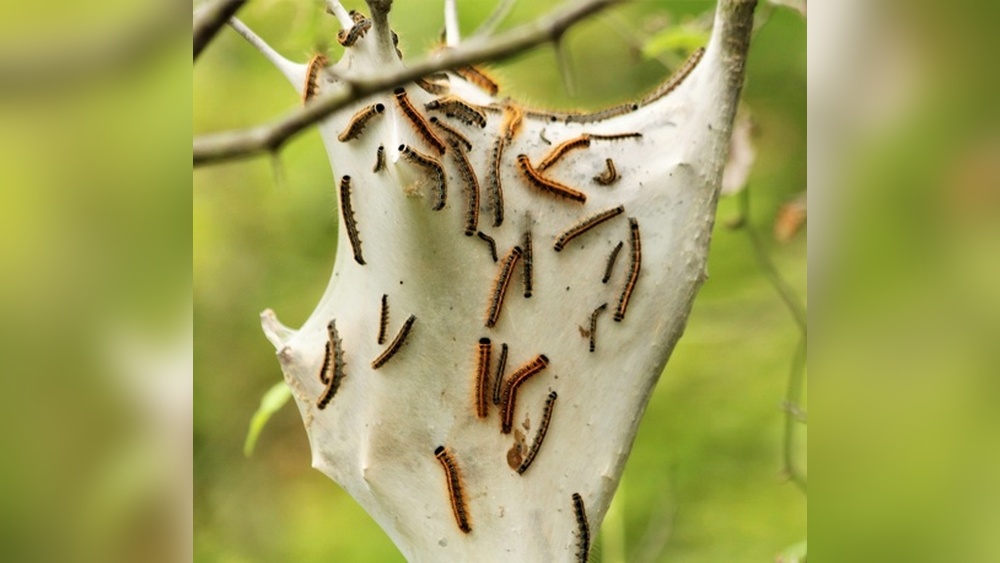
Are you noticing strange nests on the branches of your trees and wondering if they are gypsy moth nests or tent caterpillar tents? Knowing the difference is crucial because these pests affect your trees in very different ways.
If you want to protect your garden and keep your trees healthy, understanding what you’re dealing with is the first step. Keep reading, and you’ll learn how to spot these pests quickly, so you can take the right action before they cause serious damage to your plants.
Don’t let these tiny invaders catch you off guard!
Table of Contents
Gypsy Moth Nest Basics
Gypsy moth nests are a common sight in many forests and backyards. These nests are made by the gypsy moth caterpillars. They serve as a shelter and a place to rest. Understanding these nests helps in identifying and managing gypsy moth infestations.
The nests usually appear as dense, silky masses on tree trunks and branches. They can vary in size but often grow large enough to be easily noticed. The nests protect the caterpillars from predators and weather.
What Does A Gypsy Moth Nest Look Like?
Gypsy moth nests are silky and grayish. They are usually found on tree bark, especially oak trees. These nests look like small pillows or sacs. You can see many caterpillars inside during the day.
Where Do Gypsy Moths Build Their Nests?
The nests are built on tree trunks and branches. Sometimes, they are found on outdoor furniture or walls. Gypsy moths prefer rough surfaces that hold their silk well. The nests are mostly in shaded areas.
Why Are Gypsy Moth Nests A Problem?
These nests mean many caterpillars are feeding nearby. The caterpillars eat leaves quickly and can defoliate trees. This weakens the tree and may cause long-term damage. Large infestations harm forests and gardens.
When Do Gypsy Moth Nests Appear?
Nests appear in late summer and fall. Caterpillars build them before winter to stay safe. In spring, the nests hatch, and caterpillars spread out to feed. The nests remain visible until the next season.
Tent Caterpillar Nest Features
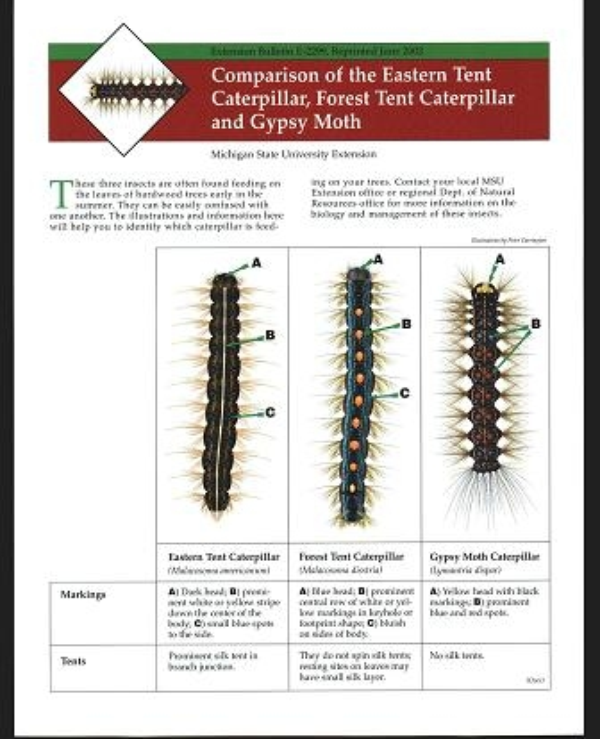
Tent caterpillar nests are silky and found in tree branches, often in a web-like shape. Gypsy moth nests are more hidden and look like brown, hairy cocoons on tree trunks. These differences help spot which insect is present.
Tent caterpillar nests are easy to spot in trees during spring. They look like small, white silk tents. These tents are built in the forks of tree branches.
The silk helps protect the caterpillars inside from weather and predators. The nest grows as more caterpillars join. It is a safe place for them to rest and feed.
Location And Shape
Tent caterpillar nests usually form in the forks of deciduous trees. The shape is a loose web or tent. It does not cover large parts of the tree.
The nests have open sides. This lets caterpillars come and go easily. They stay inside mostly at night or during bad weather.
Size And Growth
The nests start small but can grow up to 8 inches wide. Growth depends on the number of caterpillars. More caterpillars mean a bigger nest.
The nest expands as caterpillars spin more silk. This helps protect the group as it grows.
Silk Texture And Color
The silk is white and looks shiny in sunlight. It feels soft but is very strong. The silk traps heat, keeping caterpillars warm.
The bright white color makes the nest easy to see. It contrasts with the dark tree branches.
Appearance Differences
Gypsy moth nests look like dense, silken masses on tree trunks. Tent caterpillar nests appear as loose, web-like tents in tree branches. Both are easy to spot but differ in shape and location.
Gypsy Moth Appearance
The Gypsy Moth caterpillar has a hairy body with distinct markings. It is mostly brown or gray with blue and red spots along its back. Its body is thick and covered in fine hairs. The head is dark, and the legs are short but strong. These colors and patterns help identify it quickly.
Tent Caterpillar Appearance
Tent Caterpillars are smooth and less hairy than Gypsy Moths. They have a bright, creamy stripe down their backs. Their bodies are usually light brown or black. Small white or yellow spots line the sides. Their heads are shiny and dark, with longer legs than Gypsy Moths.
Comparing Nest Structures
Gypsy Moths build loose, web-like nests on tree trunks and branches. The nests are often grayish and irregular in shape. Tent Caterpillars create dense, silk tents in the fork of tree branches. These tents are white and look like small cotton balls. Nest location and structure are key to telling them apart.
Nest Location Preferences
Gypsy moths and tent caterpillars both build nests, but their choices differ. Nest location plays a key role in their survival and growth. Understanding where each prefers to build can help identify and manage them better.
Gypsy Moth Nest Locations
Gypsy moths build nests on tree trunks and branches. They favor rough bark surfaces for protection. These nests often hide in cracks or crevices. You can also find them under loose bark or on wooden structures near trees.
Tent Caterpillar Nest Locations
Tent caterpillars build silky tents in the fork of tree branches. They prefer deciduous trees like cherry and apple. Their nests are usually visible and large. These tents protect them from predators and weather.
Life Cycle Comparison
The life cycles of the Gypsy Moth and Tent Caterpillar show clear differences. Both insects go through stages, but timing and behavior vary. Understanding these stages helps identify and manage them better.
Each species has unique habits during its life cycle. These affect how they build nests or tents and their impact on trees.
Egg Stage
Gypsy Moth eggs appear in large, fuzzy clusters. They are usually brownish and laid on tree trunks or branches. These eggs stay through winter until spring arrives.
Tent Caterpillar eggs form in long bands around twigs. They hatch early in spring. The eggs are smaller and less noticeable than Gypsy Moth eggs.
Larva (caterpillar) Stage
Gypsy Moth larvae are hairy and dark with blue and red spots. They feed heavily on tree leaves and can cause defoliation. They move alone and do not make tents.
Tent Caterpillar larvae are hairy too but create silk tents in tree branches. These tents offer protection and a place to rest. They feed on leaves nearby the tents.
Pupal Stage
Gypsy Moth pupae are reddish-brown and hidden in leaf litter or bark crevices. This stage lasts about two weeks before moths emerge.
Tent Caterpillar pupae stay inside the silk tents or nearby. They turn into moths in about two weeks as well.
Adult Stage
Adult Gypsy Moths have brown wings with darker patterns. Males fly to find females. Females are larger but cannot fly.
Adult Tent Moths are smaller and less colorful. They fly to mate and lay eggs on branches.

Feeding Habits
Feeding habits play a key role in understanding the differences between the Gypsy Moth nest and the Tent Caterpillar. Both insects eat leaves but choose different trees and have unique eating patterns. These habits affect how they harm plants and how to control them.
Gypsy Moth Nest Feeding Habits
Gypsy Moth larvae prefer oak trees but eat many types of leaves. They feed mostly at night. During the day, they hide in nests or under bark. Their feeding can strip trees bare, leaving branches without leaves. This weakens trees and makes them more likely to get sick.
Tent Caterpillar Feeding Habits
Tent Caterpillars eat leaves mainly from cherry, apple, and other fruit trees. They build silk tents in tree branches. These tents serve as homes where they rest and protect themselves. Caterpillars leave the tent to feed on leaves during the day. Their feeding causes holes in leaves but rarely kills trees.
Impact On Trees
Both gypsy moth nests and tent caterpillars can harm trees. They eat leaves and weaken the tree over time. The damage can reduce tree growth and make trees less healthy. Some trees may lose many leaves, which affects their ability to make food. This can lead to stress and make trees more likely to get sick or die.
Gypsy Moth Nest Impact
Gypsy moth caterpillars feed on the leaves of many tree types. They eat large amounts of leaves quickly. This defoliation can leave trees bare. Trees may take years to recover from heavy damage. Repeated attacks can kill weak or young trees. Oaks and hardwoods are often the most affected.
Tent Caterpillar Impact
Tent caterpillars also eat tree leaves but usually do less damage. They build silk tents in tree branches. Their feeding can cause partial defoliation. Trees often grow new leaves after tent caterpillars leave. Healthy trees can usually survive their damage. Fruit trees like cherry and apple are common targets.
Long-term Effects On Trees
Both pests reduce a tree’s ability to make food. This weakens the tree and slows growth. Trees under stress may lose branches or become brittle. Infections and other pests may attack weakened trees. Repeated defoliation can lead to tree death. Early detection helps protect trees from serious harm.
Control Methods
Controlling Gypsy Moth nests and Tent Caterpillar tents helps protect trees and plants. Early action stops these pests from spreading and causing damage. Different methods suit each pest. Understanding these methods makes control easier and more effective.
Physical Removal
Removing nests and tents by hand works well on small infestations. Use gloves and a stick to pull down the webbing. Place the nests in a sealed bag. Dispose of them far from your garden. This stops caterpillars from returning.
Biological Control
Natural predators like birds and insects reduce pest numbers. You can attract these predators by planting native flowers and shrubs. Bacillus thuringiensis (Bt), a natural bacteria, kills caterpillars. Spray Bt on affected trees early in spring. It is safe for people and pets.
Chemical Treatments
In severe cases, insecticides may be necessary. Use products labeled for Gypsy Moth or Tent Caterpillar control. Follow instructions carefully to avoid harming other animals. Spray during early caterpillar stages for best results. Avoid spraying during blooming to protect pollinators.
Tree Banding
Sticky bands placed around tree trunks catch crawling caterpillars. Check bands regularly and remove trapped pests. Replace bands to keep them sticky. This method stops caterpillars from reaching leaves. It works well for both Gypsy Moths and Tent Caterpillars.
Seasonal Activity
Seasonal activity helps identify Gypsy Moth nests and Tent Caterpillar tents. Both insects follow distinct patterns through the year. Knowing these patterns makes spotting them easier. It also helps in planning control measures at the right time.
Gypsy Moth Seasonal Activity
Gypsy Moth eggs hatch in early spring. Caterpillars feed on leaves through late spring. By early summer, they mature and form cocoons. Adults emerge in mid-summer to lay eggs. Eggs remain until next spring, wrapped in fuzzy egg masses.
Tent Caterpillar Seasonal Activity
Tent Caterpillars hatch in early spring as well. They quickly build silk tents in tree branches. Caterpillars feed on leaves throughout spring. By late spring, they leave tents to pupate. Adults appear in early summer and lay eggs on branches.
Comparing Activity Periods
Gypsy Moth activity spans longer, from early spring to mid-summer. Tent Caterpillars are active mostly in spring. Tents appear early and vanish by early summer. Gypsy Moth nests may last longer, with egg masses visible even in winter.
Identifying Signs In Your Yard
Identifying pest problems early helps protect your trees and plants. Gypsy moth nests and tent caterpillar nests look different. Knowing these signs lets you act fast. This section shows how to spot each in your yard.
Gypsy Moth Nest Appearance
Gypsy moth nests are tan or gray. They look like rough, fuzzy patches. You can find them on tree trunks or branches. Nests are usually about the size of a softball. They stay still and do not move.
Tent Caterpillar Nest Appearance
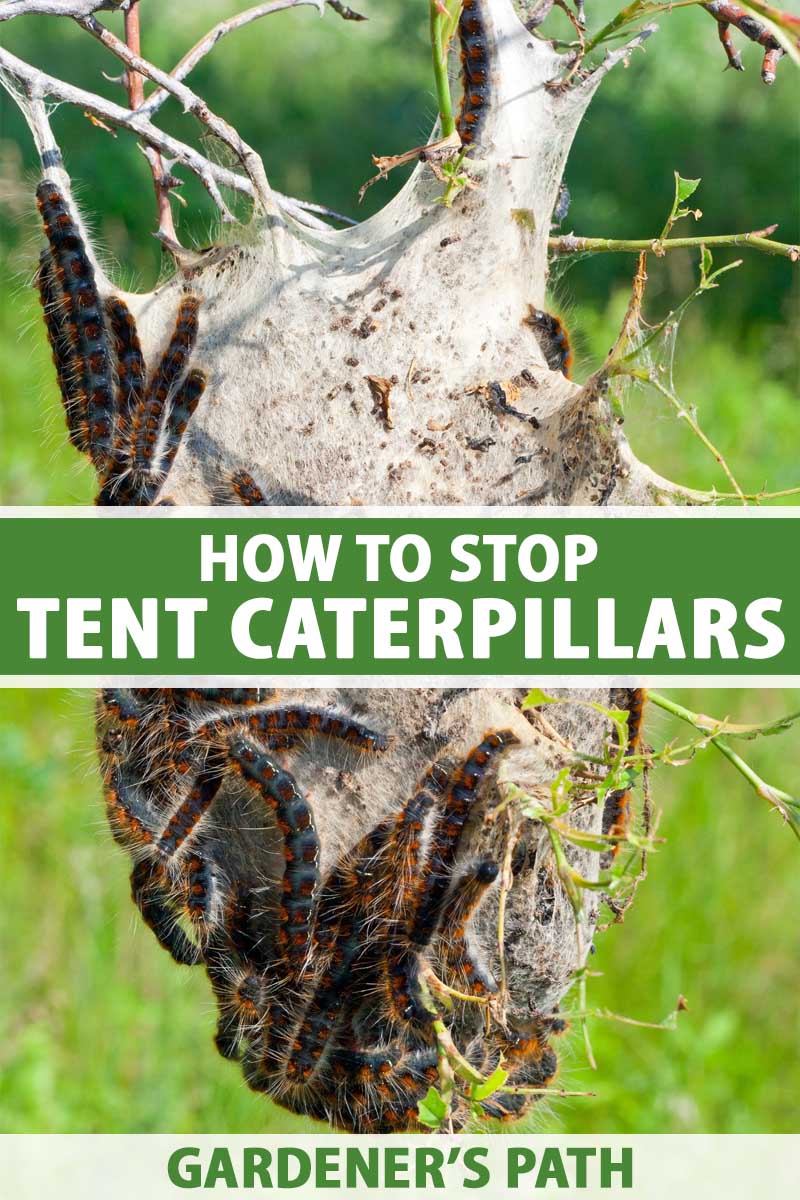
Tent caterpillar nests are white and silky. They form in tree forks or where branches meet. These nests look like small tents or webs. They can be very large, sometimes bigger than a football. They grow as caterpillars eat leaves nearby.
Signs Of Tree Damage
Gypsy moth caterpillars eat many leaves, causing bare branches. Leaves may have holes or look ragged. Trees can lose most leaves quickly. Tent caterpillars also eat leaves but leave some behind. Their damage looks patchy and uneven. Both pests weaken trees over time.
Presence Of Caterpillars
Gypsy moth caterpillars have hairy bodies with blue and red spots. They crawl slowly on tree bark. Tent caterpillars are smoother and dark colored. They move in groups and stay near their nests. Finding caterpillars helps confirm which pest is present.
FAQ: Gypsy Moth Nest Vs Tent Caterpillar
What Is The Main Difference Between Gypsy Moth Nests And Tent Caterpillars?
Gypsy moth nests are dense and silk-covered; tent caterpillar nests are loose and web-like.
Where Do Gypsy Moths And Tent Caterpillars Build Their Nests?
Gypsy moths build nests on tree trunks; tent caterpillars prefer tree branches.
How Do Gypsy Moth Nests Affect Trees Differently Than Tent Caterpillars?
Gypsy moths cause severe defoliation; tent caterpillars usually cause less damage.
Can You Control Gypsy Moth Nests And Tent Caterpillars The Same Way?
No, control methods differ due to their nest location and life cycle.
When Is The Best Time To Remove Gypsy Moth And Tent Caterpillar Nests?
Early spring, before larvae hatch, is the best time to remove both nests.
Conclusion
Gypsy moth nests and tent caterpillar tents both affect trees differently. Gypsy moth nests look rough and hang on tree trunks. Tent caterpillar tents are smooth and found in branches. Both insects can harm trees by eating leaves. Knowing their differences helps protect your garden or yard.
Watch trees closely during spring and summer. Early action can stop damage from spreading. Simple steps like removing nests can save trees. Stay alert and keep your trees healthy year-round.