
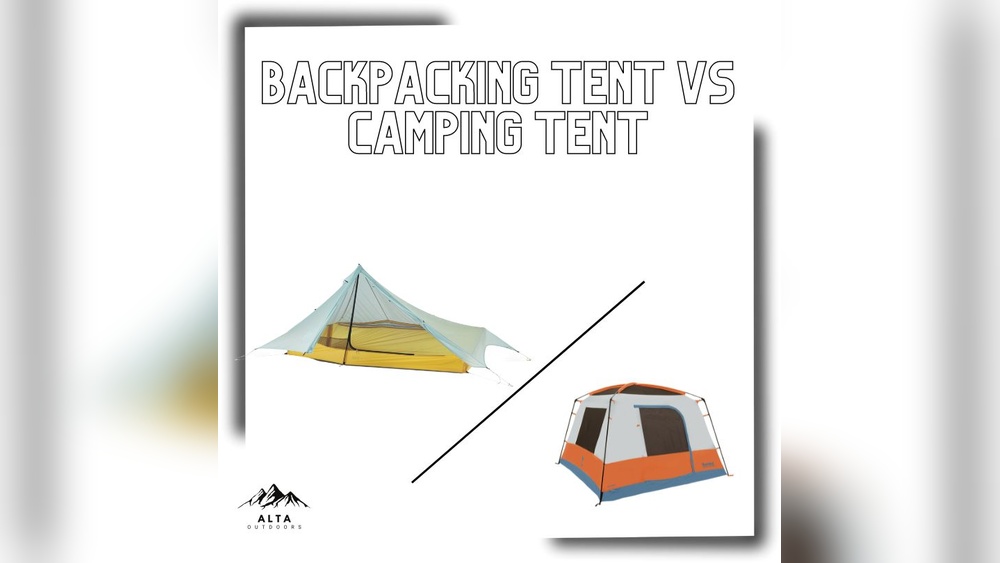
Choosing the right tent can make or break your outdoor adventure. You might be wondering: Should you go for a backpacking tent or a camping tent?
The answer isn’t always clear, but it’s crucial for your comfort, weight, and overall experience. This guide will help you understand the key differences so you can pick the perfect shelter for your next trip. Keep reading—your ideal tent is closer than you think.
Table of Contents
Key Differences
Backpacking tents and camping tents both serve to keep you safe outdoors. Yet, they differ in important ways. Understanding these differences helps you pick the right tent for your trip.
Each type suits different needs. Backpacking tents focus on lightness and compact size. Camping tents prioritize space and comfort.
Backpacking tents are very light. They use thin materials to keep weight low. This makes them easy to carry for long hikes. Camping tents are heavier. They have thicker fabrics and bigger poles. Carrying them is easier by car, not on foot.
Size And Space
Backpacking tents are small and snug. They fit one to two people. Space inside is limited to save weight. Camping tents offer more room. They can fit families or groups. More headroom and floor space make camping tents comfortable.
Setup And Durability
Backpacking tents often use simple, fast setups. You can pitch them quickly after a long walk. They are made for moderate weather. Camping tents take longer to set up. They use stronger poles and heavier fabric. These tents stand up well to wind and rain.
Cost And Materials
Backpacking tents use expensive, lightweight materials. This raises the price. Camping tents are usually cheaper. They use heavier, less costly fabrics. The price reflects the tent’s durability and size.
Weight And Portability
Weight and portability are key factors when choosing a tent for your outdoor trip. The tent you carry affects your comfort and ease on the trail. A heavy tent can slow you down and cause fatigue. A light tent makes travel easier and saves energy. Portability means how easy it is to carry and pack the tent. Both weight and portability depend on the tent type and design.
Backpacking Tent Weight
Backpacking tents are made to be very light. Most weigh between 2 to 5 pounds. These tents use lightweight materials like thin nylon and aluminum poles. The goal is to keep the load small for long hikes. Carrying less weight helps you move faster and farther. Backpacking tents often have fewer features to save weight.
Camping Tent Weight
Camping tents are usually heavier than backpacking tents. They weigh from 5 to 15 pounds or more. These tents use thicker fabric and stronger poles. The weight makes them more durable and stable. Camping tents have more space and extra features. They are better suited for car camping where weight matters less.
Portability Of Backpacking Tents
Backpacking tents pack down small for easy carrying. They fit inside a compact stuff sack. This makes it simple to attach them to a backpack. Their design focuses on minimal bulk. You can carry other gear comfortably along with the tent. Portability is a top priority for backpackers.
Portability Of Camping Tents
Camping tents are bulkier and harder to carry for long distances. They come in larger bags that take more space. These tents fit well in a car but not in a backpack. Portability is less important for camping tents. They focus more on comfort and size than on weight and pack size.
Durability And Materials
Durability and materials play a big role in choosing the right tent. They affect how well the tent holds up in different weather and how long it lasts. Backpacking tents and camping tents use different materials to meet their specific needs.
Backpacking Tent Materials
Backpacking tents use lightweight fabrics to save weight. Nylon and polyester are common. These materials are strong but thin. They often have a waterproof coating to keep you dry. The poles are usually made from aluminum or carbon fiber. These poles are light and strong, perfect for carrying on long hikes.
Camping Tent Materials
Camping tents use thicker fabrics for extra strength. They often use heavy-duty polyester or canvas. These materials handle wind and rain well. The poles are usually steel or fiberglass. These poles add stability but weigh more. Camping tents focus on comfort and durability over weight.
Durability Differences
Backpacking tents balance durability with light weight. They resist tears but need careful handling. Camping tents are tougher and last longer in rough use. Their heavy materials resist damage better. Expect camping tents to withstand strong winds and rough ground.
Credit: www.reddit.com
Setup And Design
Setup and design are key factors in choosing a tent. They affect how easy it is to use and how well it fits your needs. Both backpacking tents and camping tents have unique features in these areas. Understanding these differences helps you pick the right one for your adventure.
Backpacking Tent Setup
Backpacking tents are made for quick and simple setup. They often use fewer poles and lighter materials. This makes pitching the tent faster and easier. Many backpacking tents have color-coded poles to help you assemble them correctly. The compact design saves space in your backpack.
Camping Tent Setup
Camping tents tend to be larger and heavier. They may take more time to set up. These tents often have multiple poles and stakes for stability. The extra effort is worth it for comfort and roominess. Some camping tents include features like awnings or multiple rooms.
Design Differences
Backpacking tents focus on being lightweight and compact. They use materials that balance strength with low weight. The design usually limits space to save weight. Camping tents prioritize space and comfort over weight. They offer more headroom and larger floor areas. Designs often include more windows and ventilation options.
Weather Resistance
Weather resistance is a key factor when choosing a tent for outdoor adventures. It affects comfort and safety during your stay. Both backpacking tents and camping tents offer protection, but their designs differ in handling weather conditions.
Understanding how each tent type stands up to rain, wind, and cold helps you pick the right gear for your trip.
Backpacking Tent Weather Resistance
Backpacking tents focus on being lightweight and compact. They use strong, water-resistant fabrics to keep rain out. Their shape is often aerodynamic to reduce wind impact. Some have full rain flies for extra protection. The materials balance between weight and durability.
They work well in mild to moderate weather. Heavy storms may challenge their limits. Still, good-quality backpacking tents handle most conditions on the trail.
Camping Tent Weather Resistance
Camping tents are usually larger and heavier. They use thicker fabrics and stronger poles. This makes them more stable in strong winds and heavy rain. Many have full coverage rain flies and sealed seams. Their design focuses on comfort and space along with weather defense.
These tents suit longer stays and harsher weather. They offer better protection in storms compared to backpacking tents.
Comparing Weather Resistance Features
Backpacking tents prioritize lightness, sometimes sacrificing extreme weather strength. Camping tents trade portability for stronger weather protection. Look at fabric waterproof ratings and pole strength. Check for features like taped seams and ventilation. These improve weather resistance in both types.
Your choice depends on the environment and your plans. Both tents provide shelter but differ in weather readiness.

Credit: mountainhouse.com
Space And Comfort
Space and comfort are important when choosing a tent. They affect how you rest and move inside. Different tents offer different room and ease. Understanding these differences helps pick the right tent for your trip.
Backpacking Tent Space
Backpacking tents are small and light. They fit one or two people. Space is tight to save weight and size. You can store only a few items inside. Moving around is limited. These tents focus on carrying ease over room.
Camping Tent Space
Camping tents offer more room. They can fit families or groups. Space inside allows standing and walking. You can keep gear and bags inside. These tents suit longer stays or base camps. Roomy interiors add to comfort outdoors.
Comfort In Backpacking Tents
Backpacking tents give basic comfort. They protect from wind and rain. Lightweight materials may feel less sturdy. Ventilation is often minimal to keep weight low. The focus is on shelter rather than luxury. Good for short trips and fast moves.
Comfort In Camping Tents
Camping tents provide greater comfort. They have stronger poles and thicker fabric. More ventilation options reduce moisture inside. Some have extra features like dividers and windows. These tents feel more like a small room. Ideal for relaxing and longer stays.
Price And Value
Price and value matter a lot when choosing between a backpacking tent and a camping tent. You want the best gear for your money. Both types of tents have different costs and benefits. Understanding these can help you decide which tent fits your budget and needs.
Backpacking Tent Cost
Backpacking tents usually cost more than camping tents. They use lightweight, strong materials. This helps keep your pack light on long trips. The design is compact and easy to carry. These features add to the price. Expect to spend more for a good backpacking tent.
Camping Tent Cost
Camping tents are generally cheaper than backpacking tents. They use heavier materials and larger poles. This makes them less portable but more spacious. You pay less because weight is not a big concern. Camping tents offer more room for families or groups.
Value For Money
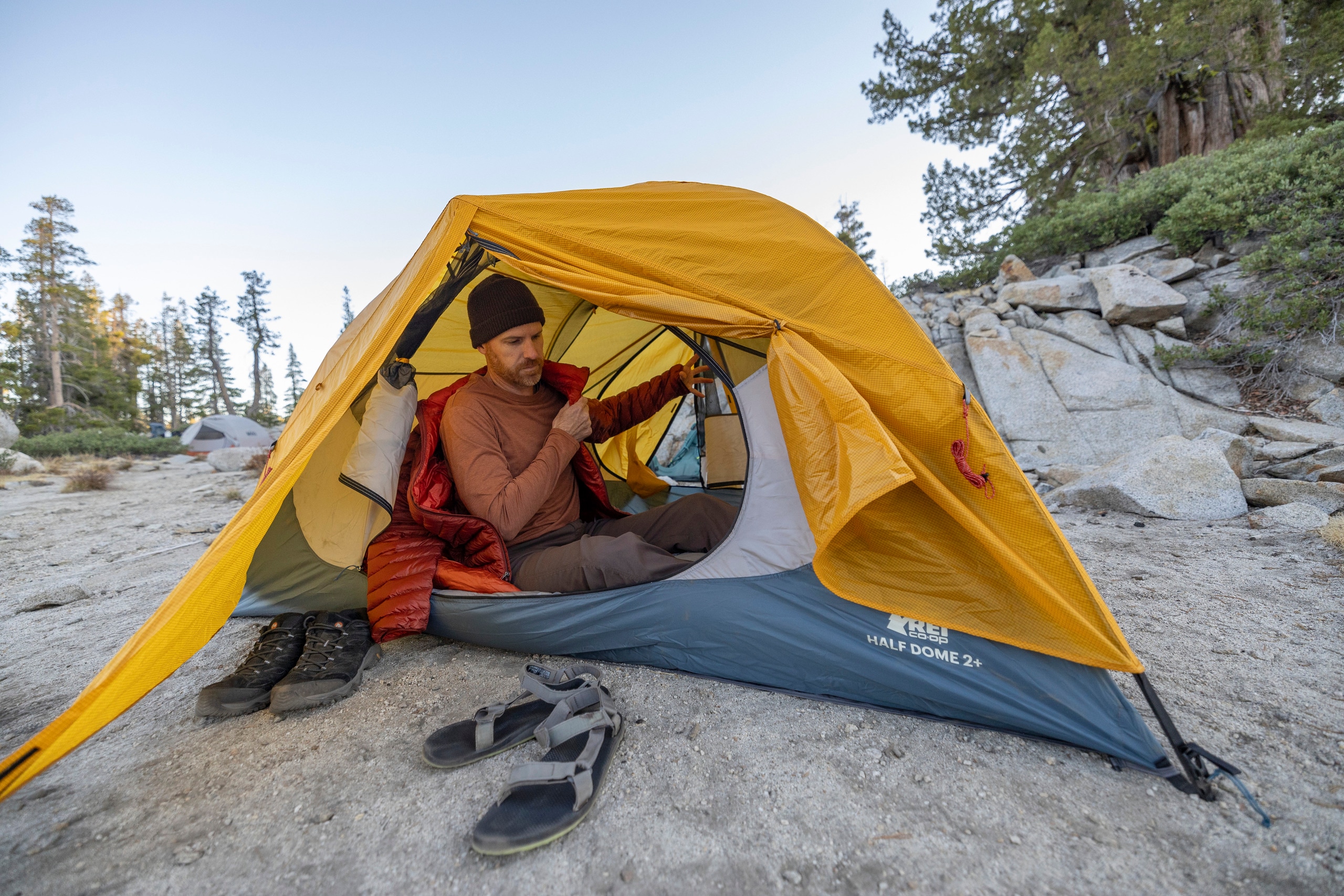
Backpacking tents give great value for hikers who move fast. They save your energy by being light and quick to set up. Camping tents offer value with comfort and space. They are perfect for car camping or short hikes. Choose based on your trip style and budget.
Credit: www.rei.com
FAQ: Backpacking Tent Vs Camping Tent
What Is The Main Difference Between Backpacking And Camping Tents?
Backpacking tents are lighter and smaller, designed for easy carrying. Camping tents are bigger and heavier for comfort.
Which Tent Is Better For Long Hiking Trips?
Backpacking tents suit long hikes due to their light weight and compact size.
Can Camping Tents Be Used For Backpacking?
Camping tents are usually too heavy and bulky for backpacking trips.
How Does Tent Weight Affect Outdoor Trips?
Lighter tents reduce load and make walking easier, especially on long trips.
What Factors To Consider When Choosing Between The Two Tents?
Consider weight, size, weather protection, and how long you will stay outdoors.
Conclusion
Choosing between a backpacking tent and a camping tent depends on your trip needs. Backpacking tents are light and easy to carry. Camping tents offer more space and comfort. Think about how far you will hike and what weather you expect.
Also, consider how many people will use the tent. Both types have strengths for different adventures. Pick the tent that fits your plans and style. This way, your outdoor experience will be safe and enjoyable.