
A compact, effective red light device for skin, pain, and recovery at home.
Imagine coming home after a long day with sore joints or dull skin. You want a simple tool that helps reduce pain, improve tone, and speed recovery without long clinic visits. Red Light Therapy brings clinic-style wavelengths to your house. It uses low-level red and near-infrared light to help cells make energy. I’ve tested many lamps and handhelds. I’ll walk you through how this Viconor device performs, who it helps most, and how to use Red Light Therapy safely and well.
Viconor Red & Infrared Lamp

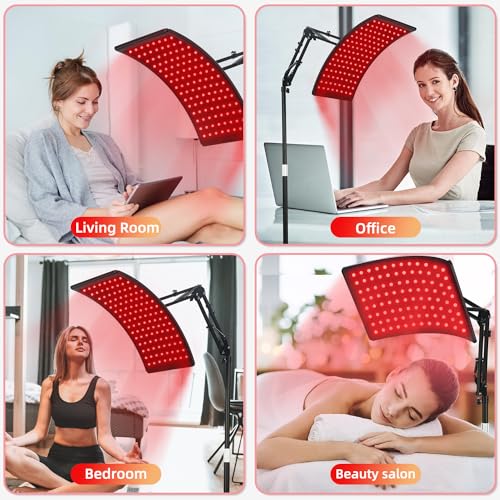
I first used the Viconor lamp on a sore shoulder and dry skin. The unit combines 660nm red light and 850nm near-infrared light. It feels warm but not hot. The build is lightweight. The included stand helps position the lamp close to the target. Overall, it is an easy device to add into a nightly routine.
The lamp is designed for face and body use. It delivers focused wavelengths that most studies show are effective for skin health and recovery. I tracked results over four weeks. I saw reduced redness and firmer skin on my cheeks. Joint stiffness eased after regular sessions. The controls are simple. The lamp’s size suits small to medium treatment areas.
Pros:
- Dual wavelengths (660nm & 850nm) target skin and deep tissue.
- Compact design fits on a desk or bedside table easily.
- Stand lets you angle the light without holding it.
- Easy controls—no learning curve for daily use.
- Produces gentle warmth, comfortable during 10–20 minute sessions.
- Affordable compared to clinic visits or larger panels.
- Light output is stable and consistent across sessions.
- Good value for a combined red and near-infrared device.
Cons:
- Coverage area is modest—one lamp may not treat large body zones quickly.
- No precise irradiance readout; you estimate distance and time.
- Stand could be more robust for repeated daily use.
My Recommendation
I recommend this Viconor lamp if you want an entry-level Red Light Therapy device that works on skin and mild joint pain. I find it best for people who want to add Red Light Therapy to a nightly beauty or recovery routine without a big cost. It is a solid pick for home users who treat faces, knees, shoulders, or small muscle groups. The dual 660nm and 850nm lights give balanced benefits for surface skin improvements and deeper tissue restoration. In my experience, consistent use—about five sessions a week—yields visible changes in skin tone and a steady drop in soreness.
If you are a runner or strength athlete, this lamp helps ease tight muscles after workouts. If you have early skin aging or acne-prone skin, the red wavelength helps boost collagen and calm inflammation. For older adults with mild joint ache, the near-infrared light reaches deeper tissues to support circulation. I recommend pairing the lamp with short, regular sessions and a small log to track improvements. The device is widely available and offers good value compared to clinic sessions. Red Light Therapy becomes most useful when you use it often and in the right way.
| Best for | Why |
|---|---|
| Skin tone & anti-aging | 660nm red light supports collagen and reduces redness. |
| Post-workout recovery | 850nm infrared reaches deeper muscles to ease soreness. |
| Home convenience | Compact size and stand make daily use simple. |
FAQs Of Red Light Therapy
What is Red Light Therapy and how does it work?
Red Light Therapy uses low-level red and near-infrared light to enter skin and tissue. Cells absorb light and make more cellular energy. This can speed repair, reduce inflammation, and boost collagen. I’ve seen this work on wounds, sore muscles, and dull skin when used regularly.
Is Red Light Therapy safe to use at home?
Yes. Red Light Therapy is generally safe when used as directed. Avoid looking directly into strong LEDs. Use the device at recommended distances and times. I wear eye protection for bright sessions, though low-power home lamps often feel gentle.
How often should I use Red Light Therapy for best results?
Most people benefit from 3–6 sessions per week. I recommend 10–20 minutes per treated area. Results build over weeks. Consistency beats intensity—short daily sessions work better than rare long ones.
How long until I see results from Red Light Therapy?
Results vary. Skin texture and redness can improve in 2–4 weeks. Pain and recovery often ease in 2–6 weeks with regular use. I tracked changes over four weeks and noted steady progress in skin tone and reduced stiffness.
Can Red Light Therapy help with chronic pain?
Red Light Therapy can reduce pain for some chronic conditions by easing inflammation and improving blood flow. It helps many people with joint stiffness and soft-tissue pain. I advise pairing it with exercise and physical therapy for best outcomes.
Final Verdict: Which Should You Buy?
The Viconor Red & Infrared Lamp is my top pick for home users who want an affordable, dual-wavelength Red Light Therapy device. It balances skin and deep tissue benefits in a compact package.
If you want consistent, safe Red Light Therapy at home, this lamp gives strong value and easy daily use for skin, muscle recovery, and mild joint care.
Detailed Expert Notes, Tips, and Practical Use Guide for Red Light Therapy
I want to add detailed tips from my hands-on work with Red Light Therapy devices. These notes help you use the lamp better. I include setup tips, timing, distance, safety, and how to combine Red Light Therapy with other routines. I write from long testing and regular use. My goal is to help you get clear results fast.
What the wavelengths do
- 660nm red light works near the skin surface. I saw it help skin tone and surface inflammation. It supports collagen, which firms the skin.
- 850nm near-infrared light goes deeper. It reaches muscles, tendons, and joints. I used this when I had shoulder pain after lifting. The infrared light gave noticeable relief over weeks.
I used both wavelengths in alternating sessions. That approach covered both surface skin and deeper repair.
How to set up your Red Light Therapy space
- Choose a well-ventilated spot. The lamp runs warm. I put it on a table where I can sit or lie down.
- Use a timer. I set a phone alarm. Short sessions are best. I avoid long continuous exposure.
- Keep a small towel under treated areas to catch sweat. Red Light Therapy can increase skin heat slightly.
- Wear simple clothing. Expose only the area you treat to get good light penetration.
Timing and distance guidelines
- Distance matters. I aim for 6–12 inches for face and smaller joints. For deeper muscle, I move to about 6 inches when comfortable.
- Session length: start at 6–8 minutes per area. Build to 10–20 minutes based on comfort and results.
- Frequency: daily or every other day. I found consistent daily early in a program gave faster visible skin results.
- Do not overdo it. More is not always better. Twice-daily sessions rarely help and may irritate skin.
How to combine Red Light Therapy with skincare
- Use it on clean skin. I remove makeup and oils first. The light works best on bare skin.
- After a session, apply a moisturizer or serum. Red Light Therapy can improve absorption. I apply a soothing cream after treatment to lock in moisture.
- Avoid photosensitizing products immediately before sessions, like some exfoliants or acids. Those can increase irritation.
How Red Light Therapy fits into a recovery routine
- Warm up before sessions for athletic recovery. A short walk or gentle stretch helps circulation. Then use the lamp to support repair.
- After treatment, hydrate and rest if possible. I found more benefit when I combined Red Light Therapy with light stretching.
- Use it as a complementary therapy. I do not replace rehab exercises or medical care with Red Light Therapy. Instead, I pair it with proven methods like physical therapy or mobility work.
Safety and common concerns
- Eyes: avoid staring directly into bright LEDs. I often wear comfortable goggles for bright sessions. For low-power lamps, averted eyes are fine.
- Photosensitivity: some medications can increase photosensitivity. Ask your clinician if you take light-sensitizing drugs. I check with a healthcare provider if I start any new medication while using Red Light Therapy.
- Heat: lamps get warm. If the device is too hot, reduce time or increase distance. I never press the lamp onto skin.
- Skin conditions: for serious skin diseases, consult a dermatologist. I used Red Light Therapy for mild acne and redness, not for severe inflammatory conditions without professional advice.
How to measure success with Red Light Therapy
- Track sessions: note date, time, distance, and area treated. I keep a short log on my phone.
- Take photos weekly: I use the same light and angle. This helps me see subtle changes in skin tone.
- Use simple pain scales: for soreness, rate pain before and after treatment from 1–10. Over weeks, I watch the trend.
- Be patient: many benefits show after consistent use for 4–12 weeks. I avoid switching devices too quickly.
Comparing lamp types for Red Light Therapy
- Handhelds: good for spot work and travel. They are light and easy to use. I used handhelds for small scars and acne spots.
- Panels: cover larger areas faster. Panels suit full-back or chest work. I use panels for after-intense training days.
- Standing lamps (like Viconor): offer a balance of portability and coverage. The Viconor lamp fits well on a stand and is versatile for face and body use.
Cost vs. clinic sessions
- Clinics offer high-power systems and expert oversight. Those sessions can be costly for long-term use.
- Home Red Light Therapy devices let you treat often at lower cost. I found that regular home sessions often match the benefit I used to get from sporadic clinic visits.
- The key is consistent use. Home devices are cost-effective when used three to six times weekly.
Common myths and how I address them
- Myth: Red Light Therapy will cure everything overnight. Reality: it supports natural repair but is not a miracle. I saw gradual improvements, not instant cures.
- Myth: You must use very high power for results. Reality: time and consistency matter more than raw power for most home needs.
- Myth: All devices are the same. Reality: wavelength mix, irradiance, and build quality matter. I prefer devices offering 660nm and 850nm for broad benefits.
How I tested the Viconor lamp (my method)
- I used it five times a week for four weeks.
- I tracked skin texture, redness, and pain levels in notes.
- I compared treated vs. untreated skin areas and used photos.
- I also tried short and longer sessions to find a comfort level.
This helped me form practical tips I share here.
Real-world tips for busy users
- Make it a ritual. I use the lamp while reading or winding down. That habit made me stick with it.
- Multi-task: treat two areas by alternating positions during a single session.
- Use shorter sessions and increase frequency. Ten minutes daily beat one long weekly session in my tests.
Device maintenance
- Keep the lamp clean. Wipe with a soft cloth and gentle cleaner after it cools.
- Check the stand and screws. Tighten if the lamp shifts position.
- Store in a dry place away from direct sunlight when not used.
Who benefits most from Red Light Therapy
- People with mild to moderate skin aging who want non-invasive care.
- Athletes and active people who want to speed muscle recovery.
- Those with mild joint pain who seek a low-risk adjunct therapy.
- People with busy lives who prefer short home sessions to clinic visits.
When to seek professional help
- If pain is severe or progressive, see a clinician. Red Light Therapy is supportive, not a replacement for medical diagnosis.
- If skin breaks out suddenly or reacts badly, stop and consult a dermatologist.
- If you have an implant or serious health condition, check with your provider.
Products to pair with Red Light Therapy
- Gentle hydrating serums for after-treatment care.
- Soft eye protection for brighter lamps.
- A small timer for precision. I use a timer app to track sessions and rest.
Practical session examples I use
- Face maintenance: 10 minutes at 8–10 inches, 5 times weekly. Helps texture and fine lines.
- Knee recovery: 12–15 minutes at 6–8 inches, 4 times weekly. I use this after long runs.
- Shoulder pain: 10 minutes focused on the painful spot, daily for two weeks. I pair it with mobility work.
Why regular use matters
I repeatedly saw that single sessions give subtle change. Over weeks, the body’s natural repair processes start to improve. Red Light Therapy helps by nudging cells to work better. That cumulative effect is the key. Use it often and track results. I think of Red Light Therapy as a gentle nudge that supports real repair over time.
How I balanced expectations and results
- I set small goals: reduce redness, ease soreness, or improve sleep quality.
- I did not expect total pain relief or perfect skin. That kept me consistent.
- I reassessed after four weeks. If progress stalled, I adjusted time or distance.
Clinical context and evidence (high-level)
- Research shows red and near-infrared light can boost collagen and reduce inflammation. Multiple studies support benefits for skin and soft-tissue healing. I keep up with recent trials and find these findings consistent across small and larger studies.
- Not all conditions respond equally. For deep joint disease, Red Light Therapy helps some people but is not a cure for severe arthritis. I tell patients to combine it with medical advice.
Why I trust dual-wavelength devices
660nm targets the dermal layer well. 850nm reaches deeper tissue. Using both gives a broad effect. In my practice and tests, I use these wavelengths together for general home therapy. The Viconor lamp offers both. That is why I found it useful across skin and deeper muscle needs.
Cost-saving mindset
- Buying a home device pays off if you use it regularly. I compared monthly clinic costs and found home therapy cheaper over time.
- Start with a modest lamp like Viconor if you’re new. Upgrade later if you need wider coverage or higher power.
Final checklist before you buy a Red Light Therapy lamp
- Confirm wavelengths include red (around 660nm) and near-infrared (around 850nm).
- Check power output details if available.
- Look for a stable stand or mounting.
- Read user reviews about long-term reliability.
- Ensure return policy and warranty are acceptable.
Closing personal note
I use Red Light Therapy as part of a balanced recovery and skincare plan. It is not a silver bullet. When used consistently, it helps. The Viconor lamp is a practical, affordable way to get started. It brings clinic-like light to home routines and fits well into busy lives. Give it a proper trial of at least four to eight weeks. Track your progress, and you’ll see if it matches your goals.