

Your hammock is your personal retreat—a place to relax, unwind, and enjoy the outdoors. But over time, dirt, dust, and even stains can build up, making it less inviting.
You might wonder, “How do I clean my hammock without damaging it? ” The good news is, cleaning your hammock doesn’t have to be a hassle. With the right steps, you can restore its comfort and keep it looking fresh.
Keep reading, and you’ll discover simple, effective ways to clean your hammock so it feels like new every time you use it.
Table of Contents
Choosing The Right Time To Clean
Choosing the right time to clean a hammock helps keep it in good shape. Cleaning at the best moment prevents damage and makes the process easier. Picking the right time also saves effort and keeps the hammock fresh longer.
Check The Weather Forecast
Pick a dry day with no rain in sight. Wet weather can slow drying and cause mildew. Sunlight helps dry the hammock faster and kills germs.
Clean After Heavy Use
After many uses, dirt and sweat build up quickly. Cleaning soon after heavy use keeps the fabric fresh. It stops stains from setting in and smells from developing.
Avoid Cleaning In Extreme Heat
Do not clean during very hot hours. High heat can harm some hammock materials. Morning or late afternoon are better times for cleaning.
Consider Seasonal Changes
Clean the hammock before storing it for winter. Dirt and moisture can cause damage during cold months. Spring cleaning prepares it for a new season of use.
Gathering Cleaning Supplies
Gathering the right cleaning supplies makes hammock care easy. This step ensures the hammock stays fresh and lasts longer. Simple items clean dirt, stains, and mildew without damage. Prepare these supplies before starting to save time and effort.
Cleaning Solution
Choose a gentle soap or mild detergent. Avoid harsh chemicals that can weaken fabric fibers. Mix soap with warm water for best results. This solution removes dirt and grime effectively.
Soft Brush Or Sponge
Use a soft brush or sponge to scrub the hammock. These tools clean without hurting fabric or threads. A brush with soft bristles is perfect for stubborn stains. A sponge works well for delicate areas.
Bucket Or Large Container
A bucket or container holds the cleaning solution. It helps soak the hammock if needed. Choose a size that fits your hammock comfortably. This allows even cleaning and easy rinsing.
Garden Hose Or Spray Bottle
Rinse the hammock with a garden hose or spray bottle. Water removes soap and loosened dirt quickly. A gentle spray prevents fabric damage. Ensure all soap is washed away to avoid residue.
Drying Area
Prepare a clean, dry space to hang the hammock after cleaning. Good airflow helps it dry fast and prevents mildew. Choose a shaded spot to protect fabric from sun damage.
Inspecting The Hammock For Damage
Before cleaning a hammock, check it for any damage. This step ensures safety and helps avoid further wear. A careful inspection can spot weak spots early. It also guides the right cleaning method.
Check For Tears And Holes
Look closely at the fabric for rips or holes. Small tears can grow bigger if not fixed. Run your hand over the surface to feel any thin areas. Mark the damaged spots to treat later.
Examine The Ropes And Straps
Inspect the ropes or straps holding the hammock. They should be strong and free from frays. Pay attention to knots and connection points. Weak ropes can break and cause accidents.
Look For Mold Or Mildew
Check for dark spots or a musty smell. These signs show mold or mildew growth. Mold can damage fabric and cause health problems. Cleaning is necessary to remove these safely.
Test The Hardware
Check metal hooks, rings, or carabiners for rust or damage. Rust weakens the hardware and may break under weight. Replace any rusty or broken parts before use. Safe hardware keeps the hammock secure.
Credit: www.hgtv.com
Removing Loose Dirt And Debris
Removing loose dirt and debris is the first step in cleaning a hammock. Dirt can come from dust, leaves, or small twigs. Clearing this dirt helps keep the fabric fresh and ready for washing.
Start by laying the hammock flat or hanging it in a place where you can reach all parts. This makes it easier to remove loose particles without damaging the material.
Use A Soft Brush Or Broom
Gently sweep the hammock with a soft brush or broom. This removes dust and small debris trapped in the fabric. Avoid hard brushes that can tear the fibers.
Shake The Hammock Outdoors
Hold the hammock at both ends and shake it firmly. This knocks off loose dirt and leaves stuck between the threads. Do this outside to avoid spreading dirt inside your home.
Vacuum The Fabric
Use a vacuum cleaner with a brush attachment. Lightly run it over the hammock to pick up dirt and small debris. This method works well for hammocks with tight weaves.
Inspect And Remove Stuck Debris By Hand
Look closely for any stuck leaves or twigs. Pull them off carefully by hand to avoid damaging the fabric. Check seams and knots where debris often hides.
Hand Washing Techniques
Hand washing a hammock is a gentle way to keep it clean and fresh. This method helps protect the fabric and maintains its strength. It works well for most hammock types, especially those made of cotton or delicate materials.
Preparing and washing your hammock by hand takes a few simple steps. These steps make sure dirt and stains come off without damage. Here is how to do it properly.
Gathering Supplies For Hand Washing
Start by collecting mild detergent, a soft brush, a large basin, or a clean tub. Use cold or lukewarm water to avoid shrinking. Avoid harsh chemicals or bleach that can weaken the fibers.
Before washing, shake the hammock outdoors to remove dust and leaves. Use a soft brush to gently sweep off any stubborn dirt. This step prevents dirt from spreading in the water.
Soaking The Hammock
Fill the basin with water and mix in detergent. Submerge the hammock fully and let it soak for 15 to 30 minutes. Soaking loosens dirt and softens stains for easier cleaning.
Gently Scrubbing Stains
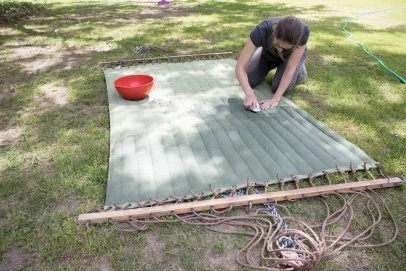
Use the soft brush to rub stained areas lightly. Focus on spots with visible dirt or grime. Avoid scrubbing hard to protect the fabric’s fibers and colors.
Rinsing Thoroughly
Drain the soapy water and refill with clean water. Swish the hammock gently to remove all soap. Repeat rinsing until no bubbles remain to prevent residue buildup.
Drying The Hammock Properly
Lay the hammock flat or hang it in a shaded area to dry. Avoid direct sunlight to prevent fading. Make sure it dries fully before storing to stop mildew growth.

Credit: www.youtube.com
Machine Washing Tips
Machine washing a hammock can save time and effort. It also helps keep the fabric clean and fresh. Follow simple steps for safe washing without damage. Know the right settings and preparation tips before starting.
Check The Label For Washing Instructions
Read the hammock’s care label carefully. It shows if machine washing is safe. Some hammocks need hand washing only. Follow the recommended water temperature and cycle type.
Remove Accessories And Shake Out Debris
Take off ropes, carabiners, and spreader bars. Shake the hammock gently to remove leaves and dirt. This stops damage to the washing machine and hammock.
Use A Gentle Cycle With Cold Water
Select the gentle or delicate cycle on your machine. Use cold water to avoid shrinking or fading. Harsh cycles can weaken the fabric and shorten its life.
Choose Mild Detergent Only
Use a mild detergent without bleach or fabric softeners. Harsh chemicals can break down the hammock fibers. Mild soap cleans well and keeps colors bright.
Place Hammock In A Laundry Bag
Put the hammock inside a large laundry bag or pillowcase. This protects the fabric from tangling or tearing. It also keeps the washing machine safe from damage.
Avoid Using The Dryer
Do not put the hammock in the dryer. Heat can shrink or damage the fabric. Air dry by hanging it in a shaded, well-ventilated spot for best results.
Drying Your Hammock Safely
Drying your hammock safely is key to keeping it strong and clean. A hammock that dries the right way lasts longer and feels great to use. Wet hammocks can get moldy or weak if not dried well. Take your time to dry it carefully after washing or rain.
Use gentle drying methods to protect the fabric and ropes. Avoid harsh heat that can damage the material. Let air do the work. Find the best spot to hang your hammock for drying.
Choose A Shaded Area For Drying
Pick a place out of direct sunlight. Bright sun can fade colors and weaken fabric. A shaded area keeps the hammock safe and fresh. Good airflow helps the hammock dry faster.
Hang Your Hammock Properly
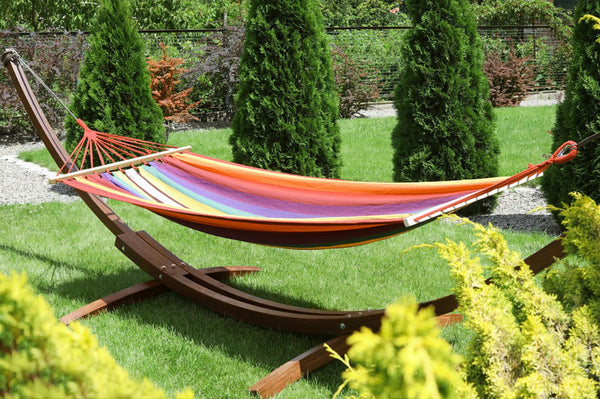
Spread the hammock evenly on a clothesline or between two trees. Avoid bunching or folding it. This prevents creases and helps air reach all parts. Make sure it hangs loose enough to allow airflow.
Avoid Using Dryers Or Heat Sources
Skip the dryer or any heating tool. Heat can shrink or ruin the fabric. It can also melt synthetic ropes. Air drying keeps the hammock soft and strong.
Check For Complete Dryness Before Storing
Touch the hammock to see if it’s fully dry. Damp spots can cause mold and smell. Wait longer if needed. Store only when completely dry to keep it fresh and safe.
Credit: www.hammockuniverse.com
Preventing Mold And Mildew
Mold and mildew can quickly damage your hammock. They grow in damp and warm places. Preventing them keeps your hammock fresh and safe to use. Clean and dry your hammock often to stop mold and mildew growth.
Choose A Dry Spot For Hanging
Pick a place with good air flow. Avoid spots that stay wet or shaded all day. Sunlight helps keep mold away. A dry location stops moisture from building up.
Dry Your Hammock After Use
Always dry your hammock before storing it. Shake off water and hang it in the sun. Make sure it is completely dry. Moisture left on fabric invites mold and mildew.
Use A Protective Cover
Cover your hammock with a waterproof cloth. This stops rain and dew from soaking it. Covers also protect from dirt and dust. Remove the cover to air out your hammock regularly.
Clean Regularly With Mild Soap
Wash your hammock gently every few weeks. Use mild soap and cool water. Avoid harsh chemicals that can harm fabric. Clean fabric helps prevent mold spores from growing.
Store Properly During Wet Seasons
Take your hammock down during long wet periods. Store it in a dry, ventilated area. Avoid plastic bags that trap moisture. Proper storage reduces mold and mildew risks.
Maintaining Cleanliness Between Washes
Keeping your hammock clean between washes helps it last longer and stay fresh. Dirt, dust, and sweat can build up over time. Regular care stops stains and odors from settling in. This way, your hammock stays inviting and comfy for every use.
Shake Off Dirt And Debris
Start by giving your hammock a good shake. This removes loose dirt, leaves, and dust. Doing this after each use keeps grime from building up. It also makes deep cleaning easier and faster.
Spot Clean Stains Quickly
Use a damp cloth with mild soap to clean spots. Gently rub the stained area right away. Quick action prevents stains from soaking into the fabric. Avoid harsh chemicals that can damage the material.
Air Out To Prevent Odors
Hang your hammock in the sun or a breezy spot. Fresh air dries moisture and stops mildew. Sunlight helps kill bacteria that cause bad smells. Regular airing keeps your hammock smelling clean and fresh.
Store Properly When Not In Use
Fold your hammock neatly and store it in a dry place. Avoid damp or dirty areas to prevent mold growth. Use a storage bag or container if possible. Proper storage protects your hammock from pests and weather damage.
FAQ: How to Clean a Hammock
How Often Should I Clean My Hammock?
Clean your hammock every few months or after heavy use. Regular cleaning keeps it fresh and prolongs its life.
What Is The Best Way To Clean A Fabric Hammock?
Use mild soap and warm water with a soft brush or cloth. Rinse well and air dry completely before use.
Can I Machine Wash My Hammock Safely?
Most fabric hammocks can be machine washed on gentle cycle. Use cold water and mild detergent, then air dry.
How Do I Remove Mold Or Mildew From A Hammock?
Mix equal parts water and white vinegar to scrub the area. Let it sit, then rinse and dry in the sun.
Should I Remove Hardware Before Washing My Hammock?
Yes, remove metal or wooden parts to avoid damage. Clean the fabric separately to keep all parts in good condition.
Conclusion
Cleaning your hammock keeps it fresh and ready to use. Regular care helps it last longer and stay comfortable. Use gentle soap and avoid harsh chemicals to protect the fabric. Always dry it fully before storing to prevent mold. A clean hammock invites relaxation and fun outdoors.
Small efforts make a big difference in its upkeep. Keep your hammock clean, and enjoy peaceful moments every time. Simple steps ensure your hammock stays in great shape.