

Your hammock is your go-to spot for relaxation, but over time, dirt, sweat, and outdoor grime can build up, making it less comfortable and even unhealthy. You might wonder, “How do I wash my hammock without ruining it?” The good news is, cleaning your hammock is easier than you think.
In this guide, you’ll discover simple, effective steps to freshen up your hammock and keep it feeling like new. Ready to bring back that fresh, cozy vibe? Let’s dive in and make your hammock shine again.
Table of Contents
Choosing The Right Time
Choosing the right time to wash a hammock is key for good results. The weather and your schedule both matter. Washing at the wrong time can cause damage or slow drying.
Plan your wash when the weather is warm and dry. This helps the hammock dry quickly and stay fresh. Avoid washing before rain or cold days to prevent mold and mildew.
Wash On A Sunny Day
Sunlight helps kill germs and dries the hammock fast. Pick a day with clear skies. This stops dampness and keeps the fabric strong.
Choose A Calm Day
Wind can make washing tricky. It may blow dirt back onto the hammock. A calm day helps keep the hammock clean and makes handling easier.
Allow Enough Time To Dry
Drying takes hours. Start washing early in the day. This gives the hammock time to dry before night. A dry hammock lasts longer and feels better.
Gathering Supplies
Gathering the right supplies is the first step to wash your hammock properly. Having everything ready makes the cleaning process easy and fast. It also helps protect your hammock fabric and colors.
Prepare the cleaning area and tools before starting. This avoids interruptions and keeps you organized.
Cleaning Solution
Choose a mild detergent or soap. Avoid strong chemicals or bleach. These can damage the fabric and fade colors.
Soft Brush Or Sponge
Use a soft brush or sponge to scrub gently. This helps remove dirt without hurting the fibers.
Bucket Or Large Tub
Get a bucket or large tub to soak your hammock. This allows deep cleaning and loosens dirt stuck inside.
Water Source
Have clean water ready for rinsing. Fresh water removes soap and dirt fully from the hammock.
Drying Area
Find a clean, shady spot to dry the hammock. Avoid direct sunlight to prevent color fading and fabric damage.
Inspecting The Hammock
Inspecting the hammock is the first step before washing it. This step helps find any damage or dirt that needs special care. A careful check ensures the hammock lasts longer and stays safe to use.
Check For Tears And Holes
Look closely at the fabric for small tears or holes. These can get worse during washing. Fix tiny rips with a needle and thread before cleaning.
Examine The Ropes And Straps
Ropes and straps hold the hammock in place. Check if they are frayed or weak. Replace any worn ropes to avoid accidents.
Spot Mold And Stains
Look for dark spots or mold patches on the fabric. Mold can spread and damage the hammock. Treat stains with gentle soap before washing.
Test The Hardware
Check hooks, rings, and carabiners for rust or damage. Rust can stain the hammock or break under weight. Clean or swap out rusty parts.
Credit: dutchwaregear.com
Removing Loose Debris
Removing loose debris is the first step to wash a hammock properly. Dirt, leaves, and small twigs can stick to the fabric. Cleaning these off prevents stains and damage during washing. It also makes the washing process easier and more effective.
Start by giving your hammock a good shake. This helps drop most loose particles. Doing this outside is best to avoid spreading dirt indoors.
Use A Soft Brush To Sweep Away Dirt
A soft brush can remove dust and small debris gently. Brush along the fabric’s weave. Avoid hard scrubbing to protect the fibers. This step helps clear dirt stuck deep in the fabric.
Vacuum The Hammock For Thorough Cleaning
A vacuum with a brush attachment works well. It pulls out dust and tiny leaves quickly. Vacuum both sides of the hammock. This step reaches dirt brushing might miss.
Spot Check For Stubborn Debris
Look closely at corners and seams. These spots collect more debris. Use tweezers or your fingers to pick out twigs or seeds. Removing these prevents stains and damage later.
Hand Washing Techniques
Hand washing a hammock is a gentle way to keep it clean and fresh. It helps protect the fabric and extend its life. This method is simple and needs only a few tools. You can do it anywhere without special machines.
Follow these easy steps to hand wash your hammock safely and effectively.
Prepare The Hammock For Cleaning
Remove any loose dirt or leaves from the hammock. Shake it gently to get rid of dust. Check for any stains that need extra attention. Untie the hammock from its stand or hooks.
Choose The Right Cleaning Solution
Use mild soap or gentle detergent for washing. Mix it with warm water in a large bucket or basin. Avoid harsh chemicals that can damage the fabric. A simple soap solution is enough to clean well.
Wash The Hammock By Hand
Submerge the hammock in the soapy water. Use a soft brush or cloth to scrub lightly. Focus on dirty or stained areas. Do not scrub too hard to avoid fabric wear. Rinse the hammock thoroughly with clean water.
Dry The Hammock Properly
Hang the hammock in a shaded, well-ventilated area. Avoid direct sunlight to prevent color fading. Let it dry completely before folding or storing. Proper drying stops mold and mildew growth.
Machine Washing Tips
Machine washing a hammock can save time and effort. It cleans the fabric deeply without damaging it. Follow simple steps to keep your hammock fresh and long-lasting.
Prepare Your Hammock
Remove any carabiners or spreader bars. Shake off dirt and leaves. Fold the hammock carefully to fit into the machine.
Choose The Right Detergent
Use mild detergent without bleach. Harsh chemicals can weaken the fabric. Avoid fabric softeners as they leave residue.
Select Gentle Washing Settings
Set the machine to a gentle or delicate cycle. Use cold water to prevent color fading. Avoid heavy spinning to protect the hammock’s shape.
Dry Your Hammock Properly
Air dry the hammock in shade. Avoid direct sunlight to stop color fading. Do not use a dryer as it can damage the fabric.
Drying Methods
Drying a hammock properly keeps it fresh and lasts longer. Wet hammocks can develop mold and bad smells. It is important to choose the right drying method. This helps the fabric stay strong and comfortable.
Air Drying Outdoors
Hang the hammock in a sunny spot. Make sure there is good air flow. Sunlight helps kill bacteria and dries the fabric fast. Avoid placing the hammock on wet grass or dirt. Use a sturdy line or tree branches to hang it.
Drying Indoors
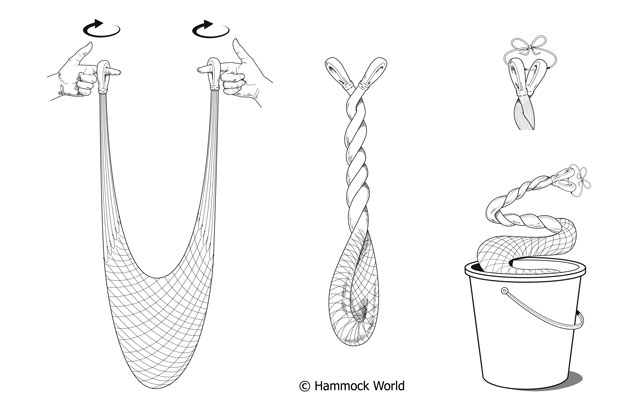
Choose a dry room with space to spread the hammock. Use a drying rack or hang it from hooks. Keep windows open for fresh air. Use a fan to speed up drying if needed. Avoid damp or dark rooms to prevent mold.
Using A Dryer
Check the hammock’s care label first. Some hammocks can go in a dryer on low heat. Use a gentle or air-only cycle. Remove the hammock while still slightly damp. High heat can damage the fabric and ropes.
Credit: www.hammockworld.com.au
Maintaining Fabric Quality
Maintaining fabric quality is key to keeping your hammock strong and comfortable. Clean fabric lasts longer and stays soft. Proper washing protects the fibers from damage and fading. Follow simple steps to care for your hammock fabric.
Choose Gentle Cleaning Methods
Use mild soap and cold water for washing. Harsh detergents can weaken fabric threads. Avoid bleach or strong chemicals that cause discoloration. Hand washing is best to preserve fabric strength.
Dry Hammock Properly
Air dry the hammock in shade to avoid sun damage. Do not use a dryer or direct sunlight. Heat can shrink or weaken the fabric. Make sure it is completely dry before storing.
Store In A Clean, Dry Place
Keep your hammock away from moisture and dirt during storage. Use a breathable bag or cover to protect it. Avoid plastic bags that trap moisture and cause mildew. Proper storage helps maintain fabric quality over time.
Storing Your Hammock
Storing your hammock properly helps keep it clean and lasts longer. Dirt, moisture, and sunlight can damage the fabric over time. A good storage method protects your hammock from these elements.
Always dry the hammock fully before storing. Moisture can cause mold and bad smells. Hang it in a dry spot or lay it flat until it is completely dry.
Choose A Dry And Cool Place
Pick a storage spot away from direct sunlight. Heat and sun can weaken the fabric. A cool, dry closet or garage works well. Avoid damp basements or places with high humidity.
Use A Storage Bag
Many hammocks come with a bag. If not, use a breathable cotton or mesh bag. Avoid plastic bags as they trap moisture. A good bag keeps dust away and lets air flow.
Fold Neatly And Avoid Tight Knots
Fold the hammock gently to avoid creases. Do not tie it in tight knots. This keeps the fabric smooth and prevents damage. Loose folds are best for long-term storage.

Credit: www.hammockuniverse.com
FAQ: How to Wash a Hammock
How Often Should I Wash My Hammock?
Washing your hammock every few months keeps it clean and fresh. If used outdoors often, wash it more frequently to remove dirt and sweat.
Can I Wash A Hammock In A Washing Machine?
Most fabric hammocks can go in a washing machine on a gentle cycle. Use mild detergent and avoid bleach to protect the fabric.
What Is The Best Way To Dry A Hammock?
Air drying is best for hammocks to avoid damage. Hang it in a shaded area until completely dry to prevent mildew.
How Do I Remove Tough Stains From A Hammock?
Use a soft brush with mild soap and water to gently scrub stains. Avoid harsh chemicals that can weaken the hammock fibers.
Can I Wash A Rope Hammock The Same Way As Fabric Ones?
Rope hammocks require gentle hand washing with mild soap. Avoid machine washing to prevent tangling and damage to the ropes.
Conclusion
Cleaning your hammock keeps it fresh and long-lasting. Use gentle soap and cool water for best results. Avoid harsh scrubbing to protect the fabric. Air dry your hammock in the shade to prevent damage. Regular washing helps remove dirt, sweat, and odors.
A clean hammock invites relaxation and comfort every time. Keep these simple steps in mind to enjoy your hammock fully. Your outdoor rest spot deserves proper care and attention. Easy and careful cleaning makes your hammock ready for many seasons.