
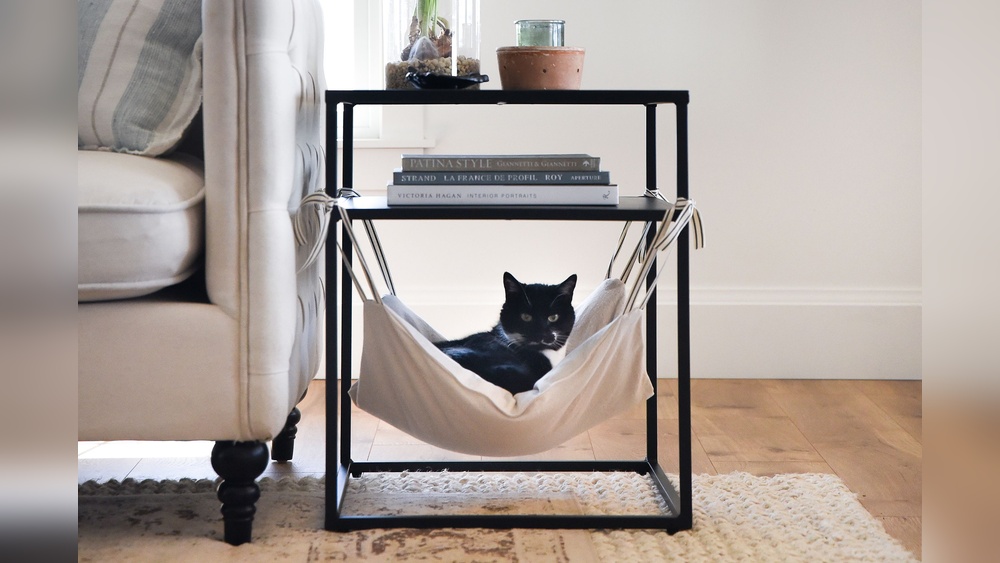
If you love your cat, you want to give them a cozy place to relax and watch the world. A cat hammock is perfect for this—it’s comfy, stylish, and easy to make.
Imagine your furry friend happily lounging in a soft, hanging bed you built yourself. In this guide, you’ll discover simple steps to create a cat hammock that suits your space and your cat’s needs. Keep reading, and you’ll soon have a happy cat and a cool new addition to your home.
Table of Contents

Credit: www.youtube.com
Choosing The Right Materials
Choosing the right materials is key to making a cozy cat hammock. The materials affect comfort, safety, and durability. Picking soft, strong, and easy-to-clean fabrics ensures your cat will love the hammock. Also, the materials must support your cat’s weight without tearing.
Consider materials that are gentle on your cat’s skin. Avoid rough or itchy fabrics that might cause discomfort. The hammock should feel like a soft bed where your cat can relax and sleep.
Fabric Types For Comfort And Durability
Cotton and fleece are popular fabric choices. They feel soft and warm. Cotton is breathable and easy to clean. Fleece offers extra warmth and a plush texture. Both materials hold up well to washing and daily use.
Choosing Strong Support Materials
Strong straps or ropes hold the hammock safely. Nylon and polyester straps are good options. They resist stretching and tearing. Check the weight limit of straps before buying. This keeps the hammock stable and safe for your cat.
Easy-to-clean Materials
Choose fabrics that can be washed easily. Machine-washable materials save time and effort. Avoid fabrics that stain or absorb smells quickly. Clean materials help keep the hammock fresh and hygienic.
Tools You Will Need
Making a cat hammock is a fun project. The right tools make it easier and safer. Gather everything before starting. It helps to work smoothly and finish faster.
Measuring Tape
Use a measuring tape to get exact sizes. Measure the fabric and frame parts carefully. Accurate measurements keep the hammock balanced and comfy for your cat.
Fabric Scissors
Sharp fabric scissors cut the material cleanly. Dull scissors can fray the edges and ruin the fabric. Cut slowly and follow the measurements for best results.
Needle And Thread
A strong needle and thread help to sew the fabric securely. Choose thread that matches the fabric for a neat look. Double stitch the seams for extra strength.
Sewing Machine (optional)
A sewing machine speeds up the sewing process. It makes the stitches even and tight. Use it if you have one, but hand sewing works fine too.
Drill Or Screwdriver
A drill or screwdriver fixes the hammock frame together. Use screws to hold the parts tightly. It keeps the hammock stable and safe for your cat.
Sandpaper
Sandpaper smooths the wooden frame edges. It prevents splinters that can hurt your pet. Sand all surfaces until they feel soft to touch.
Measuring Your Cat
Measuring your cat is the first step in making a perfect cat hammock. A well-measured hammock keeps your cat comfortable and safe. It fits just right, not too tight or too loose. Taking accurate measurements helps you choose the right size of fabric and supports. This section shows how to measure your cat easily.
Measuring Your Cat’s Length
Use a soft tape measure or a string. Measure from the base of the neck to the base of the tail. Keep your cat relaxed and calm. This length is the main size for the hammock bed. Add a few inches for comfort.
Measuring Your Cat’s Width
Measure across your cat’s widest part, usually the shoulders or belly. This helps to know how wide the hammock should be. Leave extra space for movement. Your cat needs room to stretch and turn.
Measuring The Height For Hammock Placement
Decide where to hang the hammock. Measure the height from the floor to that spot. Make sure it is easy for your cat to jump in and out. Check the space below to keep your cat safe.
Cutting The Fabric
Cutting the fabric is the first real step to make your cat hammock. It sets the size and shape of the hammock. Proper cutting makes sewing easier and ensures the hammock fits your cat comfortably.
Choose strong fabric that can hold your cat’s weight. Measure carefully and mark the fabric before cutting. Use sharp scissors or a rotary cutter for clean edges.
Prepare Your Fabric
Wash and dry the fabric to prevent shrinking later. Iron the fabric flat to remove wrinkles. Lay it on a clean, flat surface for accurate cutting.
Measure And Mark The Fabric
Decide the hammock size based on your cat’s size. Use a ruler or measuring tape to mark the fabric. Draw clear lines with a fabric marker or chalk.
Cut The Fabric Carefully
Cut along the marked lines slowly. Keep your scissors steady for smooth edges. Double-check measurements before cutting to avoid mistakes.
Sewing The Hammock
Sewing the hammock is the key step to bring your cat’s cozy spot to life. This part involves stitching the fabric pieces together securely. The goal is a strong, comfortable hammock that holds your cat safely. Follow simple steps to make the sewing process easy and fun.
Sewing The Fabric Pieces
Start by aligning the fabric pieces with the right sides facing each other. Pin the edges to keep them in place. Use a straight stitch to sew around three sides, leaving one side open. This open side will help in turning the fabric inside out later.
Turning The Hammock Right Side Out
After sewing, gently pull the fabric through the open side. This will hide the seams inside. Smooth out the edges and corners carefully. Make sure the hammock looks neat and even on all sides.
Adding Reinforcements
Reinforce the corners where the hammock will hang. Sew extra stitches or use a double layer of fabric. This step ensures the hammock stays strong and supports your cat’s weight safely.
Finishing Touches
Close the open side with a hidden stitch for a clean look. Check all seams to make sure they are tight. Press the hammock with an iron to remove wrinkles. Now your cat hammock is ready for hanging and use.
Adding Support Straps
Adding support straps is key to making a strong cat hammock. These straps hold the hammock steady. They keep your cat safe and comfortable. Without good straps, the hammock can sag or fall. This part of the project needs care and attention.
Choosing The Right Material For Support Straps
Pick strong fabric or nylon webbing for the straps. These materials can carry weight well. Avoid thin or stretchy fabrics that might break. The straps must hold your cat without stretching.
Measuring And Cutting Straps
Measure the distance between the hammock corners and the hanging points. Cut four straps of equal length. Leave extra length for tying or attaching. Accurate measurements keep the hammock balanced.
Attaching The Support Straps Securely
Sew or tie the straps to each corner of the hammock. Use strong knots or stitches. Check that the straps do not slip or loosen. Firm attachment is necessary for safety.
Testing The Straps Before Use
Hang the hammock with the straps empty first. Gently press down to check support. Make sure the straps hold tight without slipping. Adjust if you see any weak spots.
Installing The Hammock Safely
Installing a cat hammock safely is very important for your pet’s comfort and security. A well-installed hammock keeps your cat happy and prevents accidents. Take time to check your setup before letting your cat use it. Safety means strong support and correct placement.
Choose A Strong Location
Pick a place that can hold your cat’s weight easily. Walls, sturdy shelves, or window frames work well. Avoid weak spots or areas with loose materials. Test the surface by pressing firmly before installation.
Use Secure Mounting Hardware
Select screws, hooks, or brackets made for heavy loads. Use wall anchors if mounting on drywall. Avoid nails or weak hooks that may pull out. Tighten all screws and check for stability.
Measure And Mark Precisely
Measure the distance between mounting points carefully. Mark spots clearly to ensure the hammock hangs evenly. Uneven installation can cause discomfort or tipping. Double-check your marks before drilling.
Test The Hammock Before Use
Press down on the hammock to check strength and balance. Look for any wobbling or loose parts. Fix any issues before allowing your cat on it. Safety testing helps avoid falls and injuries.
Customizing For Comfort
Customizing a cat hammock makes it more cozy and inviting for your pet. Cats enjoy soft and warm places. Small changes can make a big difference in comfort. Think about your cat’s habits and preferences.
Choosing The Right Fabric
Select fabric that feels soft and gentle on your cat’s skin. Cotton and fleece work well. Avoid rough or slippery materials. Choose fabric that is easy to clean and durable.
Adding Extra Padding
Insert soft padding inside the hammock. Foam or thick batting makes a good cushion. Padding supports your cat’s body and keeps it warm. Make sure padding stays in place and does not bunch up.
Adjusting The Size
Measure your cat before making the hammock. The hammock should be big enough to stretch out. Too small feels tight; too large feels unstable. A perfect fit makes your cat feel safe.
Incorporating Safety Features
Use strong straps or ropes to hang the hammock securely. Check that all attachments hold well and don’t slip. Avoid sharp edges or loose threads. Safety helps your cat relax fully in the hammock.
Maintaining Your Cat Hammock
Maintaining your cat hammock keeps it safe and comfy for your pet. Regular care helps the hammock last longer. It also keeps your cat happy and clean.
Cleaning The Fabric
Remove loose fur and dirt with a vacuum or brush. Wash the fabric with mild soap and warm water. Avoid harsh chemicals that can harm your cat. Let it air dry fully before use.
Checking The Support
Inspect ropes or straps for any signs of wear or damage. Tighten loose knots or replace worn parts right away. Strong support prevents accidents and keeps your cat safe.
Protecting From Weather
Keep the hammock indoors or in a sheltered area. Avoid exposing it to rain or direct sunlight for long. Weather can weaken the fabric and supports quickly.
Regular Inspection
Look over the entire hammock each week. Check for tears, loose threads, or weak spots. Fix small issues before they become big problems.
Credit: www.youtube.com
Credit: kdfoundation.org
FAQ: How to Make a Cat Hammock
What Materials Do I Need To Make A Cat Hammock?
You will need fabric, sturdy straps, scissors, a sewing kit, and hooks. Choose soft fabric for comfort and strong straps for safety.
How Do I Attach The Cat Hammock Safely?
Use heavy-duty hooks or suction cups to attach the hammock. Ensure they are fixed tightly to avoid falling.
Can I Make A Cat Hammock Without Sewing?
Yes, use fabric glue or no-sew tape to join fabric edges. This works well for simple and quick projects.
What Size Should A Cat Hammock Be?
Make the hammock big enough for your cat to lie comfortably. Usually, 18×18 inches works well for most cats.
Where Is The Best Place To Hang A Cat Hammock?
Hang it near a window or a quiet corner. Cats love spots with good views and little noise.
Conclusion
Making a cat hammock is simple and fun. You only need a few materials and some time. Your cat will enjoy a cozy, soft place to rest. It also saves money compared to store-bought hammocks. Try different fabrics and shapes to find what your cat likes best.
Remember to place the hammock in a safe, quiet spot. Your cat will thank you with purrs and cuddles. Give it a try and watch your furry friend relax happily.