
Are you ready to create your own perfect spot for relaxation right in your backyard or home? Hanging a hammock might seem tricky at first, but with the right guidance, you can have your cozy retreat set up in no time.
Imagine yourself gently swaying, feeling the stress melt away as you enjoy your favorite book or a peaceful nap. This guide will walk you through simple steps that anyone can follow, even if you’ve never hung a hammock before. Keep reading, and soon you’ll know exactly how to hang a hammock safely and comfortably—your personal paradise is just a few easy steps away.
Table of Contents
Choosing The Right Spot
Choosing the right spot is key to hanging a hammock safely and comfortably. A good location affects your rest and the hammock’s durability. It also keeps you safe from falls or damage. Take time to find a place that suits your needs.
Check For Strong Support
Pick two strong points to hang the hammock. Trees, posts, or walls work well. Make sure they are sturdy and healthy. Avoid weak branches or loose posts. Test by pushing or shaking gently.
Measure The Distance Between Supports
Measure the space between the two points. The ideal distance is usually 10 to 15 feet. The length depends on your hammock size. The supports should be far enough but not too far.
Consider Ground Surface Below
Look at the ground under your hammock. Choose soft grass or dirt if possible. Avoid rocks, sharp objects, or uneven ground. A safe surface reduces injury risk if you fall.
Think About Sunlight And Shade
Decide if you want sun or shade. Shade keeps you cool on hot days. Sunlight can warm you when it’s cold. Pick a spot that matches the weather and time of day.
Check For Privacy And Noise
Find a quiet, private area for relaxation. Avoid noisy streets or busy yards. A peaceful spot improves your rest. Look for places away from traffic and crowds.

Credit: www.rei.com
Picking The Best Hammock Type
Picking the best hammock type is key to enjoying your hammock time. Different hammocks fit different needs. Some work better for camping, others for the backyard. Choosing the right one makes hanging easy and relaxing.
Fabric Hammocks
Fabric hammocks are soft and comfortable. They often use cotton or polyester. Cotton feels nice on the skin but can get wet easily. Polyester dries faster and lasts longer outside. These hammocks are great for gentle swinging and resting.
Rope Hammocks
Rope hammocks have open weaving made from cotton or synthetic rope. They let air flow, keeping you cool. These hammocks are strong and classic in style. They may leave marks on your skin if you lie too long without a blanket.
Camping Hammocks
Camping hammocks are lightweight and compact. They use strong nylon fabric. These hammocks come with mosquito nets or rain tarps. Ideal for outdoor adventures and rough weather. Easy to pack and carry on hikes.
Brazilian Hammocks
Brazilian hammocks are tightly woven and extra soft. They hug your body for deep comfort. Made from cotton or acrylic threads. Best for relaxing in shade or indoors. They hold weight well and feel cozy.
Measuring Distance Between Anchor Points
Measuring the distance between anchor points is key to hanging a hammock safely and comfortably. This step ensures your hammock fits perfectly and stays secure. Too short or too long a distance can cause discomfort or damage.
Choose The Right Anchor Points
Select strong anchor points like trees or posts. They should be sturdy and able to hold your weight. Measure the distance between these points carefully before hanging the hammock.
Measure The Distance Correctly
Use a tape measure for accuracy. Measure from the center of one anchor point to the center of the other. This gives the best estimate for the hammock’s length.
Consider The Hammock Length
Check the hammock’s total length, including ropes or straps. The distance between anchor points should be slightly shorter than the hammock’s length. This allows the hammock to hang with a gentle curve.
Account For Sag And Comfort
A good hammock has some sag. Aim for a 30-degree angle between the hammock and the ground. This angle offers the best balance of comfort and support.
Selecting Proper Hanging Hardware
Selecting the proper hardware for hanging a hammock is key for safety and comfort. The right hardware holds the hammock securely and prevents accidents. It also protects trees and walls from damage. Choosing strong, reliable pieces ensures a long-lasting setup. Pay attention to weight limits and material quality. This step makes your hammock experience enjoyable and worry-free.
Choosing The Right Hooks And Eye Bolts
Hooks and eye bolts must support your weight safely. Look for heavy-duty steel or stainless steel. These materials resist rust and wear. Choose sizes that fit your hammock ropes or chains. Make sure the threads match your hanging surface. Proper hooks provide a stable and secure hold.
Using Tree-friendly Straps
Tree straps protect bark from damage. They spread weight evenly to avoid harm. Select wide, strong straps made of nylon or polyester. Avoid thin ropes that cut into the tree. Tree straps are easy to install and remove. They keep trees healthy while holding your hammock firmly.
Carabiners And Quick Links For Easy Setup
Carabiners and quick links make hanging faster. Choose locking carabiners for extra safety. Stainless steel is best for durability. These connectors allow quick attachment and adjustment. They also add flexibility in your hammock’s position. Strong connectors help you relax without worry.
Securing Trees Or Posts Safely
Securing trees or posts safely is the first step to hang a hammock. Strong support points keep you safe and comfortable. Choose trees or posts that can hold your weight without bending or breaking.
Check the tree’s health before hanging your hammock. Avoid trees with loose bark, cracks, or signs of disease. Healthy trees have thick trunks and firm roots. Posts must be firmly set in the ground. Use posts at least 4×4 inches thick for good support.
Choosing The Right Trees
Pick trees that are 6 inches or thicker in diameter. They hold weight better and last longer. Look for trees that grow straight and tall. Avoid young or thin trees. They might not support your weight safely.
Using Strong, Safe Ropes
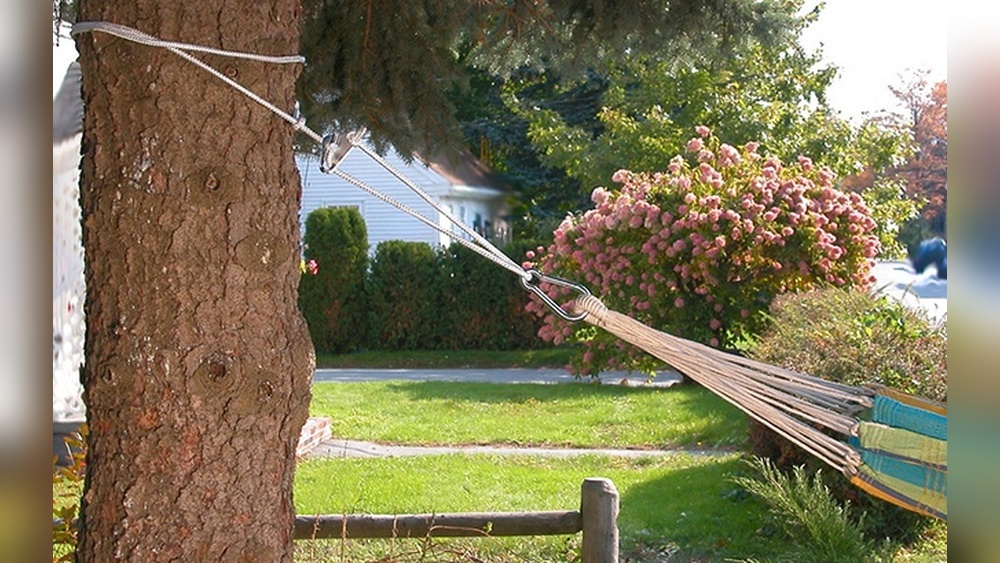
Use ropes made of durable materials like nylon or polyester. Avoid thin or worn ropes. They can snap under pressure. Wrap the rope around the tree without damaging the bark. Use a tree-friendly strap or wide webbing to protect the tree.
Securing Posts Properly
Posts need to be buried at least 2 feet deep. Use concrete or packed soil to keep posts steady. Space posts 12 to 15 feet apart. This distance fits most hammock sizes. Test posts by pushing them gently to check stability.
Attaching The Hammock Correctly
Attaching the hammock correctly is key to a safe and comfortable rest. The right method keeps the hammock secure and stops damage to trees or posts. Proper attachment also affects how the hammock hangs and feels.
Choosing the right materials and tying strong knots make a big difference. The goal is to keep the hammock steady and avoid slipping or falling.
Choosing Strong Anchor Points
Pick sturdy trees or posts that can hold your weight. Trees should be at least 6 inches thick. Posts need to be firmly planted in the ground. Avoid weak or dead branches.
Using Proper Straps Or Ropes
Use wide straps or ropes designed for hammocks. Straps protect trees and provide a better grip. Avoid thin ropes that can cut into bark or slip.
Tying Secure Knots
Learn simple knots like the bowline or taut-line hitch. These knots hold tight and are easy to adjust. Practice before hanging the hammock to ensure safety.
Setting The Correct Height And Angle
Attach the hammock about 4 to 5 feet off the ground. Aim for a 30-degree angle between the strap and the ground. This angle balances comfort and safety.
Adjusting Height And Tension
Adjusting the height and tension of your hammock makes it more comfortable and safe. The right height helps you get in and out easily. Proper tension keeps the hammock from sagging too low or pulling too tight. These small changes improve your overall hammock experience.
Choosing The Correct Height
Hang your hammock so it sits about 18 inches off the ground. This height lets you sit and stand without trouble. Too high can cause a fall. Too low makes it hard to get in or out. Use a tape measure or a stick to check the height.
Setting The Right Tension
Hammocks need a gentle curve in the middle. Aim for a 30-degree angle between the suspension ropes and the ground. This angle gives good support and comfort. Tighten the ropes slowly. Stop when the hammock feels firm but still soft enough to relax.
Testing And Adjusting
Try sitting or lying in the hammock to test comfort. Notice if it feels too tight or too loose. Adjust the ropes or straps a little at a time. Make small changes for the best feel. Check the height again after adjusting tension. Balance both for perfect comfort.

Credit: www.hammockshop.co.nz
Testing For Comfort And Safety
Testing your hammock for comfort and safety is a key step before relaxing. This step helps avoid accidents and ensures a pleasant experience. A well-tested hammock can support your weight and feel cozy. Follow simple checks to make sure your setup is secure and comfortable.
Checking The Suspension Strength
Begin by inspecting the ropes or straps holding your hammock. Look for any signs of wear, fraying, or damage. Tighten all knots and hardware to prevent slipping. The supports should hold your weight without stretching or moving.
Trying The Hammock Gently
Test the hammock by sitting down slowly at first. Use your hands to balance yourself as you lower your body. This helps you notice if the hammock swings or shifts unexpectedly. Gradually lie back and feel how the hammock supports you.
Adjusting For Comfort
Adjust the height and angle to fit your body shape. The hammock should hang with a slight curve for best comfort. Too tight or too loose can cause discomfort or instability. Find the sweet spot where you feel relaxed and supported.
Ensuring Safe Surroundings
Check the area around the hammock for sharp objects or hard surfaces. Clear any rocks, sticks, or debris that could cause injury. Make sure there is enough space in case you fall. Safety starts with a clean, obstacle-free zone.
Maintaining Your Hammock Setup
Maintaining your hammock setup helps keep it safe and comfortable. Proper care extends its life. Regular checks prevent accidents and damage. A well-kept hammock offers better relaxation every time.
Inspecting The Ropes And Straps
Check ropes and straps for wear or frays. Replace any parts that look weak or damaged. Strong ropes hold the hammock safely. Avoid using ropes that are thin or broken.
Cleaning Your Hammock
Clean the hammock regularly to remove dirt and dust. Use mild soap and water with a soft brush. Let it dry completely before storing. Avoid harsh chemicals that can weaken fabric.
Protecting Against Weather
Keep the hammock out of rain and strong sun when not in use. Use a cover or bring it inside. Moisture and sun can damage the fabric and ropes. Store it in a dry place during bad weather.
Checking Attachment Points
Look at the trees or posts holding the hammock. Make sure they are strong and healthy. Avoid hanging on weak or dead branches. Secure hooks and carabiners to prevent slipping.

Credit: theultimatehang.com
FAQ: How Do I Hang a Hammock
What Materials Do I Need To Hang A Hammock Safely?
You need a hammock, strong straps or ropes, and sturdy anchor points like trees or posts. Use tree-friendly straps to protect the bark.
How Far Apart Should I Place Hammock Anchor Points?
Anchor points should be about 10 to 15 feet apart. This distance helps keep the hammock tight and comfortable.
Can I Hang A Hammock Indoors Without Trees?
Yes, use strong wall hooks or a hammock stand designed for indoor use. Ensure the walls or ceiling can support your weight.
What Is The Best Height To Hang A Hammock?
Hang the hammock about 18 inches off the ground. This height makes it easy to get in and out safely.
How Do I Protect Trees When Hanging A Hammock Outdoors?
Use wide, tree-friendly straps to avoid damaging bark. Avoid thin ropes that can cut or hurt the tree.
Conclusion
Hanging a hammock is easier than it seems. Choose strong supports and use proper knots. Keep the hammock tight but comfortable. Always check for safety before sitting. Enjoy relaxing moments outdoors with your hammock. Simple steps bring great comfort and fun.
Now, you can hang your hammock with confidence. Time to relax and enjoy the breeze!