

Do you often wonder if hammocks are good for your back? You’re not alone.
Many people love the idea of relaxing in a hammock, but worry about whether it supports their spine properly. Imagine feeling completely comfortable while easing tension and pain in your back. Sounds great, right? You’ll discover the surprising truth about hammocks and how they might help—or hurt—your back health.
Keep reading to find out what experts say and how you can enjoy hammocks safely. Your back will thank you.
Table of Contents
Hammocks And Spinal Alignment
Hammocks offer a unique way to rest that can affect spinal alignment. The shape and support of a hammock differ from traditional beds or chairs. This difference can influence how your spine stays straight or curves while you relax.
Proper spinal alignment is key to avoiding back pain and stiffness. A hammock can help your spine rest in a natural position. The gentle cradle of a hammock may reduce pressure points along your back.
How Hammocks Support The Spine
Hammocks contour to your body shape, supporting the natural curve of your spine. This support helps keep your back aligned without extra effort. Your muscles relax more because the hammock holds your weight evenly.
This even support can reduce stress on your lower back and hips. It spreads your body weight, avoiding sharp bends or twists in the spine. You may feel less tension in your back after using a hammock.
Possible Drawbacks For Spinal Health
Not all hammocks support the spine well. Some may cause your body to curve too much or sag in the middle. This sagging can create pressure points and misalign your spine.
Using a hammock for long hours without changing position might lead to stiffness. People with certain back conditions should be cautious. Always notice how your body feels after using a hammock.
Tips For Better Spinal Alignment In A Hammock
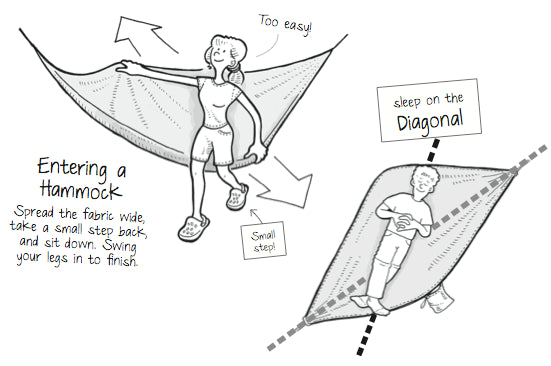
Lie diagonally in the hammock to keep your spine straighter. This position spreads your body weight more evenly. Avoid curling up or sitting with your legs bent sharply.
Choose a hammock with good tension and support. The right tightness helps keep your body stable. Use pillows or small cushions to support your neck and lower back if needed.
Try short sessions in the hammock before longer rest times. This helps your body adjust to the new support style.
Pressure Relief Benefits
Hammocks offer unique pressure relief benefits that can help your back feel better. Their design spreads your body weight evenly. This reduces pressure points that cause pain and discomfort. Many people find this relief refreshing after long hours of sitting or standing.
Lying in a hammock allows your spine to rest in a natural curve. This position supports your back muscles and joints gently. Unlike firm surfaces, hammocks adapt to your body shape. This flexibility helps reduce stiffness and soreness.
Even Weight Distribution
A hammock supports your body evenly from head to toe. It stops pressure from building up in one area. This even weight distribution lowers the risk of back pain. Your muscles can relax fully without strain.
Reduced Pressure Points
Hard beds or chairs create pressure points on your back. These points cause pain and limit blood flow. Hammocks cradle your body softly. This reduces pressure on sensitive areas like hips and shoulders.
Improved Spinal Alignment
The curve of a hammock helps keep your spine straight. This natural alignment eases tension in your back muscles. Proper spinal alignment can prevent long-term back problems.
Improved Blood Circulation
Improved blood circulation is one benefit of using a hammock for your back. Good blood flow helps your muscles and tissues get oxygen and nutrients. This supports healing and reduces stiffness in your back.
Hammocks allow your body to rest in a relaxed position. This can reduce pressure points that block blood flow. When blood moves freely, your back feels less tense and more comfortable.
How Hammocks Promote Better Circulation
Hammocks gently support your body, creating a slight cradle effect. This helps keep your spine aligned and reduces strain. The even support lowers pressure on veins and arteries, allowing blood to move smoothly.
Reduced Swelling And Back Pain
Improved circulation helps reduce swelling in back muscles. Less swelling means less pain and stiffness. Regular use of a hammock may help ease chronic back discomfort.
Enhanced Relaxation Boosts Blood Flow
Relaxation in a hammock calms your nervous system. This lowers stress hormones that can tighten muscles and restrict blood flow. Calm muscles allow blood to circulate better, aiding recovery and comfort.
Credit: www.simplyhammocks.co.uk
Stress Reduction Effects
Hammocks offer more than just a cozy place to relax. They can help reduce stress, which is important for your back health. Stress causes muscle tension and pain, especially in the lower back. Lying in a hammock creates a gentle rocking motion that calms your mind and body.
This soothing movement lowers stress hormones and helps your muscles relax. A relaxed body means less pressure on your spine and fewer aches. Hammocks also encourage deep breathing, which improves oxygen flow and reduces anxiety.
Calming Rocking Motion
The gentle sway of a hammock mimics the feeling of being rocked. This motion calms your nervous system and lowers stress levels. It helps your body enter a relaxed state quickly. Relaxed muscles ease tension in your back and neck.
Muscle Relaxation And Pain Relief
Stress tightens muscles and causes back pain. Hammocks support your body evenly, letting muscles relax fully. This reduces muscle stiffness and improves blood flow. Better circulation helps heal sore muscles faster.
Improved Sleep Quality
Stress often disrupts sleep, worsening back pain. Hammocks promote deeper, more restful sleep by calming the mind. Good sleep helps your body repair damaged tissues. Restoring your back feels easier with quality sleep.
Mindfulness And Relaxation
Being in a hammock encourages mindfulness. You focus on the gentle movement and your breathing. This focus reduces worry and mental stress. Lower stress means less muscle tension and better back comfort.
Support For Muscle Relaxation
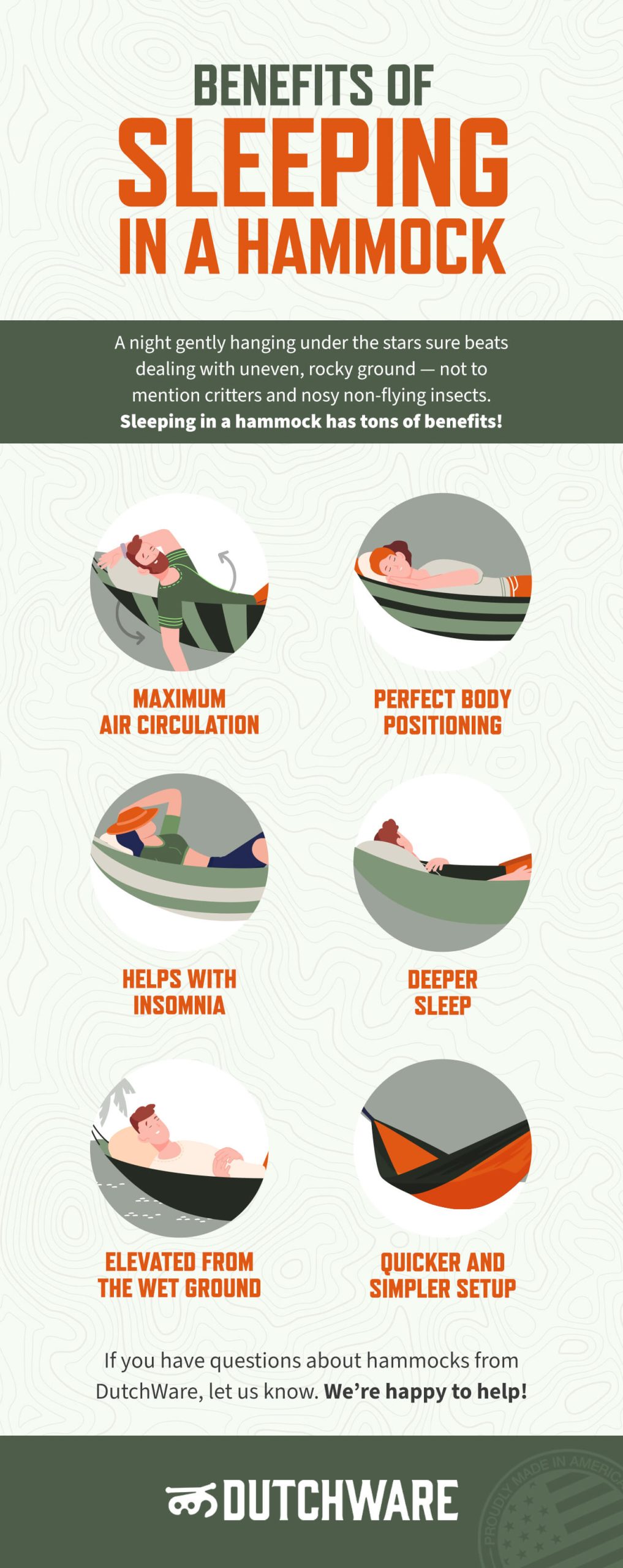
Support for muscle relaxation is a key benefit of using hammocks. They help your body rest in a natural, gentle way. This support can ease muscle tension and reduce stiffness.
A hammock cradles your body, allowing muscles to relax fully. Your back and limbs get gentle support without pressure points. This can help soothe sore muscles and improve comfort.
Even Weight Distribution
Hammocks spread your body weight evenly across the fabric. This reduces stress on any single muscle or joint. Muscles stay relaxed because no part bears too much load.
Natural Spinal Alignment
The curve of a hammock supports the natural shape of your spine. This helps muscles around your back stay loose. Good alignment reduces muscle strain and promotes relaxation.
Reduced Pressure Points
Unlike firm beds, hammocks avoid hard pressure points. Soft, flexible fabric molds to your body shape. This lowers muscle tension and improves blood flow.
Credit: dutchwaregear.com
Comparing Hammocks To Traditional Beds
Comparing hammocks to traditional beds helps us understand their effects on the back. Both offer places to rest. Each supports the body differently. This affects comfort and spine health. People often wonder which option helps back pain better. Let’s explore the differences in support and comfort.
Support And Spine Alignment
Traditional beds provide a flat, firm surface. This helps keep the spine straight. Mattresses vary in firmness. A good mattress supports natural curves of the spine. Hammocks, in contrast, cradle the body. They create a gentle curve. This can reduce pressure points. But it may also cause the spine to bend unnaturally. This position is not ideal for everyone’s back.
Pressure Relief And Comfort
Hammocks reduce pressure on joints by spreading body weight. This can ease pain in some areas. Traditional beds support weight evenly across a larger area. Firm mattresses help avoid sinking too deep. Soft mattresses may cause poor posture. Comfort depends on personal preference and back condition.
Movement And Stability
Beds offer stable support. Movement does not cause much sway. This helps people with balance or mobility issues. Hammocks move with the body. This rocking motion can be relaxing. But it may feel unstable for some users. The constant movement can strain certain muscles or joints.
Temperature And Breathability
Traditional beds use mattresses and sheets that may trap heat. This can affect sleep quality. Hammocks allow air to flow freely around the body. This helps keep cool in warm weather. Temperature control can impact comfort and restfulness for the back.
Potential Risks For Back Pain
Hammocks can feel relaxing, but they may cause back pain for some people. The way you lie and the hammock’s shape can affect your spine. Understanding the risks helps prevent discomfort or injury.
Poor Spinal Support
Hammocks often let your body sink in unevenly. This can create pressure points and strain your lower back. Lack of firm support may worsen existing back problems.
Unnatural Body Position
Hammocks can force your body into a curved shape. This position may cause muscle tension and stiffness. Staying in this posture for long periods can increase pain.
Difficulty Changing Positions
Switching positions in a hammock is harder than on a bed. Staying still too long can lead to muscle cramps and soreness. Movement is important to keep your back healthy.
Risk Of Falling
Hammocks can swing and tip easily. Falling out can cause sudden back injuries. This risk is higher for those with weak muscles or balance issues.
Choosing The Right Hammock
Choosing the right hammock makes a big difference for your back health. A good hammock supports your body evenly. It helps you relax without straining your muscles. Some hammocks are better than others for comfort and support.
Think about the material, size, and shape. These factors affect how your spine aligns. The right hammock keeps your back straight and reduces pressure points. This section explains how to pick the best hammock for your back.
Material And Fabric
Choose soft but strong fabric. Cotton and polyester blends work well. They are gentle on your skin and hold your weight safely. Avoid rough or stiff materials that can cause discomfort. Breathable fabrics keep you cool and dry.
Size And Weight Capacity
Pick a hammock that fits your body size. Too small can squeeze your back. Too large can feel unstable. Check the weight limit. A sturdy hammock supports your body without sagging. Proper size keeps your spine aligned.
Shape And Design
Try a hammock with a slight curve. This design cradles your body well. It helps distribute weight evenly. Avoid flat or very curved hammocks that bend your back oddly. Look for spreader bars for extra comfort.
Support And Suspension
Strong ropes or straps hold your hammock securely. They prevent sudden drops or swings. Adjustable suspension lets you set the right height and angle. Proper support reduces back strain and improves relaxation.
Tips For Safe Hammock Use
Using a hammock can be relaxing and good for your back if done safely. Follow simple tips to protect your spine and avoid pain. Safe hammock use helps you enjoy comfort without risks.
Keep these guidelines in mind every time you use your hammock. They improve your posture and prevent accidents.
Choose The Right Hammock
Select a hammock that supports your body well. Look for strong fabric and sturdy ropes. Avoid hammocks that sag too much or feel weak.
Set Up Properly
Hang the hammock at the correct height. It should be about 18 inches off the ground. Use strong, secure anchors like trees or posts. Check knots to avoid slipping.
Lie Diagonally
Lay in the hammock diagonally to keep your back straight. This position spreads your weight evenly. It reduces pressure on your spine and helps you relax.
Limit Time In Hammock
Do not stay in the hammock too long. Start with short periods and increase gradually. Long use can cause stiffness or soreness in your back.
Keep Your Back Supported
Use a small pillow or rolled towel under your lower back. This support helps maintain natural spine curves. It prevents lower back strain while resting.
Get Out Carefully
Exit the hammock slowly and carefully. Avoid sudden moves that can hurt your back. Sit first, then swing your legs out gently.

Credit: www.hammockuniverse.com
FAQ: Are Hammocks Good for Your Back
Can Hammocks Help Relieve Back Pain Naturally?
Hammocks support the body evenly, reducing pressure on the spine. This can ease back pain and muscle tension effectively.
Is Sleeping In A Hammock Better For Spinal Alignment?
A well-set hammock can keep your spine straight and aligned. It helps avoid common sleep posture problems that cause back pain.
How Long Should I Use A Hammock For Back Comfort?
Limit hammock use to short periods like 20-30 minutes at first. Gradually increase time as your back gets used to the support.
Are Hammocks Suitable For People With Chronic Back Issues?
Hammocks may offer relief but consult a doctor first. Some back problems need special care and may not suit hammock use.
What Type Of Hammock Is Best For Back Support?
Choose a hammock with good fabric and spreader bars for even support. Avoid very soft or saggy hammocks that strain your back.
Conclusion
Hammocks can offer good support for your back when used right. They help keep your spine in a natural position. This can reduce pressure and ease muscle tension. Choose a hammock that fits your body well. Avoid staying too long in one position.
Small breaks help your back feel better. Try different angles to find what feels best. Remember, hammocks are a simple way to relax and care for your back. Give it a chance and listen to your body’s signals.