
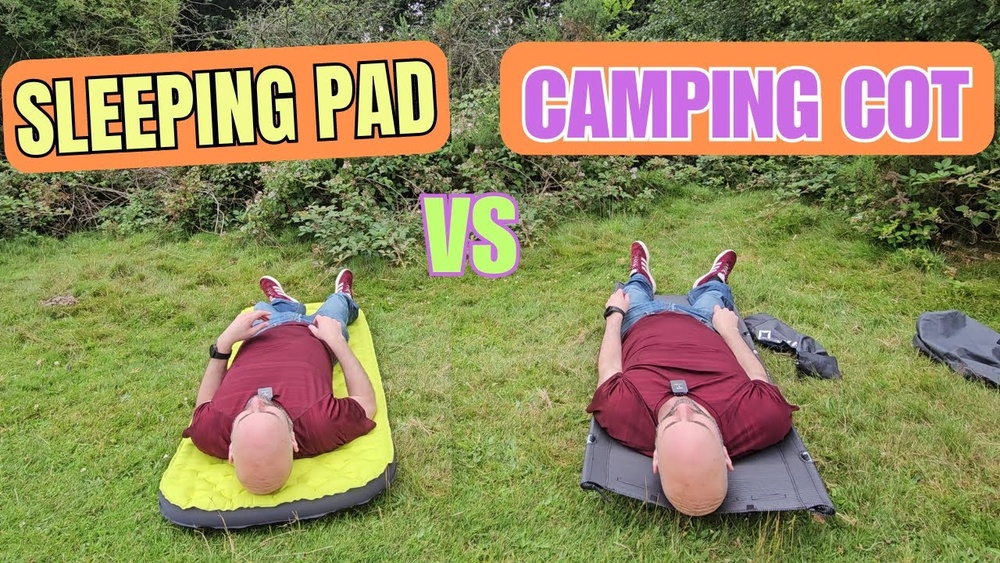
When it comes to camping, a good night’s sleep can make all the difference. But choosing between a camping cot and a sleeping pad can be confusing.
Which one will keep you comfortable and supported? Which fits your style and needs better? You want to wake up refreshed, ready to enjoy your adventure. Keep reading, and you’ll discover the key differences that will help you pick the perfect sleeping option for your next trip.
Your best night under the stars starts here.
Table of Contents

Credit: exileshmagazine.com
Comfort Levels Compared
Choosing the right sleeping gear can make a big difference in how well you rest outdoors. Comfort is key for a good night’s sleep. Camping cots and sleeping pads offer different comfort levels. Understanding these differences helps you pick what suits you best.
Each option has its strengths in cushioning, support, and temperature control. Let’s explore these features to see which one fits your needs.
Cushioning And Support
Camping cots lift you off the ground. This keeps you away from rocks and uneven surfaces. The frame provides solid support for your back and joints.
Sleeping pads lay directly on the ground. They use foam or air to cushion your body. Thicker pads offer better comfort but can be bulky to carry.
Cots generally provide firmer support. Pads offer softer cushioning but less stability. Your body type and sleeping style affect which feels better.
Temperature Regulation
Cots allow air to flow beneath your body. This helps keep you cool in warm weather. However, cold air can chill you on cool nights.
Sleeping pads create a barrier between you and the cold ground. This helps retain body heat. Some pads have insulation layers to improve warmth.
For hot climates, cots may feel more comfortable. In cold conditions, pads often provide better warmth and comfort.

Credit: www.youtube.com
Portability And Weight
Portability and weight play a big role in choosing between a camping cot and a sleeping pad. These factors affect how easy it is to carry your gear on hikes or trips. Lightweight and compact gear makes traveling smoother. Let’s explore how camping cots and sleeping pads compare in these areas.
Packing Size
Sleeping pads pack down smaller than camping cots. Most pads roll or fold into compact shapes. They fit easily in backpacks or small bags. Camping cots, on the other hand, have metal frames. These frames take up more space even when folded. Cots may require a bigger bag or extra room in your vehicle. This difference matters on trips with limited space.
Ease Of Transport
Sleeping pads are lighter and easier to carry over long distances. They weigh just a few pounds and fit inside your pack. Camping cots usually weigh more because of their structure. Carrying a cot can be tiring, especially on foot. Some cots come with carrying bags and handles. Still, they are bulkier and less convenient for hiking. For simple transport, sleeping pads have the advantage.
Durability And Materials
Durability and materials play a key role in choosing between a camping cot and a sleeping pad. Both need to stand up to rough outdoor use. The quality of fabric and frame affects how long these items last. Strong materials help keep you comfortable on every trip.
Fabric And Frame Quality
Camping cots usually have a sturdy metal or aluminum frame. This frame supports weight and resists bending. The fabric is often heavy-duty polyester or nylon. These fabrics dry fast and resist tearing. Sleeping pads use foam or air-filled materials. Some pads have a tough outer cover to protect from punctures. The best pads use ripstop nylon or similar fabrics. These keep the pad safe from sharp rocks or sticks.
Resistance To Wear And Tear
Cots can last many years with proper care. The frame handles rough ground and frequent use well. The fabric resists fading and stretching over time. Pads face more risk of punctures and leaks. Foam pads are less likely to puncture but can compress. Air pads offer comfort but need careful handling. Pads with thicker or reinforced covers resist damage better. Both cots and pads should be stored dry and clean to last long.
Setup And Convenience
Choosing between a camping cot and a sleeping pad often depends on how easy they are to set up. Setup and convenience matter a lot during camping trips. Quick and simple assembly saves time and effort. It helps you relax faster after a long day outdoors.
Assembly Time
A camping cot usually takes more time to set up. You must unfold the frame and attach the fabric. Some models have many parts to connect. It can take a few minutes, especially for beginners.
Sleeping pads are quicker to prepare. Most just need to be unrolled or inflated. Inflatable pads might take a few minutes to pump up. Foam pads are ready instantly. This makes sleeping pads better for fast setup.
User-friendliness
Camping cots offer a stable and raised surface. They feel like a small bed. But their size and weight make them harder to carry and store. Some cots come with simple folding designs that improve ease of use.
Sleeping pads are lightweight and compact. They fit easily into backpacks. Pads also require less skill to use. Simply lay them on the ground and start resting. This makes sleeping pads very user-friendly for all campers.
Cost And Value
Choosing between a camping cot and a sleeping pad often depends on cost and value. Both options serve the same purpose but vary in price and durability. Understanding these differences helps make a smart choice for your camping needs.
Price Range Comparison
Sleeping pads usually cost less than camping cots. Basic pads can start as low as $20. Mid-range pads often fall between $40 and $80. Camping cots tend to start around $50 and can reach over $200. The price depends on materials and weight. Pads are lighter and cheaper. Cots offer more comfort but at a higher price.
Longevity Vs Expense
Camping cots often last longer than sleeping pads. Their frames are made from metal or strong plastic. Sleeping pads can wear out faster, especially if used on rough ground. Punctures and tears reduce pad life. Cots may cost more upfront but save money over time. Pads need replacement more often, which adds to costs. Consider how often you camp to decide which offers better value.
Sleeping Position And Space
Sleeping position and space greatly affect your comfort during camping. The choice between a camping cot and a sleeping pad changes how you rest. Both options offer different support and room to move. Understanding these differences helps you pick the best fit for your needs.
Support For Side Vs Back Sleepers
Camping cots provide firm, even support. They keep your body lifted off the ground, which helps back sleepers maintain a straight spine. Side sleepers may find cots less comfortable because the hard surface can press on hips and shoulders.
Sleeping pads mold to your body shape. They cushion pressure points, which benefits side sleepers. Back sleepers also find good support, but very thin pads might not offer enough firmness. Thickness and material matter for comfort.
Room To Move
Cots offer a stable, flat surface with some space underneath. They allow easy movement without feeling cramped. The raised design gives a sense of extra room around you.
Sleeping pads lie on the ground and are usually smaller. They limit side-to-side movement. You may feel the edges more while turning. Pads are better for compact spaces but less roomy for stretching out.
Weather Suitability
Choosing between a camping cot and a sleeping pad depends a lot on weather conditions. Both offer different benefits based on temperature and air flow. Understanding how each performs in cold and warm weather helps you pick the best option for your trip.
Cold Weather Performance
A camping cot lifts you off the cold ground, which helps keep you warmer. Cold air circulates underneath, so adding an insulated pad on top is important. Without insulation, a cot can feel chilly at night.
Sleeping pads provide direct insulation from the cold ground. Many pads have foam or air chambers that trap heat close to your body. This makes them a good choice for cold weather camping.
Ventilation In Warm Conditions
Cots offer better air circulation because they are raised off the ground. This allows cool air to flow beneath you, reducing sweat and heat buildup. It keeps you more comfortable in warm weather.
Sleeping pads sit directly on the ground, limiting airflow. This can cause more heat and moisture to build up during hot nights. Using a breathable sleeping pad can help, but it may not match a cot’s ventilation.
Maintenance And Cleaning
Maintenance and cleaning play a big role in keeping camping gear useful for a long time. Both camping cots and sleeping pads need care after each use. Dirt, moisture, and dust can damage materials. Proper cleaning prevents mold and bad smells. It also keeps gear safe and ready for the next trip.
Ease Of Cleaning
Camping cots have a frame and fabric surface. Wiping the fabric with a damp cloth removes dirt well. Tough stains may need mild soap and water. The metal or plastic frame cleans easily with a wet cloth. Dry the cot fully to stop rust or mold.
Sleeping pads vary in material. Foam pads can be brushed off and wiped. Air pads need gentle cleaning to avoid leaks. Use a soft cloth and mild soap. Avoid soaking the pad. Let it dry completely before packing.
Storage Tips
Store camping cots in a dry, ventilated area. Fold or collapse the cot as the instructions say. Keep it off the ground to avoid moisture damage. Use a storage bag if available.
Sleeping pads should be rolled or folded loosely. Avoid sharp bends that can cause cracks. Store pads in cool, dry places away from direct sunlight. Keep them clean to prevent dirt buildup during storage.
Best Use Scenarios
Choosing between a camping cot and a sleeping pad depends on different situations. Each has strengths that suit specific camping styles and personal needs. Knowing the best use scenarios helps pick the right gear for comfort and convenience.
Camping Types
Camping cots work best at car camps and base camps. They offer good support and keep you off the cold ground. They are heavier and bulkier, so not ideal for backpacking or long hikes.
Sleeping pads are light and compact. They fit well for backpacking and trekking trips. They provide insulation and cushioning on uneven ground. Ideal for campers who carry all gear on their backs.
For family or group camping, cots give extra comfort and space. For solo or minimal gear trips, pads save weight and pack size.
Personal Preferences
People who prefer a bed-like feel choose camping cots. Cots keep the body flat and reduce pressure points. They suit those with back pain or joint issues.
Sleeping pads suit campers who want simplicity and flexibility. They mold to the body and allow more contact with the ground. Some like the closer connection to nature this brings.
Noise level matters too. Cots can creak, pads are quiet. Consider sleeping habits and comfort needs when deciding.
Credit: www.theoutdooradventure.net
FAQ: Camping Cot Vs Sleeping Pad
What Are The Main Differences Between Camping Cots And Sleeping Pads?
Camping cots are raised beds, while sleeping pads lie directly on the ground. Cots offer better back support, and pads are lighter and easier to carry.
Which Is Better For Cold Weather: Cot Or Sleeping Pad?
Sleeping pads provide better insulation from cold ground. Cots keep you off the cold floor but may feel colder due to air underneath.
How Portable Are Camping Cots Compared To Sleeping Pads?
Sleeping pads are usually lighter and more compact, making them easier to carry. Cots are bulkier and heavier but offer more comfort.
Can Sleeping Pads Offer The Same Comfort As Camping Cots?
Sleeping pads can be comfortable but may not support your body as well. Cots provide a firm, flat surface that helps reduce pressure points.
Are Camping Cots Suitable For All Types Of Camping Trips?
Camping cots work best for car camping or base camps. For backpacking, sleeping pads are better due to their lighter weight and smaller size.
Conclusion
Choosing between a camping cot and a sleeping pad depends on your needs. Cots offer better comfort and keep you off the ground. Sleeping pads are lighter and easier to carry. Think about weight, space, and how long you will camp.
Both options help you sleep better outdoors. Pick what fits your trip best. Rest well and enjoy your camping adventure!