

Choosing the right sleeping pad can make or break your outdoor experience. You want comfort, warmth, and durability—all without carrying extra weight.
But when it comes to inflatable vs foam sleeping pads, which one fits your needs best? This guide will help you understand the key differences so you can make the smart choice for your next adventure. Keep reading to find out which sleeping pad will give you the best night’s sleep under the stars.
Table of Contents

Credit: www.youtube.com
Types Of Sleeping Pads
Choosing the right sleeping pad can make a big difference in your camping comfort. There are different types of sleeping pads designed for various needs. Each type offers unique benefits and fits different outdoor activities. Understanding these options helps you pick the best pad for your trip.
Inflatable Sleeping Pads
Inflatable pads use air to create a soft, cushioned surface. They are lightweight and easy to carry. You can adjust the firmness by adding or releasing air. These pads pack down small, saving space in your backpack. They provide good comfort but need care to avoid punctures.
Foam Sleeping Pads
Foam pads are made from dense, closed-cell foam. They offer firm support and insulation from the ground. Foam pads are durable and do not require inflation. They are heavier and bulkier than inflatable pads. These pads work well for rough terrain and cold weather.
Hybrid Sleeping Pads
Hybrid pads combine foam and air chambers for comfort and support. They balance weight and durability. These pads offer better insulation than inflatable ones. They are a good choice for campers needing both comfort and toughness. Hybrid pads are versatile for different conditions.
Comfort Comparison
Comfort matters most when choosing a sleeping pad. It affects how well you rest outdoors. Both inflatable and foam pads offer comfort but in different ways. Understanding their comfort features helps pick the right one for your needs.
Feel and support vary between these pads. Each has strengths in comfort for different types of sleepers.
Inflatable Sleeping Pad Comfort
Inflatable pads provide soft cushioning by adjusting air levels. You can make them firmer or softer with ease. They hug your body and reduce pressure points. This helps prevent aches during sleep. Inflatable pads often feel like a mattress in the wild.
Foam Sleeping Pad Comfort
Foam pads offer firm, steady support without air. They keep their shape no matter the surface. Foam absorbs shocks from rocks or roots better than air. This firmness suits those who prefer a stable feel. Foam pads are less likely to shift during sleep.
Weight And Portability
Weight and portability are key factors for campers and hikers. A sleeping pad should be light and easy to carry. It must fit well in your backpack. This section compares inflatable and foam sleeping pads in these areas.
Inflatable Sleeping Pad Weight
Inflatable pads are usually very light. They weigh between 12 and 20 ounces. This makes them easy to carry on long trips. The lightweight design helps reduce backpack load. Less weight means more comfort during hikes.
Foam Sleeping Pad Weight
Foam pads tend to be heavier than inflatable ones. They weigh around 1 to 2 pounds. The extra weight can add up on long hikes. Some foam pads are thick and bulky. This adds to the carrying weight.
Inflatable Sleeping Pad Portability
Inflatable pads pack down small when deflated. They fit inside small stuff sacks. This saves space in your backpack. Easy to carry and store in tight spaces. Great choice for small backpacks or day trips.
Foam Sleeping Pad Portability
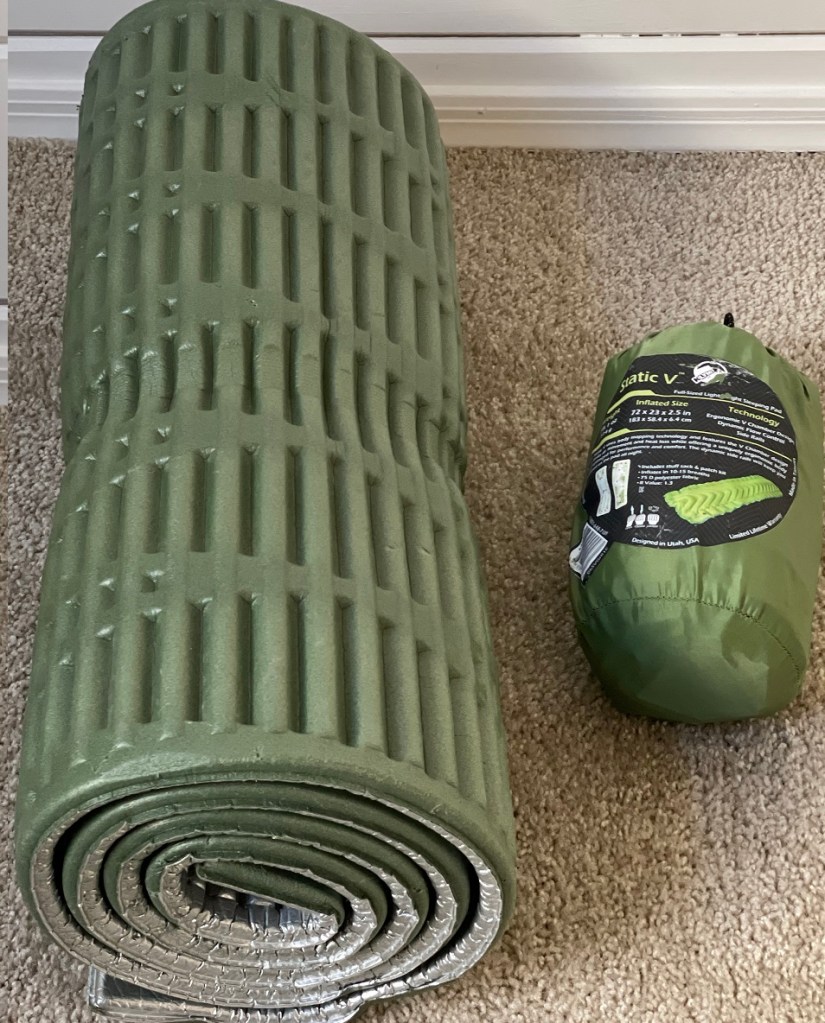
Foam pads are bulky and hard to compress. They often roll up but stay large. This takes more space in your pack. Foam pads can be strapped outside backpacks. Not ideal for tight packing or heavy loads.

Credit: www.rei.com
Durability And Maintenance
Durability and maintenance are important factors when choosing a sleeping pad. A pad must last through many camping trips. Easy care helps keep it in good shape longer. Both inflatable and foam pads have different strengths in these areas. Understanding these can help pick the right pad for your needs.
Durability Of Inflatable Sleeping Pads
Inflatable pads are made of thin materials to hold air. They can puncture if placed on sharp rocks or sticks. Most come with repair kits for small holes. Careful use is needed to avoid damage. Some models use tougher fabrics for extra strength. Still, they are less durable than foam pads overall.
Durability Of Foam Sleeping Pads
Foam pads are thick and solid. They resist tears and punctures better than inflatable pads. They handle rough ground without damage. Foam does not lose shape easily. The simple design makes foam pads very tough. They last for many years with little wear.
Maintenance Of Inflatable Sleeping Pads
Inflatable pads need regular checks for leaks. Clean them with mild soap and water. Avoid harsh chemicals that can weaken the material. Dry completely before storing to prevent mold. Store loosely rolled or flat to keep shape. Proper care extends the pad’s life.
Maintenance Of Foam Sleeping Pads
Foam pads require little maintenance. Wipe off dirt and mud with a damp cloth. Let them air dry after use. Avoid long sun exposure to prevent fading. Store in a dry, cool place. Foam pads are easy to care for and ready anytime.
Insulation And Warmth
Choosing the right sleeping pad can make a big difference in how warm you feel at night. Insulation and warmth are key factors. Your body heat needs to stay trapped between you and the cold ground. Different types of sleeping pads do this in different ways.
Inflatable Sleeping Pads And Warmth
Inflatable pads trap air inside their chambers. Air is a poor conductor of heat, so it helps keep warmth close. Many inflatable pads have special insulation layers inside. These layers stop heat from escaping through the air. Inflatable pads can be very warm if they have good insulation. Without insulation, they can feel cold on chilly nights.
Foam Sleeping Pads And Warmth
Foam pads use a dense foam material to block cold from the ground. Foam has tiny air pockets that trap heat. This makes foam pads naturally warm. They do not need extra insulation layers. Foam pads keep warmth well but can be thicker and heavier. They work well in cold weather because they never lose air or insulation.
Comparing Insulation Efficiency
Inflatable pads with insulation often offer better warmth-to-weight ratio. Foam pads provide consistent insulation but can be bulky. Inflatable pads can adjust firmness and loft, affecting warmth. Foam pads stay the same thickness and insulation all night. Both types can keep you warm if chosen right for the weather.
Credit: expeditionsw.com
Setup And Packing
Setup and packing are key parts of using any sleeping pad. They affect how fast you rest and how easy it is to carry your gear. Inflatable and foam sleeping pads differ a lot in these areas. Understanding their setup and packing will help you pick the right one for your trip.
Inflatable Sleeping Pad Setup
Inflatable pads need air to fill them up. You must blow air into the valve. Some pads come with pumps or bags to speed this up. It takes a few minutes to get firm and comfy. Check for leaks before you lie down. The process requires some care but gives good comfort.
Foam Sleeping Pad Setup
Foam pads are ready to use right away. Just unroll or unfold them. They do not need air or extra steps. This makes them quick for campsites or short rests. Foam pads are simple and have no valves to worry about.
Packing Inflatable Sleeping Pads
Deflating is the main step after use. Open the valve and press out the air. Roll the pad tight to push air out fully. This takes a bit of time and effort. Once rolled, it fits into a small stuff sack. Inflatable pads pack small and light for easy carry.
Packing Foam Sleeping Pads
Foam pads fold or roll up easily. They keep their shape and do not lose air. They are usually larger and bulkier than inflatable pads. Some foam pads can be strapped outside a backpack. They are tough and handle rough use well.
Price And Value
Price and value are important factors when choosing between inflatable and foam sleeping pads. Your budget may limit options. Getting the best comfort for your money matters most. Both types have different costs and benefits. Understanding these helps in making a smart buy.
Consider how long the pad will last. Think about how often you camp. These affect the value you get from the pad.
Cost Of Inflatable Sleeping Pads
Inflatable pads usually cost more than foam pads. Prices vary by brand and features. High-end models offer extra comfort and insulation. Budget models still provide good cushioning. Keep in mind, repairs may add to the cost.
Cost Of Foam Sleeping Pads
Foam pads tend to be cheaper upfront. They have fewer moving parts and no risk of leaks. Simple designs keep the price low. They are durable and last many years. Foam pads need no repairs, saving money over time.
Value And Durability Comparison
Inflatable pads offer better comfort but need care. Punctures can reduce their lifespan. Foam pads are tough and resist damage well. They work in rough conditions without failing. The value depends on how you use the pad.
Weight And Portability Impact On Value
Inflatable pads are light and pack small. Easy to carry on long trips. Foam pads are heavier and bulkier. This can affect travel comfort. Choose based on how much weight you can carry.
Best Uses And Activities
Choosing the right sleeping pad depends on the activity and environment. Both inflatable and foam pads offer comfort and insulation but serve different purposes. Knowing their best uses helps pick the right one for your adventure.
Inflatable Sleeping Pads For Camping And Backpacking
Inflatable pads provide great comfort with extra cushioning. They pack small, making them easy to carry. Ideal for backpackers who want light gear without losing sleep quality. These pads work well on flat, even ground.
Foam Sleeping Pads For Rough Terrain And Durability
Foam pads are tough and resist punctures. Perfect for rocky or uneven surfaces where durability matters. They offer consistent insulation even if compressed. Foam pads are great for camping trips with rough ground.
Inflatable Pads For Car Camping And Longer Trips
Car campers benefit from inflatable pads’ comfort and size. They are easy to inflate and deflate at the campsite. These pads help get a restful night after long travel days. Bulk is less of a problem when weight is not critical.
Foam Pads For Budget-friendly And Shorter Hikes
Foam pads cost less and require no maintenance. They are simple to use and clean. Ideal for short hikes or beginner campers. Foam pads are light but bulkier, better stored in a car or base camp.
User Experience And Feedback
User experience shapes the choice between inflatable and foam sleeping pads. Feedback from real users offers clear insights. It helps understand comfort, durability, and ease of use. This section shares common thoughts and feelings from campers.
Comfort And Support
Many users find inflatable pads very comfy. They can adjust firmness by adding or releasing air. This helps with back and joint support. Foam pads feel firmer and less adjustable. Some campers say foam is fine for short trips. Others prefer foam for rough ground, as it offers stable support.
Durability And Reliability
Foam pads are praised for their toughness. Users say foam can handle sharp rocks and rough use. Inflatable pads can puncture or leak, causing worry. Some users carry repair kits to fix leaks fast. Foam pads need less care and last longer in rough conditions.
Ease Of Use And Portability
Inflatable pads pack small and weigh less, users say. They are easy to carry on long hikes. Pumping up the pad can take time and effort. Foam pads are simple to use—just unroll and sleep. They take more space and weigh more, but no inflation is needed.
Temperature And Insulation
Campers note foam pads keep them warmer on cold ground. The dense foam blocks cold air better. Inflatable pads may feel colder if not insulated well. Some inflatable pads come with extra insulation layers. This can improve warmth but adds weight.
Making The Right Choice
Choosing between an inflatable and foam sleeping pad can be tricky. Each type has clear benefits and some drawbacks. Your choice depends on how and where you plan to use it.
Comfort, weight, and durability matter most. Think about your camping style and conditions. This will help you pick the best sleeping pad for restful nights outdoors.
Comfort And Support
Inflatable pads offer adjustable firmness. You can add or remove air to fit your comfort needs. They often feel softer and better cushion your body. Foam pads are firm and less forgiving. They provide steady support but may feel harder on rough ground.
Weight And Packability
Inflatable pads are usually lighter and smaller when packed. They save space in your backpack. Foam pads are bulkier and heavier. They do not compress much, making them harder to pack tight. Consider how much space you have and the weight you can carry.
Foam pads are tough and resist punctures well. They require little care and dry quickly. Inflatable pads need more care to avoid leaks. Repair kits may be necessary. Durability depends on the material quality and usage conditions.
Cost And Budget
Foam sleeping pads are often cheaper and last long. Inflatable pads can be more expensive but offer more comfort. Decide your budget and what features matter most. Spending more might be worth it for better sleep quality.
FAQ: Inflatable Vs Foam Sleeping Pad
What Are The Main Differences Between Inflatable And Foam Sleeping Pads?
Inflatable pads offer better cushioning and pack smaller. Foam pads are lighter, more durable, and provide insulation.
Which Sleeping Pad Is Better For Cold Weather Camping?
Foam pads insulate better against cold ground. Inflatable pads may need extra insulation in cold weather.
How Do Inflatable And Foam Pads Compare In Weight?
Foam pads are usually lighter. Inflatable pads weigh more but pack smaller for easy carry.
Can Inflatable Pads Be Repaired If They Get Punctured?
Yes, most inflatable pads come with repair kits for small holes or leaks.
Which Sleeping Pad Is Easier To Clean And Maintain?
Foam pads are easier to clean with just soap and water. Inflatable pads need careful drying.
Conclusion
Choosing between inflatable and foam sleeping pads depends on your needs. Inflatable pads offer more comfort and cushion. Foam pads are lighter and more durable. Think about where you will camp and how much weight you can carry. Both types can keep you warm and help you rest well.
Your choice should fit your style and budget. Comfort and convenience matter most for a good night’s sleep outdoors. Keep these points in mind to pick the right sleeping pad for your next trip.