
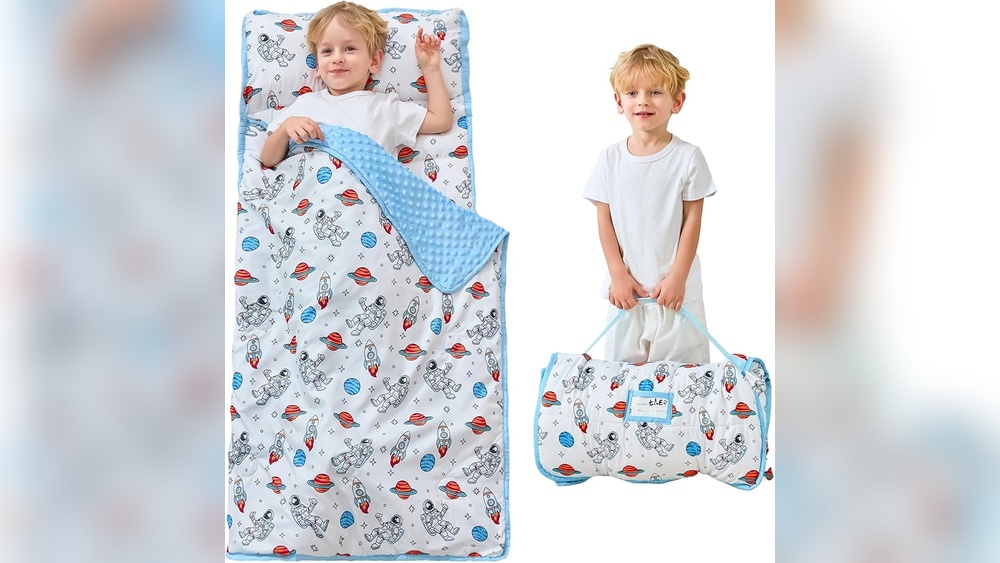
When it comes to a good night’s sleep outdoors, choosing the right gear can make all the difference. You might have heard both “sleeping bag” and “slumber bag” used, but are they really the same?
If you’ve ever felt confused about which one to pick for your next camping trip, you’re not alone. This article will clear up the mystery and help you find exactly what fits your needs. Keep reading, because your comfort under the stars depends on it.
Table of Contents
Design Differences
The design of sleeping bags and slumber bags shows clear differences. These differences affect comfort, warmth, and ease of use. Understanding design helps in choosing the right bag for your needs.
Each bag has unique features. These features suit different activities and weather conditions. Let’s explore how their designs stand apart.
Shape And Size
Sleeping bags often have a mummy shape. This shape fits closely to the body. It helps keep heat inside and reduces weight. Slumber bags tend to be rectangular. This shape offers more room to move. It feels less tight and more like a blanket.
Insulation Type
Sleeping bags use synthetic or down insulation. Down is lightweight and warm but costs more. Synthetic insulation works better in wet conditions. Slumber bags usually have lighter insulation. They focus on comfort rather than extreme warmth. This makes them good for mild weather.
Closure And Zippers
Sleeping bags have zippers that seal tightly. Some have draft tubes along the zipper to stop cold air. Slumber bags often have simpler zippers. They may open fully to lay flat. This feature makes them easy to share or use indoors.
Additional Features
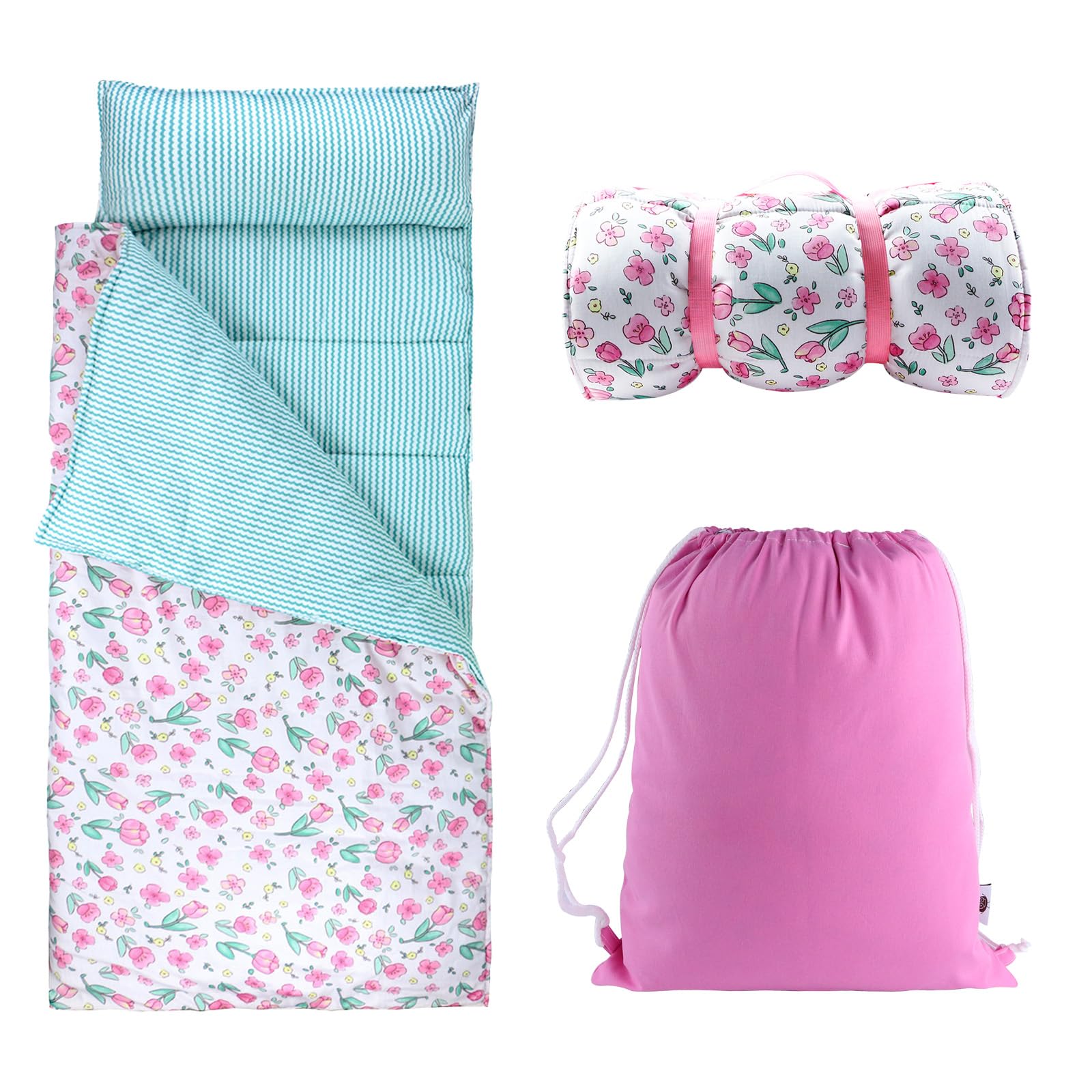
Sleeping bags often include hoods and cinch cords. These help trap heat around the head and neck. Slumber bags may skip these features. Instead, they focus on softness and ease of entry. Some slumber bags have pockets or pillows inside for comfort.
Credit: elektrowaeger.ch
Material Comparison
Sleeping bags and slumber bags differ mainly in material and warmth. Sleeping bags often use synthetic fibers, while slumber bags may have natural fillings. Each type suits different weather and comfort needs.
Outer Shell Materials
Sleeping bags usually have nylon or polyester outer shells. These materials resist water and wind well. They keep you dry in light rain or dew. Slumber bags often use softer cotton blends for the outer shell. Cotton feels more comfortable but may soak up moisture. It dries slower than synthetic fabrics.
Sleeping bags mostly use synthetic fill or down feathers for insulation. Synthetic fill works even when wet. It is lighter to clean and dries fast. Down insulation is warm and compresses small for easy packing. Slumber bags usually have less insulation. They focus more on comfort than warmth.
Inner Lining Fabrics
Sleeping bags often have smooth polyester linings. These reduce friction and help you slide in easily. They also wick moisture away from your skin. Slumber bags use soft cotton or flannel linings for coziness. These fabrics feel warm and gentle on the skin but can trap moisture.
Insulation Types
Insulation is key to staying warm during sleep outdoors. Both sleeping bags and slumber bags use insulation to trap heat. The type of insulation affects comfort, weight, and warmth. Understanding the common insulation types helps you choose the right bag for your needs.
Down Insulation
Down insulation comes from duck or goose feathers. It is very light and compresses small for easy packing. Down offers excellent warmth for its weight. It performs best in dry conditions. Down loses its warmth when wet and takes longer to dry.
Synthetic Insulation
Synthetic insulation uses man-made fibers. It is heavier and bulkier than down. Synthetic dries quickly and stays warm even when wet. This type is easier to care for and usually less expensive. Perfect for damp or wet environments.
Comparing Insulation In Sleeping Bags And Slumber Bags
Sleeping bags often use down for lightweight warmth. Slumber bags may use synthetic for durability and moisture resistance. The choice depends on where and how you camp. Consider weight, warmth, and weather before choosing.
Temperature Ratings
Temperature ratings tell you how warm a sleeping bag or slumber bag can keep you. They help choose the right gear for your trip. These ratings show the lowest temperature you can comfortably sleep in. Understanding them avoids cold nights outdoors.
Sleeping bags and slumber bags have different temperature ratings. Knowing these differences helps pick the best option. The ratings depend on insulation, shape, and design.
Sleeping Bag Temperature Ratings
Sleeping bags usually have a clear temperature rating. It shows the lowest temperature you can stay warm in. Ratings often come as a range: comfort, limit, and extreme. Comfort means you feel warm and cozy. Limit is the lowest temperature you can tolerate. Extreme is survival mode, not for comfort.
Slumber Bag Temperature Ratings
Slumber bags tend to have simpler temperature ratings. They are often made for indoor or mild outdoor use. The rating might only show a general comfort range. They usually work best in warmer conditions. Slumber bags may not protect well in cold weather.
Comparing Ratings For Use
Choose a sleeping bag for cold or variable climates. Its ratings provide more safety and warmth details. Slumber bags suit casual or indoor use. Their ratings focus on comfort at moderate temperatures. Understanding these ratings helps avoid discomfort and chills.
Weight And Portability
Weight and portability are key factors for anyone choosing between a sleeping bag and a slumber bag. Carrying gear that is too heavy or bulky can make trips less enjoyable. Lightweight and compact bags are easier to pack and carry on hikes or camping trips.
Understanding the differences in weight and size helps you pick the right bag for your adventure. Both sleeping bags and slumber bags offer unique benefits depending on how portable they are.
Sleeping Bag Weight And Size
Sleeping bags usually weigh more because they have extra insulation. This added warmth means they are bulkier. They take up more space in a backpack or car. People who camp in cold weather often choose sleeping bags despite the extra weight.
Slumber Bag Weight And Size
Slumber bags are lighter and less bulky. They are made for mild weather or indoor use. Their smaller size makes them easy to carry in daypacks. Slumber bags fit well for quick trips or when weight matters most.

Credit: www.amazon.com
Ease Of Use
Ease of use matters a lot when choosing between a sleeping bag and a slumber bag. You want a bag that feels simple to handle. It should be easy to pack, carry, and set up. Comfort also plays a role in how easy the bag feels to use. Let’s see how these two types compare.
Setup And Packing
Sleeping bags often come with a stuff sack. This helps compress the bag for small packing. Some models have straps to keep them tight. Slumber bags tend to be bulkier. They may need more space in your bag. This makes packing them a bit harder. Still, slumber bags usually have fewer zippers to deal with.
Adjusting Temperature
Sleeping bags usually have zippers on the side. This lets you open them up for more air. Some have draft tubes to keep warmth inside. Slumber bags often have simpler designs. They may not let you adjust airflow easily. This can make them less flexible for changing weather.
Getting In And Out
Sleeping bags often have a foot box and a hood. This can make moving inside a bit tight. Slumber bags usually feel roomier. They offer more space to turn around. This helps if you move a lot while sleeping.
Durability Factors
Durability is a key factor when choosing between a sleeping bag and a slumber bag. It affects how long the bag lasts and how well it protects you. Understanding what makes each type strong helps in making the right choice for your needs.
Material Quality
Sleeping bags often use heavy-duty fabrics like ripstop nylon. These materials resist tears and wear. Slumber bags may use softer, lighter fabrics for comfort. These can wear out faster. Stronger materials mean longer life for your bag.
Stitching And Seams
Good stitching keeps the bag intact through many uses. Sleeping bags usually have reinforced seams. This stops the fabric from splitting. Slumber bags might have simpler stitching. Strong seams help the bag hold its shape and warmth.
Water Resistance
Sleeping bags often have water-resistant coatings. This protects the bag from damp ground and rain. Slumber bags may lack this feature. Water damage can weaken the fabric and filling. Water resistance adds to a bag’s durability.
Ease Of Cleaning
Durable bags are easy to clean and dry fast. Sleeping bags often use materials that resist stains. Slumber bags may absorb dirt and moisture more. Proper care keeps the bag in good condition longer.
Price Range
Price plays a big role in choosing between a sleeping bag and a slumber bag. Both offer comfort for sleep outdoors, but their costs vary widely. Knowing the price range helps you pick the best option for your budget and needs.
Sleeping Bag Price Range
Sleeping bags usually cost more than slumber bags. Basic models start around $30. Mid-range options fall between $60 and $120. High-end sleeping bags with special features can cost over $150. Prices rise with better insulation and materials.
Slumber Bag Price Range
Slumber bags are often cheaper. Many models start near $15. Most fall between $20 and $50. Slumber bags focus on comfort rather than extreme weather use. Their simpler design keeps the cost low.
Factors Affecting Price
Material quality affects price a lot. Synthetic fill costs less than down insulation. Size and weight also matter. Lightweight bags usually cost more. Brand reputation can increase price too. More features mean higher costs.
Best Use Scenarios
Choosing between a sleeping bag and a slumber bag depends on where and how you plan to use it. Each has features that suit different activities and environments. Knowing the best use scenarios helps pick the right option for comfort and convenience.
Both are designed for rest, but their design and insulation vary. This affects their performance in various outdoor and indoor settings. Understanding these differences guides you to the perfect match for your needs.
Camping And Outdoor Adventures
Sleeping bags suit outdoor camping well. They keep you warm on cold nights and block wind effectively. Many models handle rough weather and uneven ground. Their insulation often uses synthetic or down fill for warmth.
Slumber bags are lighter and less bulky. They work best in mild weather or indoor camping. Good for short trips and when easy packing matters. Not ideal for freezing temperatures or harsh outdoor use.
Indoor And Sleepover Use
Slumber bags shine indoors. Their soft materials offer comfort on floors and couches. Easy to carry and fold, they fit sleepovers and guest stays. Often made with cozy fabrics that feel like blankets.
Sleeping bags indoors can feel heavy and stiff. They suit colder rooms or places with drafts. Not as flexible for casual indoor naps or visits.
Travel And Portability
Slumber bags are compact and travel-friendly. They fit in backpacks and small bags easily. Great for trips with space limits or quick rest stops. Light weight means less burden on long journeys.
Sleeping bags can be bulkier and heavier. They offer better warmth but take more space. Ideal for trips where comfort beats packing size. Better for planned outdoor stays than quick travel breaks.

Credit: kytebaby.com
User Comfort Feedback
User comfort is key when choosing between a sleeping bag and a slumber bag. Both offer warmth and protection, but comfort varies. Feedback from real users helps us understand the differences. Comfort depends on materials, design, and how each fits the body.
Users often mention how easy it is to move inside each type. Breathability and softness also affect comfort. Let’s dive into what users say about each option.
User Comfort Feedback On Sleeping Bags
Many users find sleeping bags roomy and warm. The insulation keeps them cozy during cold nights. Some mention the shape allows easy movement. The hood feature adds extra warmth around the head. A few users find them bulky for small tents. They appreciate the soft lining against the skin. Ventilation zippers help adjust temperature comfortably.
User Comfort Feedback On Slumber Bags
Slumber bags get praise for being lightweight and compact. Users like how easy they are to carry. The snug fit feels secure and less bulky. Breathable fabrics prevent overheating during warm weather. Some users say the material feels rough at first but softens with use. The simple design suits casual camping and indoor use. A few prefer slumber bags for short trips and naps.
FAQ: Sleeping Bag Vs Slumber Bag
What Is The Main Difference Between Sleeping Bag And Slumber Bag?
A sleeping bag is for outdoor camping, while a slumber bag is lighter and for indoor use.
Which Bag Is Better For Cold Weather Camping?
Sleeping bags are better for cold weather due to thicker insulation and warmth.
Can I Use A Slumber Bag For Hiking Trips?
Slumber bags are not ideal for hiking; they lack enough warmth and protection.
How Do Sleeping Bags And Slumber Bags Differ In Size?
Sleeping bags are bulkier and heavier; slumber bags are smaller and easy to carry.
Are Slumber Bags Suitable For Kids And Toddlers?
Yes, slumber bags are often designed for kids due to their lightweight and comfort.
Conclusion
Choosing between a sleeping bag and a slumber bag depends on your needs. Both keep you warm and comfortable outdoors. Sleeping bags often offer more space and insulation. Slumber bags tend to be lighter and easier to carry. Think about where and how you will use it.
Comfort, weight, and size matter most for your trips. Pick the one that fits your style and weather conditions. Rest well on every adventure with the right choice. Your good night starts with the right bag.