
When it’s time to sleep outdoors, choosing between a bedroll and a sleeping bag can make all the difference in your comfort and rest. You want something that’s easy to carry, keeps you warm, and fits your style of camping or hiking.
But which one is really better for your needs? You’ll discover the key differences, pros, and cons of bedrolls and sleeping bags. By the end, you’ll feel confident picking the perfect option to make your nights under the stars truly restful.
Keep reading—your best night’s sleep is just ahead.
Table of Contents

Credit: www.reddit.com
History Of Bedrolls And Sleeping Bags
Sleeping outdoors has a long history. People have used simple bedding to stay warm and comfortable. Bedrolls and sleeping bags are two common choices. Each has a unique story. Their designs grew from the needs of travelers and campers.
Early humans used animal skins and leaves to create soft bedding. Bedrolls were popular for centuries. Sleeping bags came later with new materials and ideas. Both have evolved to meet the demands of outdoor life.
Origins Of Bedrolls
Bedrolls date back thousands of years. People rolled up blankets or animal skins for rest. Soldiers and travelers used bedrolls for easy transport. The design is simple but effective. It provides a portable sleeping surface and warmth.
Development Of Sleeping Bags
Sleeping bags appeared in the late 19th century. Explorers needed better insulation against cold climates. Early sleeping bags used wool and feathers. Over time, synthetic materials improved warmth and weight. Sleeping bags became lighter and more compact.
Modern Use And Evolution
Today, bedrolls and sleeping bags serve different purposes. Bedrolls suit mild weather and simple camping. Sleeping bags offer more protection in harsh conditions. Innovations continue to improve comfort and portability. Outdoor enthusiasts choose based on their needs and environment.
Materials Used In Bedrolls
Bedrolls use various materials to provide comfort and durability. The choice of material affects warmth, weight, and ease of cleaning. Understanding these materials helps choose the right bedroll for your needs.
Natural Fibers
Natural fibers like cotton and wool are common in bedrolls. Cotton is soft and breathable but can absorb moisture. Wool keeps warmth even when wet and resists odors. These fibers offer comfort but may weigh more than synthetic options.
Synthetic Fabrics
Synthetic fabrics like nylon and polyester are popular for bedrolls. They dry quickly and resist water. These materials are lightweight and strong. They also resist mildew and are easy to clean, making them good for outdoor use.
Insulation Materials
Insulation helps keep you warm in cold weather. Some bedrolls use foam pads or fiberfill insulation. Foam provides a firm and cushioned layer. Fiberfill traps heat and adds softness. Both improve sleep by reducing cold from the ground.
Materials Used In Sleeping Bags
Sleeping bags come in many materials that affect comfort and warmth. Knowing these materials helps pick the right bag for any trip. Each material offers unique benefits and some drawbacks. Understanding them makes camping more enjoyable and cozy.
Outer Shell Fabrics
Most sleeping bags use nylon or polyester for the outer shell. These fabrics resist water and wind. They keep the inside dry and protect against tears. Nylon is light and strong. Polyester handles moisture well and dries fast.
Insulation Types
Sleeping bags use two main insulation types: down and synthetic. Down comes from duck or goose feathers. It is very warm and compresses small. Synthetic insulation uses man-made fibers. It works better in wet conditions and dries faster.
Lining Materials
The lining touches your skin. Common linings include nylon, polyester, and cotton blends. Nylon and polyester are smooth and dry quickly. Cotton is soft but holds moisture and dries slowly. The right lining feels comfortable all night.
Portability And Weight Comparison
Portability and weight are key factors for outdoor gear. They affect how easy it is to carry your sleeping setup. Both bedrolls and sleeping bags offer different benefits in this area.
Choosing the right option depends on your trip length and transport method. Let’s explore how bedrolls and sleeping bags compare in weight and portability.
Portability Of Bedrolls
Bedrolls are simple and flexible. They can be rolled or folded into a compact shape. This makes them easy to carry with a backpack or by hand.
Many bedrolls come with straps or bags for easy transport. Their size varies depending on thickness and material. Lightweight bedrolls fit well for short trips or mild weather.
Portability Of Sleeping Bags
Sleeping bags are designed to pack down small. They often compress with stuff sacks or compression straps. This reduces bulk and fits inside backpacks neatly.
Modern sleeping bags use lightweight fabrics and insulation. This helps keep weight low without losing warmth. They suit longer trips where space and weight matter a lot.
Weight Comparison
Bedrolls usually weigh less than sleeping bags. They lack heavy insulation and thick fabrics. This makes them lighter but less warm in cold weather.
Sleeping bags often weigh more due to padding and weather resistance. Weight depends on type of insulation—down or synthetic. Down sleeping bags tend to be lighter but cost more.
Comfort Levels And Support
Comfort and support are key for a good night’s sleep outdoors. Both bedrolls and sleeping bags offer different levels of comfort. Your choice affects how well you rest and recover after a long day. Understanding their differences helps you pick the right gear for your needs.
Comfort Levels Of Bedrolls
Bedrolls are usually made from simple materials. They provide a thin layer between you and the ground. The padding is minimal, so comfort depends on the surface below. They may feel firm or rough on hard or uneven ground. Bedrolls offer basic comfort but often need extra mats or pads.
Comfort Levels Of Sleeping Bags
Sleeping bags focus on warmth and softness. They often include built-in padding for extra comfort. The insulation keeps you cozy and cushions your body. Many sleeping bags feel soft and snug, making sleep easier. They suit cold nights better than bedrolls.
Support Provided By Bedrolls
Bedrolls offer limited support. Their thin padding may not protect joints well. Without extra layers, they can feel hard and less comfortable. They work best on flat, soft surfaces. For more support, add foam pads or inflatable mats.
Support Provided By Sleeping Bags
Sleeping bags provide better support than bedrolls. Their padding helps reduce pressure on shoulders and hips. Some models have extra thickness in key areas. This support helps prevent aches and stiffness. Ideal for rough or cold camping spots.
Temperature Regulation
Temperature regulation is key for a good night’s sleep outdoors. It affects comfort and safety during camping. Choosing the right gear helps maintain body heat and avoid chills.
Bedroll Temperature Control
Bedrolls offer basic insulation. They rely on added blankets or pads for warmth. Breathability is high, which helps prevent overheating. Bedrolls are good for mild weather or short trips.
Sleeping Bag Heat Retention
Sleeping bags trap body heat effectively. Their insulation layers keep warmth close to the skin. Many bags have hoods and draft collars to block cold air. This design suits colder climates and longer stays.
Adjusting Temperature With Layers
Both bedrolls and sleeping bags work better with layers. Adding a liner or extra blanket boosts warmth. Removing layers helps cool down during warmer nights. This flexibility supports comfort in changing conditions.
Durability And Maintenance
Durability and maintenance are key factors in choosing between a bedroll and a sleeping bag. Both options face wear and tear from outdoor use. How long they last depends on the materials and care they receive. Maintenance affects their comfort and safety on every trip.
Durability Of Bedrolls
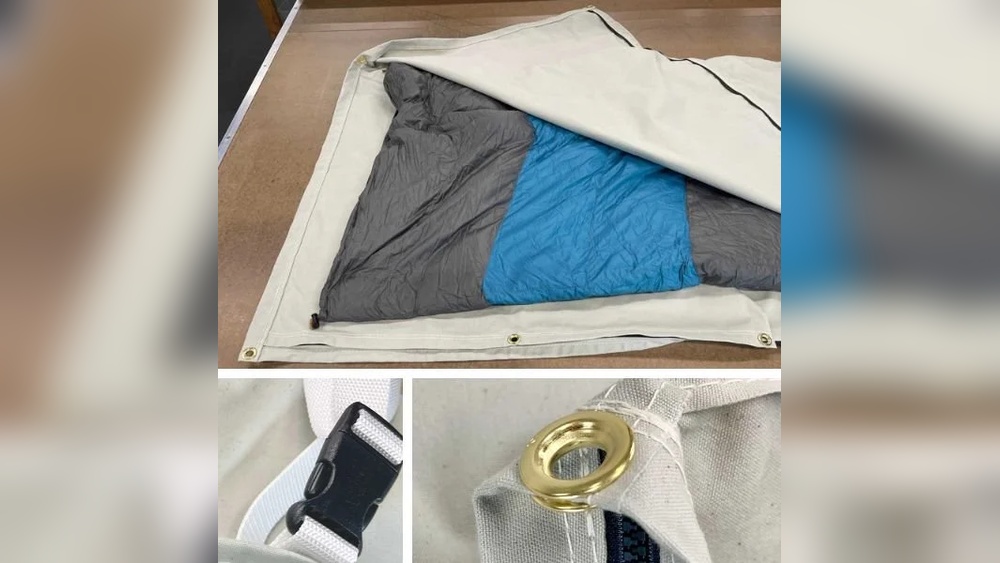
Bedrolls often use thicker fabrics like canvas. This makes them tough against rough ground and sharp objects. They resist tears and holes better than many sleeping bags. However, heavier materials can absorb water and take time to dry. Over time, stitching and fasteners may wear out faster with constant folding.
Durability Of Sleeping Bags
Sleeping bags use lightweight fabrics designed for warmth and comfort. Their outer shells can be water-resistant but may tear more easily. Insulation inside can compress or clump after repeated use. High-quality bags last longer but need gentle handling. Proper storage helps keep their shape and warmth.
Maintenance Of Bedrolls
Bedrolls require regular cleaning to prevent dirt buildup. They can be wiped or hand-washed depending on material. Drying in the sun helps avoid mold and mildew. Checking stitches and straps before trips ensures they stay strong. Simple repairs extend their life greatly.
Maintenance Of Sleeping Bags
Sleeping bags need careful washing to protect insulation. Most recommend gentle machine washes or hand washing. Avoid harsh detergents and use special cleaners made for down or synthetic fills. Air drying is best to keep loft and softness. Storing bags loosely prevents damage and keeps them ready for next use.

Credit: www.reddit.com
Cost Differences
Cost differences play a big role in choosing between a bedroll and a sleeping bag. Both serve the same basic purpose but vary widely in price. Understanding these differences helps you pick the best option for your budget and needs.
Price Range Of Bedrolls
Bedrolls usually cost less than sleeping bags. They are simple mats or blankets rolled up for easy carrying. You can find basic bedrolls for under $20. Higher-end models with extra padding or weather resistance might cost $50 or more.
Price Range Of Sleeping Bags
Sleeping bags tend to be pricier due to their design and materials. Entry-level sleeping bags start around $40. Mid-range bags with better insulation usually cost between $80 and $150. Premium sleeping bags, designed for extreme conditions, can cost over $200.
Factors Affecting Cost
Materials and insulation quality impact cost for both bedrolls and sleeping bags. Weather resistance features add to the price. Brand reputation also affects how much you pay. Simple bedrolls use fewer materials and less tech, so they cost less.
Best Use Cases For Bedrolls
Bedrolls offer unique benefits for certain outdoor activities. They suit simple sleeping needs and rough environments. Their design is straightforward, making them easy to use and carry. Understanding their best use cases helps you choose the right gear.
Camping In Warm Weather
Bedrolls work well in warm climates. They provide basic comfort without too much insulation. Air flows easily around the bedroll, preventing overheating. Campers can sleep cool and relaxed under the stars.
Short Overnight Trips
For quick trips, bedrolls save time. You just roll them out and sleep. No need for complex setup or extra gear. This simplicity suits hikers and travelers with light packs.
Traditional Or Cultural Camping
Bedrolls fit traditional camping styles worldwide. Many cultures use bedrolls for sleeping outdoors. They offer a connection to nature and old customs. This can enhance the camping experience.
Emergency Or Backup Sleeping Gear
Bedrolls make good emergency supplies. They take little space and weight. You can store them in a car or backpack. Useful if unexpected overnight stays occur.
Sleeping On Hard Or Uneven Ground
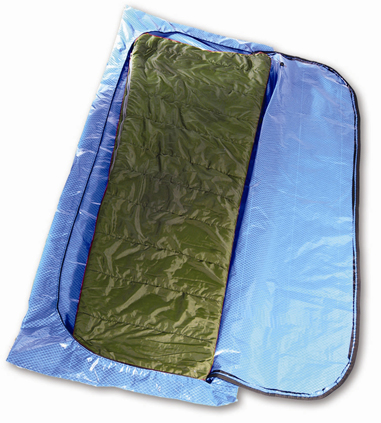
Bedrolls provide a barrier from rough surfaces. They add some cushioning and warmth. This makes sleeping outdoors more comfortable. Ideal for spots without soft ground or tents.
Credit: gearjunkie.com
Best Use Cases For Sleeping Bags
Sleeping bags serve many camping and outdoor needs. Their design offers warmth and comfort in various conditions. Choosing the right sleeping bag depends on where and how it will be used.
These bags are easy to carry and provide good insulation. They protect users from cold, damp ground and chilly air. Different types of sleeping bags fit different adventures.
Camping In Cold Weather
Sleeping bags keep you warm in cold weather. They trap body heat and block cold air. Many bags have insulation to handle freezing temperatures. This makes them ideal for winter camping trips.
Backpacking And Hiking Trips
Lightweight sleeping bags are perfect for backpackers. They save space and add little weight. These bags fit easily into backpacks. They offer comfort without slowing down your hike.
Car Camping
Sleeping bags are great for car camping. You can carry heavier, bulkier bags in a car. These bags offer extra padding and warmth. Comfort is easier to achieve when weight is not a concern.
Emergency Situations
Sleeping bags work well in emergencies. They provide immediate warmth and shelter. Emergency bags are compact and easy to store. They can be lifesavers in unexpected cold conditions.
FAQ: Bedroll Vs Sleeping Bag
What Is The Main Difference Between A Bedroll And A Sleeping Bag?
A bedroll is a simple mat rolled up for sleeping, while a sleeping bag is insulated and zipped for warmth.
Which Is Better For Camping: Bedroll Or Sleeping Bag?
Sleeping bags are better for cold weather; bedrolls work well in mild, dry conditions.
How Do Bedrolls And Sleeping Bags Compare In Weight?
Bedrolls are usually lighter but bulkier; sleeping bags are compact but can be heavier.
Can A Bedroll Provide Enough Warmth Like A Sleeping Bag?
Bedrolls offer little insulation and are less warm than sleeping bags designed for cold.
Are Bedrolls Easier To Clean Than Sleeping Bags?
Bedrolls are easier to clean as they are simple mats, while sleeping bags require careful washing.
Conclusion
Choosing between a bedroll and a sleeping bag depends on your needs. Bedrolls are simple and easy to carry. Sleeping bags offer better warmth and comfort. Think about the weather and where you will sleep. Weight and pack size also matter for your trip.
Both have pros and cons to consider. Your choice affects how well you rest outdoors. Use what feels right for your adventure. Sleep well, and enjoy your time outside.